


Die Cast Iron: Durable Precision for Industrial Equipment
Understanding Die Cast Iron: A Veteran’s Perspective
Having spent over a decade working directly with industrial equipment and manufacturing materials, I’ve seen firsthand how critical the choice of metal can be. Among the many players on the metal stage, die cast iron often stands out for its unique blend of strength and versatility. Oddly enough, despite its somewhat niche reputation, die cast iron quietly drives a ton of equipment we might take for granted. And frankly, if you’re in manufacturing or industrial design, it’s worth understanding why.
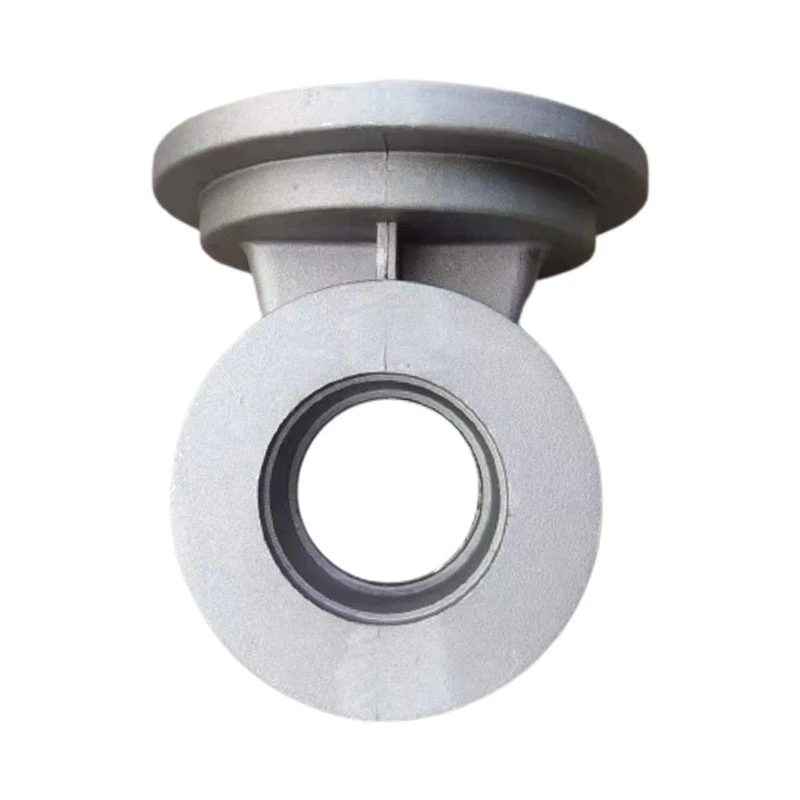
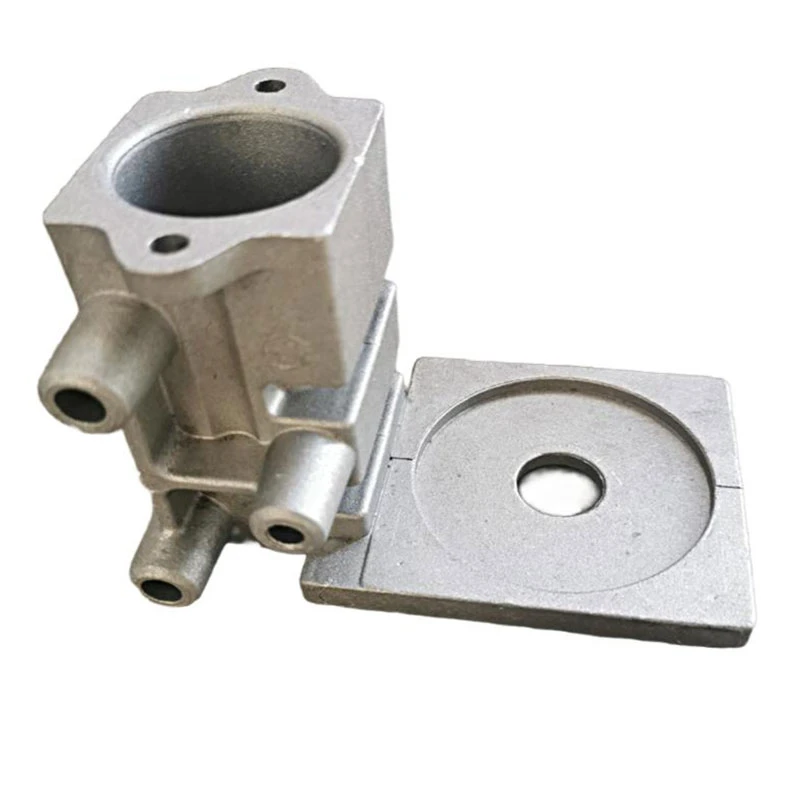
First, let’s clarify what we’re talking about. “Die casting” generally refers to a process where molten metal is injected under high pressure into a mold — or “die” — to create parts with precise dimensions and smooth finishes. Now, cast iron isn’t the first metal that comes to mind for die casting; it’s more common with lighter metals like aluminum or zinc. But when you do see die cast iron, it’s usually because you need the material’s famous toughness and wear resistance combined with tight tolerances.
What I noticed is that die cast iron components are frequently chosen for machinery that demands excellent vibration dampening and durability, like automotive parts, heavy-duty valves, and pump housings. The material’s microstructure gives it impressive compressive strength, not to mention a natural resistance to abrasion — qualities that engineers love for long-term reliability.
Speaking of microstructure, the nuances of graphite shape and pearlite content in cast iron really influence the performance. Many engineers say the gray cast iron varieties—with their flake graphite—offer better machinability but less tensile strength, whereas ductile cast iron versions pack a tougher punch with spheroidal graphite. Getting this balance right during the die casting process is part of the art and science behind delivering dependable parts.
Key Product Specifications of Die Cast Iron
| Specification | Typical Values |
|---|---|
| Tensile Strength | 200–350 MPa |
| Compressive Strength | 600–800 MPa |
| Hardness (Brinell) | 150–300 HB |
| Density | 7.1–7.3 g/cm³ |
| Thermal Conductivity | 40–60 W/mK |
| Typical Grain Size | 100–250 µm |
One thing often overlooked is how die cast iron’s dimensional stability under heat cycles provides huge value in industries like automotive manufacturing and energy sectors. I once worked on a project designing pump casings for a geothermal plant; the engineers insisted on die cast iron for its ability to not deform under constant temperature swings.
Comparing Die Cast Iron Vendors: What Sets Them Apart
| Vendor | Production Capacity (tons/month) | Quality Standards | Customization Options | Lead Time |
|---|---|---|---|---|
| Hairun Sourcing(Link) | 500 | ISO 9001, TS16949 | Full alloy customization | 4-6 weeks |
| Global Metals Co. | 350 | ISO 9001 | Limited alloys | 6-8 weeks |
| Eastcast Foundry | 420 | ISO 9001, IATF 16949 | Medium range alloys | 5-7 weeks |
In my experience, vendor choice often boils down not just to specs or cost but to how well they understand your specific project needs. For example, working with Hairun Sourcing meant options for full custom alloy adjustments based on the operating environment — that kind of flexibility can save headaches down the line.
In real terms, if you’re designing parts exposed to cutting fluids, abrasive elements, or cyclic loading (which is, well, most industrial equipment), dialing in exact material specs with the vendor is crucial. And yes, it pays off to lean on vendors who have demonstrated consistent quality certifications like ISO 9001 and TS16949.
To round off, I suppose the best takeaway here is that die cast iron, when crafted thoughtfully, occupies a sweet spot between rugged durability and precision manufacturing. It’s not glamorous, but it quietly makes big differences in mechanical performance and lifespan. If you are curious to explore more specs or sourcing options, checking out die cast iron partnerships there might be a good start.
Feel free to reach out if you want to geek out over metal grades or share your own experiences. At the end of the day, we’re all just trying to build better, longer-lasting machines, right?
References:
- “Cast Iron: Properties and Microstructure,” ASM International, 2018.
- “Die Casting Handbook,” NADCA, 2020 Edition.
- Personal communications with industry engineers, 2015-2023.
-
Comprehensive Guide to Automotive Die Casting for Enhanced Vehicle PerformanceNewsJan.27,2026
-
Comprehensive Guide to Aluminum Pressure Die Casting Manufacturing ProcessesNewsJan.27,2026
-
Hot Chamber Die Casting vs Cold Chamber Die Casting ExplainedNewsJan.06,2026
-
Hot Chamber And Cold Chamber Die Casting Solutions for Industrial Applications | Hairun SourcingNewsJan.06,2026
-
Hot and Cold Chamber Die Casting: Key Insights from Industry ExpertsNewsJan.06,2026
-
Comprehensive Guide on Graphite Die Casting for B2B Manufacturing | HairunSourcingNewsJan.05,2026