


Comprehensive Guide to Die Cast Part Solutions for Industrial Buyers
Die Cast Part is a key solution in the industry, specifically within precision manufacturing and industrial assembly. This article explores how https://www.hairunsourcing.com supports professionals with durable, high-performance products, and explains why this product is an ideal choice for businesses in these sectors.
Table of Contents
- Die Cast Part Overview
- Benefits & Use Cases of Die Cast Part
- Cost, Maintenance & User Experience
- Sustainability & Market Trends
- Frequently Asked Questions about Die Cast Part
- Conclusion on Die Cast Part from China
Die Cast Part Overview
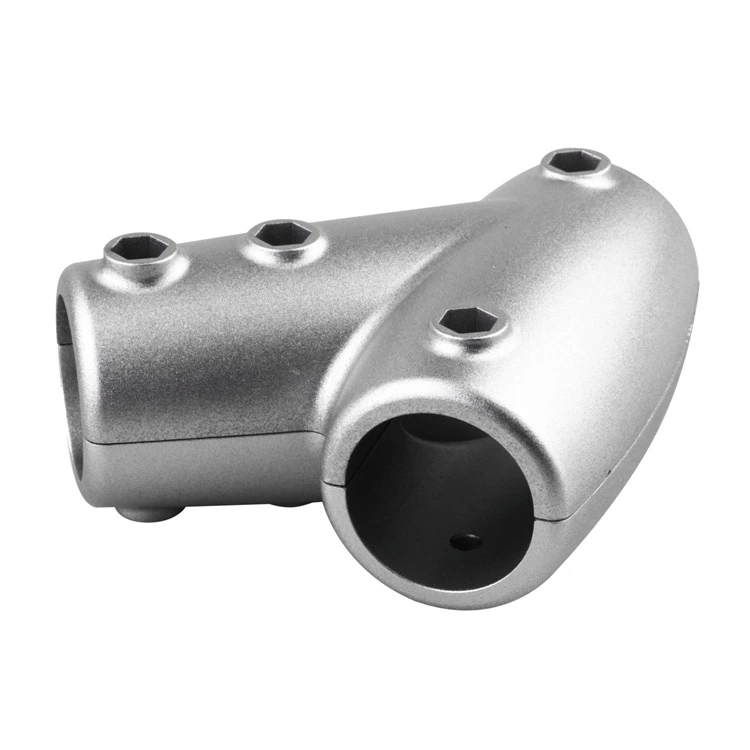
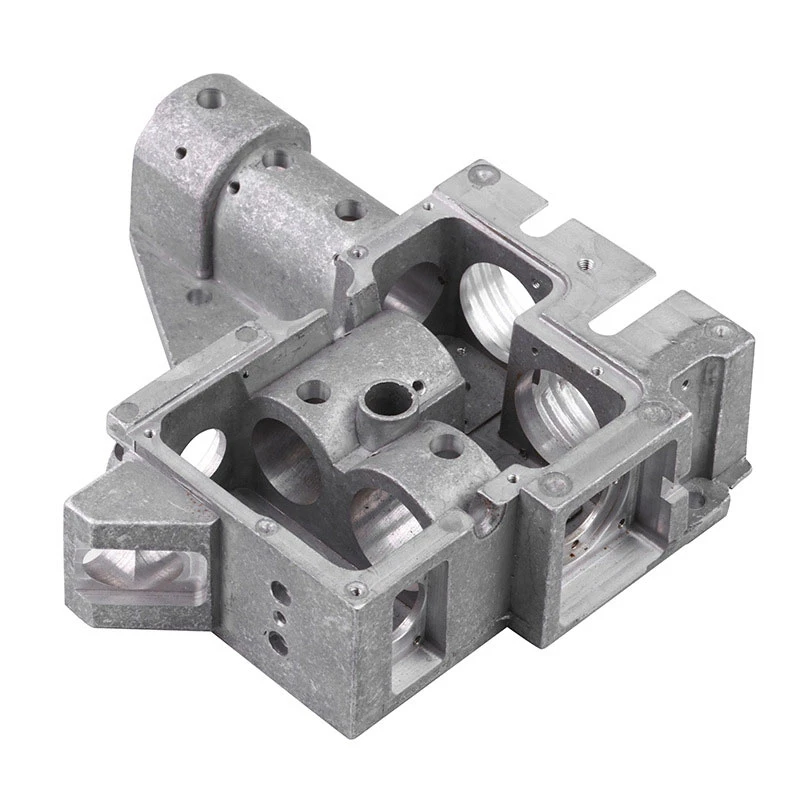
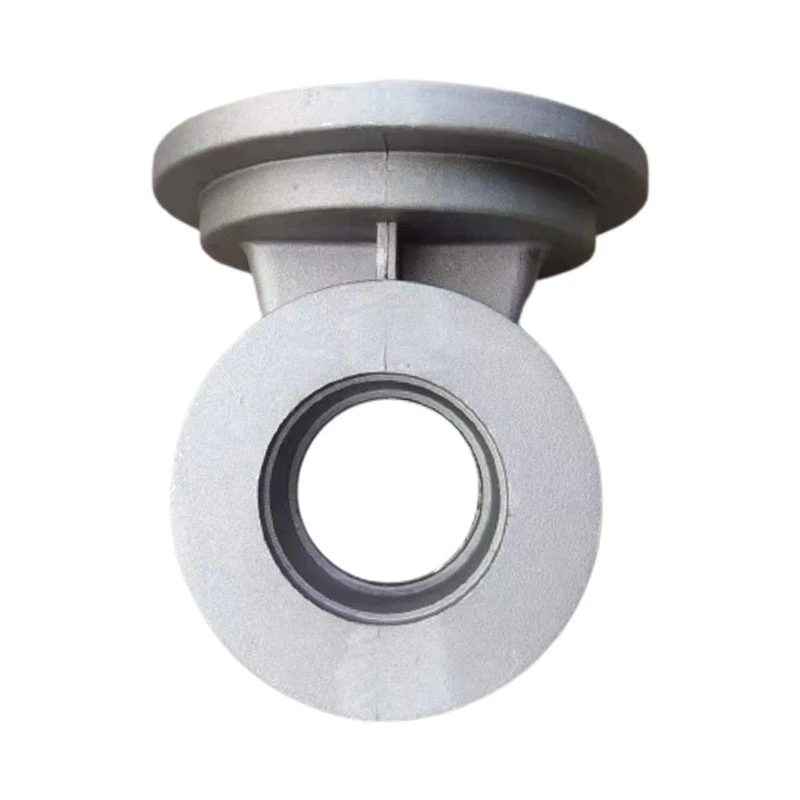
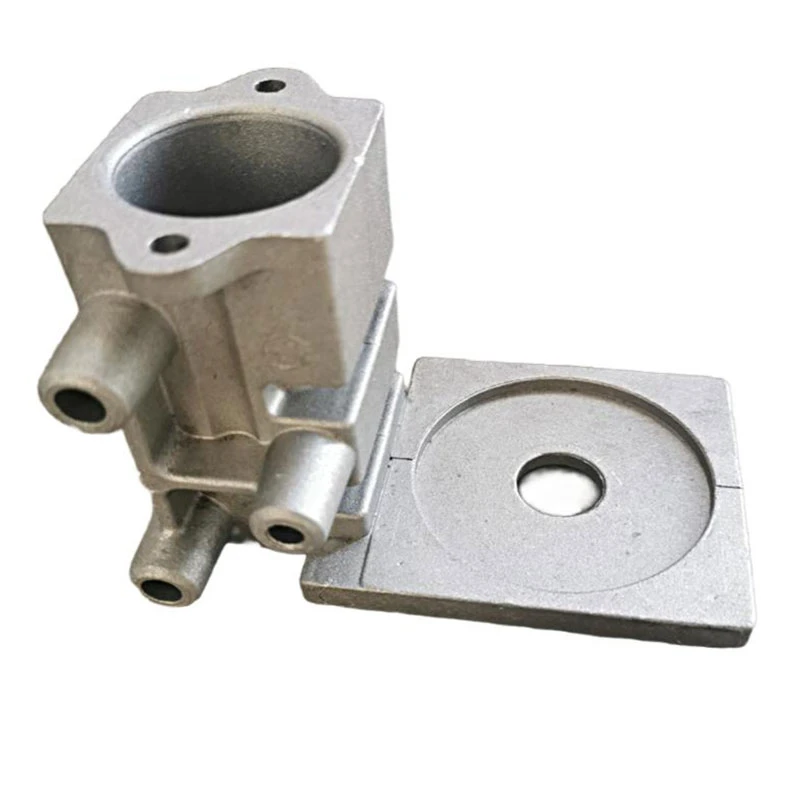
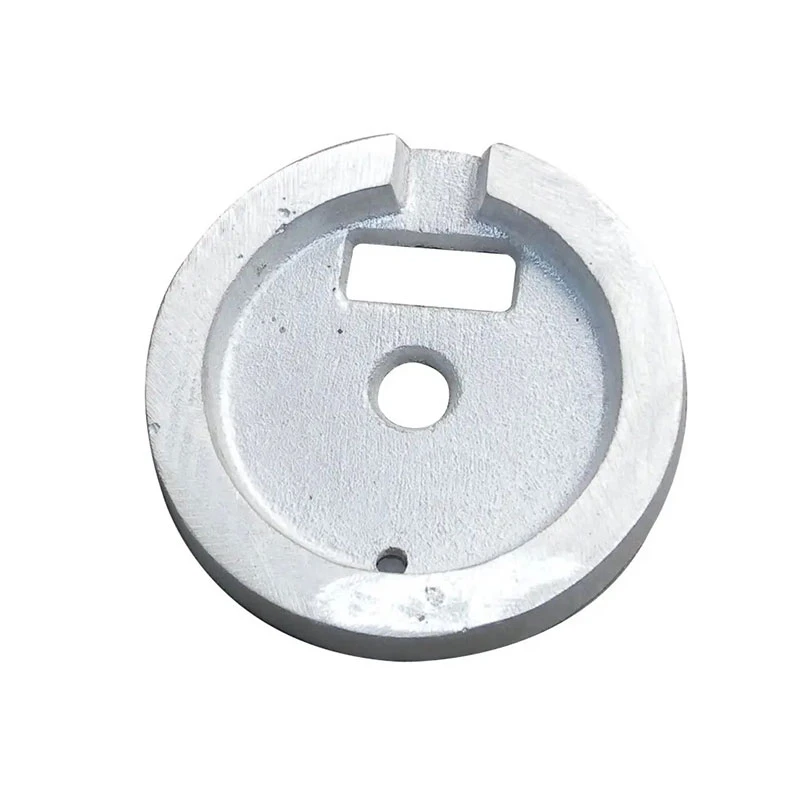
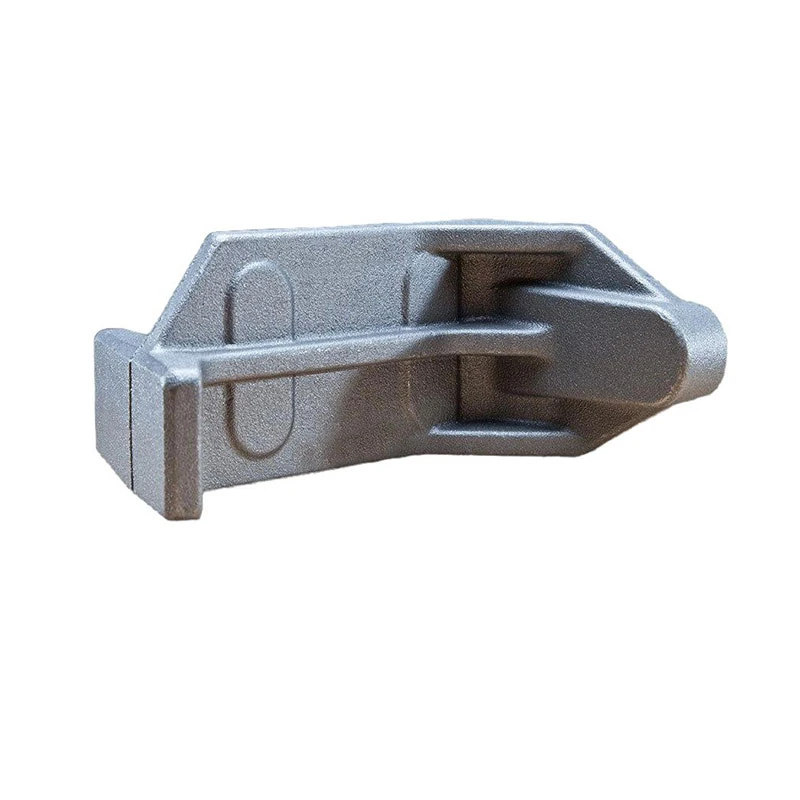
At its core, a Die Cast Part refers to components produced through the die casting process — molten metal is forced into a mold cavity under high pressure. It's a manufacturing method cherished for precision, repeatability, and scalability. For industries where tolerances and strength matter, die cast parts are a trusty go-to. The metals often range from zinc and aluminum to magnesium, each lending its own performance traits.
- A typical die cast part features tight dimensional accuracy, often within ±0.1 mm, which is critical for assembly in automotive or electronics applications.
- One recent case study from a client using Hairun's aluminum die cast parts showed a 20% increase in component lifespan in engine housings due to improved heat dissipation.
| Specification | Details |
|---|---|
| Material Options | Aluminum, Zinc, Magnesium alloys |
| Dimensional Tolerance | ±0.1 mm |
| Surface Finish | Standard to custom anodizing & painting |
| Maximum Part Size | Up to 400 x 300 x 100 mm |
Benefits & Use Cases of Die Cast Part
The charm of die cast parts really comes out when you consider industry-specific needs. For instance, automakers prize the strength-to-weight ratio of aluminum die cast parts, which allow them to meet stricter emission standards without sacrificing performance. Aerospace components similarly benefit from die casting’s ability to shape complex geometry while keeping parts lightweight.
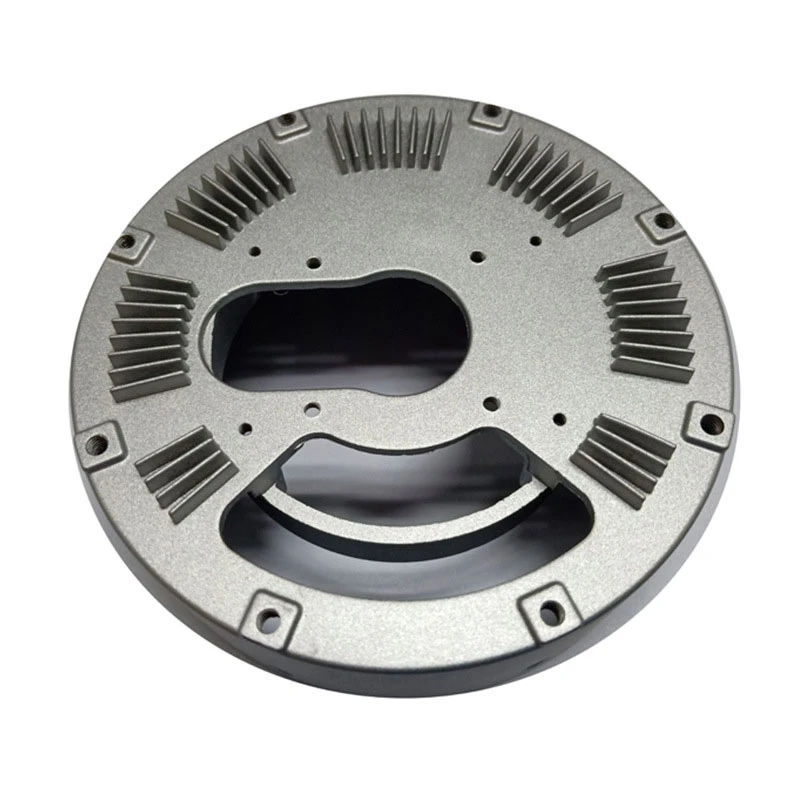
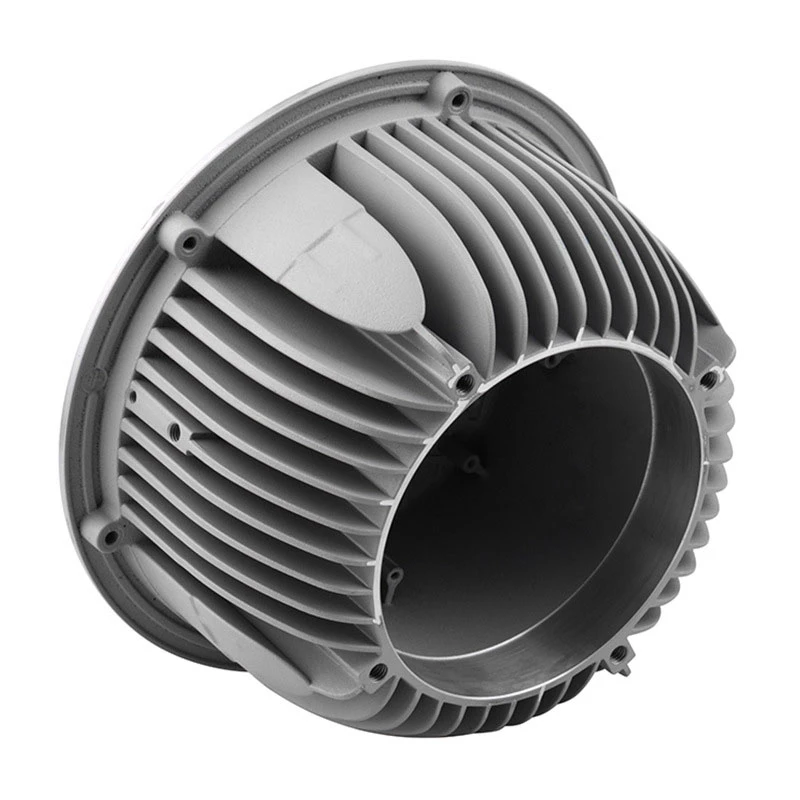
- Electronics manufacturers use die cast parts for heat sinks and housings due to excellent thermal conductivity.
- Die cast parts offer excellent corrosion resistance — especially when coated, they last long in harsh outdoor or marine environments.
Competitive advantages include not only precision but also scalability. For large-volume production, die casting cuts per-unit cost dramatically compared to machining metal from blocks. Plus, hairun's ability to tailor surface textures and finishes makes their die cast parts versatile for visible, functional, and structural roles — a real multi-tool in the manufacturing toolbox.
Cost, Maintenance & User Experience
If you’re thinking purely about cost, die cast parts might feel like a bigger upfront investment compared to stamped or fabricated alternatives — but the story changes when looking at total cost of ownership. The durability and reduced failure rate often mean fewer replacements and repairs, which many engineers tell me is where the real savings sneak in.
- Users report easier assembly due to consistent part quality, reducing line stoppages.
- Maintenance overhead drops as die cast surfaces withstand wear and corrosion better than cast iron or plastics.
In real terms, companies using Hairun's die cast parts have seen an ROI improvement over 18 months, partly thanks to reduced scrap and rework. It’s a bit like buying a reliable tool: it demands you pay up front but saves hassle and money down the road.
Sustainability & Market Trends
Sustainability is no longer a buzzword but a mandate—especially in manufacturing. Die cast parts score points here as well, thanks to their recyclability. Aluminum and zinc alloys can be recycled repeatedly without significant degradation of properties, which cuts down on waste and raw material consumption.
- Newer regulations encourage reduced emissions in automotive and aerospace, pushing die casting to the forefront.
- Advanced molding technologies now reduce scrap rates in production to minimal levels, boosting overall sustainability.
Industry growth aligns with digital automation and quality monitoring, enabling suppliers like Hairun to adapt swiftly—and frankly, when trends favor the environment and efficiency, it’s a win-win for decision makers.
| Vendor | Material Expertise | Lead Time | Custom Finish Options | Sustainability Focus |
|---|---|---|---|---|
| Hairun Sourcing | Aluminum, Zinc, Magnesium | 4-6 weeks | Anodizing, Painting, Polishing | High - Recycling & Eco Practices |
| Vendor B | Zinc, Steel | 6-8 weeks | Painting Only | Medium |
| Vendor C | Aluminum Only | 5-7 weeks | Polishing & Painting | Medium-High |
Frequently Asked Questions about Die Cast Part
- What is Die Cast Part and how does it work?
- A die cast part is a piece made by injecting molten metal into a steel mold under high pressure. This creates highly precise and consistent components ideal for everything from automotive parts to electronics housings.
- What are the main benefits of using Die Cast Part in industrial applications?
- Durability, excellent dimensional accuracy, and cost-effectiveness in large volumes are key benefits. Plus, their capability to handle complex designs makes them very versatile in assembly lines.
- How does Die Cast Part compare to traditional alternatives?
- Compared to fabricated or machined parts, die cast parts are generally lighter, more precise, and produced faster at scale, while offering superior mechanical properties depending on alloy choice.
- What industries can benefit most from Die Cast Part implementation?
- Automotive, aerospace, consumer electronics, and telecommunication sectors rely heavily on die casting for durable, complex components. Many success stories highlight reduced weight and improved thermal performance in these fields.
Conclusion on Die Cast Part from china
Simply put, die cast parts are foundational for companies wanting high-quality, durable, and efficient production components. China-based suppliers like Hairun Sourcing deliver not only competitive pricing but also reassuring quality and sustainability credentials. For B2B decision makers seeking that sweet spot between performance and cost, die cast parts are definitely worth a closer look.
- Recap the value of Die Cast Part as strong, precise, and scalable.
- - Visit our website: https://www.hairunsourcing.com
A quick personal takeaway? In the evolving manufacturing landscape, choosing your components wisely — and sustainably — pays off far beyond initial costs. Hairun's offering sits right at that intersection, and that’s experience talking.
References:
1. International Die Casting Association, “Die Casting Benefits and Applications,” 2023.
2. Client Case Study, Hairun Sourcing, 2023.
3. Market Trends Report, Metal Casting Industry, 2024.
-
Comprehensive Guide to Automotive Die Casting for Enhanced Vehicle PerformanceNewsJan.27,2026
-
Comprehensive Guide to Aluminum Pressure Die Casting Manufacturing ProcessesNewsJan.27,2026
-
Hot Chamber Die Casting vs Cold Chamber Die Casting ExplainedNewsJan.06,2026
-
Hot Chamber And Cold Chamber Die Casting Solutions for Industrial Applications | Hairun SourcingNewsJan.06,2026
-
Hot and Cold Chamber Die Casting: Key Insights from Industry ExpertsNewsJan.06,2026
-
Comprehensive Guide on Graphite Die Casting for B2B Manufacturing | HairunSourcingNewsJan.05,2026