


Comprehensive Guide to High Pressure Aluminum Die Casting China Solutions
High Pressure Aluminum Die Casting China: A Comprehensive Guide
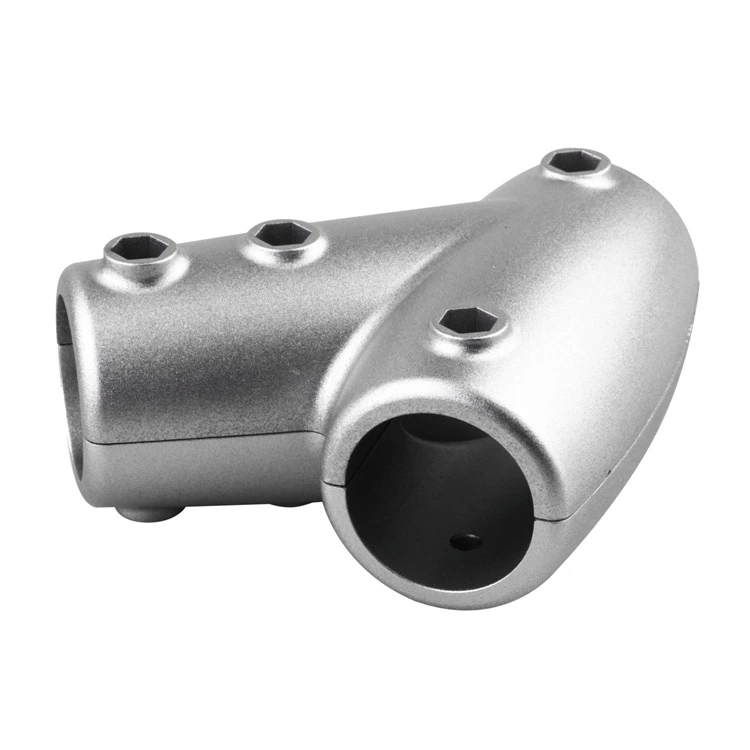
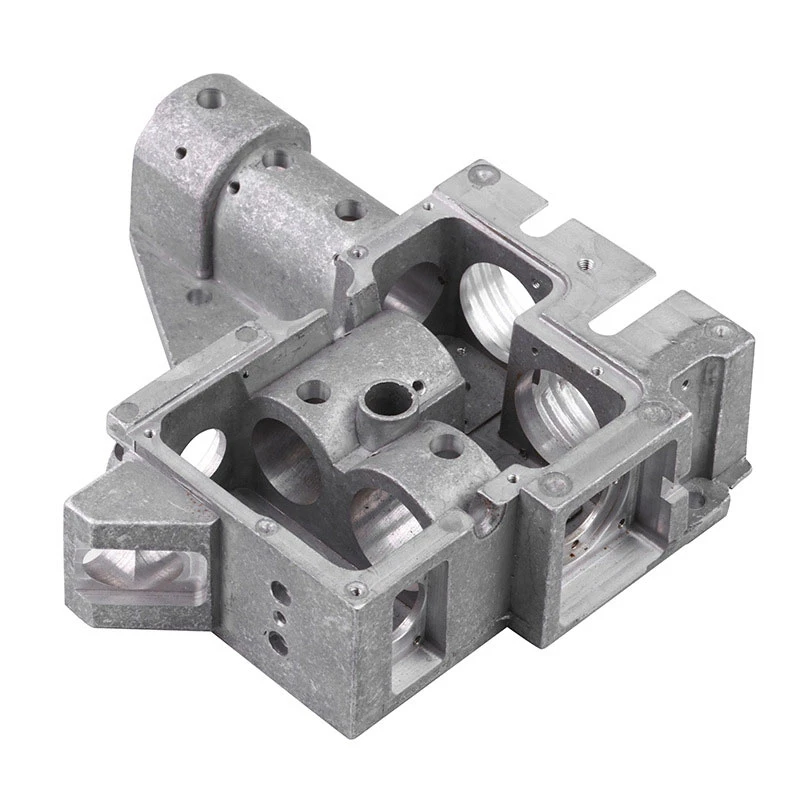
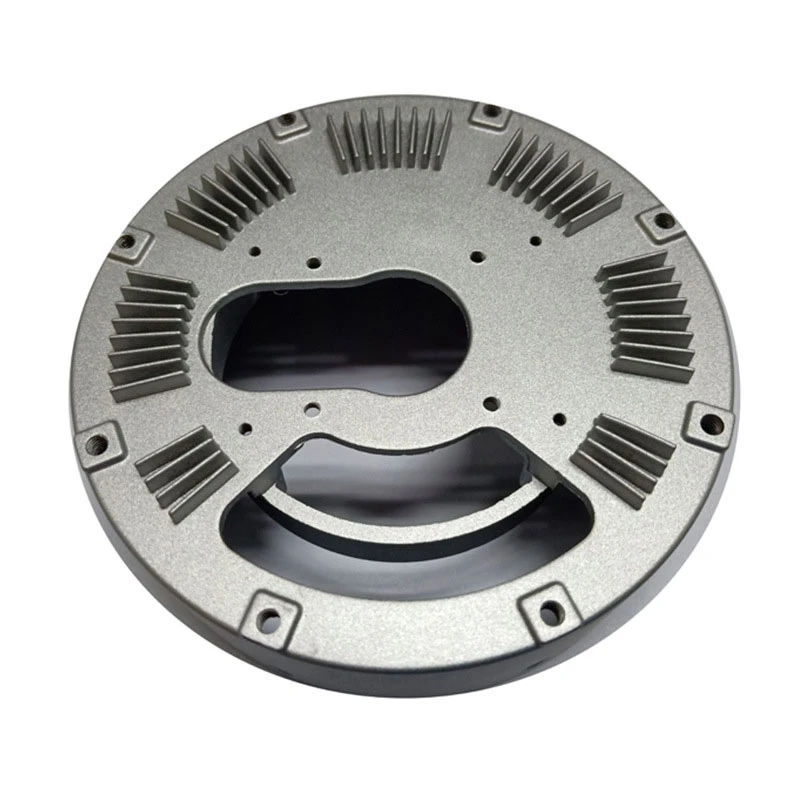
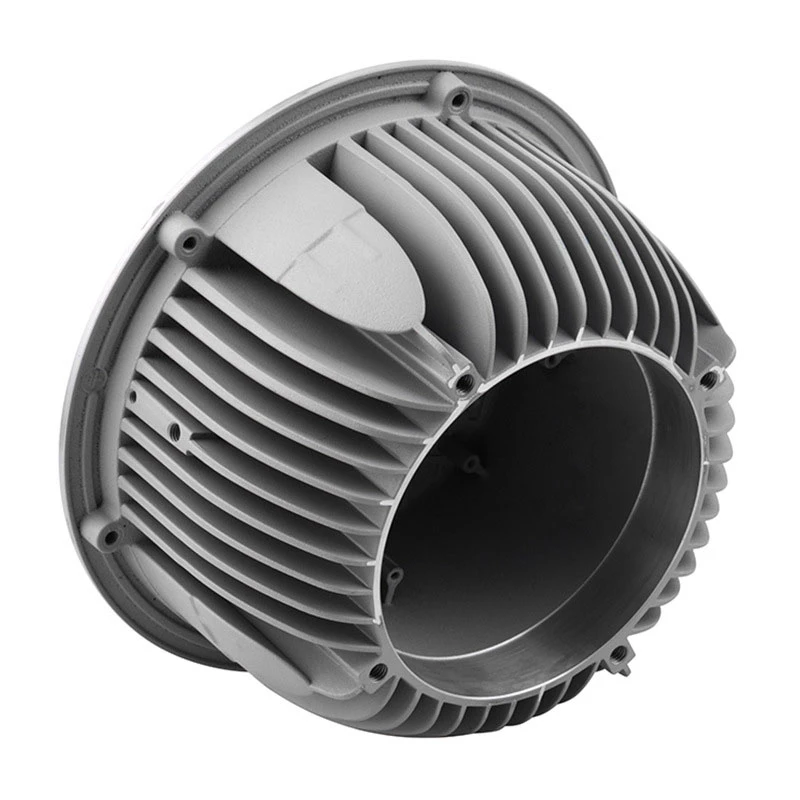
Looking for reliable and cost-effective high pressure aluminum die casting solutions? China has become a global hub for this manufacturing process, offering both expertise and competitive pricing. This article delves into the world of high pressure aluminum die casting in China, covering its benefits, processes, materials, quality control, and considerations for sourcing. We'll explore why choosing the right partner is crucial for success.
Understanding High Pressure Aluminum Die Casting
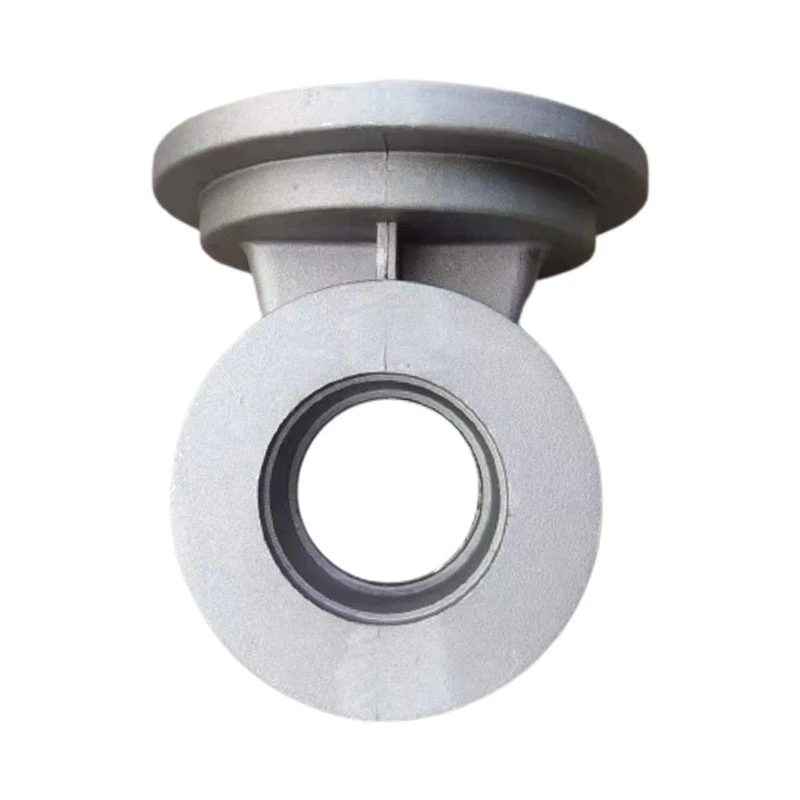
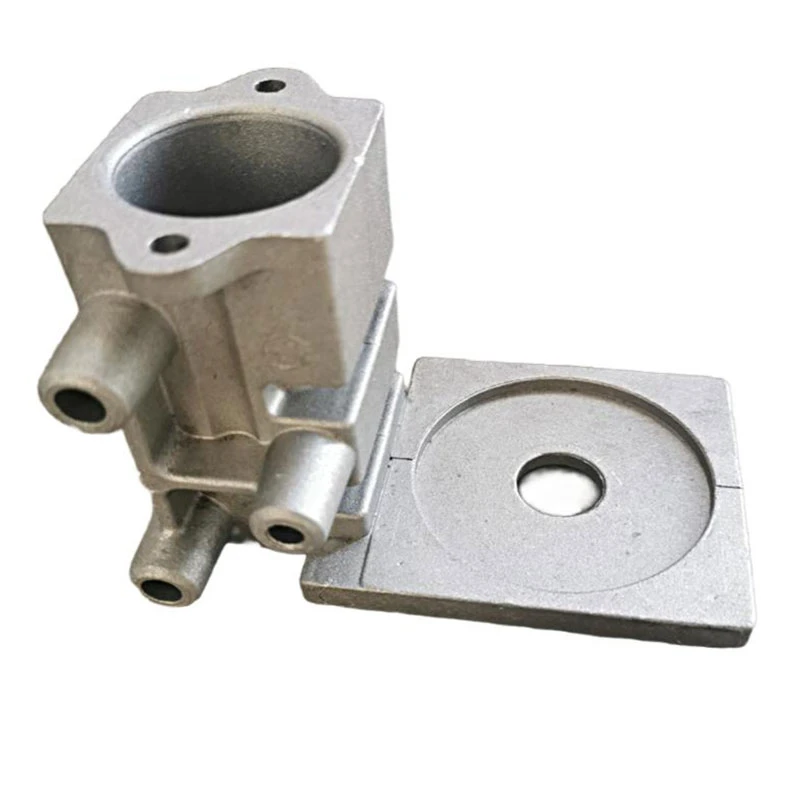
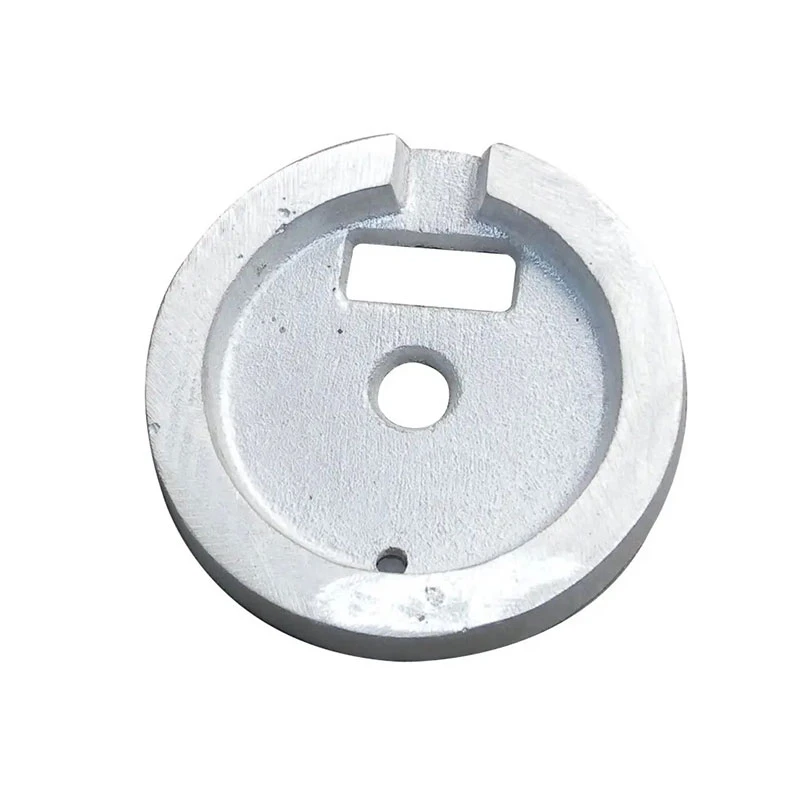
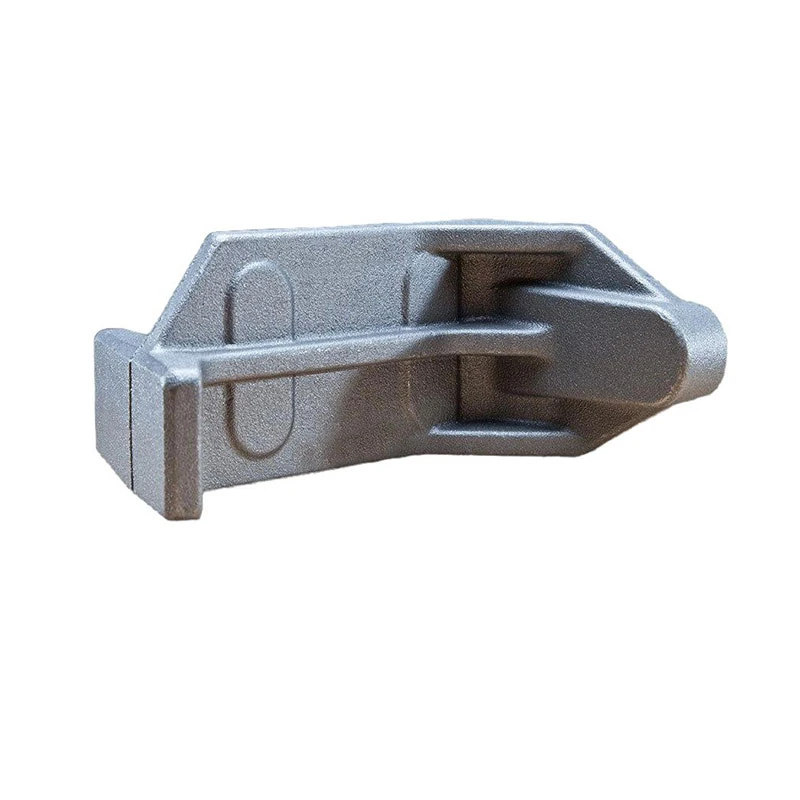
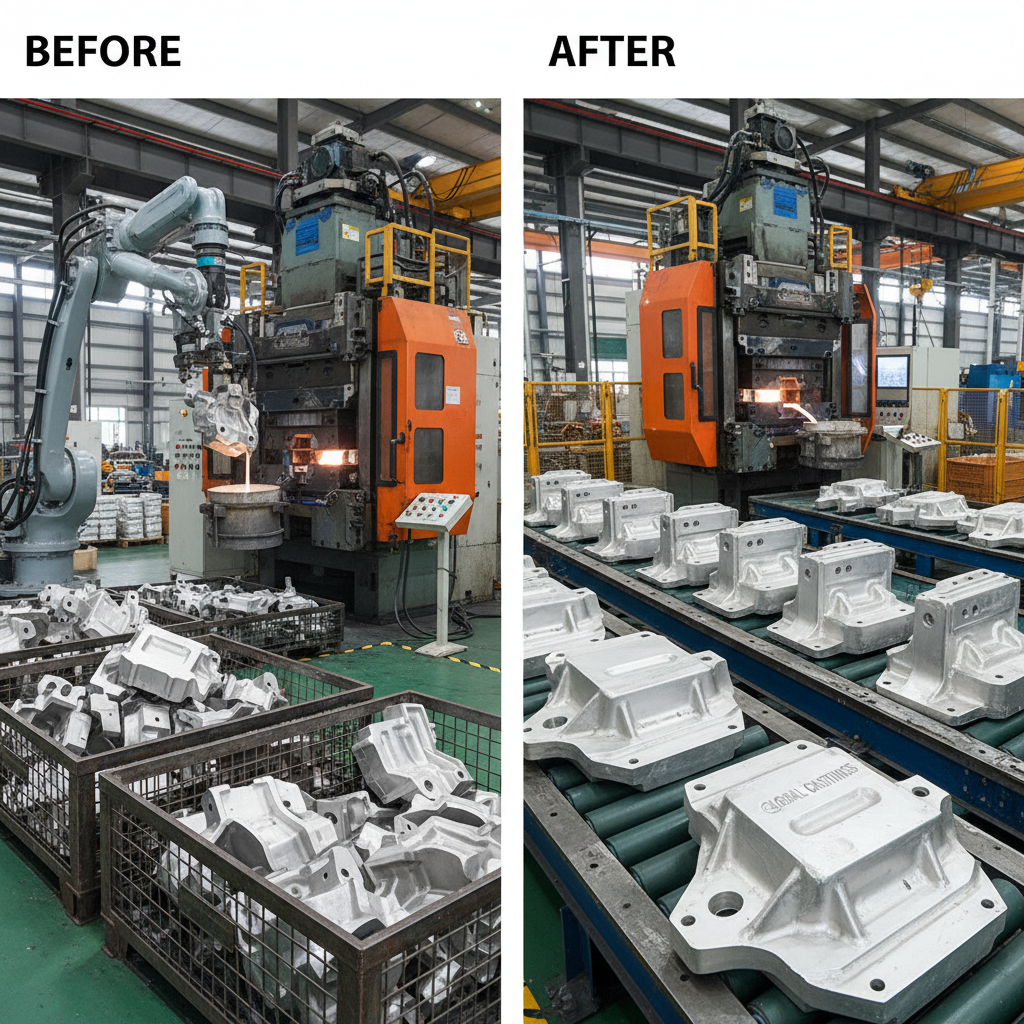
High pressure aluminum die casting is a metal casting process where molten aluminum is forced into a mold cavity under extremely high pressure. This process is ideal for producing geometrically complex parts with tight tolerances and a smooth surface finish. It's widely used in industries like automotive, aerospace, electronics, and medical devices. The key advantage lies in its ability to efficiently produce large volumes of parts with consistent quality. The process creates durable, lightweight parts – often replacing heavier materials like steel – enhancing product performance and reducing overall costs.
Key Benefits: High-volume production, excellent dimensional accuracy, smooth surface finish, lightweight parts, good strength-to-weight ratio.
Why Choose China for High Pressure Aluminum Die Casting?
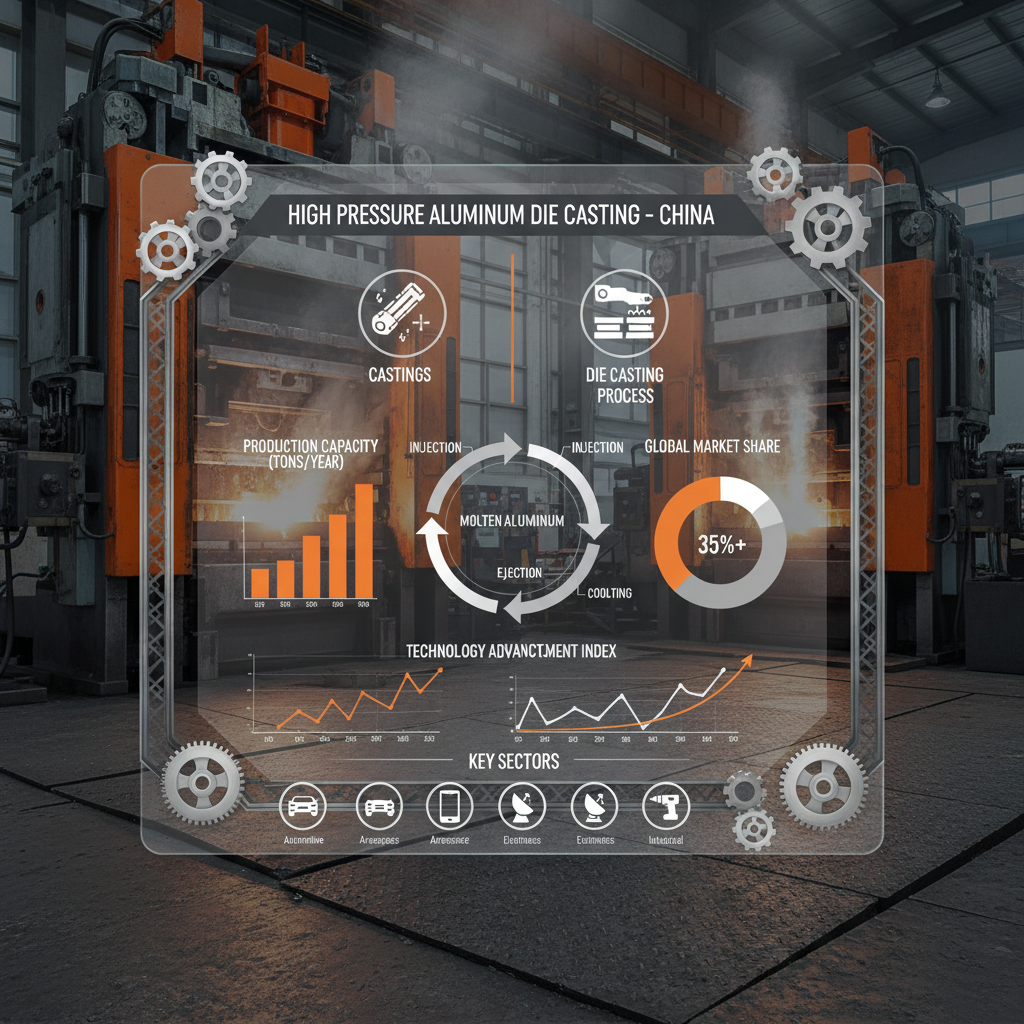
China has emerged as the leading destination for high pressure aluminum die casting due to several factors. The country boasts a mature manufacturing infrastructure, a skilled workforce, and a well-developed supply chain. Furthermore, labor costs are relatively lower compared to Western countries, translating into significant cost savings for businesses. However, simply choosing a supplier based on price isn't enough. It’s critical to find a reputable partner with robust quality control systems and a commitment to meeting international standards. Hairun Sourcing offers a comprehensive solution for sourcing high-quality die casting components from China.
Benefits of Sourcing from China:
• Lower Manufacturing Costs
• Mature Manufacturing Infrastructure
• Skilled Workforce
• Established Supply Chain
Materials Used in High Pressure Aluminum Die Casting
While aluminum is the most common material for this process, various alloys are used to achieve specific properties. Common aluminum alloys used in high pressure aluminum die casting include A380, ADC12, and A360. Each alloy offers unique characteristics in terms of strength, corrosion resistance, and ductility. The choice of alloy depends on the specific application requirements. A380, for example, is known for its good mechanical properties and castability. ADC12 provides excellent corrosion resistance, and A360 offers superior ductility.
Quality Control for High Pressure Aluminum Die Casting in China
Maintaining strict quality control is paramount when sourcing high pressure aluminum die casting from China. This includes verifying the supplier’s certifications (ISO 9001 is a common standard), conducting thorough inspections at various stages of production, and utilizing advanced testing methods such as X-ray inspection, dimensional analysis, and material testing. A reputable supplier will be transparent about their quality control processes and willing to provide documentation and reports. Hairun Sourcing implements rigorous quality checks throughout the entire process, ensuring consistent product quality.
Considerations When Sourcing from China
Sourcing high pressure aluminum die casting from China requires careful planning. Communication is key – ensure clear and consistent communication with your supplier. Address potential challenges such as language barriers, cultural differences, and logistical complexities. Develop a detailed contract outlining specifications, quality standards, delivery schedules, and payment terms. Consider using a sourcing agent like Hairun Sourcing to navigate these complexities and ensure a smooth and successful sourcing experience.
Conclusion
China offers significant advantages for high pressure aluminum die casting, but successful sourcing requires careful planning, diligent quality control, and a reliable partner. By selecting the right supplier and implementing robust processes, you can leverage the cost-effectiveness and manufacturing capabilities of China to achieve your business goals.
Frequently Asked Questions (FAQs)
What are the typical lead times for high pressure aluminum die casting in China?
Lead times for high pressure aluminum die casting can vary depending on the complexity of the part, the quantity ordered, and the supplier’s current workload. Generally, expect a lead time of 4-8 weeks for new tooling and 2-4 weeks for production runs after tooling is complete. It’s crucial to discuss lead times upfront with your supplier and factor them into your project timeline. Factors like alloy availability and mold complexity can also affect delivery schedules.
What is the minimum order quantity (MOQ) for die casting in China?
The minimum order quantity (MOQ) for high pressure aluminum die casting in China varies widely depending on the supplier and the size of the part. Generally, MOQs range from 500 to 1000 pieces per cavity. Smaller quantities may be possible, but they will typically come with higher unit costs due to tooling amortization. Discuss your quantity requirements with potential suppliers to find a solution that fits your budget and needs.
What are the typical costs associated with die casting tooling?
Die casting tooling costs can vary significantly depending on the part’s complexity, size, and material. Generally, tooling costs range from $2,000 to $20,000 or more. Factors influencing cost include the number of cavities, the type of steel used, and the required precision. Obtain detailed quotes from multiple suppliers before making a decision, and carefully review the tooling specifications to ensure they meet your requirements.
How can I protect my intellectual property when working with a Chinese supplier?
Protecting your intellectual property (IP) is a valid concern when working with a Chinese supplier. Implement a Non-Disclosure Agreement (NDA) and a robust contract that clearly defines ownership of the tooling and design. Consider registering your design as a patent in China. Work with a reputable sourcing agent like Hairun Sourcing, who can provide guidance and support in protecting your IP.
-
Guide to Anodizing Die Cast Aluminum for Industrial ExcellenceNewsApr.16,2026
-
High Quality Precision Aluminum Die Casting Components GuideNewsApr.09,2026
-
Comprehensive Guide to High Quality Aluminium Pressure Die Casting ProductsNewsApr.07,2026
-
Comprehensive Guide to Aluminium Pressure Die Casting Components and SolutionsNewsApr.04,2026
-
Comprehensive Guide to Aluminium HPDC Casting for Global SourcingNewsMar.31,2026
-
Comprehensive Guide to Precision Aluminium Die Castings and Manufacturing SolutionsNewsMar.28,2026