


Casting Lead in Sand — Precision, Clean Pour, Fast Delivery
Casting Lead In Sand is a key solution in the manufacturing industry, specifically within Fabricated metal products and Casting manufacturing. This article explores how Baoding Hairun Machinery And Equipment Trading Co., Ltd. supports professionals with durable, high-performance products, and explains why this product is an ideal choice for businesses in these sectors.
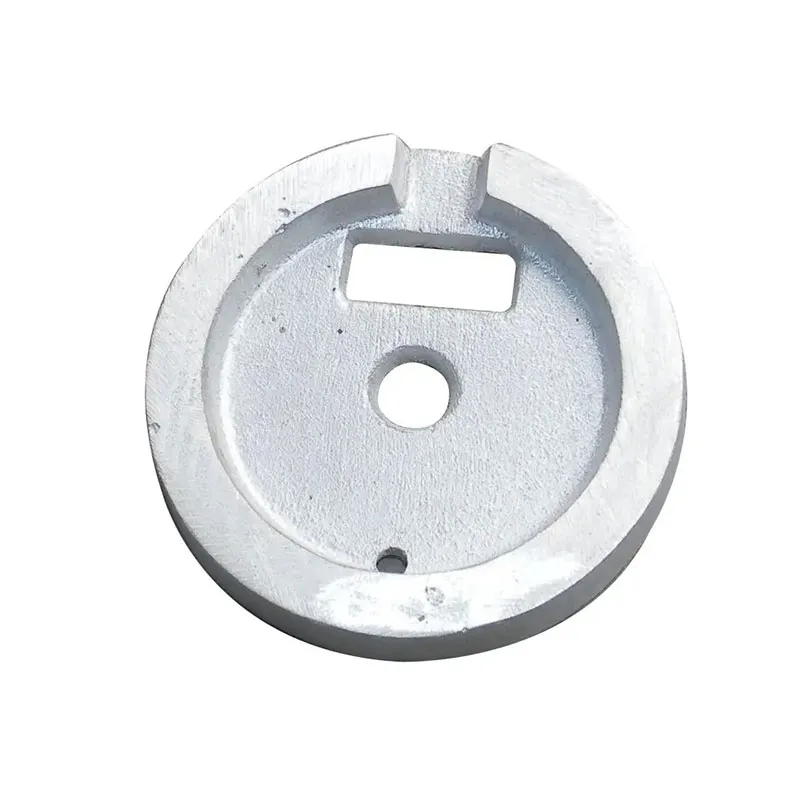
Table of Contents
- Casting Lead In Sand Overview
- Benefits & Use Cases of Casting Lead In Sand in Casting manufacturing
- Cost, Maintenance & User Experience
- Sustainability & Market Trends in manufacturing
- Conclusion on Casting Lead In Sand from Baoding Hairun Machinery And Equipment Trading Co., Ltd.
Casting Lead In Sand Overview
Casting Lead In Sand refers to producing lead-based components using sand molds—an adaptable, cost-effective approach for short-to-medium production runs. Lead’s low melting point (~327°C) and high density (≈11.34 g/cm³) make it ideal for applications that demand mass, shielding, or vibration damping. Traditional green sand, dry sand casting, and CO2 sand casting (sodium silicate-bonded molds) are commonly selected based on dimensional tolerance, surface finish, and core complexity requirements. For parts like counterweights, brackets, and shielding blocks, controlling gating, risers, and venting is essential to mitigate porosity and achieve uniform density.
Baoding Hairun Machinery And Equipment Trading Co., Ltd. leverages proven sand molding practices across alloys—lead, copper sand casting, and ductile iron sand casting—to deliver robust, repeatable outcomes. Typical specifications B2B teams expect include consistent hardness, dimensional tolerances aligned with ISO casting grades, and machinability that supports secondary operations. From pattern development to post-cast machining and surface protection, Hairun aligns process selection (green sand vs. dry sand casting vs. CO2 cores) to the part’s geometry, risk profile, and cost targets.
Benefits & Use Cases of Casting Lead In Sand in Casting manufacturing
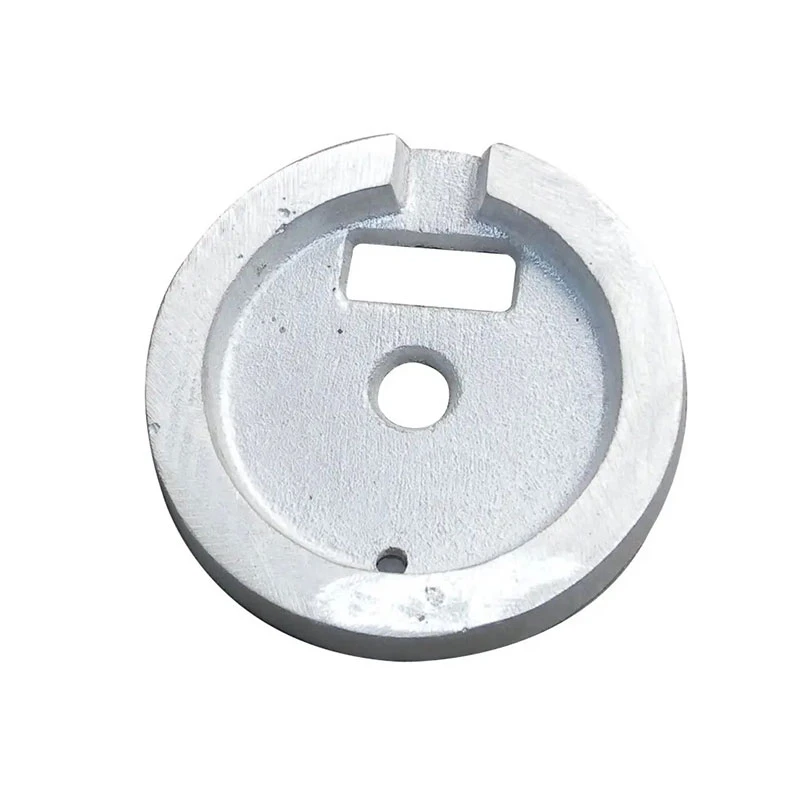
In casting manufacturing, lead sand castings excel where density and attenuation matter. Common use cases include radiation shielding modules, precision counterweights for lifting equipment, rotary balancing components, ballast for marine systems, and vibration-damping inserts in industrial machinery. Sand casting enables flexible wall thickness, integrated features (bosses, ribs), and optimized gating for reliable fill at the material’s low pouring temperatures. When parts require multi-alloy validation, Hairun supports parallel routes such as copper sand casting for conductivity and ductile iron sand casting for structural performance.
Competitive advantages for B2B buyers include short tooling lead times, rapid iteration on pattern changes, and the ability to scale from prototypes to stable batch production. CO2 sand casting with inorganic binders enables stronger cores and sharper detail without extended bake times, while dry sand casting improves surface finish for critical sealing surfaces. Baoding Hairun Machinery And Equipment Trading Co., Ltd. brings end-to-end coordination—tooling, molding, melt control, shakeout, inspection, and machining—so your team receives dimensionally consistent components that fit seamlessly into downstream assembly.
Cost, Maintenance & User Experience
Total cost of ownership for Casting Lead In Sand is favorable thanks to modest tooling investment, efficient mold turnaround, and excellent recyclability of both metal and sand. Businesses typically see ROI from minimized upfront tooling, competitive per-piece pricing at moderate volumes, and reduced scrap via process optimization. Proper pattern maintenance and periodic core-box inspection keep dimensional drift in check, while protective coatings or wraps help preserve soft lead surfaces during logistics and storage. Hairun advises on packaging solutions to prevent deformation and surface marks—critical for parts with machined fits.
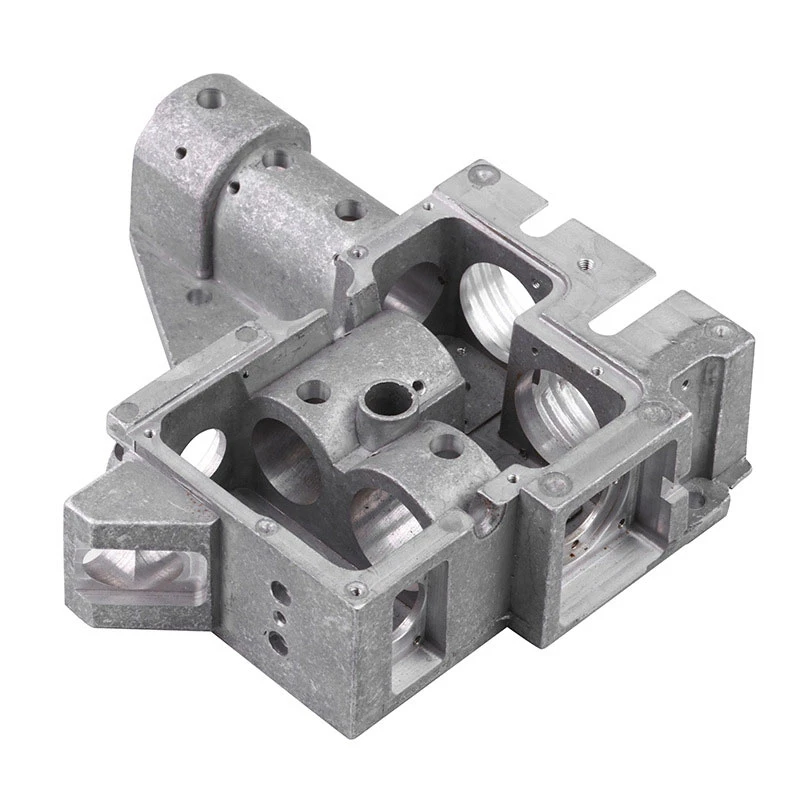
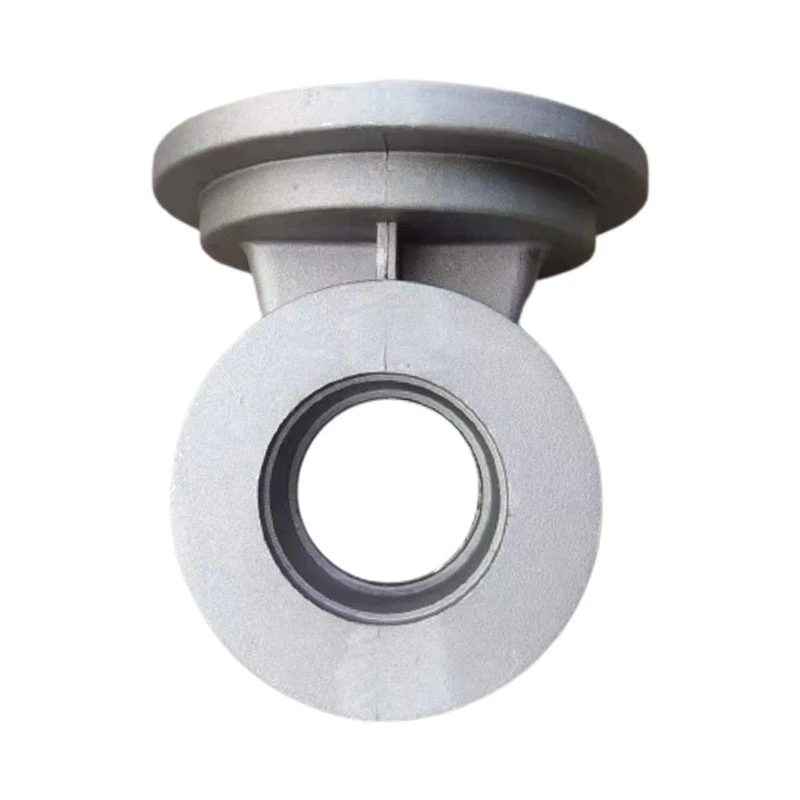
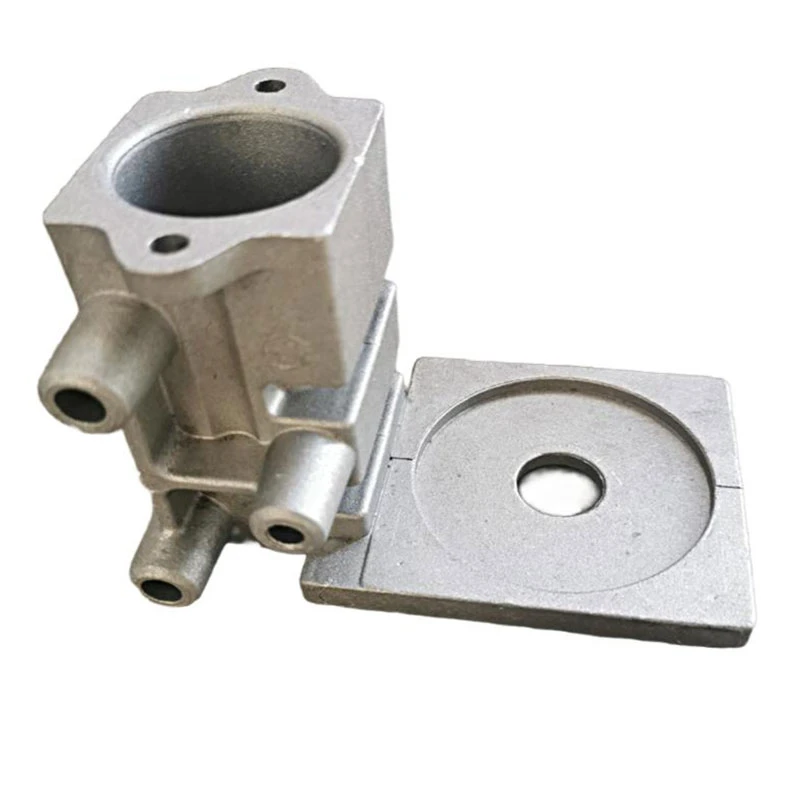
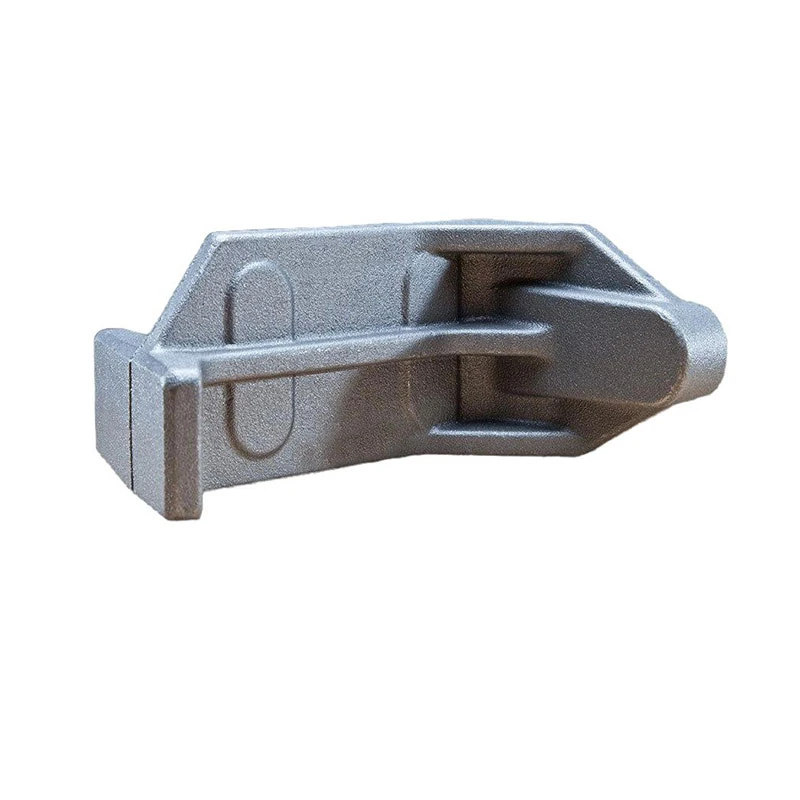
Feedback from fabricated metal products clients points to consistent density, low porosity, and clean machinability as primary satisfaction drivers. Many programs benefit from early DFM reviews to right-size wall thickness, fillets, and draft, minimizing post-cast machining time. Whether the requirement is a bracket base like the one shown on the product page or a custom shielding block, Baoding Hairun Machinery And Equipment Trading Co., Ltd. combines stable process windows with practical QC steps (dimensional checks, surface criteria, and material certification upon request) to support predictable schedules and costs.
Sustainability & Market Trends in manufacturing
Sustainability in casting is increasingly shaped by emissions control, sand reclamation, and responsible material selection. For lead components, compliant handling, fume capture, and waste stewardship are essential. The market also favors closed-loop sand systems, reduced binder content, and recovery of metallic scrap. CO2 sand casting and lower-VOC binder systems help minimize environmental impact, while dry sand casting curtails energy use by reducing bake cycles. Regulatory frameworks continue to tighten, incentivizing suppliers to prioritize traceability and safe operations across the value chain.
Baoding Hairun Machinery And Equipment Trading Co., Ltd. positions customers ahead of these trends by aligning process routes with environmental goals—optimizing pour temperatures, improving yield, and supporting alloy alternatives when required. For projects where copper sand casting or ductile iron sand casting may better fit lifecycle or compliance targets, Hairun consults on trade-offs in performance, cost, and sustainability. Digital tools such as casting simulation and rapid tooling accelerate validation, reduce rework, and help enterprises meet ESG expectations without sacrificing delivery reliability.
Conclusion on Casting Lead In Sand from Baoding Hairun Machinery And Equipment Trading Co., Ltd.
Casting Lead In Sand remains a dependable, scalable pathway for dense, high-performance components in the fabricated metal products sector. With flexible process options—green sand, dry sand casting, and CO2 sand casting—Baoding Hairun Machinery And Equipment Trading Co., Ltd. delivers consistent quality across prototypes and production, while advising on alloy selection from lead to copper and ductile iron. Built on practical engineering and disciplined execution, Hairun is a reliable partner for your next casting program.
- Contact us: email: grace@hairunsourcing.com
- Visit our website: https://www.hairunsourcing.com
- View the product: OEM Sand Casting Bracket Base
-
Guide to Anodizing Die Cast Aluminum for Industrial ExcellenceNewsApr.16,2026
-
High Quality Precision Aluminum Die Casting Components GuideNewsApr.09,2026
-
Comprehensive Guide to High Quality Aluminium Pressure Die Casting ProductsNewsApr.07,2026
-
Comprehensive Guide to Aluminium Pressure Die Casting Components and SolutionsNewsApr.04,2026
-
Comprehensive Guide to Aluminium HPDC Casting for Global SourcingNewsMar.31,2026
-
Comprehensive Guide to Precision Aluminium Die Castings and Manufacturing SolutionsNewsMar.28,2026