


Zinc Alloy Die Casting: Expert Insights and Vendor Comparison
Understanding Zinc Alloy Die Casting: A Veteran’s Perspective
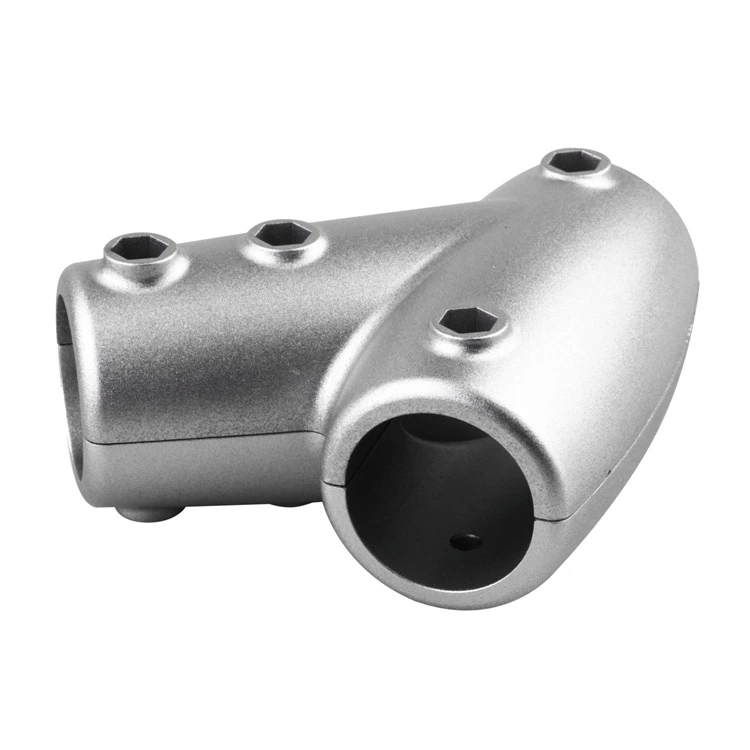
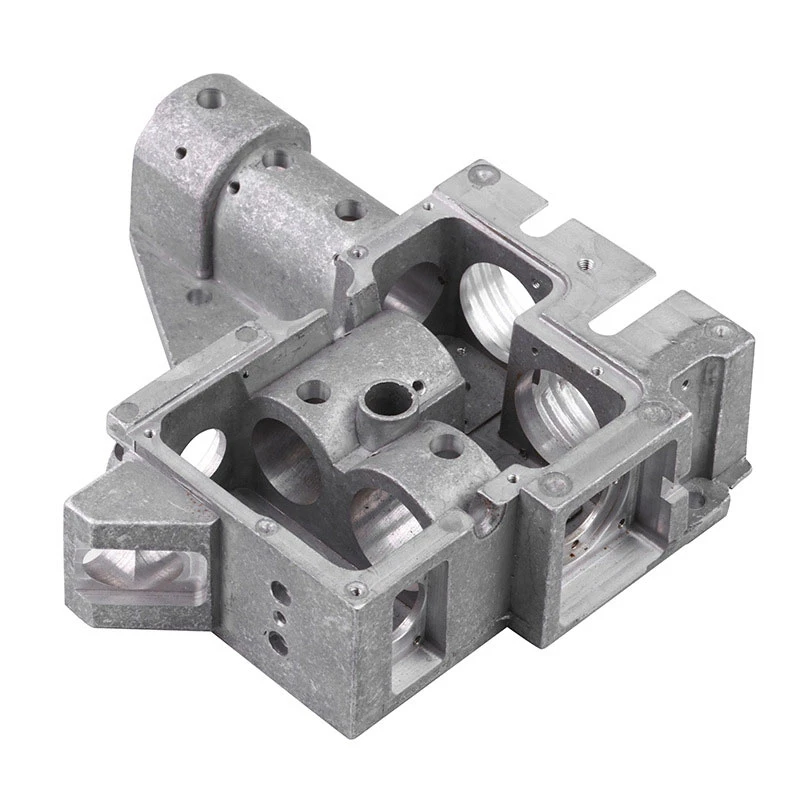
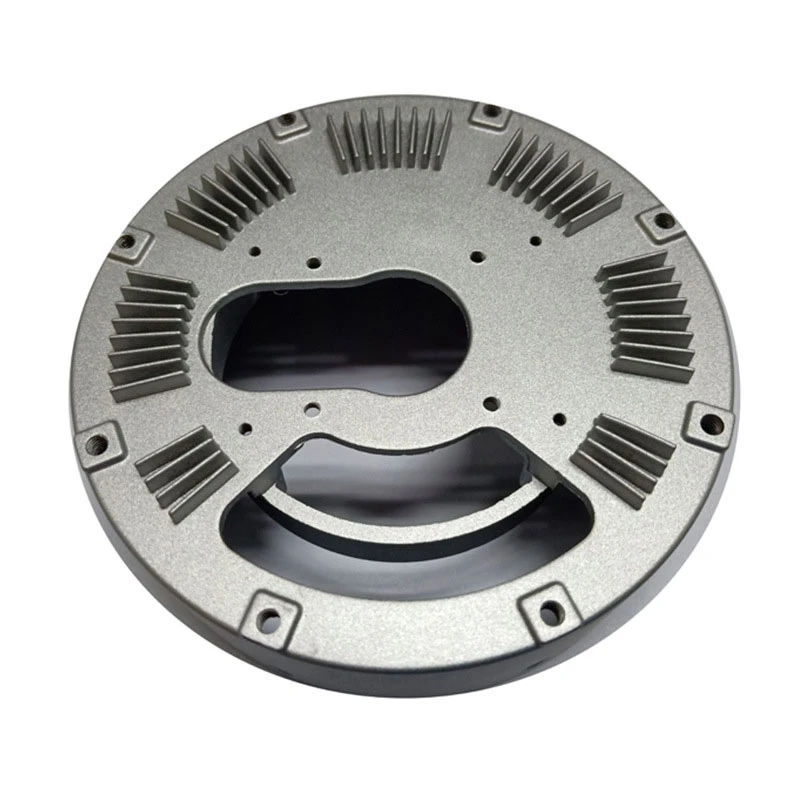
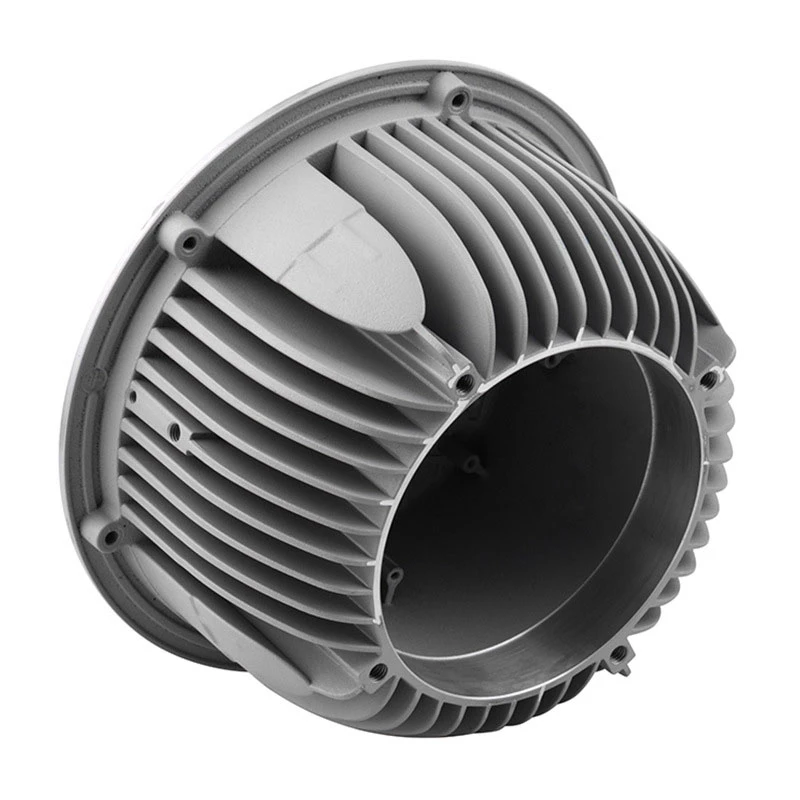
Having clocked a fair few years in the industrial equipment sector, I’ve seen the ebb and flow of various materials and manufacturing methods. Zinc alloy die casting is one of those processes that quietly powers a surprising number of applications, from automotive parts to electronic enclosures. While not always grabbing headlines like aluminum or steel, zinc alloy provides an interesting blend of versatility, cost-effectiveness, and performance.
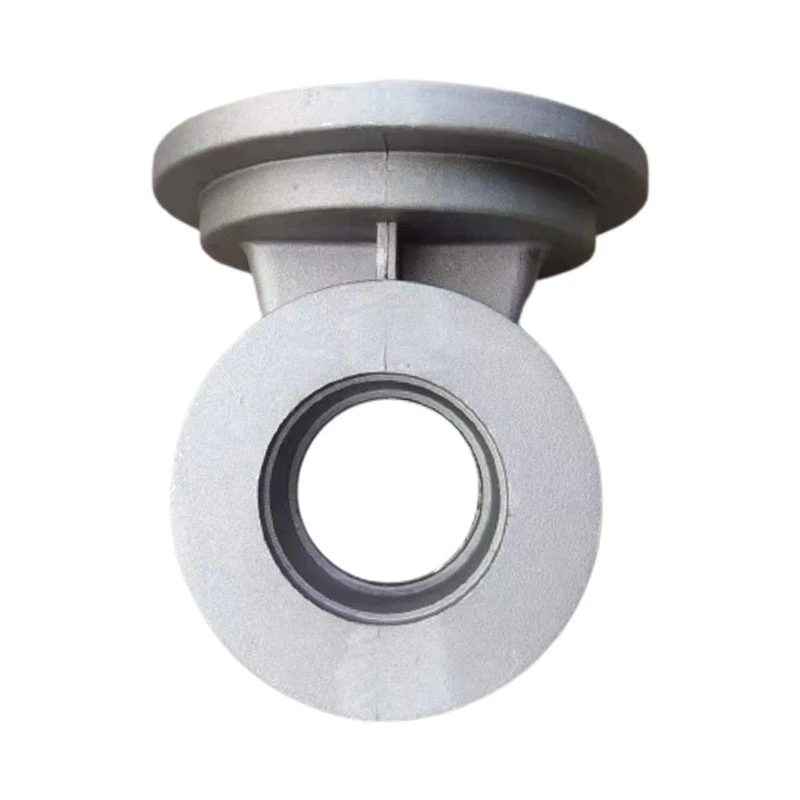
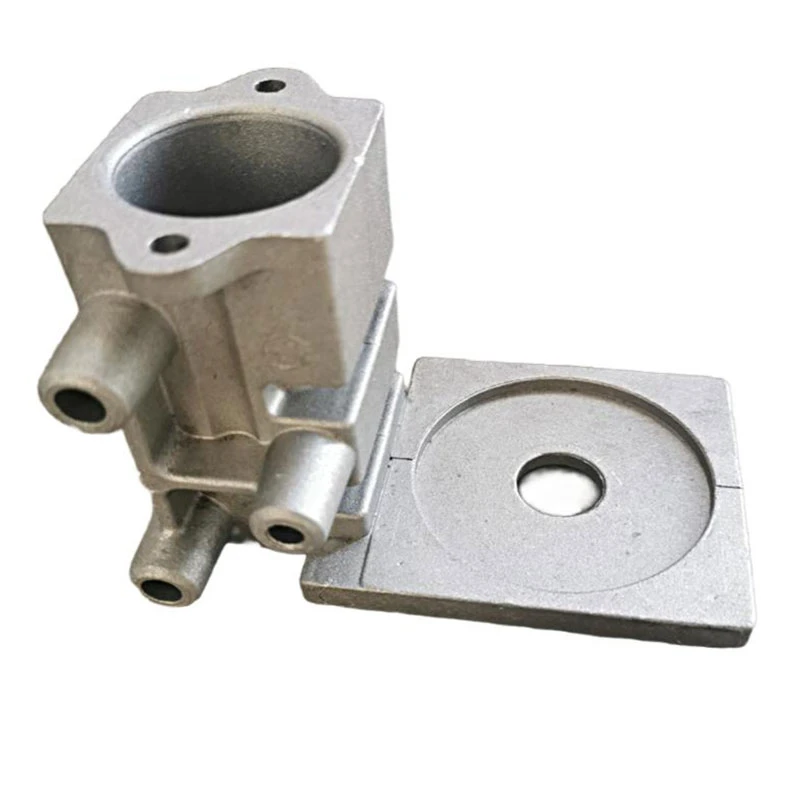
You might wonder, why zinc alloy die casting specifically? Well, zinc alloys melt at relatively low temperatures, making the process energy efficient. Also, zinc’s fluidity during casting allows intricate designs with thin walls, sharp corners, and excellent detail retention – something that frankly sets it apart for a lot of manufacturers I’ve worked alongside.
In real terms, this means engineers often get components with tight tolerances and robust mechanical properties without breaking the bank. Oddly enough, the speed of the zinc die casting process allows rapid production cycles, which is a boon when time-to-market matters.
| Property | Typical Values |
|---|---|
| Melting Point | 380 - 460 °C |
| Tensile Strength | 280 - 340 MPa |
| Elongation at Break | 1-3% |
| Density | 6.4 – 6.6 g/cm³ |
| Corrosion Resistance | Good, with suitable coatings |
| Typical Applications | Automotive, electronics, hardware, consumer goods |
One thing I really appreciate about zinc alloy die casting is its potential for customization. You can adjust alloy compositions – often containing aluminum, copper, and magnesium – to tweak strength or corrosion resistance. Many engineers I know love this flexibility since it helps tailor parts to specific environments without drastically altering the tooling process.
Speaking of tooling, although die casting demands precise molds (and it can be pricey upfront), zinc’s low energy requirements and rapid solidification offset some of those costs over the life cycle. Plus, tooling longevity is pretty decent – you can get many thousands of shots before major maintenance is needed.
A quick side story: at one facility I visited a couple of years ago, a production engineer told me how switching from a zinc alloy variant cut their reject rate by nearly 15%. The better flow and fill characteristics reduced porosity and surface defects – a reminder that material choice isn’t just academic, it directly impacts product quality and bottom line.
| Feature | Vendor A | Vendor B | Vendor C |
|---|---|---|---|
| Minimum Order Qty | 500 pcs | 200 pcs | 1000 pcs |
| Typical Lead Time | 4-6 weeks | 3-5 weeks | 6-8 weeks |
| Customization Options | High | Medium | Low |
| Quality Certifications | ISO 9001, IATF 16949 | ISO 9001 | None specified |
| Price Competitiveness | $$ | $ | $$$ |
For those diving into design or sourcing zinc alloy die cast parts, one reliable route I often recommend is to explore suppliers who provide end-to-end support—from design consultation to prototyping and volume production. It’s encouraging when a partner doesn’t just take your order but really understands the material’s nuances. That’s why I want to mention the zinc alloy die casting services offered by Hairun Sourcing. Their blend of technical expertise and manufacturing capacity really stood out in my discussions. Plus, they’re open to working on custom alloys to suit specific project demands.
Honestly, what I find most striking is how far zinc die casting has come — it’s no longer just about making cheap parts at scale. Nowadays, it’s about precision, durability, and smart design choices that balance performance with cost. If you think about it, that’s something anyone in manufacturing respects deeply.
At the end of the day, zinc alloy die casting remains a quietly reliable workhorse in a busy shop floor — a process I trust and often turn to when complexity meets cost constraints.
References:
1. ASM International, "Zinc Die Casting Alloys" Technical Data Sheets.
2. “Die Casting Design Handbook,” NADCA, 2020 Edition.
3. Personal communications with industry production engineers, 2021-2023.
-
Comprehensive Guide to Automotive Die Casting for Enhanced Vehicle PerformanceNewsJan.27,2026
-
Comprehensive Guide to Aluminum Pressure Die Casting Manufacturing ProcessesNewsJan.27,2026
-
Hot Chamber Die Casting vs Cold Chamber Die Casting ExplainedNewsJan.06,2026
-
Hot Chamber And Cold Chamber Die Casting Solutions for Industrial Applications | Hairun SourcingNewsJan.06,2026
-
Hot and Cold Chamber Die Casting: Key Insights from Industry ExpertsNewsJan.06,2026
-
Comprehensive Guide on Graphite Die Casting for B2B Manufacturing | HairunSourcingNewsJan.05,2026