


What Is an Aluminum Die Casting Company? Global Importance, Benefits, & Future Trends
Understanding the Role of an Aluminum Die Casting Company in Today’s World
Aluminum die casting companies might not always be front and center in everyday conversations, but their impact quietly shapes many aspects of modern industry and technology. Globally, with manufacturing booming and demand for lightweight yet durable components surging, these companies play a critical role in delivering precision metal parts faster and more efficiently than ever before. Understanding what an aluminum die casting company does is not just about appreciating manufacturing—it's about grasping how our devices, vehicles, and infrastructure attain the strength and reliability we often take for granted.
Introduction: Why Aluminum Die Casting Companies Matter Globally
The global aluminum die casting market is expected to keep expanding, projected to reach over $45 billion by 2027 according to Statista. This growth stems from aluminum’s lightweight nature combined with exceptional strength—and the die casting process that allows for repeatable precision manufacturing.
In a world striving for energy-efficient cars, durable electronics, and reduced emissions, aluminum die casting companies provide the parts necessary to meet those goals. However, challenges like rising raw material costs and the need to minimize environmental footprints mean these companies must innovate constantly.
Frankly, any engineer or product manager worth their salt understands that the right die casting partner can mean the difference between a reliable product and one riddled with defects—a huge problem that affects supply chains worldwide.
What Exactly Is an Aluminum Die Casting Company?
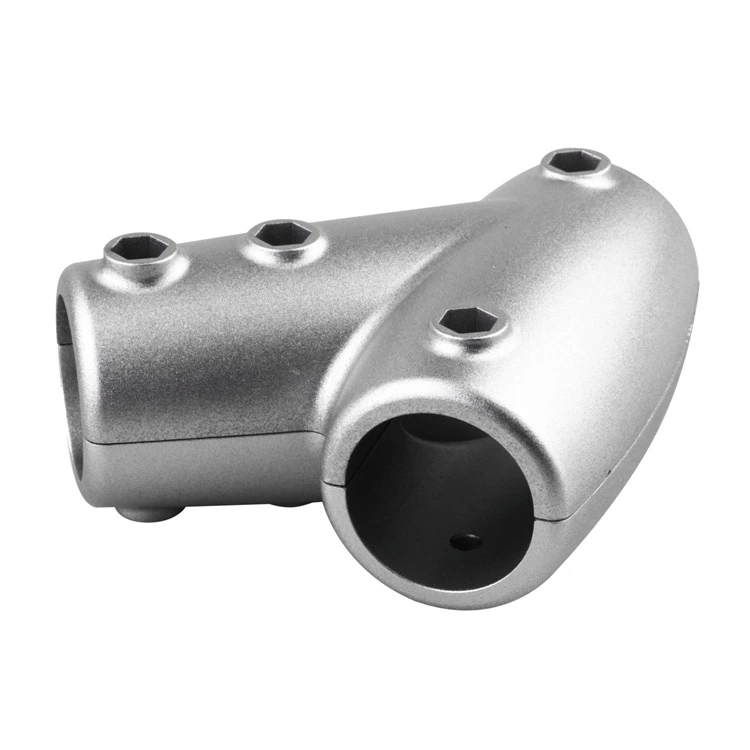
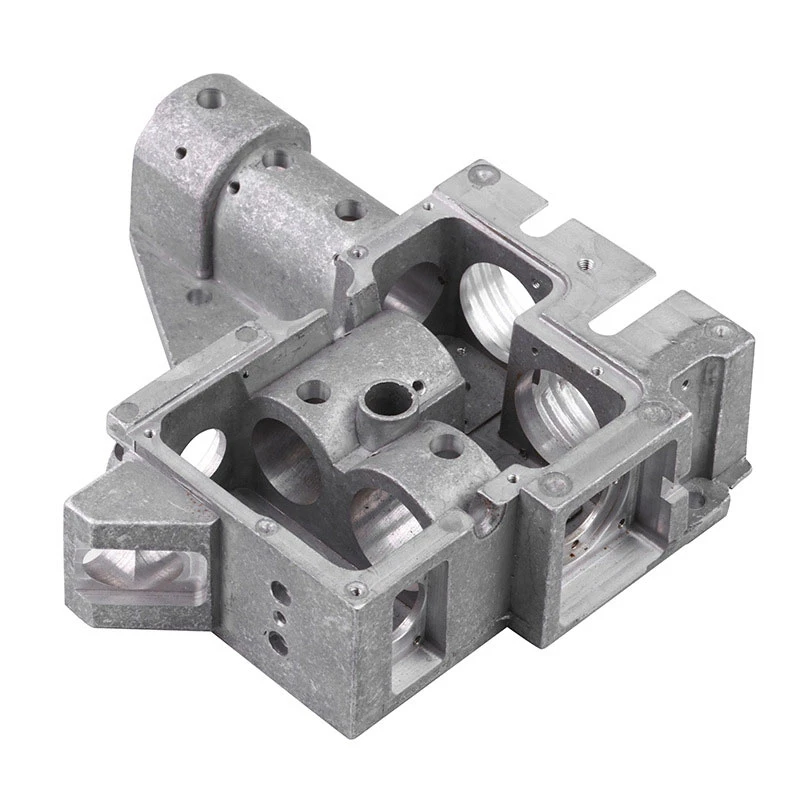
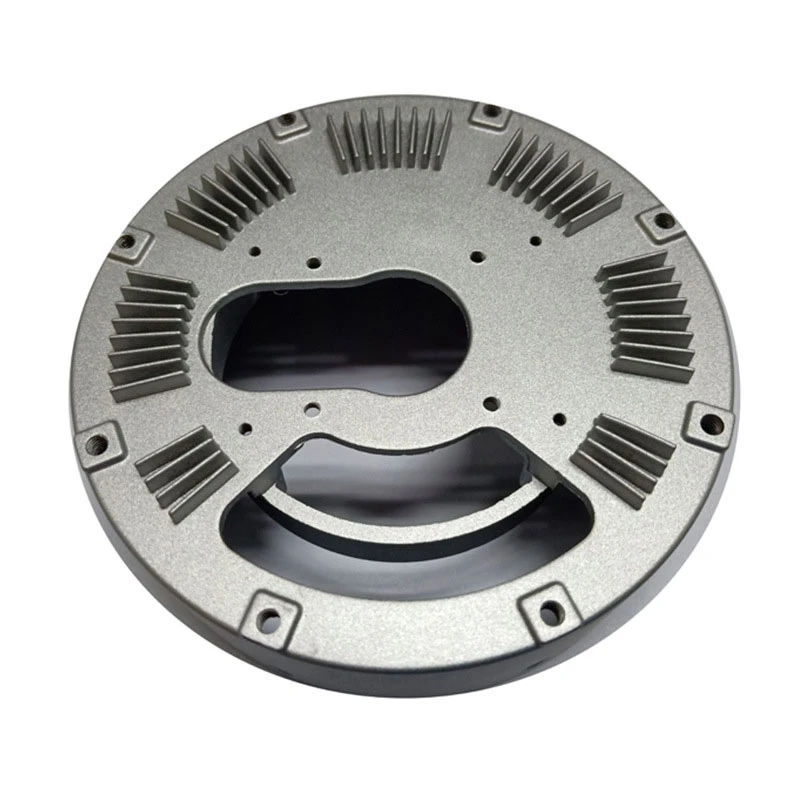
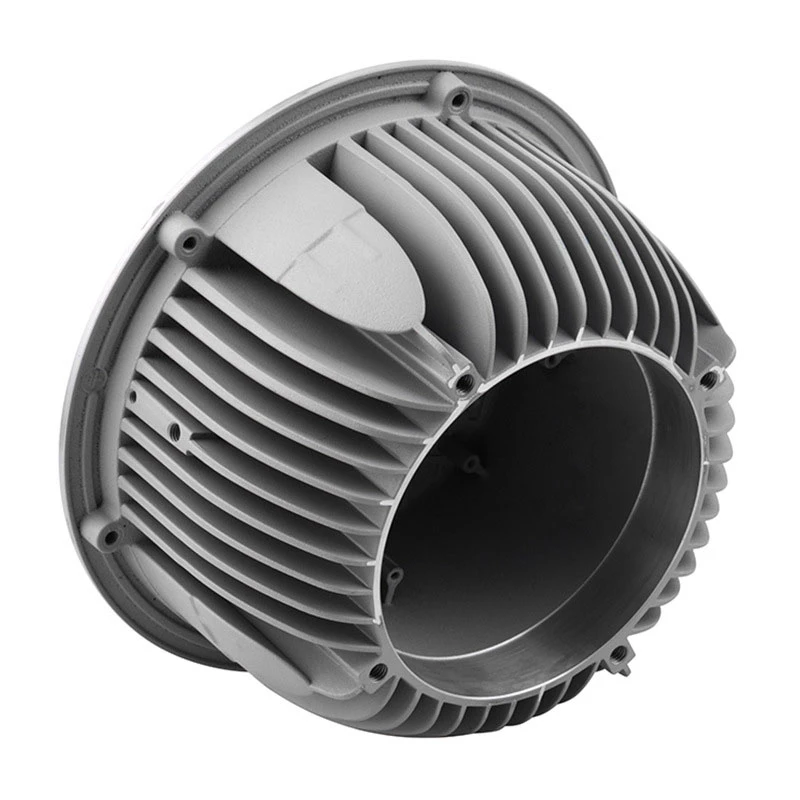
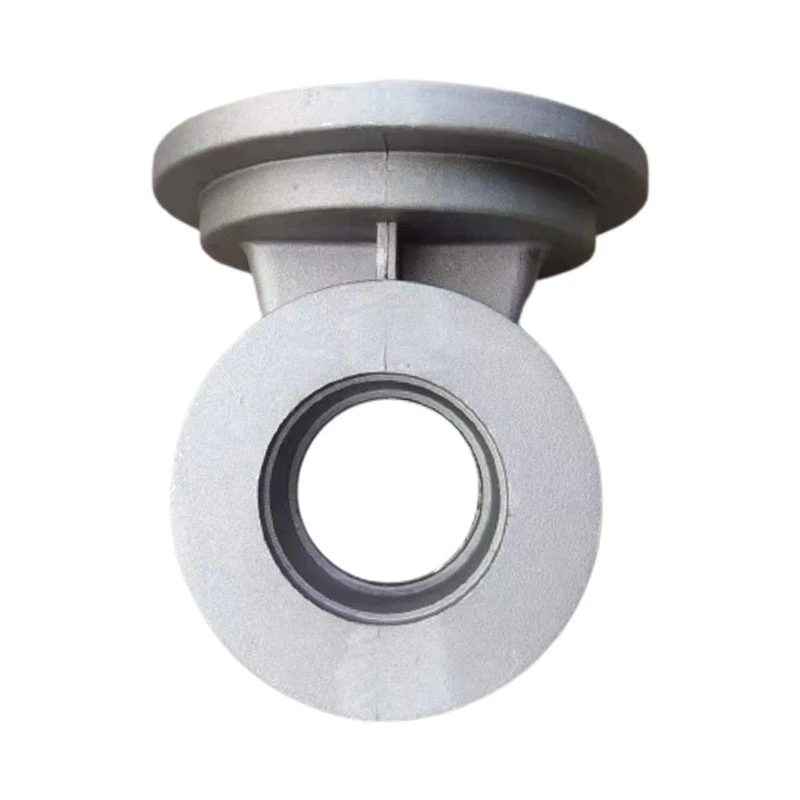
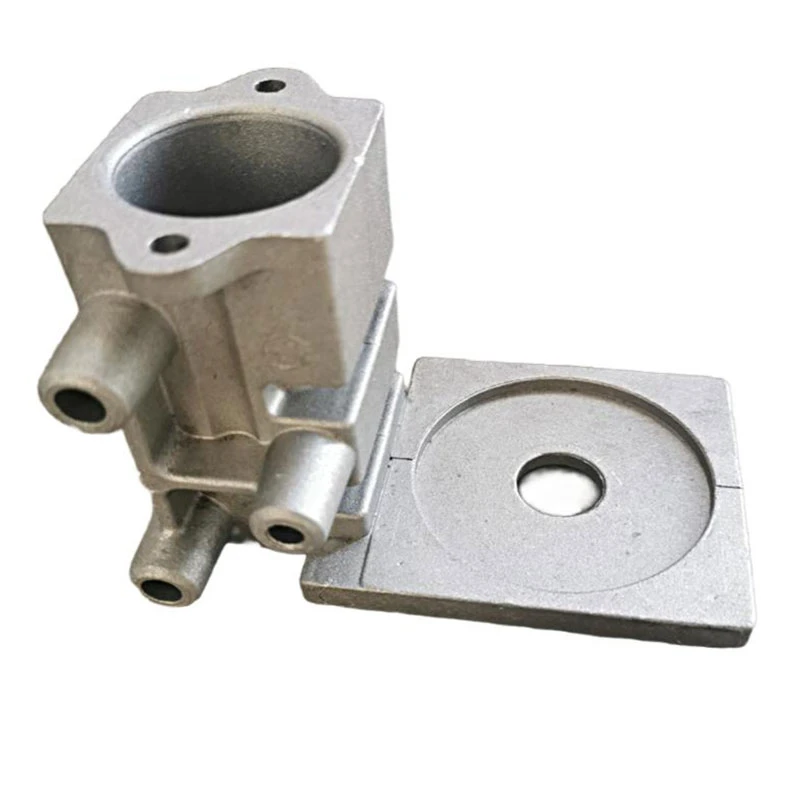
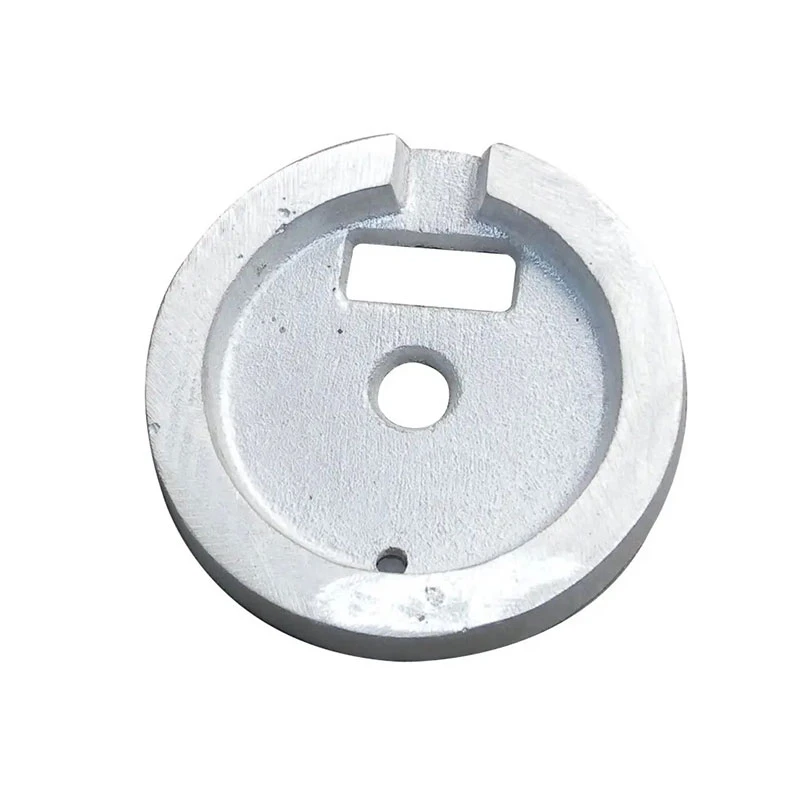
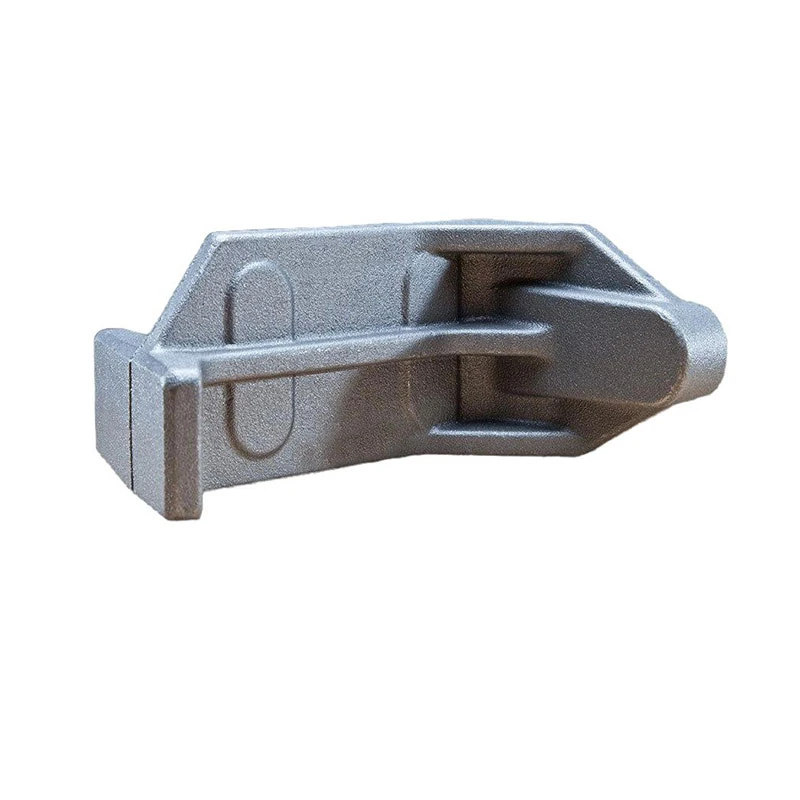
Simply put, an aluminum die casting company specializes in shaping molten aluminum into detailed metal parts using reusable steel molds, called dies. This process involves injecting liquid aluminum under high pressure into these molds, which results in high precision components with excellent surface finish.
These companies don’t just make random parts; they’re integral to creating things like automotive engine blocks, aerospace components, medical devices, and consumer electronics housings. In terms of humanitarian importance, reliable and rapid production of aluminum parts supports critical infrastructure, especially in rebuilding efforts after crises.
Key Factors Shaping Aluminum Die Casting Companies
1. Precision and Consistency
Aluminum die casting stands out for producing nearly identical parts in large quantities. For industries like automotive or electronics where uniformity is non-negotiable, this means better product quality and less waste.
2. Cost-Efficiency
Compared to machining parts from solid blocks, die casting reduces material waste and speeds up production, ultimately lowering costs. Aluminum’s recyclability further improves economic sustainability.
3. Durability and Weight
Aluminum’s excellent strength-to-weight ratio translates into lighter vehicles and devices, boosting fuel efficiency and user comfort without compromising resilience.
4. Scalability of Production
Aluminum die casting companies can scale easily to meet surging demands, whether for a few hundred or millions of components—something that’s harder to achieve with other metal fabrication techniques.
5. Environmental Considerations
Sustainability is now central. Many aluminum die casting companies embrace energy-efficient furnaces and closed-loop recycling systems, aligning with global goals like those outlined by the ISO 14001 standard.
Inline Product Specification Table
| Specification | Typical Range / Value |
|---|---|
| Wall Thickness | 0.5 – 10 mm |
| Tensile Strength | 200 – 350 MPa |
| Surface Finish | 25 – 250 microinches (Ra) |
| Production Volume | Hundreds to millions annually |
| Typical Alloy | A380, A356 |
Global Applications & Use Cases
Aluminum die casting companies operate virtually everywhere, but their effects ripple most prominently in automotive hubs like Germany, China, and the United States, as well as electronics manufacturing centers in South Korea and Japan.
In a real example, automotive companies rely on aluminum die cast parts to reduce vehicle weight—making a tangible difference in cutting tailpipe emissions. Meanwhile, aerospace firms use die casting to produce complex engine components that withstand extreme temperatures and stresses.
Oddly enough, humanitarian relief organizations also depend on rapid aluminum parts manufacturing to rebuild essential infrastructure quickly in post-disaster zones.
Vendor Comparison Table
| Feature | Company A | Company B | Company C |
|---|---|---|---|
| Annual Production Capacity | 500,000 units | 1,200,000 units | 800,000 units |
| Lead Time | 4–6 weeks | 3–5 weeks | 5–7 weeks |
| Eco-Friendly Certifications | ISO 14001 | None | ISO 14001, LEED |
| Custom Alloy Options | Yes | Limited | Yes |
Advantages & Long-Term Value
Partnering with an aluminum die casting company brings more than just high-quality parts. It’s an investment in sustainability thanks to aluminum’s recyclability and reduced vehicle emissions enabled by lighter components.
From a social perspective, companies producing consistent, reliable parts help foster safety and trust—qualities essential in sectors like aerospace or medical devices. In fact, many engineers I've talked with say they wouldn’t consider any other process when precision is paramount.
Future Trends & Innovations
The die casting industry isn’t standing still. Automation and Industry 4.0 technologies are making processes smarter and faster, while greener energy usages for melting aluminum reduce environmental impact.
Additionally, additive manufacturing techniques are beginning to merge with traditional casting, enabling more complex and customized aluminum parts. Policies globally are pushing for reduced carbon footprints, nudging aluminum die casting companies toward even cleaner operations.
Challenges & Solutions
Naturally, challenges remain. The price volatility of aluminum and high upfront tooling costs can be daunting, especially for small manufacturers. Plus, imperfections like porosity or shrinkage defects occasionally throw a wrench in quality control.
However, industry leaders combat these by investing in advanced simulation software for mold design and adopting stricter quality assurance protocols. Some companies collaborate closely with aluminum die casting company partners to share best practices and innovate continuously.
Frequently Asked Questions About Aluminum Die Casting Company
-
Q: How does aluminum die casting compare to other metal fabrication methods in cost?
A: Aluminum die casting is generally more cost-effective for high volumes because it reduces material waste and speeds production. However, for small runs, tooling costs can make alternatives like CNC machining cheaper. -
Q: What quality controls ensure precision in die cast aluminum parts?
A: Techniques include X-ray inspection to detect porosity, coordinate measuring machines (CMM) for dimensional accuracy, and vigorous mold maintenance to minimize defects. -
Q: Can aluminum die casting companies customize alloys for specific applications?
A: Absolutely. They often tailor alloys like A380 or A356 depending on strength, corrosion resistance, or thermal properties needed for the client. -
Q: How does environmental regulation impact aluminum die casting operations?
A: Many companies must comply with strict emission and waste management standards, driving innovations toward energy-efficient furnaces and recycling programs. -
Q: Is lead time a major concern for ordering die cast parts?
A: Lead times generally range from 3–7 weeks, influenced by mold complexity and production volume, though ongoing automation efforts aim to reduce this delay.
Conclusion & Call to Action
In summary, partnering with a capable aluminum die casting company offers benefits that span from economic savings to environmental responsibility, all while delivering the reliable parts vital across countless industries. If you’re seeking quality, scalability, and sustainability in metal manufacturing, it’s worth exploring the capabilities of aluminum die casting company providers today.
Start your journey toward precision and performance now by visiting our website.
It always amazes me how something as seemingly mundane as casting aluminum can connect so many parts of our world. Quite literally, the lightweight frame holding up the future.
References
-
Comprehensive Guide to Automotive Die Casting for Enhanced Vehicle PerformanceNewsJan.27,2026
-
Comprehensive Guide to Aluminum Pressure Die Casting Manufacturing ProcessesNewsJan.27,2026
-
Hot Chamber Die Casting vs Cold Chamber Die Casting ExplainedNewsJan.06,2026
-
Hot Chamber And Cold Chamber Die Casting Solutions for Industrial Applications | Hairun SourcingNewsJan.06,2026
-
Hot and Cold Chamber Die Casting: Key Insights from Industry ExpertsNewsJan.06,2026
-
Comprehensive Guide on Graphite Die Casting for B2B Manufacturing | HairunSourcingNewsJan.05,2026