


The Strategic Advantage of Copper Die Casting for B2B Decision Makers | Hairun Sourcing
Copper Die Casting is a key solution in the industry, specifically within sectors that demand precision, durability, and thermal conductivity. This article explores how https://www.hairunsourcing.com supports professionals with durable, high-performance products, and explains why this product is an ideal choice for businesses in these sectors.
Table of Contents
- Copper Die Casting Overview
- Benefits & Use Cases of Copper Die Casting
- Cost, Maintenance & User Experience
- Sustainability & Market Trends
Copper Die Casting Overview
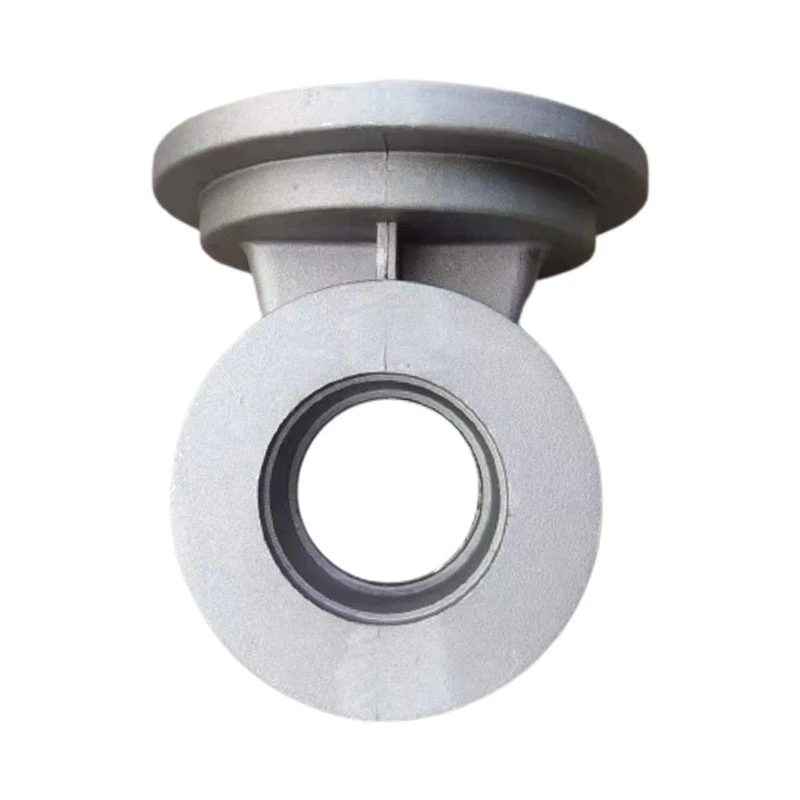
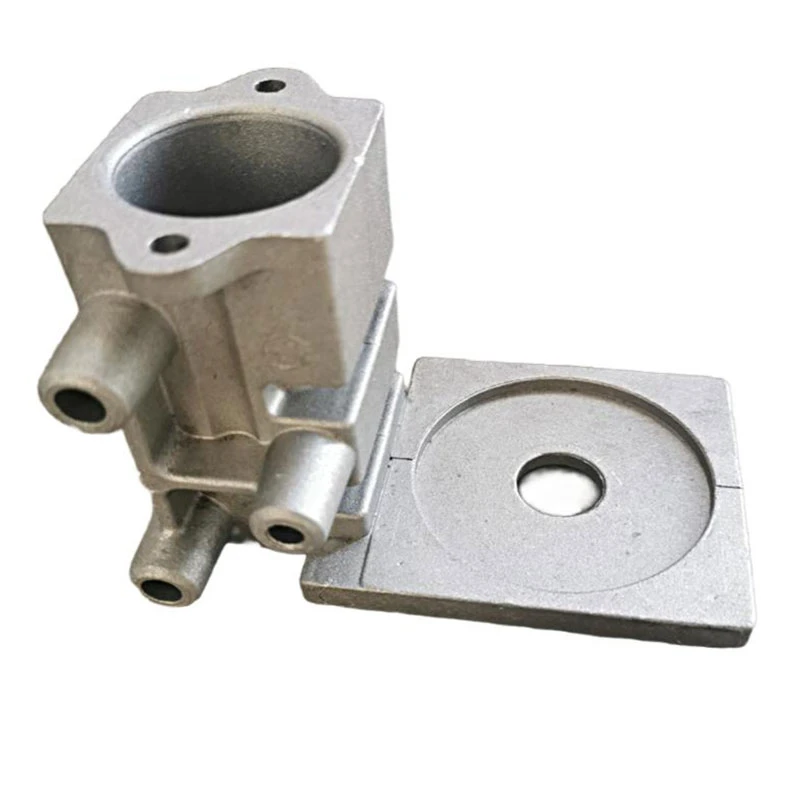
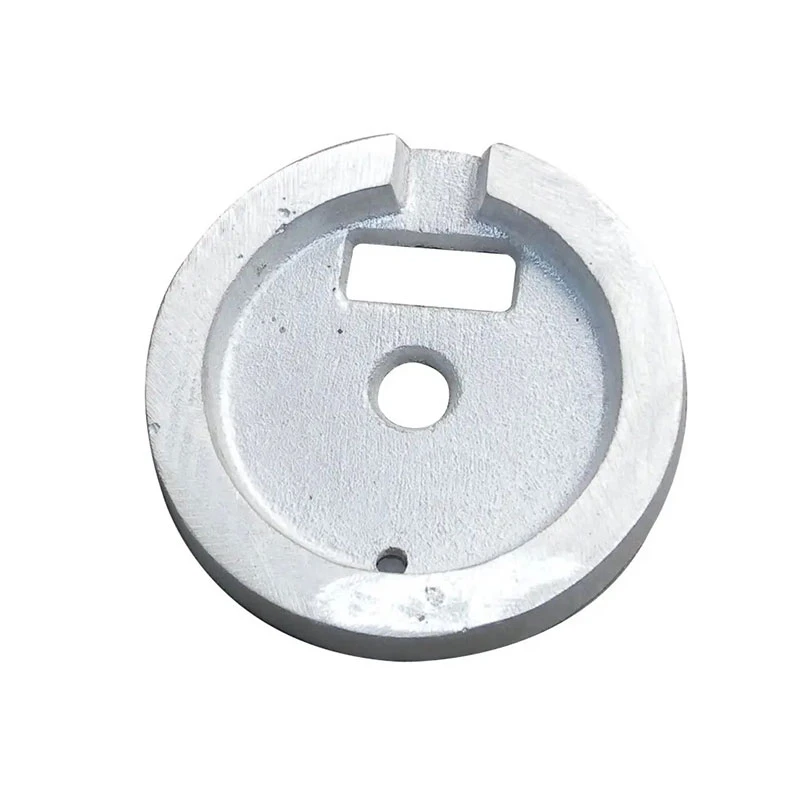
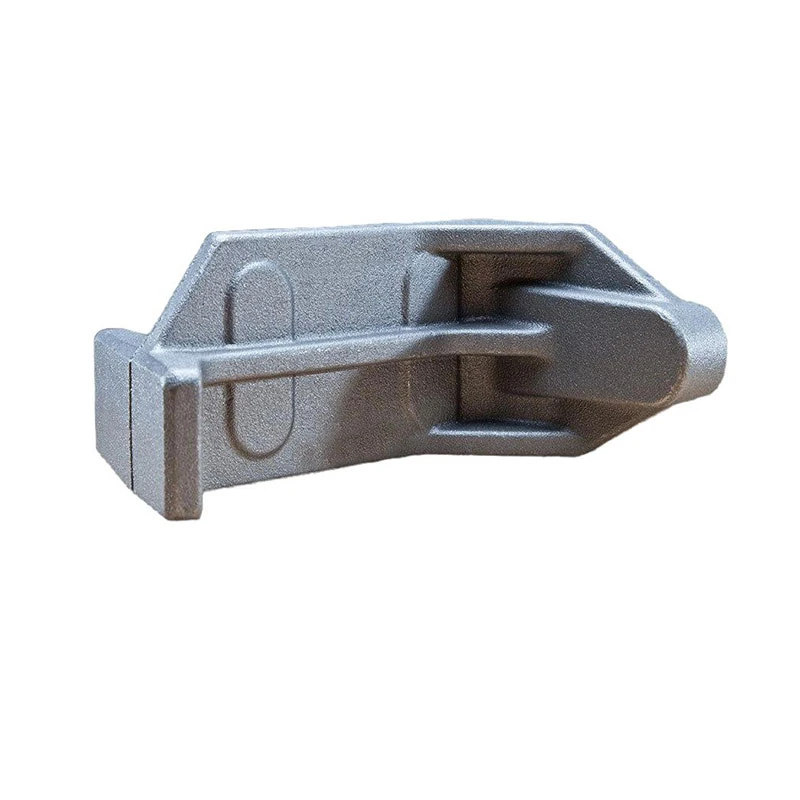
Copper die casting, frankly, feels like one of those unsung heroes in manufacturing. If you’ve ever dealt with components that need exceptional electrical or thermal conductivity combined with mechanical strength, you’ll appreciate what this process offers. Essentially, it involves injecting molten copper or copper alloys into precision steel molds—this allows for accurate, complex shapes ideal for demanding industrial applications.
- Copper die casting offers higher corrosion resistance compared to aluminum or zinc die casting, which is critical in electrical connectors and heat exchangers.
- Typical alloys used include phosphor bronze and brass, with tensile strengths often exceeding 350 MPa and thermal conductivities around 110 W/mK—impressive specs for such versatile parts.
Benefits & Use Cases of Copper Die Casting
Let’s delve into why copper die casting keeps showing up across critical sectors—from aerospace and electronics to automotive and renewable energy. Its natural antimicrobial properties also make it a fascinating option for medical and food processing equipment, which is sort of an added bonus.
- Electronics manufacturers often prefer copper die-cast parts for connectors and housings because their electrical performance helps reduce heat and power loss.
- The precision and low porosity of die-casted copper components enhances durability and reduces costly failure rates in automobile engine parts and HVAC systems.
- Compared to traditional sand casting or machined components, copper die casting drastically cuts lead times and offers better surface finish—reducing downstream processing significantly.
| Specification | Typical Value | Notes |
|---|---|---|
| Tensile Strength | 350-450 MPa | Depends on alloy type |
| Thermal Conductivity | 100-120 W/mK | Excellent for heat dissipation |
| Electrical Conductivity | 15-22 MS/m | Better than comparable aluminum parts |
| Dimensional Accuracy | ±0.1 mm | Enables tight tolerance engineering |
| Typical Part Size | Up to 15 kg | Varies by equipment capacity |
Cost, Maintenance & User Experience
Of course, any decision maker—especially in B2B—needs to weigh cost against long-term value. Copper die casting, I suppose, might initially seem pricier compared to aluminum alternatives. But in real terms, factors like lower failure rates, minimal post-processing, and excellent corrosion resistance often translate into a better total cost of ownership.
- Maintenance costs decrease because copper alloys resist wear and fouling, meaning less downtime.
- Many of hairunsourcing.com’s clients report improved assembly speed and product longevity thanks to consistent casting quality.
- The ROI often justifies investment within 12-18 months when factoring improved performance and reduced scrap.
Sustainability & Market Trends
Sustainability is more than a buzzword these days—it’s a critical factor shaping sourcing and manufacturing strategies. Copper die casting aligns well here due to copper’s inherent recyclability and the efficiency of die casting processes reducing waste. Many businesses, frankly, want partners who can navigate evolving environmental regulations without sacrificing quality.
- The die casting process enables near-net-shape parts, minimizing material scrap versus machining from billets.
- China’s market, in particular, is experiencing significant growth in copper die casting due to industrial automation and demand for electrification components.
- Companies like Hairun are investing in greener production lines, aiming for ISO 14001 certification and improved energy efficiency.
| Vendor | Pricing | Production Capacity | Quality Certifications | Sustainability Efforts |
|---|---|---|---|---|
| Hairun Sourcing | Competitive | High-volume (>1,000 tons/year) | ISO 9001, IATF 16949 | Advanced recycling & ISO 14001 (pending) |
| Vendor B | Moderate | Medium (<500 tons/year) | ISO 9001 | Basic waste reduction |
| Vendor C | Higher | Low (<200 tons/year) | None | Limited |
Frequently Asked Questions about Copper Die Casting
- What is Copper Die Casting and how does it work?
- Copper die casting is a manufacturing process where molten copper is forced into steel molds under high pressure to produce precise, complex metal parts. This method combines copper’s excellent thermal and electrical properties with die casting’s speed and accuracy.
- What are the main benefits of using Copper Die Casting in industrial applications?
- Key advantages include superior corrosion resistance, high dimensional precision, excellent electrical and thermal conductivity, and reduced production lead times. It enables manufacturers to create durable, reliable components with lower overall costs.
- How does Copper Die Casting compare to traditional alternatives?
- Compared with traditional sand casting or machining, copper die casting offers faster production cycles, better surface finishes, and tighter tolerances. While initial mold costs are higher, efficiency and quality gains often outweigh these expenses.
- What industries can benefit most from Copper Die Casting implementation?
- Electronics, automotive, aerospace, HVAC, renewable energy, and even medical sectors commonly utilize copper die casting for components requiring high conductivity, thermal management, and mechanical integrity.
Conclusion on Copper Die Casting from china
To sum it up, copper die casting stands out as a smart choice for businesses seeking a balance of performance, precision, and sustainability. The experts at Hairun Sourcing bring experience and innovation to the table, helping companies realize these advantages firsthand.
- Recap the value of Copper Die Casting.
- - Visit our website: https://www.hairunsourcing.com
Oddly enough, many engineers find this process both surprisingly accessible and incredibly dependable once they get past initial misconceptions — a good reason to explore copper die casting a little deeper in your next project.
-
Comprehensive Guide to Automotive Die Casting for Enhanced Vehicle PerformanceNewsJan.27,2026
-
Comprehensive Guide to Aluminum Pressure Die Casting Manufacturing ProcessesNewsJan.27,2026
-
Hot Chamber Die Casting vs Cold Chamber Die Casting ExplainedNewsJan.06,2026
-
Hot Chamber And Cold Chamber Die Casting Solutions for Industrial Applications | Hairun SourcingNewsJan.06,2026
-
Hot and Cold Chamber Die Casting: Key Insights from Industry ExpertsNewsJan.06,2026
-
Comprehensive Guide on Graphite Die Casting for B2B Manufacturing | HairunSourcingNewsJan.05,2026