


Sand Casting Companies: Essential Foundries Powering Global Manufacturing
Understanding Sand Casting Companies: A Global Industrial Backbone
At first glance, “sand casting companies” might sound like a niche term reserved for foundry insiders. But dig a little deeper, and you’ll see these firms are a quiet powerhouse in manufacturing worldwide. Their work touches everything from automotive parts to heavy machinery, the very infrastructure that runs modern life. Sand casting companies, through specialized techniques involving molding molten metal with sand, enable the creation of complex, durable metal components that other methods would struggle to produce efficiently or affordably.
Globally, as industries grow more demanding and environmentally conscious, sand casting companies face both challenges and tremendous opportunity. Understanding how these companies operate, and what makes their services indispensable, is key for businesses navigating supply chains, engineers seeking reliable parts, and policy makers eyeing sustainable manufacturing.
Global or Industry Context
Why is the role of sand casting companies so relevant today? Well, consider some numbers: according to the International Organization for Standardization (ISO) and recent UN manufacturing data, metal casting remains a multibillion-dollar global industry, supporting over 2.5 million jobs worldwide. Sand casting dominates the sector — nearly 70% of metal castings globally use sand molding techniques. This preference hinges on the method’s adaptability and cost-efficiency.
Yet, the industry confronts challenges — tightening environmental regulations, raw material price volatility, and a push for digitization. Sand casting companies must innovate while maintaining the reliability and quality their customers expect.
Definition & Meaning
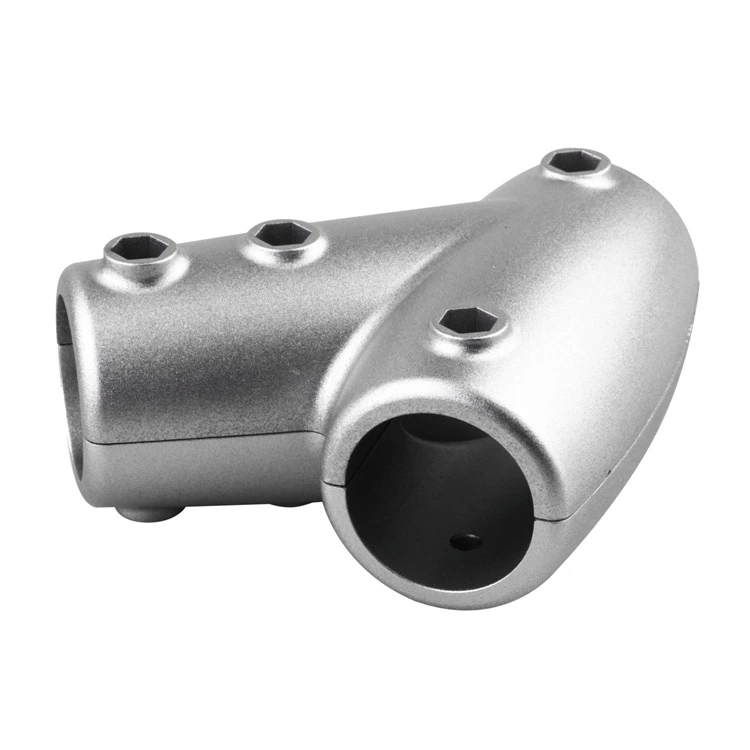
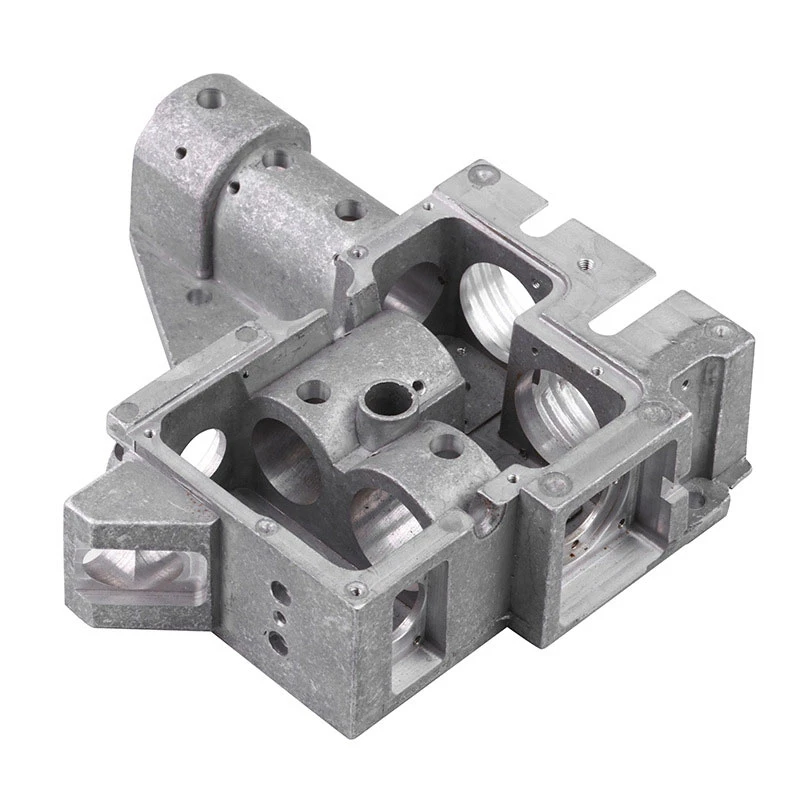
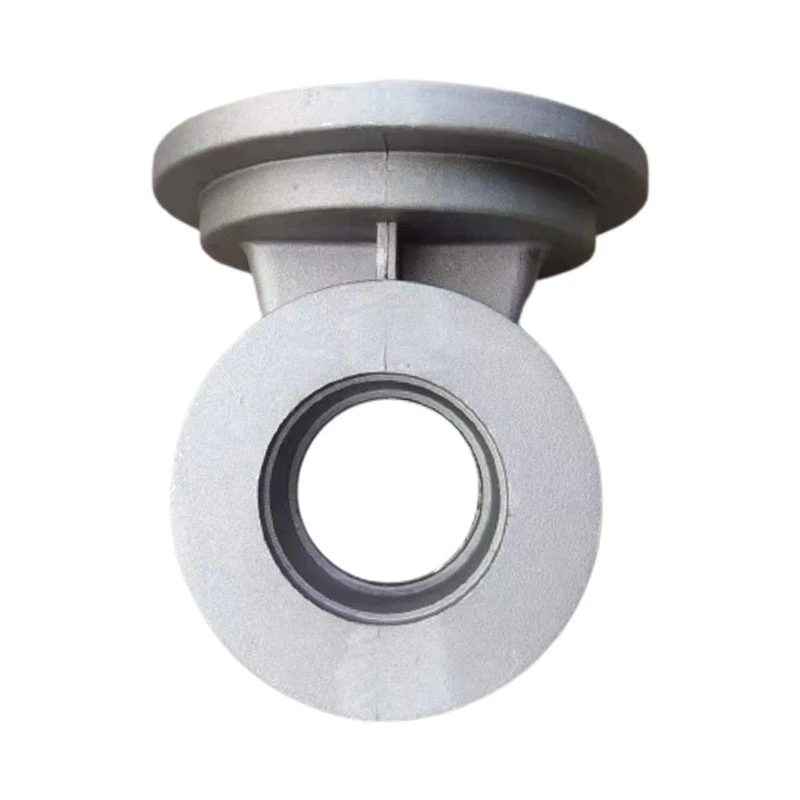
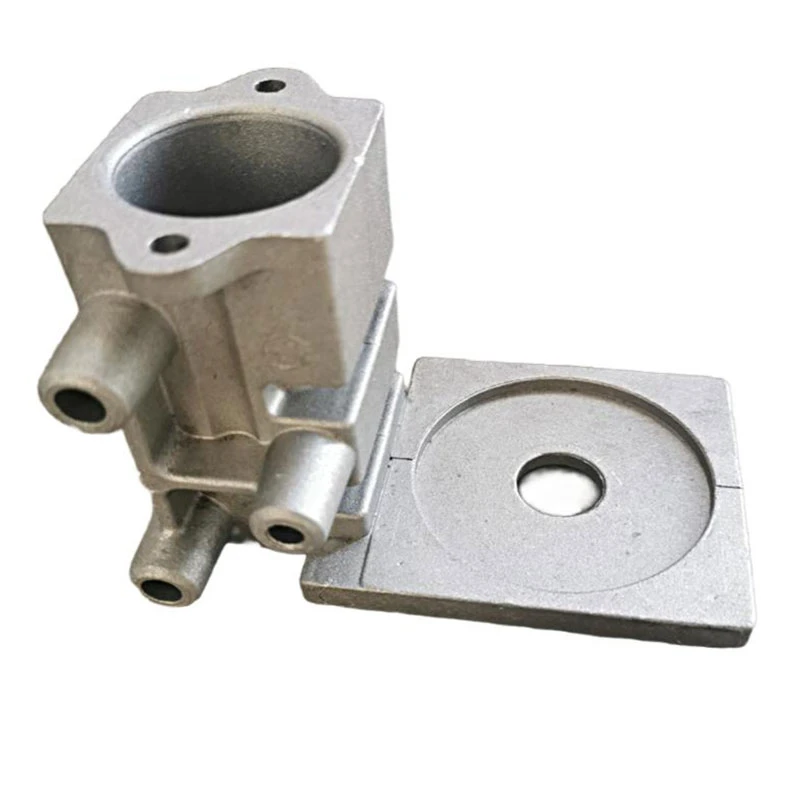
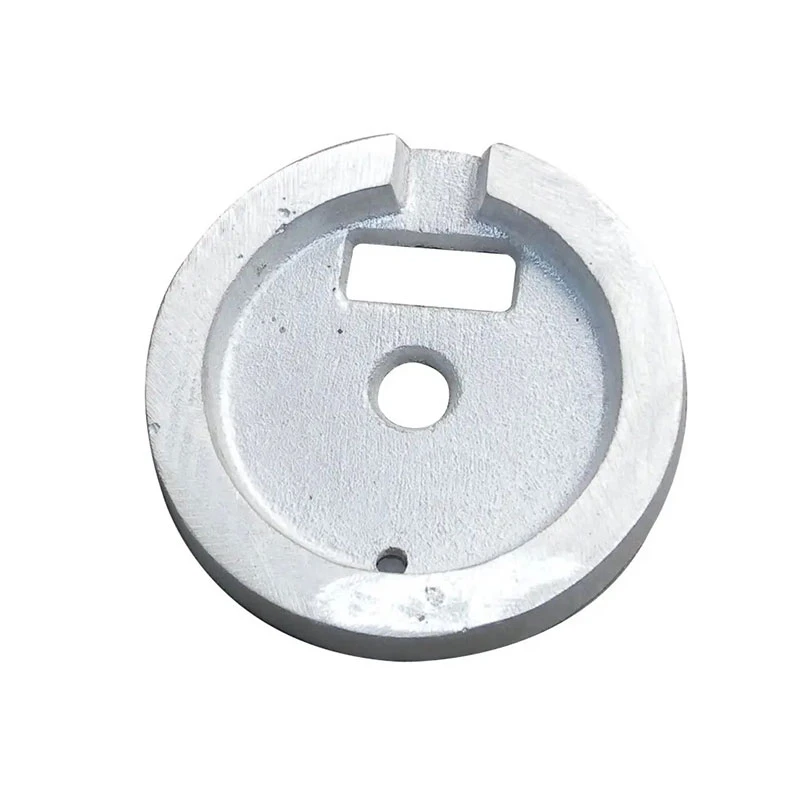
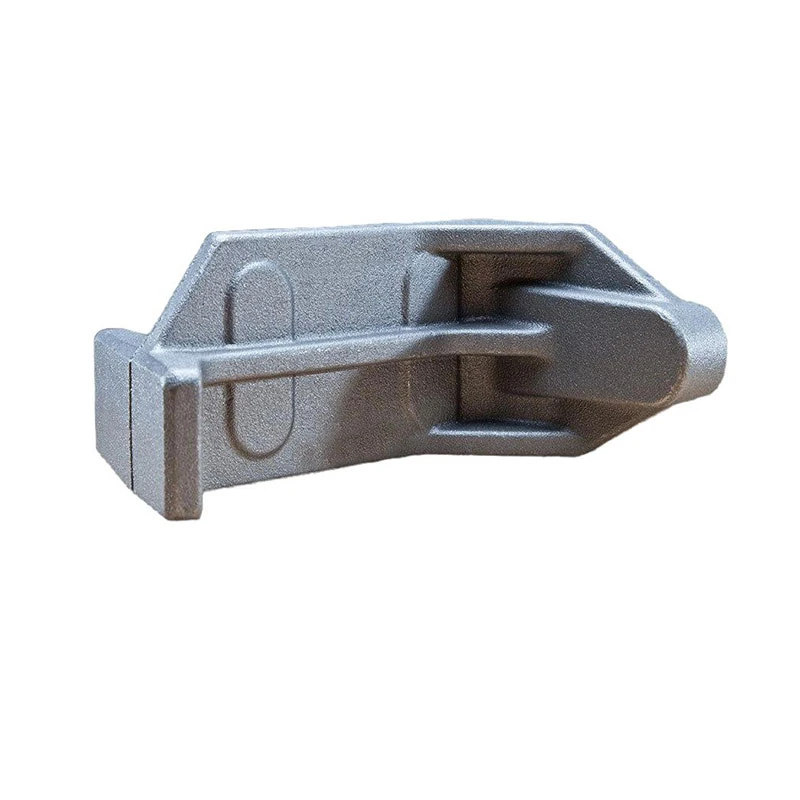
So, what exactly are sand casting companies? Simply put, these are foundries specializing in producing metal parts by creating molds from sand, pouring molten metal into these molds, then cooling and finishing the cast pieces. The “sand” here isn’t just any sand — typically a mix of silica sand, clay, and moisture forms a reusable mold base. This technique is ancient but surprisingly versatile, used to craft components ranging from engine blocks and pump housings to artful bronze statues.
This fabrication process links directly to contemporary manufacturing and humanitarian needs alike — by enabling cost-effective mass production or rapid prototyping of essential metal parts, sand casting companies ensure industries like automotive, aerospace, construction, and even emergency infrastructure can keep moving forward.
Core Components of Sand Casting Companies
- Durability: Sand molds produce castings with excellent mechanical properties suitable for demanding operational environments, including high stress and temperature applications.
- Scalability: From single prototypes up to large production runs, sand casting adapts easily, making it ideal for industries requiring flexible output volumes.
- Cost Efficiency: Compared to precision casting or machining from solid blocks, sand casting significantly lowers tooling and production costs.
- Customization: Changes to mold design can be swiftly implemented, enabling tailored solutions for unique industrial challenges.
- Environmental Impact: Modern sand casting companies are increasingly adopting green practices — such as reclaiming used sand and reducing emission — aligning with ISO 14001 environmental standards.
Mini takeaway: The strength of sand casting firms lies in balancing reliability, adaptability, and cost – all while greening their footprints to meet tomorrow’s sustainability goals.
Global Applications & Use Cases
From Asia’s sprawling automotive hubs to Europe’s aerospace foundries, sand casting companies power critical industries worldwide. In practice, you’ll find their cast parts in locomotives, agricultural machines, oil extraction equipment, and wind turbine housings. Oddly enough, they also support humanitarian and disaster recovery efforts — for example, producing durable water pump components or prefabricated construction parts in remote or post-disaster zones where replacing infrastructure rapidly is key.
Organizations like the UN and international NGOs increasingly rely on sand-cast parts for long-lasting equipment because they trust these companies’ track records for quality and supply chain consistency.
Advantages & Long-Term Value
The tangible benefits of partnering with sand casting companies extend far beyond price points. Financially, low upfront tooling and ability to switch designs swiftly mean less wasted capital. Socially, reliable parts contribute to safer vehicles, sturdier buildings, and clean water systems — enhancing safety and dignity worldwide. Environmentally, the shift toward recycled sand and cleaner metallurgy processes heralds a more sustainable future.
On a human level, there’s a remarkable trust these companies earn by combining old-school craft with modern tech, enabling innovation while anchoring critical industries’ stability. That’s not trivial — industries often bet on suppliers with proven durability records, since downtime or failure costs lives and livelihoods.
Product Specification Table
| Specification | Typical Range | Notes |
|---|---|---|
| Metal Types | Iron, Steel, Aluminum, Bronze | Varies by company specialization |
| Max Casting Weight | Up to 10,000 kg per unit | Depends on foundry capacity |
| Dimensional Accuracy | ±0.5% typical | Improved with modern modeling techniques |
| Surface Finish | 3.2 to 6.3 micrometers Ra | Additional machining optional |
| Production Lead Time | 2–8 weeks | Faster for prototypes and small runs |
Vendor Comparison Table
| Company | Specialty | Typical Industries | Sustainability Initiatives |
|---|---|---|---|
| Foundry A | High precision aluminum parts | Automotive, Aerospace | Recycled sand use, low VOC emissions |
| Foundry B | Heavy iron castings | Construction, Energy & Mining | Waste heat recovery, ISO 14001 certified |
| Foundry C | Rapid prototyping & custom molds | Defense, Research & Development | Digital modeling tools, sand reclamation |
Future Trends & Innovations
Looking ahead, sand casting companies stand at the crossroads of tradition and technology. One big trend is digital transformation — advanced CAD designs, simulation software, and even AI-driven quality checks are making the casting process more predictable and efficient. Oddly enough, some companies also experiment with eco-friendlier binders replacing traditional clay to reduce emissions.
Automation in molding and finishing can increase throughput without compromising skillful craftsmanship. From a materials standpoint, integrating recycled metals and improving sand reclamation technologies helps align with global sustainability goals, including the UN’s Sustainable Development Goals (SDGs).
Challenges & Solutions in Sand Casting
Even so, sand casting companies face obstacles: variable mold quality, scrap rates, and waste management remain top concerns. Plus, the pace of industrial digitalization can overwhelm smaller foundries who lack capital for tech upgrades.
To tackle these, some experts advise partnerships with tech firms for affordable sensor integration and training, while others focus on optimizing processes through Lean manufacturing and circular economy principles. Sharing best practices — for example via industry bodies like the American Foundry Society or ISO committees — goes a long way in boosting overall reliability and reputation.
FAQ: Frequently Asked Questions About Sand Casting Companies
- Q: What types of metals are most commonly cast using sand casting?
- A: Sand casting works well with a variety of metals including cast iron, steel, aluminum, bronze, and brass. The technique’s versatility makes it popular for both ferrous and non-ferrous metals.
- Q: How do sand casting companies ensure dimensional accuracy in complex parts?
- A: Modern foundries utilize advanced CAD modeling, simulation, and quality inspection methods like 3D scanning to minimize deviations. Although sand molds have inherent variability, these technologies help maintain tight tolerances.
- Q: Is sand casting environmentally sustainable?
- A: While traditionally energy-intensive, sustainability efforts such as sand reclamation, use of eco-binders, and emission control systems are making sand casting greener. Many foundries pursue ISO 14001 environmental certification as well.
- Q: Can sand casting companies handle rapid prototyping for product development?
- A: Absolutely. Sand casting is well-suited for prototyping due to quick mold fabrication and flexibility in design changes — a major advantage in R&D settings.
- Q: What industries rely most heavily on sand casting parts?
- A: Automotive, aerospace, construction, oil & gas, and heavy machinery dominate demand, largely because of the process’s ability to create large, complex, durable components cost-effectively.
Conclusion & Call to Action
To wrap it up, sand casting companies quietly anchor much of the world’s industrial activity. Their unmatched combination of adaptability, cost-effectiveness, and expanding sustainability makes them essential partners whether you operate in manufacturing, infrastructure, or humanitarian aid. If you're looking to explore reliable foundry partnerships or learn more about sourcing tailored metal castings, I encourage you to visit our website for detailed insights and company connections.
Here's something to chew on: as manufacturing evolves, sand casting companies may feel a bit like an old craft adapting to new rhythms, but it’s this very flexibility that keeps them vital in a changing world.
References:
-
Comprehensive Guide to Automotive Die Casting for Enhanced Vehicle PerformanceNewsJan.27,2026
-
Comprehensive Guide to Aluminum Pressure Die Casting Manufacturing ProcessesNewsJan.27,2026
-
Hot Chamber Die Casting vs Cold Chamber Die Casting ExplainedNewsJan.06,2026
-
Hot Chamber And Cold Chamber Die Casting Solutions for Industrial Applications | Hairun SourcingNewsJan.06,2026
-
Hot and Cold Chamber Die Casting: Key Insights from Industry ExpertsNewsJan.06,2026
-
Comprehensive Guide on Graphite Die Casting for B2B Manufacturing | HairunSourcingNewsJan.05,2026