


Reliable Gravity Casting Aluminium Solutions for Industrial Needs
Gravity Casting Aluminium: A Trusted Process, Tried and True
Having spent more than a decade around industrial equipment — from dusty foundries to modern manufacturing floors — I have a fairly grounded appreciation for gravity casting aluminium. Frankly, it feels like one of those unsung heroes in the metalworking world: not as flashy as die casting or investment casting, but incredibly reliable, cost-effective, and surprisingly versatile.
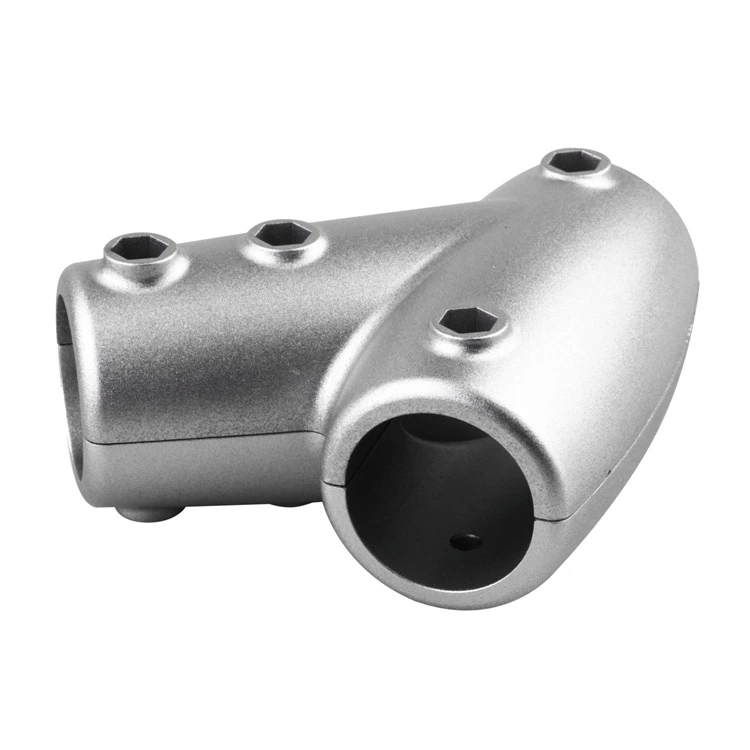
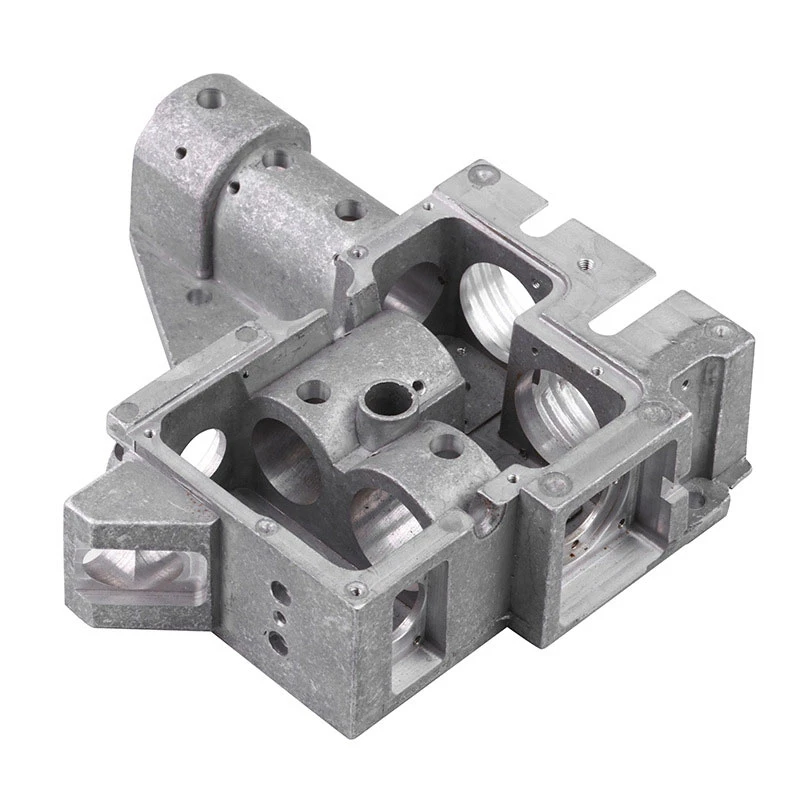
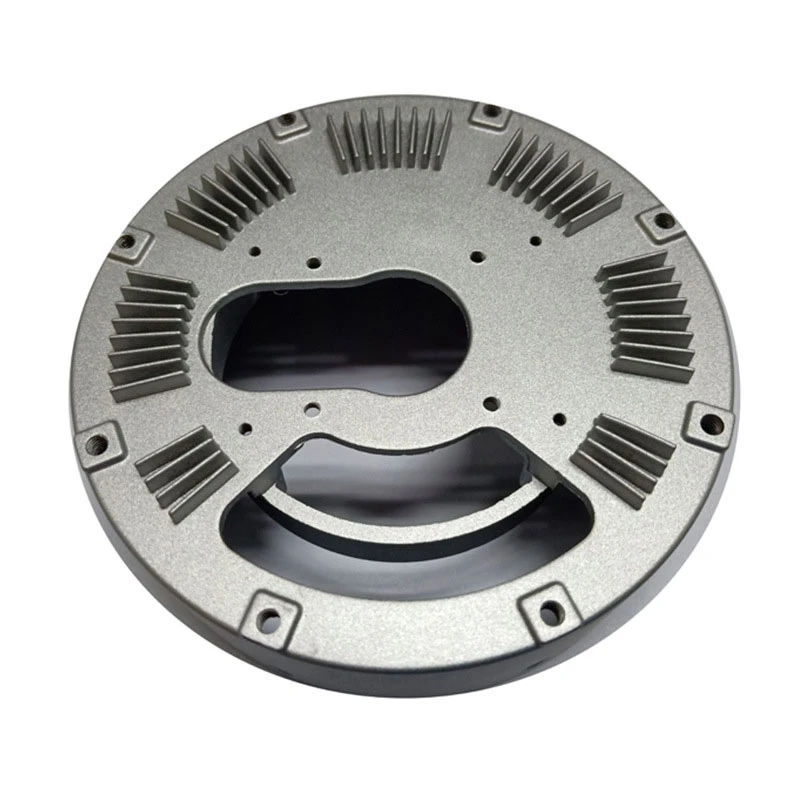
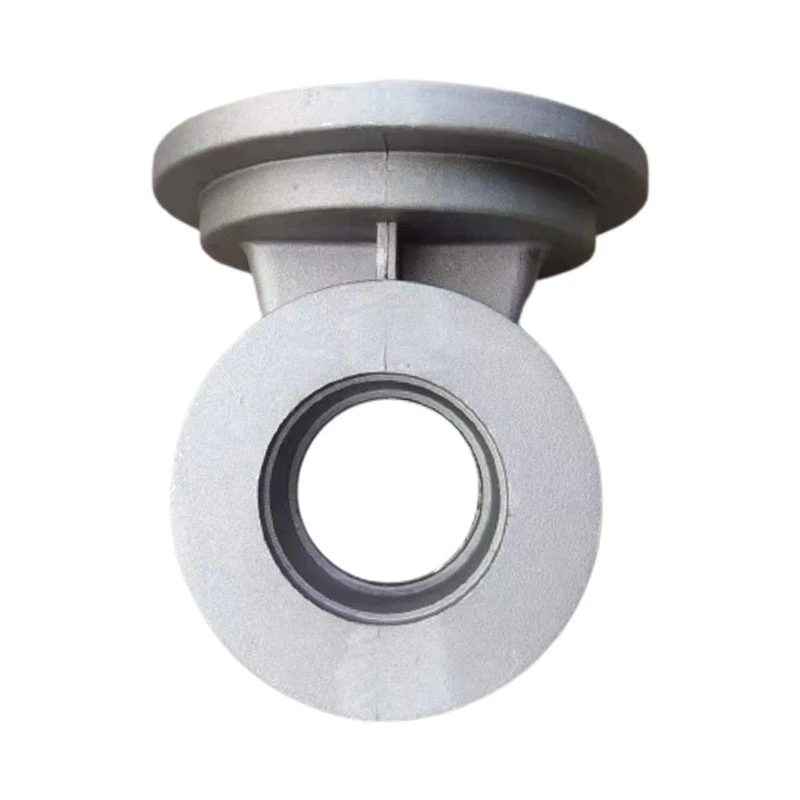
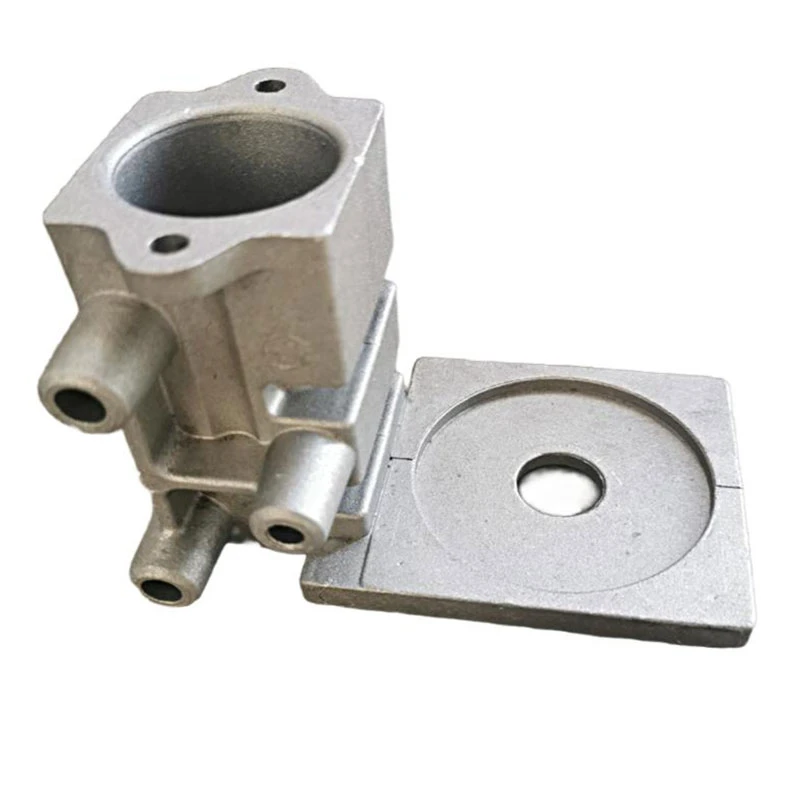
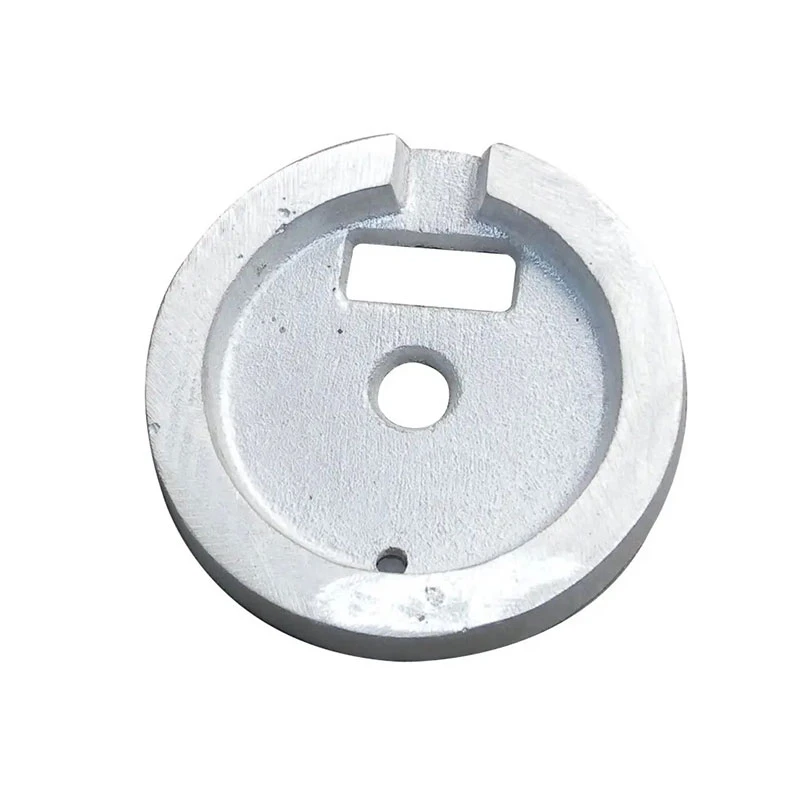
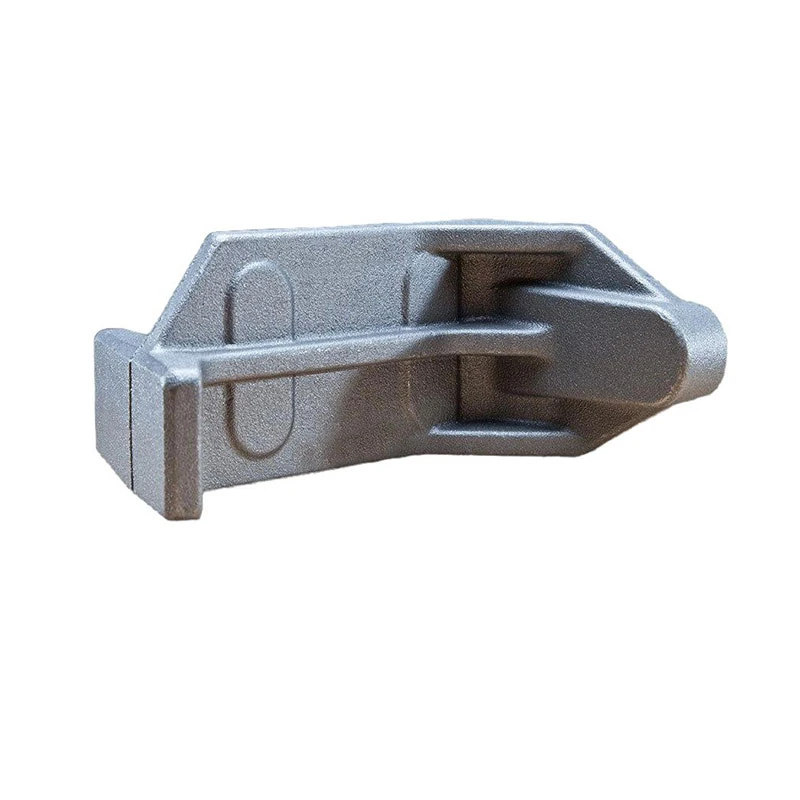
Gravity casting aluminium is exactly what it says on the tin. Molten aluminium is poured into a mould, and gravity does the rest, letting the metal fill the cavity naturally without external pressure. This method appeals especially when you want solid parts with good detail but without the high cost or complexity of other casting techniques.
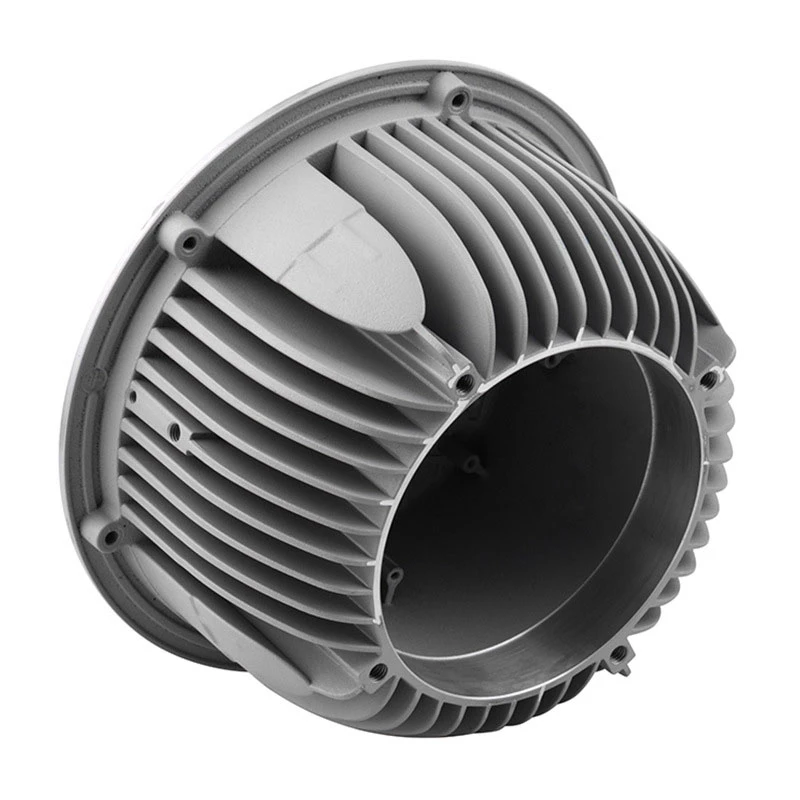
Industry trends suggest that gravity casting aluminium remains relevant, especially in sectors valuing quality over speed — think automotive components, pump housings, and marine fittings. You hear many engineers comment on its “gentleness” compared to more severe casting processes, which can sometimes induce unwanted stresses or defects.
Material-wise, aluminium alloys used for gravity casting typically contain elements enhancing fluidity and corrosion resistance — the obvious candidates being AlSi7Mg or AlSi9Cu3. This combination makes for strong yet lightweight parts, which you know is key for many industrial applications. Also, a neat advantage is that gravity casting tends to produce components with fewer porosities versus pressure-intensive methods, which helps with mechanical integrity.
| Specification | Details |
|---|---|
| Alloy Type | AlSi7Mg / AlSi9Cu3 |
| Typical Weight Range | 2 to 50 kg |
| Melting Point | ~660°C (1220°F) |
| Tensile Strength | 180 – 250 MPa |
| Typical Mold Materials | Steel, Cast Iron, or Sand |
| Surface Finish | Machined or As-Cast (rougher) |
Now, I suppose you’re wondering how this stacks up against other casting vendors or techniques. In my experience, while some players offer quicker turnaround through pressure die casting, gravity casting providers tend to excel at customization and manage lower tooling costs. It’s not unusual to see customers opting for gravity casting when product design demands greater wall thickness variability or complex geometries that might defy the fast lane methods.
| Vendor | Lead Time | Customization Level | Typical Order Size | Price Competitiveness |
|---|---|---|---|---|
| Vendor A | 3-5 weeks | High | Small to Medium | Moderate |
| Vendor B | 2-4 weeks | Medium | Large | Competitive |
| Vendor C (Hairun Sourcing) | 3-6 weeks | Very High | Small to Large | Excellent |
Speaking of Hairun Sourcing, I had the chance to tour their casting facility a while back. What struck me was their attention to detail — from the mold preparation to the meticulous quality control. It’s one thing to trust a casting method; it’s quite another to have a vendor who’s clearly invested in lean manufacturing and optimizing scrap reduction.
To test some gravity cast aluminium parts for a marine pump we were specifying, I noticed how consistent the wall thickness was without excessive porosity—very encouraging given the tricky saltwater environment those pumps face. The part’s surface finish initially seemed a bit rough, but a quick machine pass sorted that out nicely, and it made me appreciate the process’s simplicity and reliability.
Oddly enough, gravity casting tends to be overlooked in favor of “faster” or “flashier” techniques, but in real terms, its predictability and sturdiness keep it firmly on the shortlist for serious engineers.
If you’re exploring aluminium casting options, I’d say don’t discount gravity casting lightly — especially with increasingly sophisticated vendors like Hairun Sourcing offering competitive prices and strong customization services. Plus, the tooling costs are far friendlier compared to high-pressure methods, which can be a dealmaker on many projects.
In summary, gravity casting aluminium remains a versatile, cost-effective solution with an established track record. Whether you need a handful or hundreds of parts, understanding its strengths might just save you time and headaches down the line.
Here’s to casting parts that hold up to the real world.
References:
1. "Light Metals Casting," ASM International, 2018.
2. Small, R. et al., “Aluminum Casting: Industry Best Practices,” Industrial Foundry Journal, 2021.
3. Personal visit and interviews at Hairun Sourcing, 2023.
-
Comprehensive Guide to Automotive Die Casting for Enhanced Vehicle PerformanceNewsJan.27,2026
-
Comprehensive Guide to Aluminum Pressure Die Casting Manufacturing ProcessesNewsJan.27,2026
-
Hot Chamber Die Casting vs Cold Chamber Die Casting ExplainedNewsJan.06,2026
-
Hot Chamber And Cold Chamber Die Casting Solutions for Industrial Applications | Hairun SourcingNewsJan.06,2026
-
Hot and Cold Chamber Die Casting: Key Insights from Industry ExpertsNewsJan.06,2026
-
Comprehensive Guide on Graphite Die Casting for B2B Manufacturing | HairunSourcingNewsJan.05,2026