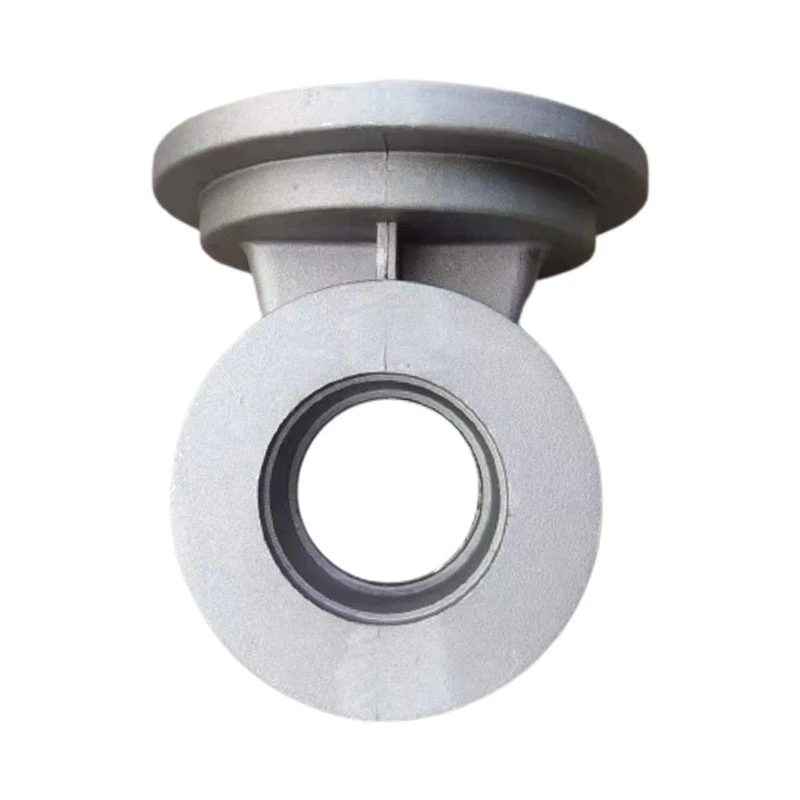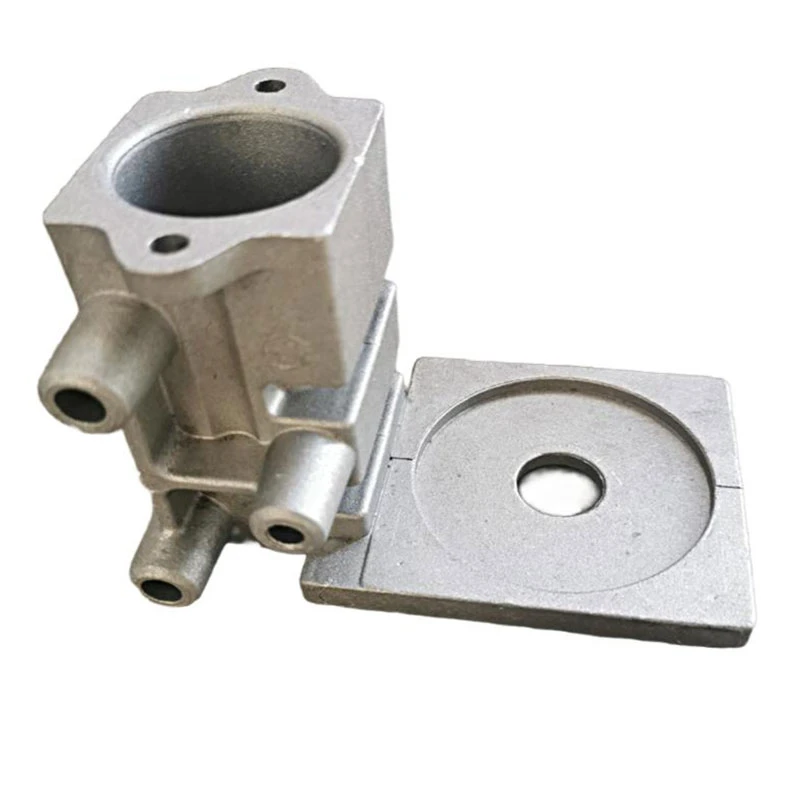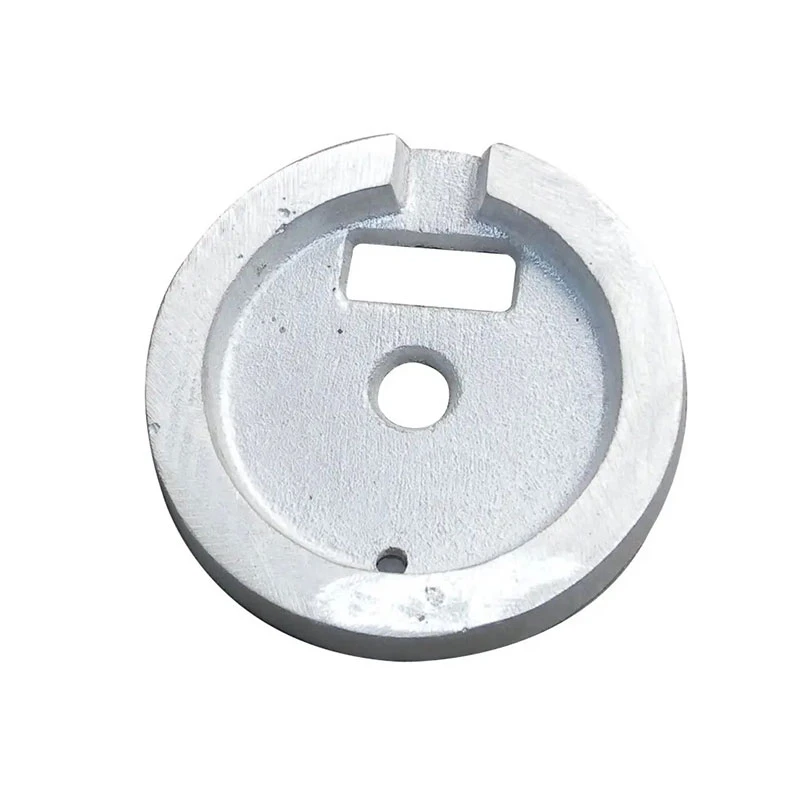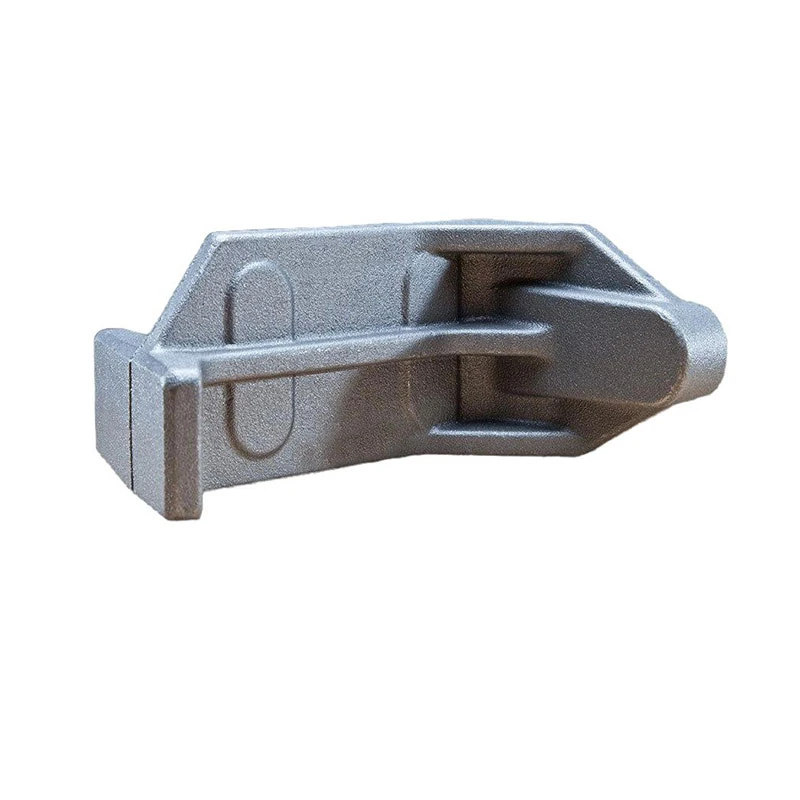



Precision Valve for Ultra-Accurate, Leak-Tight Flow Control
OEM Precision Castings Valve: what buyers really check (and what they skip)
If you source flow-control hardware, you already know the stakes. Here’s what a Precision Valve needs to deliver in 2025: tight tolerance, stable metallurgy, repeatable sealing, and a data trail your auditors won’t argue with. The Oem Precision Castings Valve line from Hairun Sourcing (origin: 3rd Floor, No. 678 Jinxiu Street, Baoding, China) aims straight at that brief—and, to be honest, the market timing is good. Demand is drifting toward compact, hygienic, and hydrogen-tolerant designs, while buyers want faster iterations without losing QA rigor.
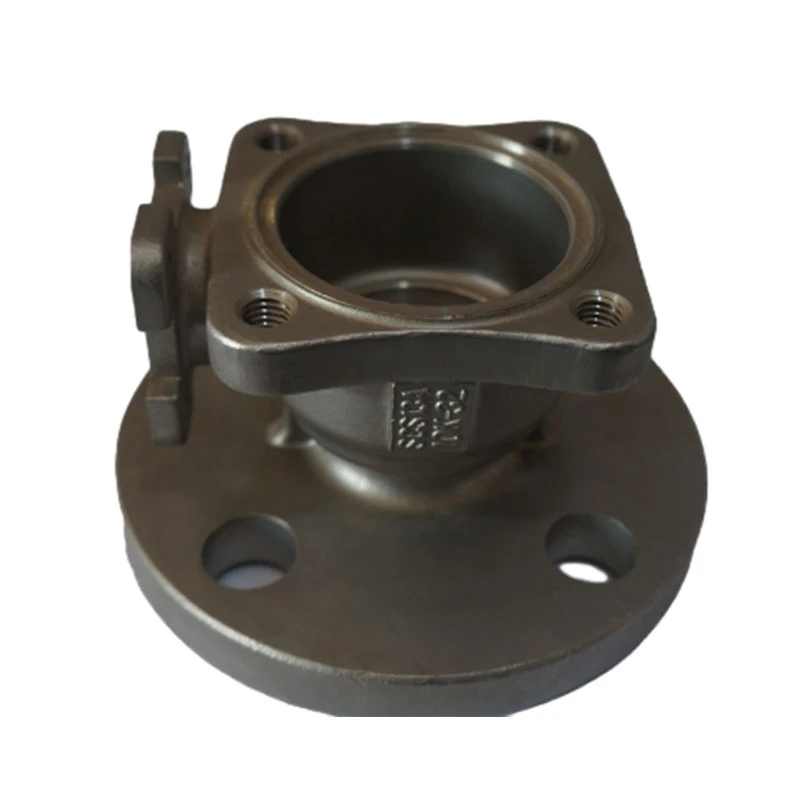
What’s inside the build
Materials include stainless steel, alloy steel, carbon steel, plus ductile and grey iron. Real-world use may vary, but we’ve seen stable performance with CF8M and WCB bodies and PTFE/FKM seals in mixed media. Actually, machining consistency is the hidden hero here: the better the seat finish, the fewer warranty claims—many customers say that’s what they notice after six months.
| Specification | Details (≈ means typical) |
|---|---|
| Materials | Stainless (e.g., ASTM A351 CF8/CF8M), alloy steel, carbon steel (e.g., WCB), ductile/grey iron |
| Size & Unit Weight | Based on customer drawings/samples |
| Pressure Rating | Up to Class 300 / PN40 (≈ typical build; confirm per design) |
| Temperature Window | ≈ −40 to 200°C with PTFE/FKM; media-specific |
| Surface Finish | Machined Ra ≈ 1.6 μm; electropolish optional (sanitary) |
| Leakage Class | ISO 5208 Rate A–D (design-dependent) |
| Actuation | Manual, pneumatic, or electric |
| Service Life | ≈ 500k–1,000k cycles in clean media (application-dependent) |
| Customization | Yes; geometry, alloys, coatings, and testing plan |
Process flow (short version)
- Material certification: EN 10204 3.1 traceability; PMI on arrival.
- Investment casting (lost wax), then CNC finishing; critical bores honed.
- Heat treatment: solution anneal for stainless; stress relief as needed.
- Surface: passivation; optional electropolish for sanitary skids.
- Assembly with PTFE/FKM/EPDM seals; torque specs logged.
- Testing: hydrostatic/air per API 598 / ISO 5208; DP NDT (ASTM E165); salt spray (ASTM B117) on coated parts; dimensional CMM. Documentation stored against lot ID.
Where a Precision Valve earns its keep
- Oil & gas skids, chemical dosing, water treatment manifolds.
- Food, beverage, and dairy (CIP/SIP), cosmetics—cleanability matters.
- Battery and EV thermal loops; compressed air and inert gas trains.
- Hydrogen pilots (verify materials vs. NACE MR0175/ISO 15156).
Industry trends I keep seeing
Smaller footprints, smarter actuation (position feedback out of the box), and upgraded alloys for sour service. Surprisingly, buyers also ask for simpler documentation packs—clean test data, fewer PDFs. A Precision Valve that ships with tidy QC records wins quotes.
Vendor snapshot (rough, but useful)
| Vendor | Materials | Certs | MOQ | Lead Time | Customization |
|---|---|---|---|---|---|
| Hairun Sourcing (Baoding) | SS, alloy, carbon, ductile/grey iron | ISO 9001; test per API 598/ISO 5208 | ≈ 50 pcs | ≈ 4–8 weeks | High (drawings to PPAP-lite) |
| EU Integrator | Primarily SS | ISO 9001, PED (where applicable) | ≈ 10–20 pcs | ≈ 6–10 weeks | Medium (configurable) |
| Low-Cost Jobber | Mixed | Basic QA | ≈ 200 pcs | ≈ 8–12 weeks | Low |
Customization, framed for engineers
Send CAD + media details + duty cycle. Expect DFM feedback on wall thickness, draft, and seat geometry. For a Precision Valve, we usually lock alloy choice first (chlorides? H2S?), then sealing stack, then test plan (hydro, air, NDT). PPAP-style documentation available on request.
Mini case notes
- Food-grade CIP loop: electropolished 316L body; ISO 5208 Rate A; 0 visible defects in 1,000-hour cycle test (ambient to 90°C water).
- Water treatment skid: WCB body, epoxy coat; hydro test at 1.5× design pressure; cycle life ≈ 600k with PTFE seats (clean water).
Customer feedback: “Seat finish was cleaner than spec, torque was consistent; install crew asked for the same valves next expansion.”
Compliance & notes
Typical references include API 598, ISO 5208 leakage tests, ASTM A351 for stainless castings, and NACE MR0175 for sour service compatibility. ISO 9001 QMS and EN 10204 3.1 material certs available. Always validate against your regional code and medium.
Authoritative citations
- API 598: Valve Inspection and Testing
- ISO 5208: Industrial valves—Pressure testing of metallic valves
- ASTM A351/A351M: Standard Specification for Castings, Austenitic, for Pressure-Containing Parts
- NACE MR0175 / ISO 15156: Petroleum and natural gas industries—Materials for use in H2S-containing environments
- ISO 9001: Quality management systems—Requirements
-
Comprehensive Guide to Automotive Die Casting for Enhanced Vehicle PerformanceNewsJan.27,2026
-
Comprehensive Guide to Aluminum Pressure Die Casting Manufacturing ProcessesNewsJan.27,2026
-
Hot Chamber Die Casting vs Cold Chamber Die Casting ExplainedNewsJan.06,2026
-
Hot Chamber And Cold Chamber Die Casting Solutions for Industrial Applications | Hairun SourcingNewsJan.06,2026
-
Hot and Cold Chamber Die Casting: Key Insights from Industry ExpertsNewsJan.06,2026
-
Comprehensive Guide on Graphite Die Casting for B2B Manufacturing | HairunSourcingNewsJan.05,2026