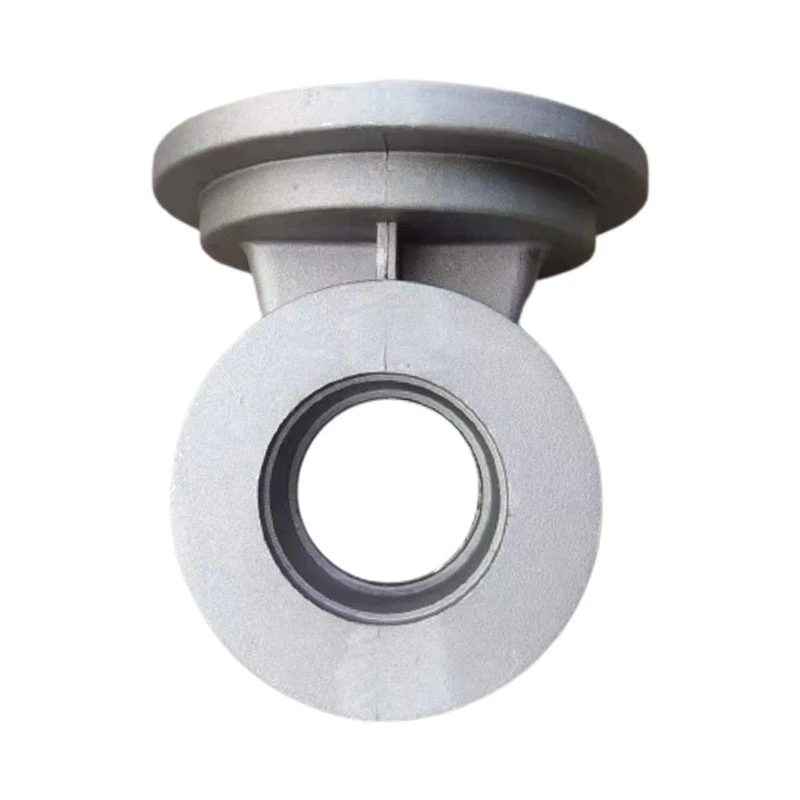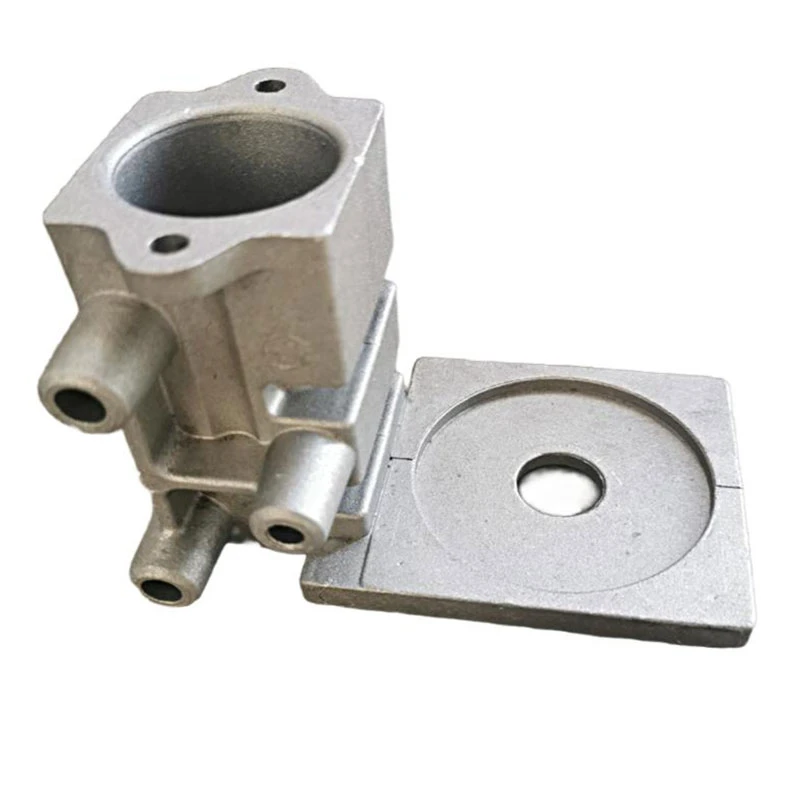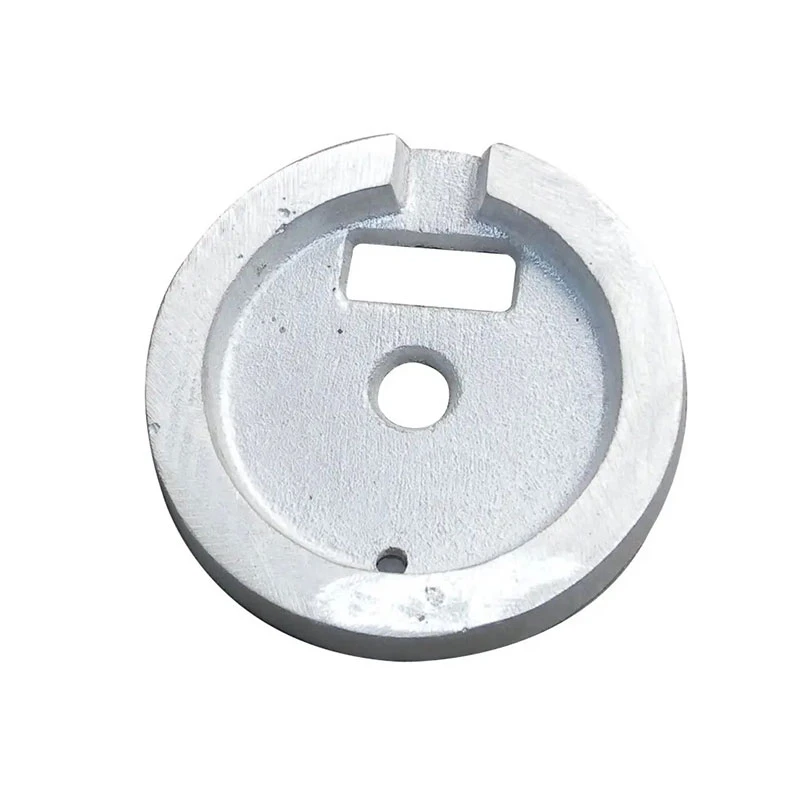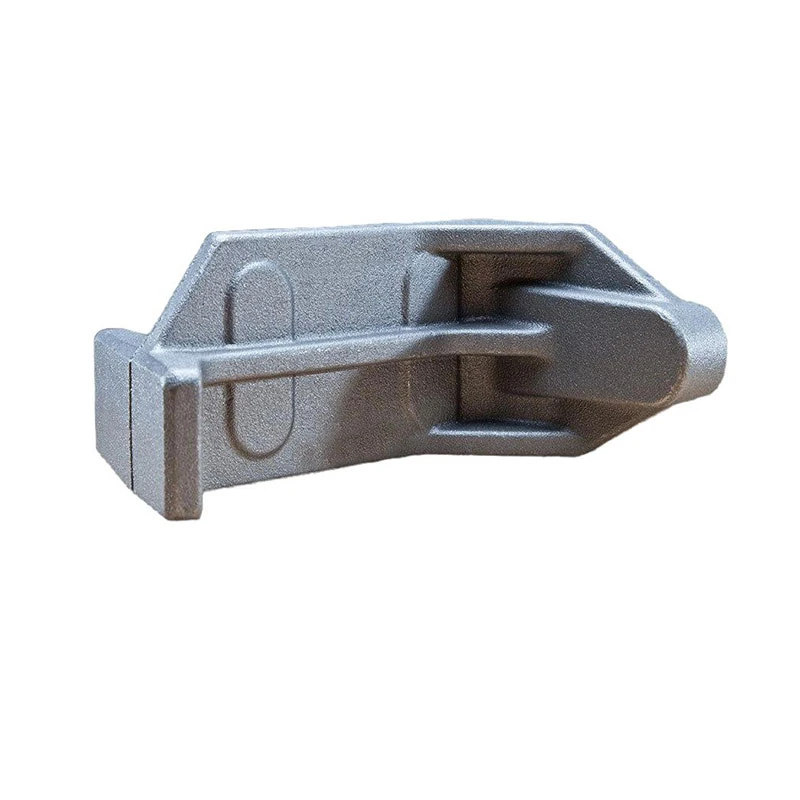



Precision OEM Stamping Parts | Custom Metal Stamping Solutions
Understanding OEM Stamping Parts in Modern Manufacturing
In the rapidly evolving landscape of B2B manufacturing, the demand for precision-engineered components is paramount. OEM stamping parts are foundational elements across a multitude of industries, providing cost-effective, high-volume solutions for intricate component requirements. These parts, produced through advanced metal forming techniques, are critical for maintaining the structural integrity and operational efficiency of end products. From automotive chassis to electronic enclosures and medical devices, the reliability and consistency of these components directly impact overall product performance and market competitiveness.
Original Equipment Manufacturer (OEM) stamping refers to the process of creating custom metal components designed precisely to a client's specifications, intended for integration into their larger assemblies or products. This specialized manufacturing discipline leverages advanced tooling and machinery to transform sheet metal into complex geometries with high precision and repeatability. The ability to produce parts with tight tolerances and consistent quality on a large scale makes OEM stamping an indispensable process for businesses seeking to optimize their supply chain and product development cycles.
Key Industry Trends in OEM Metal Stamping
The OEM metal stamping sector is continually adapting to technological advancements and shifting market demands. Current trends highlight a strong emphasis on automation, smart manufacturing, and sustainable practices. The integration of robotics and artificial intelligence (AI) in stamping lines is enhancing precision, reducing human error, and accelerating production cycles. Furthermore, the push for lightweighting in industries like automotive and aerospace is driving innovation in material science, leading to the use of high-strength, low-alloy (HSLA) steels, aluminum alloys, and advanced composites that can be precisely formed.
- Automation and Industry 4.0 Integration: Smart factories utilizing IoT sensors, real-time data analytics, and robotic press tending are becoming standard, optimizing efficiency and predictive maintenance.
- Advanced Materials: Increasing use of specialized alloys, such as ultra-high-strength steel (UHSS) and lightweight aluminum, to meet performance and fuel efficiency targets.
- Sustainable Manufacturing: Focus on energy-efficient presses, waste reduction, and recycling programs to minimize environmental impact.
- Precision and Miniaturization: Growing demand for intricate, small-scale oem stamping parts for electronics and medical devices, requiring micro-stamping capabilities.
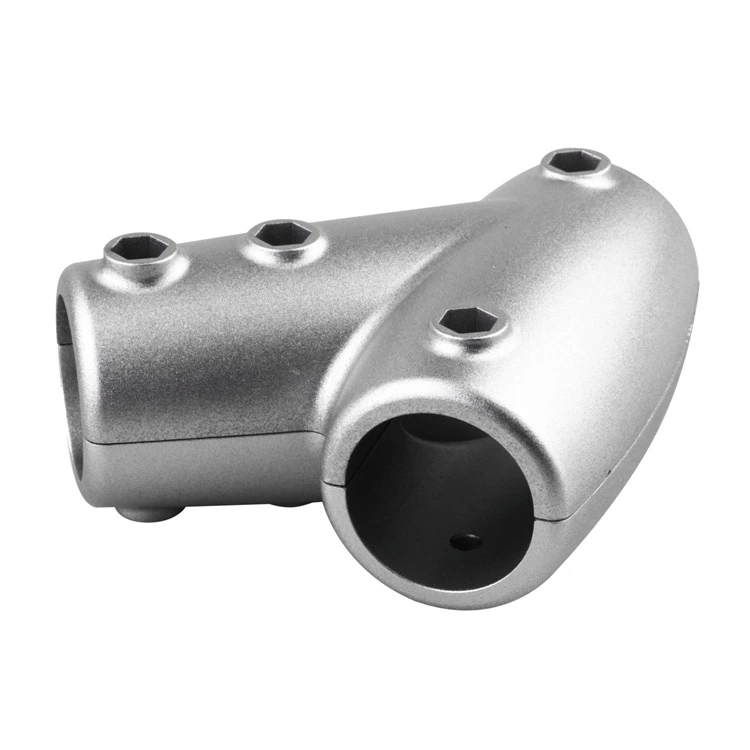
Modern production lines for high-precision OEM stamping parts.
Detailed Process Flow for OEM Stamping Parts Manufacturing
The creation of oem stamping parts is a multi-stage process, meticulously controlled to ensure adherence to stringent design specifications and quality standards. This process encompasses everything from initial design conceptualization to final inspection and delivery.
1. Design and Tooling Development
- Conceptualization & CAD: Detailed 3D models are developed using CAD software based on client blueprints. Finite Element Analysis (FEA) is often employed to simulate stamping processes, predict material flow, and identify potential failure points before physical tooling is made, optimizing the design for manufacturability (DFM).
- Die Design: Engineers design precision dies (e.g., progressive dies, compound dies, deep draw dies) that will form the metal sheet. Material selection for dies (e.g., tool steel D2, A2) is critical for durability and precision.
- Tooling Fabrication: CNC machining, wire EDM, and grinding are used to produce the dies with micron-level precision. Heat treatment is applied to enhance die hardness and wear resistance.
2. Material Selection and Preparation
- Material Diversity: Common materials include various grades of steel (e.g., cold-rolled steel, stainless steel 304/316, galvanized steel), aluminum alloys (e.g., 5052, 6061), copper, brass, and nickel alloys. Selection depends on application requirements like strength, corrosion resistance, electrical conductivity, and weldability.
- Material Specifications: Raw materials conform to international standards such as ASTM, DIN, JIS, ensuring consistent mechanical properties and chemical composition.
- Preparation: Sheet metal coils or blanks are prepared, often cleaned or lubricated to facilitate the stamping process and prevent die wear.
3. Stamping Operations
This phase involves various metal forming techniques:
- Blanking: Cutting a flat piece of sheet metal (the "blank") from a larger coil or sheet.
- Piercing/Punching: Creating holes or cutouts within the blank.
- Bending: Forming the metal along a straight line.
- Deep Drawing: Forming sheet metal into a hollow shape (e.g., cups, enclosures) with a depth greater than its opening diameter. This is a crucial process for complex geometries and often involves multiple draws and annealing steps.
- Coining: A high-pressure process that indents or embosses details onto the metal surface, resulting in extremely accurate features and sharp details.
- Progressive Die Stamping: A single die set performs multiple operations (blanking, piercing, bending) in sequence as the strip metal progresses through different stations, ideal for high-volume production of complex parts.
4. Post-Stamping Processes
- Deburring: Removing sharp edges or burrs resulting from the stamping process using vibratory finishing, tumbling, or specialized machinery.
- Heat Treatment: Annealing, hardening, or tempering to modify material properties, such as increasing ductility for subsequent forming or enhancing hardness and strength.
- Surface Finishing: Applied for aesthetic purposes, corrosion resistance, or improved wear properties. This includes powder coating, electroplating (zinc, nickel, chrome), anodizing, passivation, or E-coating.
- Assembly: For complex components, multiple stamped parts may be assembled via welding (spot, laser, TIG), riveting, or fastening.
5. Quality Control and Testing
Rigorous testing ensures that oem stamping parts meet the highest standards.
- Dimensional Inspection: Using CMM (Coordinate Measuring Machine), optical comparators, micrometers, and calipers to verify all critical dimensions and tolerances. Statistical Process Control (SPC) charts monitor production consistency.
- Material Testing: Hardness testing (Rockwell, Vickers), tensile strength testing, and spectrographic analysis confirm material properties and composition.
- Performance Testing: Salt spray testing for corrosion resistance (e.g., ASTM B117), fatigue testing, and functional fit checks.
- Certification: Adherence to international standards like ISO 9001 (Quality Management), IATF 16949 (Automotive), and AS9100 (Aerospace) is crucial for authoritative recognition.
The typical service life of well-engineered oem stamping parts can range from several years to decades, depending on material, application environment, and surface treatment. For instance, stainless steel parts in a petrochemical environment with proper passivation can exceed 20 years, while galvanized steel components in outdoor applications might have a 10-15 year lifespan.
Technical Specifications and Parameters
Precision and adherence to specifications are non-negotiable for oem stamping parts. Below is a table outlining typical technical parameters.
Typical Product Specifications for OEM Stamping Parts
| Parameter | Typical Range/Value | Description/Standard |
|---|---|---|
| Material Thickness | 0.1 mm - 10 mm (0.004 in - 0.4 in) | Dependent on material and application. |
| Dimensional Tolerance | ±0.05 mm (±0.002 in) standard; down to ±0.01 mm (±0.0004 in) for precision. | Per ISO 2768-m or custom client specification. |
| Surface Roughness (Ra) | 0.8 µm - 3.2 µm (32 - 125 µinch) | Before post-finishing processes. |
| Material Hardness | Variable (e.g., Steel: 40-60 HRC; Aluminum: 60-150 HB) | Dependent on material grade and heat treatment. |
| Tensile Strength | 200 MPa - 1500 MPa | Varies widely by material (e.g., mild steel vs. UHSS). |
| Finish Options | Powder coating, plating (Zn, Ni, Cr), anodizing, passivation, E-coating, polished. | For corrosion resistance, aesthetics, or wear. |
| Typical Batch Sizes | 1,000 to over 1,000,000 units | High-volume production is where stamping excels. |
These parameters are meticulously controlled through various stages, utilizing advanced measurement equipment like 3D scanners and profilometers. For instance, modern CMMs can achieve measurement uncertainties as low as 0.002 mm, ensuring that even the most complex geometries of oem stamping parts meet specified criteria.
Application Scenarios and Target Industries
The versatility of oem stamping parts makes them indispensable across a broad spectrum of industries, enabling reliable and cost-effective manufacturing solutions.
- Automotive Industry: Components for vehicle bodies (e.g., brackets, chassis parts, internal structural components), engine parts, exhaust systems, and interior hardware. Advantages include significant weight reduction (energy saving through lighter vehicles) and high corrosion resistance for exposed parts.
- Electronics: Enclosures, connectors, heat sinks, EMI/RFI shielding, and internal components for consumer electronics, industrial controls, and telecommunications equipment. Essential for precision fit and electromagnetic compatibility.
- Medical Devices: Housings, internal components for surgical instruments, diagnostic equipment, and patient monitoring systems. Requires materials with biocompatibility and often intricate, sterile-grade finishes.
- Aerospace & Defense: Brackets, structural elements, and internal components for aircraft and defense systems. Demands extreme precision, high strength-to-weight ratios, and compliance with rigorous industry standards (e.g., AS9100).
- Petrochemical and Energy: Gaskets, flanges, pipe hangers, and specialized fittings for oil & gas infrastructure, power generation, and renewable energy systems. Emphasizes corrosion resistance, high-temperature stability, and durability in harsh environments.
- Construction and Architecture: Connectors, brackets, mounting hardware, and decorative elements. Often involves larger gauge materials and robust surface treatments for outdoor exposure.
- Water Supply & Drainage: Components for pumps, valves, filtration systems, and piping infrastructure. Crucial for long-term corrosion resistance and integrity in wet or chemically aggressive environments.
- Agriculture: Components for machinery, implements, and irrigation systems. Requires durable, weather-resistant parts that can withstand demanding outdoor conditions.
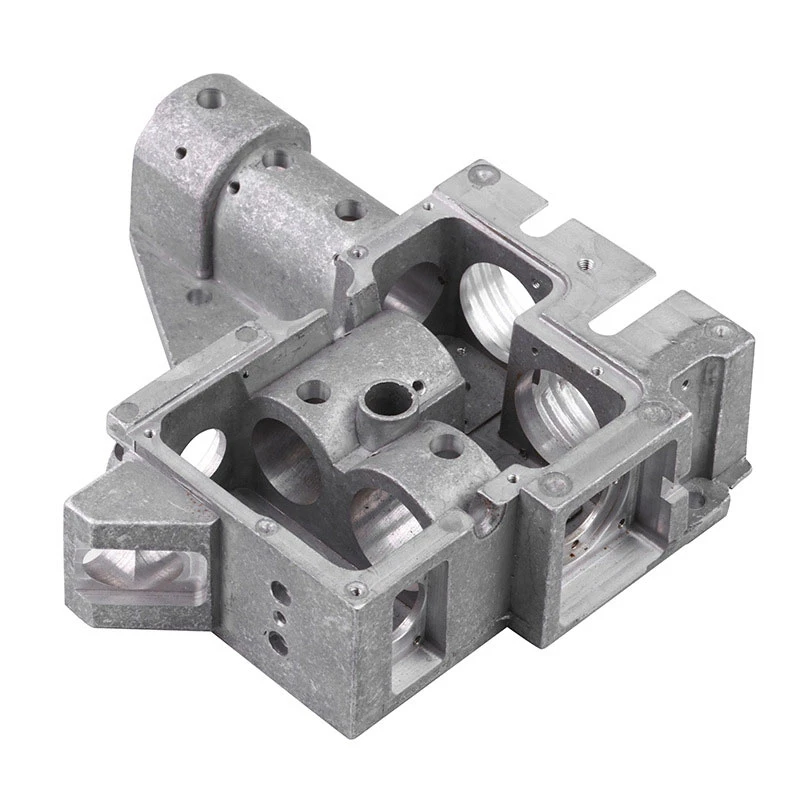
Versatile OEM stamped components ready for various industrial applications.
Technical Advantages of High-Quality OEM Stamping
Investing in expertly produced oem stamping parts delivers significant advantages to B2B clients, impacting both product performance and manufacturing economics.
- Cost-Effectiveness at Scale: Once tooling is established, stamping offers the lowest per-unit cost for high-volume production compared to processes like CNC machining or casting, especially for intricate designs.
- High Repeatability and Precision: Stamping dies ensure consistent dimensional accuracy across millions of parts, crucial for complex assemblies and interoperability. Tolerances can often be held within ±0.02mm, which is critical for demanding applications.
- Material Optimization: Stamping processes are highly efficient in material usage, minimizing scrap rates, particularly with progressive dies and careful nesting strategies.
- Enhanced Material Properties: The cold working inherent in stamping can improve the strength and hardness of the metal, leading to stronger, more durable components without additional heat treatment in some cases.
- Versatility in Design and Materials: Capable of forming complex 3D shapes, intricate features, and working with a wide range of metals, including high-strength alloys and specialized conductive materials.
- Reduced Lead Times for Mass Production: Once tooling is ready, production cycles are extremely fast, allowing for quick scaling to meet market demand.
- Energy Saving Potential: By enabling lightweight design in end products (e.g., automotive), oem stamping parts contribute to overall energy efficiency. For example, a 10% reduction in vehicle weight can lead to a 6-8% improvement in fuel economy.
- Corrosion Resistance: Through appropriate material selection (e.g., stainless steel, galvanized steel) and advanced surface treatments (e.g., powder coating, E-coating), stamped parts can achieve superior resistance to rust and chemical degradation, extending product lifespan in harsh environments.
Vendor Comparison: Selecting the Right OEM Stamping Partner
Choosing the right oem stamping vendor is a critical decision that impacts product quality, cost, and delivery timelines. Key factors to consider include technical capabilities, quality certifications, experience, and commitment to customer service.
OEM Stamping Vendor Comparison Matrix
| Feature/Criterion | Vendor A (Typical) | Hairun Sourcing (Example of High-Quality) |
|---|---|---|
| Certifications | ISO 9001:2015 | ISO 9001:2015, IATF 16949 (if automotive focused), ISO 14001 |
| Material Expertise | Common steels, some aluminum | Comprehensive range: Carbon steel, stainless steel, aluminum, brass, copper, specialized alloys (e.g., HSLA, inconel) |
| Tolerance Capabilities | Standard commercial tolerances (e.g., ±0.1mm) | Precision tolerances down to ±0.01mm for critical features |
| Design for Manufacturability (DFM) Support | Basic feedback | Proactive engineering consultation, FEA simulation, cost optimization |
| Quality Control | Spot checks, basic gauges | CMM, optical inspection, SPC, FMEA, PPAP reporting, in-process and final inspection |
| Post-Processing Capabilities | Limited (e.g., deburring) | Extensive: Heat treatment, plating, coating, assembly, welding, surface finishing |
| Project Management | Standard communication | Dedicated project managers, transparent communication, regular updates |
| Lead Time for Tooling | 4-8 weeks | 3-6 weeks (optimized design/tooling process) |
A robust vendor will demonstrate a track record of consistently meeting or exceeding customer expectations, particularly in critical applications where performance and reliability are paramount. Partnering with a company that offers comprehensive engineering support and a wide range of value-added services can significantly streamline your supply chain.
Customized Solutions for Unique Requirements
True value in oem stamping parts often comes from the ability to deliver highly customized solutions that precisely match unique client needs. This goes beyond merely producing a part from a drawing; it involves collaborative engineering to optimize design for performance, cost, and manufacturability.
- Engineering Collaboration: Working closely with client R&D teams to refine designs, select optimal materials, and identify the most efficient stamping processes. This can involve iterative prototyping and simulations.
- Material Specialization: Sourcing and working with unique or exotic alloys (e.g., Inconel for high-temperature applications, specific grades of titanium) to meet extreme environmental or performance demands.
- Complex Geometry Expertise: Developing custom tooling and leveraging advanced techniques like multi-stage deep drawing or fine blanking to achieve complex geometries with tight tolerances that might be challenging for other manufacturing methods.
- Integrated Assemblies: Providing value-added assembly services, integrating stamped components with other manufactured parts (e.g., CNC machined, plastic injection molded) to deliver a sub-assembly, reducing complexity for the client.
- Specialized Finishing: Applying custom surface treatments, such as proprietary coatings for enhanced abrasion resistance or specific color matching for aesthetic integration.
- Logistics and Packaging: Tailoring packaging solutions for specific shipping requirements, delicate parts, or automated assembly lines at the client's facility.
By focusing on customized solutions, suppliers of oem stamping parts act as extensions of their clients' engineering departments, driving innovation and efficiency.
Application Case Studies
Real-world examples illustrate the impact of high-quality oem stamping parts in critical applications.
Case Study 1: Automotive Braking System Component
A leading automotive Tier 1 supplier required a critical bracket for a new generation ABS braking system. The component needed to be lightweight, exhibit high fatigue strength, and maintain precise dimensions under varying thermal and vibrational loads. Our engineering team collaborated to redesign the part for progressive die stamping using a high-strength low-alloy (HSLA) steel. Through careful die design and process control, we achieved a weight reduction of 15% compared to the previous cast component, while exceeding fatigue life requirements by 25%. This directly contributed to the vehicle's fuel efficiency targets and enhanced safety performance. Production ramped up to over 500,000 units per month with zero defects reported from the client's assembly line over two years.
Case Study 2: Medical Device Enclosure
A medical equipment manufacturer needed a sophisticated enclosure for a portable diagnostic device. The requirements included a smooth, burr-free surface, strict dimensional accuracy for sealing against fluids, and a specific aesthetic finish for sterile environments. Using stainless steel 316L, known for its biocompatibility and corrosion resistance, we developed a multi-stage deep drawing process. Post-stamping, parts underwent electropolishing and passivation to achieve an ultra-smooth finish compliant with FDA guidelines. The consistent quality and precise fit ensured the device's ingress protection (IP) rating was met, and the aesthetics aligned perfectly with the brand's premium image, leading to positive customer feedback on device durability and hygiene.
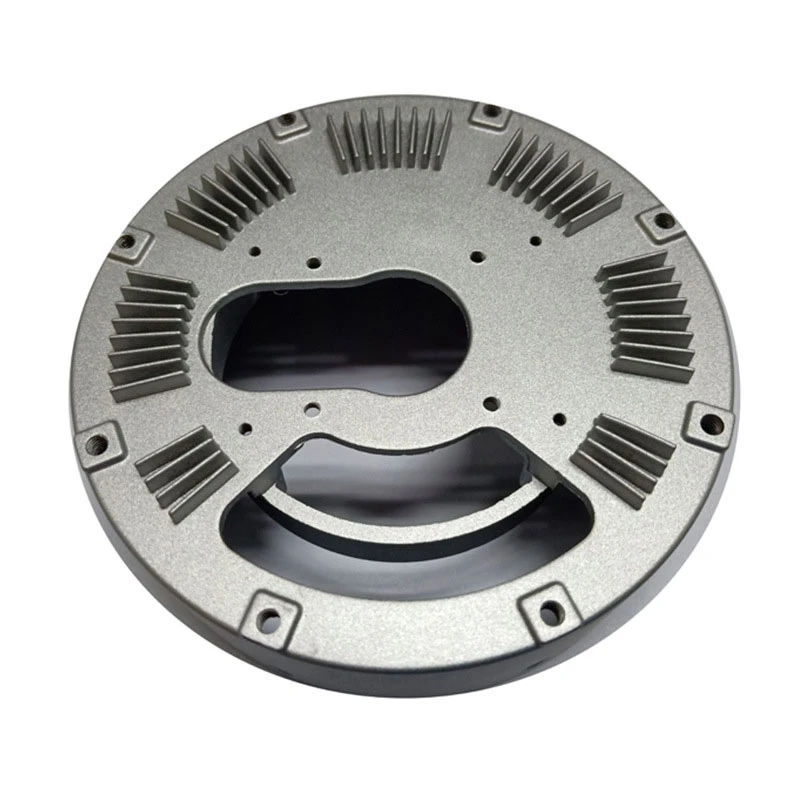
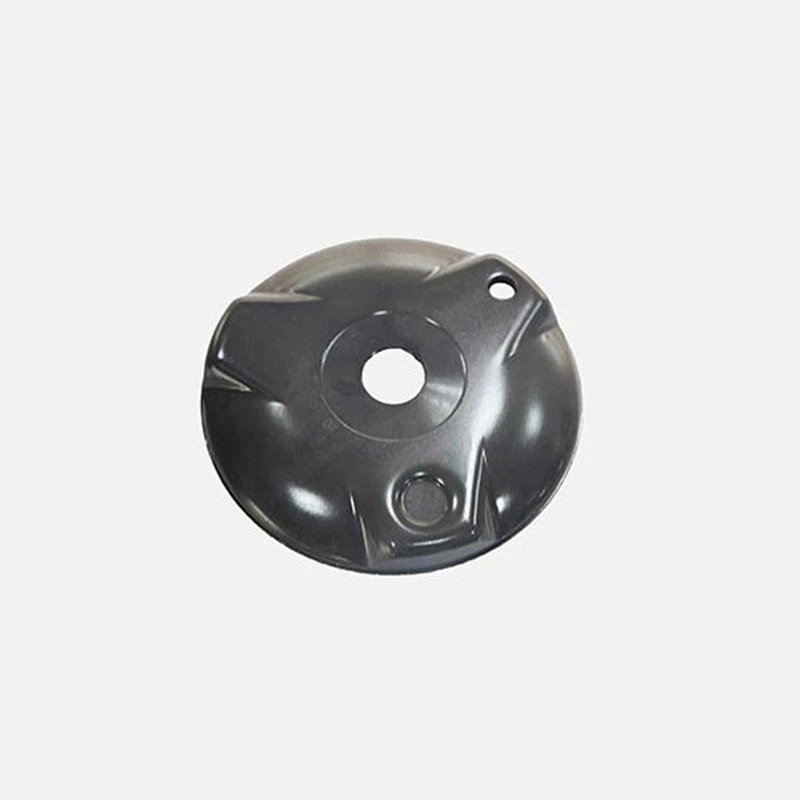
Precision-engineered OEM stamping parts ready for integration into advanced systems.
Ensuring Trustworthiness: FAQ, Lead Times, Warranty, & Support
Frequently Asked Questions (FAQ)
Q1: What file formats do you accept for design specifications?
A1: We primarily accept CAD files such as STEP, IGES, SolidWorks, AutoCAD DWG/DXF, and PDF drawings. Our engineering team can also work with 2D sketches for initial concept development.
Q2: What is the typical lead time for new oem stamping parts projects?
A2: Tooling lead times typically range from 3-8 weeks, depending on complexity. Once tooling is approved and materials are on hand, production can commence, with typical lead times for initial production runs being 2-4 weeks. Subsequent order lead times are often 1-2 weeks for standard parts.
Q3: What are your quality assurance processes?
A3: We adhere to ISO 9001:2015 certified quality management systems. Our processes include initial sample inspection (FAI), in-process Statistical Process Control (SPC), final dimensional inspection using CMM, material certification, and comprehensive test reports for mechanical properties and surface finishes (e.g., salt spray tests). We also offer PPAP documentation upon request.
Q4: Do you offer prototyping services for oem stamping parts?
A4: Yes, we provide prototyping services using various methods, including laser cutting, CNC bending, and soft tooling, to validate designs before investing in hard tooling. This ensures optimal functionality and manufacturability.
Warranty and After-Sales Support
We stand behind the quality of our oem stamping parts with a comprehensive warranty against manufacturing defects. Details are provided with each specific contract, ensuring peace of mind for our clients. Our dedicated after-sales support team is available to address any technical queries, provide replacement parts, or offer troubleshooting assistance. We prioritize rapid response and effective resolution to maintain uninterrupted operations for your business. Our goal is to build long-term partnerships based on reliability and trust.
For immediate assistance, please visit our contact page or reach out to your dedicated project manager. Our technical support hours are [Specify Hours, e.g., Monday-Friday, 8:00 AM - 5:00 PM EST].
References
- American Society for Testing and Materials (ASTM) International. (Various Standards for Materials Testing). ASTM.org.
- International Organization for Standardization (ISO). (ISO 9001:2015 - Quality management systems). ISO.org.
- SAE International. (IATF 16949:2016 - Automotive quality management system standard). SAE.org.
- ASM International. (ASM Handbook, Volume 14B: Metalworking: Sheet Forming). Asminternational.org.
- The Fabricator. (Various articles on metal stamping trends and technologies). TheFabricator.com.
-
Comprehensive Guide to Automotive Die Casting for Enhanced Vehicle PerformanceNewsJan.27,2026
-
Comprehensive Guide to Aluminum Pressure Die Casting Manufacturing ProcessesNewsJan.27,2026
-
Hot Chamber Die Casting vs Cold Chamber Die Casting ExplainedNewsJan.06,2026
-
Hot Chamber And Cold Chamber Die Casting Solutions for Industrial Applications | Hairun SourcingNewsJan.06,2026
-
Hot and Cold Chamber Die Casting: Key Insights from Industry ExpertsNewsJan.06,2026
-
Comprehensive Guide on Graphite Die Casting for B2B Manufacturing | HairunSourcingNewsJan.05,2026