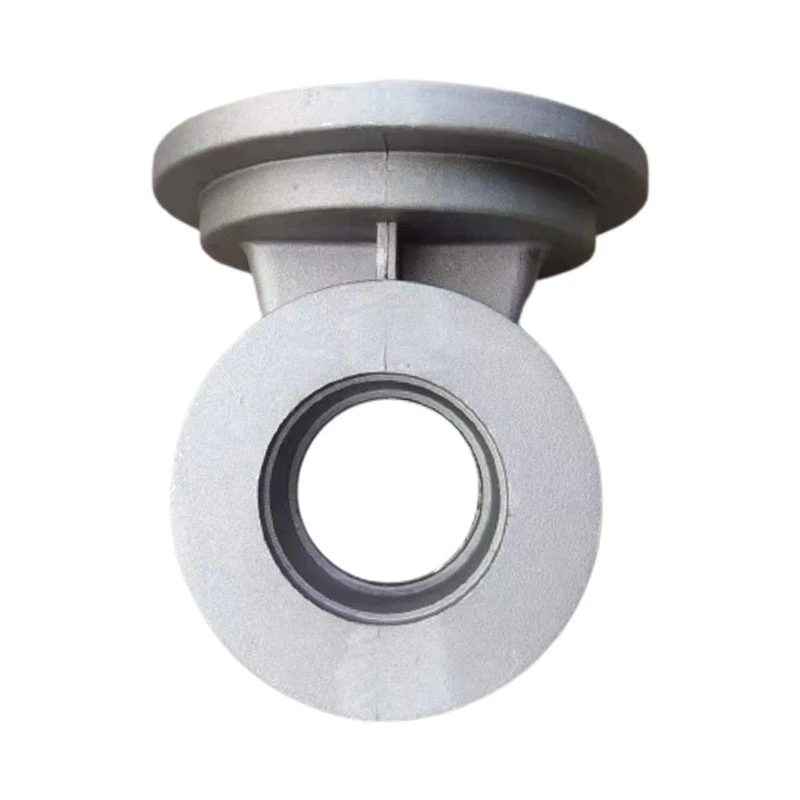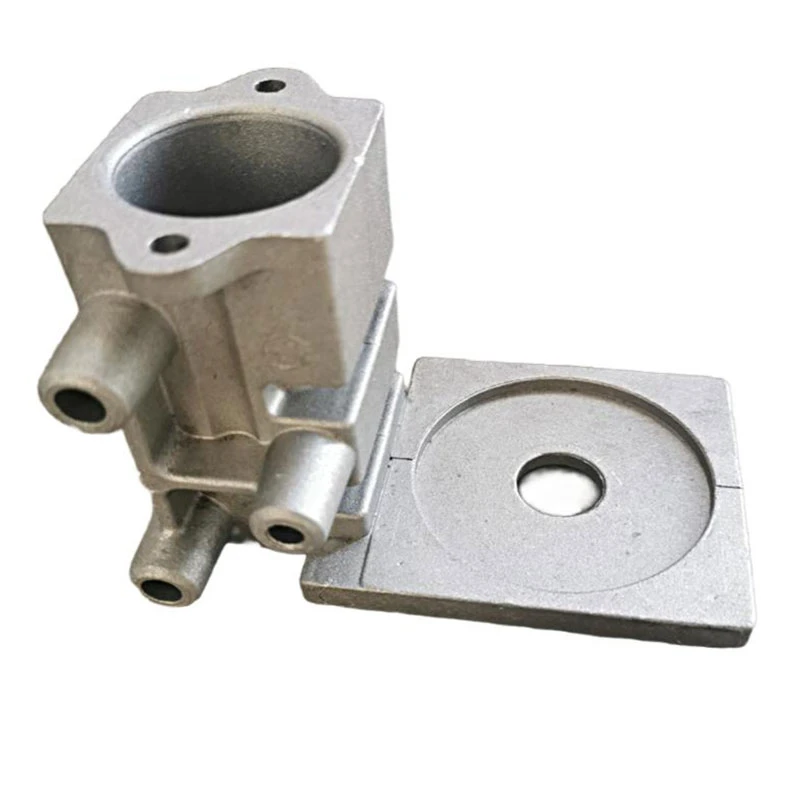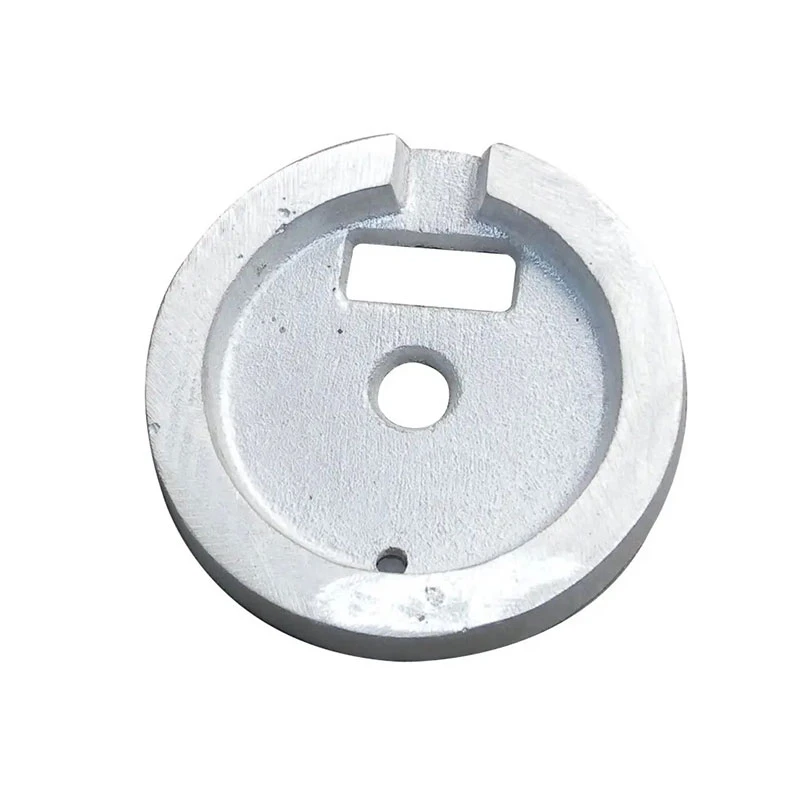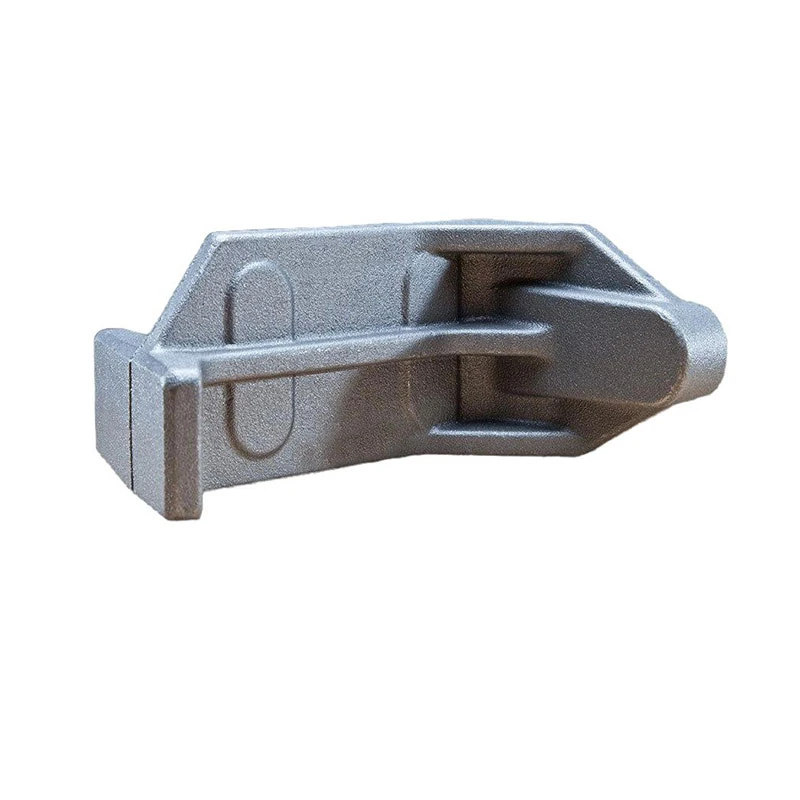



Precision OEM Connectors: Reliable, Custom Solutions
Introduction to OEM Connectors for Industrial and Automotive Applications
In today's complex and interconnected industrial landscape, the reliability and performance of electrical and data connections are paramount. At the heart of many critical systems are oem connectors, components specifically designed and manufactured to meet the exact specifications of original equipment manufacturers. These specialized connectors are indispensable across a multitude of sectors, from high-performance automotive systems to demanding industrial machinery, ensuring seamless integration and optimal functionality. Their role extends beyond mere connectivity; they are engineered to withstand harsh environments, transmit data and power efficiently, and provide long-term stability.
This comprehensive overview delves into the intricate world of oem connectors, exploring their manufacturing processes, technical advantages, diverse application scenarios, and the stringent quality standards that govern their production. We will examine the latest industry trends, provide detailed technical insights, and discuss how customized solutions address specific client challenges. The objective is to provide B2B decision-makers and engineers with a thorough understanding of these critical components, facilitating informed choices for their next-generation designs and systems.
Evolving Industry Trends in OEM Connectors
The landscape of oem electrical connectors is continuously evolving, driven by rapid advancements in technology and increasingly stringent performance demands across various industries. One significant trend is the push towards miniaturization, where connectors must deliver robust performance in smaller footprints to accommodate the compact designs of modern electronic systems. This is particularly evident in oem automotive wiring connectors, where space is at a premium and complexity is growing with the proliferation of sensors and electronic control units.
Key Trends Shaping the OEM Connector Market:
- High-Speed Data Transmission: The rise of IoT, autonomous vehicles, and industrial automation necessitates connectors capable of handling ever-increasing data rates without signal degradation. This requires superior shielding, impedance control, and advanced contact designs.
- Environmental Ruggedization: Connectors are increasingly exposed to harsh conditions, including extreme temperatures, vibration, moisture, and corrosive substances. This drives demand for materials and designs that offer enhanced durability and ingress protection (IP ratings).
- Modularity and Customization: While OEMs seek standardized reliability, there's also a growing need for modular systems that allow for quick configuration and customization, reducing development time and costs.
- Power Efficiency: As energy costs rise and sustainability becomes a core focus, connectors are being optimized for minimal power loss, contributing to overall system efficiency.
- Smart Connectivity: The integration of intelligence into connectors, such as sensor capabilities for predictive maintenance or self-monitoring features, represents an emerging frontier.
These trends underscore a market demand for sophisticated oe connectors that are not only robust and reliable but also intelligent, efficient, and adaptable to future technological shifts. Manufacturers are investing heavily in R&D to meet these complex requirements, often leveraging advanced materials science and precision engineering.
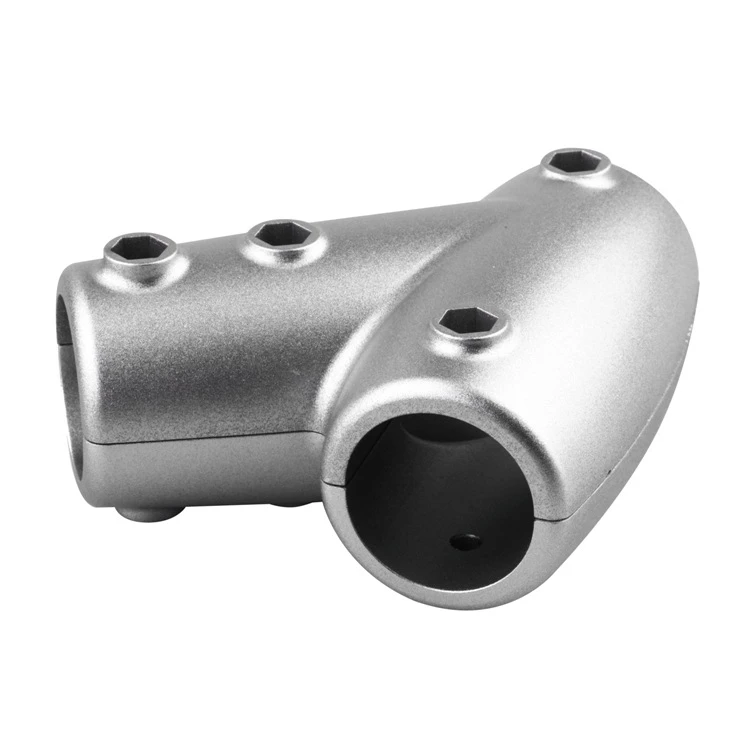
Manufacturing Process of Oem Die Casting Connectors
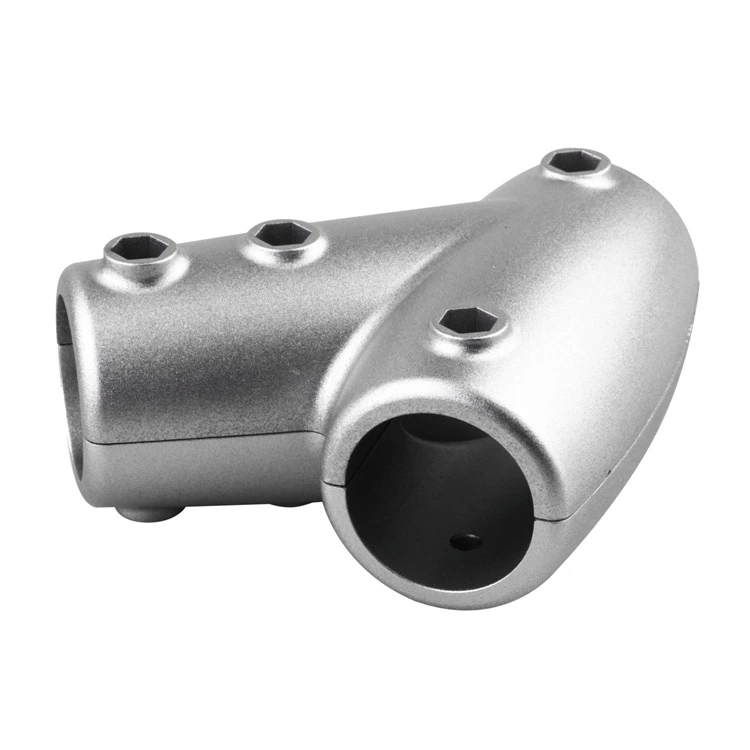
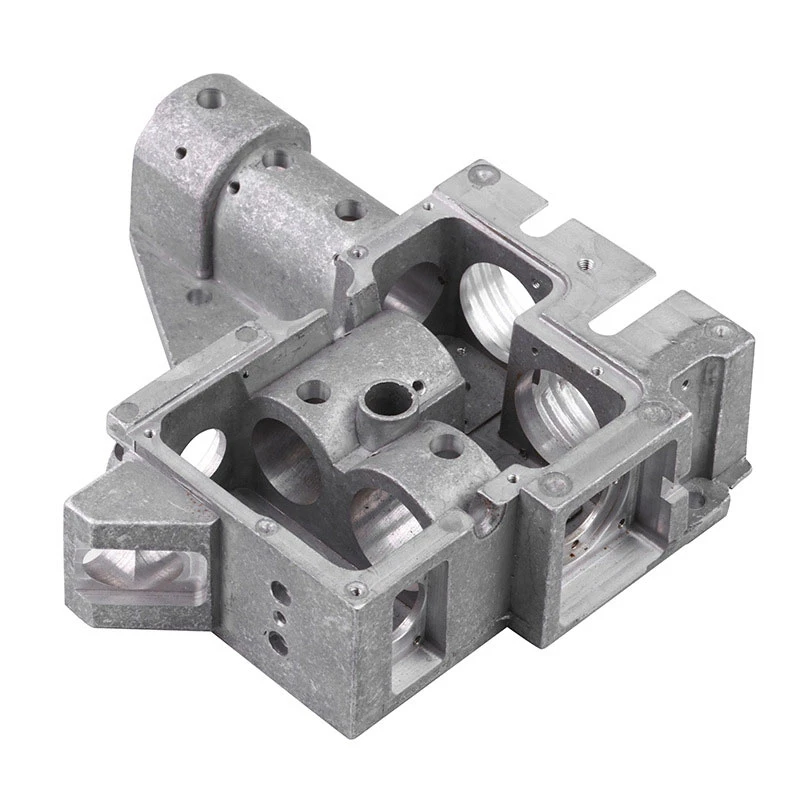
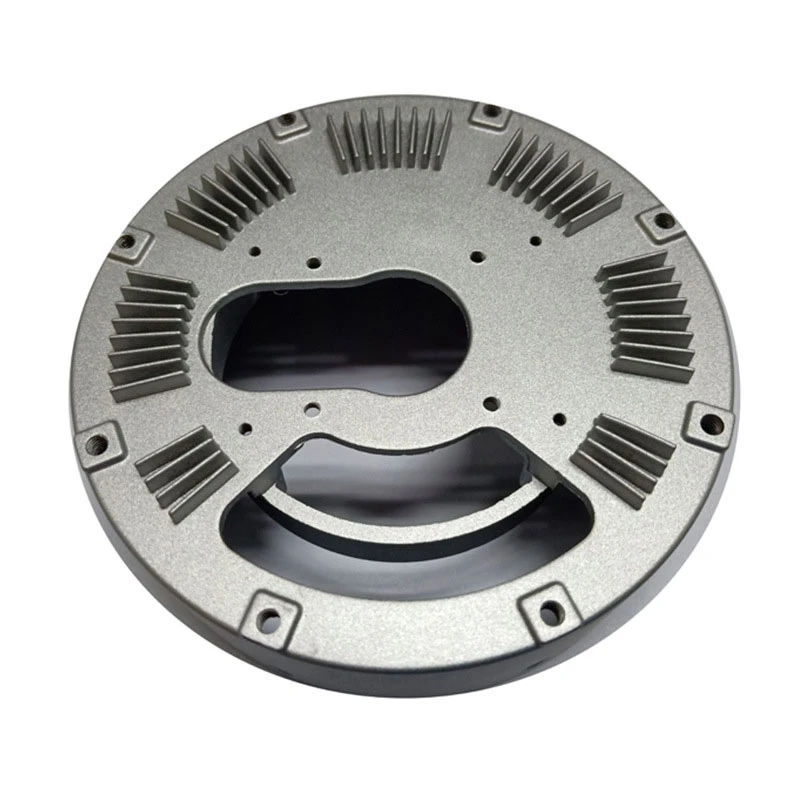
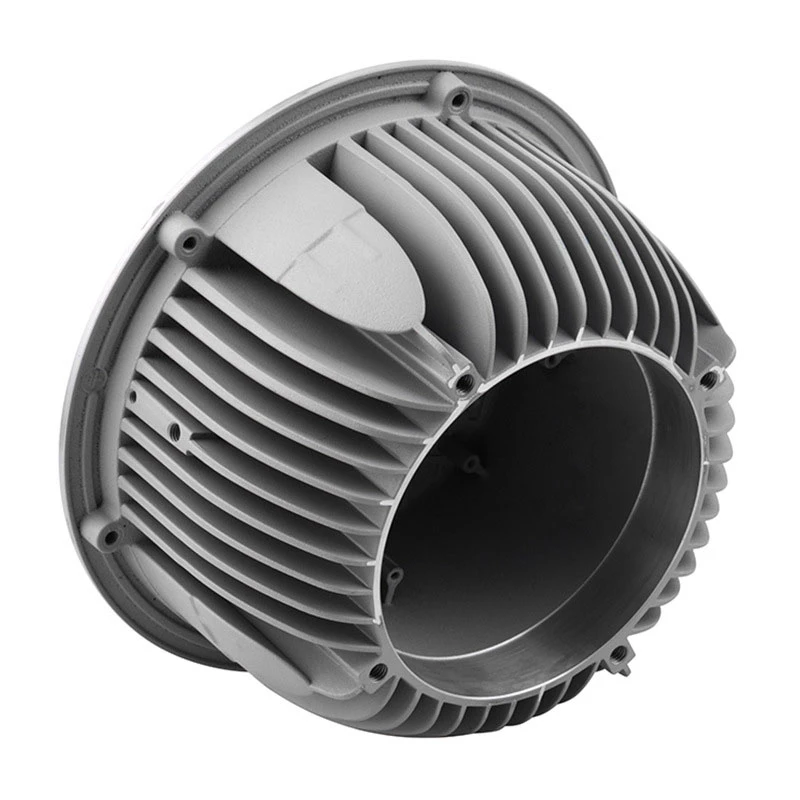
The production of high-quality Oem Die Casting Connectors involves a meticulous, multi-stage process that ensures precision, durability, and compliance with rigorous industry standards. This process often combines advanced material science with sophisticated manufacturing techniques to produce components capable of performing reliably in demanding environments.
Schematic Process Flow for OEM Connectors:
- Material Selection: Begins with selecting high-grade alloys, typically zinc or aluminum, for their excellent castability, strength-to-weight ratio, and thermal conductivity. For contacts, materials like brass, beryllium copper, or phosphor bronze are chosen for their electrical conductivity and spring properties, often plated with gold, silver, or tin for enhanced performance and corrosion resistance.
- Die Casting/Molding: Precision die casting (for metallic housings/bodies) or injection molding (for insulating plastics) forms the primary structure of the connector. This stage is critical for achieving tight tolerances and complex geometries. Modern die casting machines offer high repeatability and surface finish.
- CNC Machining: Post-casting/molding, secondary CNC machining operations are often performed to refine critical dimensions, create precise mounting features, or bore holes for contact insertion. This ensures the component meets exact OEM specifications.
- Contact Stamping & Forming: Electrical contacts are typically stamped from metal strips and then formed into their final shapes. This process is followed by crucial surface treatments, such as electroplating, to optimize conductivity and prevent oxidation.
- Assembly: Individual components (housings, contacts, seals) are assembled using automated or semi-automated processes, ensuring proper alignment and retention. Integrated seals provide necessary ingress protection.
- Testing & Quality Control: This is a critical phase. Connectors undergo a battery of tests including:
- Dimensional Inspection: Verification against CAD models and drawings.
- Electrical Performance Tests: Contact resistance, insulation resistance, dielectricwithstanding voltage.
- Mechanical Endurance Tests: Mating/unmating cycles, vibration, shock.
- Environmental Stress Tests: Temperature cycling, humidity, salt spray (corrosion resistance), IP ratings for water and dust ingress.
- Finishing & Packaging: Final surface treatments (e.g., passivation, powder coating) are applied as needed, followed by secure packaging for delivery.
This meticulous process ensures that each oem wiring connectors product, especially those manufactured through die casting, meets the highest standards of quality, reliability, and longevity, often achieving service lives exceeding 10 years in continuous operation within their specified parameters.
Technical Specifications and Performance Parameters
Understanding the technical specifications of oem electrical connectors is crucial for system designers and engineers. These parameters dictate a connector's suitability for specific applications and its performance under various operating conditions. Below is a representative table of key specifications common to high-performance OEM connectors, particularly for industrial and automotive use.
Typical OEM Connector Product Specifications:
| Parameter | Description | Typical Value/Range | Standard |
|---|---|---|---|
| Rated Current | Maximum continuous current per contact. | 5A - 100A+ (Application dependent) | IEC 60512-3 |
| Rated Voltage | Maximum operating voltage. | 50V - 1000V+ | IEC 60512-2 |
| Insulation Resistance | Resistance of insulation material. | ≥ 1000 MΩ @ 500V DC | IEC 60512-2 |
| Contact Resistance | Resistance across mated contacts. | ≤ 5 mΩ | IEC 60512-2 |
| Operating Temperature | Temperature range for reliable operation. | -40°C to +125°C | IEC 60068-2-1/2 |
| Mating Cycles | Number of insertion/extraction cycles. | 100 - 1000+ cycles | IEC 60512-9 |
| IP Rating | Ingress Protection against solids and liquids. | IP67, IP68 (Common for rugged designs) | IEC 60529 |
| Vibration & Shock | Resistance to mechanical stress. | MIL-STD-202 Method 204/201 (Example) | MIL-STD-202 |
These stringent specifications ensure that oem connectors can reliably perform in their intended applications, providing secure and stable connections over their entire service life.
Diverse Application Scenarios and Technical Advantages
The versatility of oem connectors allows them to be deployed across a broad spectrum of industries, each with unique operational challenges and requirements. Their robust design and specialized features provide significant technical advantages, contributing to the overall performance and reliability of the systems they integrate into.
Key Target Industries and Applications:
- Automotive: Crucial for engine management systems, infotainment, sensor arrays, lighting, and electric vehicle (EV) battery management. Oem automotive wiring connectors must withstand extreme temperatures, vibrations, and corrosive fluids, ensuring safety and performance.
- Industrial Automation & Robotics: Connecting control panels, sensors, actuators, and communication networks in factories. These environments demand high resistance to dust, moisture, and electromagnetic interference (EMI).
- Petrochemical & Energy: Used in drilling equipment, control systems for refineries, and renewable energy installations. Here, corrosion resistance, explosion proofing (where applicable), and extreme temperature tolerance are non-negotiable.
- Metallurgy: Connecting machinery in smelting and casting plants, requiring resistance to high heat, abrasive dust, and heavy-duty mechanical stresses.
- Water Supply & Drainage: Essential for pumps, valves, and monitoring equipment in water treatment facilities, demanding superior water resistance (high IP ratings) and long-term reliability in wet conditions.
- Medical Devices: Precision connectors for diagnostic equipment, surgical tools, and patient monitoring systems, requiring biocompatibility, easy sterilization, and absolute signal integrity.
Technical Advantages in Application Scenarios:
- Superior Corrosion Resistance: Through advanced material selection (e.g., stainless steel, specific aluminum alloys, specialized platings) and robust sealing, OEM connectors excel in corrosive environments like petrochemical plants or marine applications, significantly extending service life and reducing maintenance costs.
- Enhanced Energy Saving: Low contact resistance designs minimize power loss across the connection, translating to greater energy efficiency in high-power applications. This is critical in sectors like EV charging infrastructure or industrial power distribution. For instance, reducing contact resistance by just a few milliohms across hundreds of connections can yield substantial energy savings over a system's lifespan.
- High Reliability Under Vibration/Shock: Specialized locking mechanisms and contact designs prevent disengagement or intermittent connections under extreme mechanical stress, vital for transportation, aerospace, and heavy machinery.
- EMI/RFI Shielding: Integrated shielding solutions protect sensitive data lines from electromagnetic interference, ensuring signal integrity in electrically noisy industrial settings.
- Extended Service Life: Designed for millions of mating cycles or decades of continuous operation, these connectors reduce the total cost of ownership (TCO) by minimizing replacement and downtime. Components designed for `200 mating cycles` are common, but specialized `oe connectors` can often exceed `500-1000 cycles` under defined loads.
These inherent advantages underscore why OEM and oem automotive wiring connectors are the preferred choice for mission-critical applications where failure is not an option and long-term performance is paramount.
Vendor Comparison and Customized Solutions
Choosing the right vendor for oem connectors is a strategic decision that goes beyond mere product specifications. It involves evaluating a supplier's capability to deliver custom solutions, adhere to quality standards, and provide comprehensive support. While specific vendor names are not discussed here, a framework for comparison based on critical factors is essential for B2B procurement.
Key Factors for Vendor Comparison:
| Criterion | High-Performance OEM Connector Vendor | Standard/Generic Connector Vendor |
|---|---|---|
| Customization Capability | Extensive R&D; offers bespoke designs, tooling, and materials for specific needs (e.g., unique pin configurations, specialized sealing). | Limited customization; primarily offers off-the-shelf products with minor modifications. |
| Quality & Certifications | ISO 9001, IATF 16949 (automotive), AS9100 (aerospace), UL/CE compliance; robust QC throughout manufacturing. | Basic quality control; fewer advanced industry-specific certifications. |
| Technical Support | Dedicated engineering support, design collaboration, simulation services, post-sales technical assistance. | Standard product documentation; limited engineering consultation. |
| Material Science Expertise | Deep knowledge of advanced alloys, polymers, and plating for optimal performance in harsh conditions. | Uses standard, readily available materials. |
| Long-Term Reliability | Proven track record; extensive testing for long-term endurance, environmental stability. | Typically meets basic operational life but may lack rigorous long-term validation. |
Embracing Customized Solutions:
Many projects necessitate tailored oem wiring connectors that cannot be met by standard products. Customization capabilities are a hallmark of a leading OEM connector manufacturer. This involves:
- Design Collaboration: Working closely with client engineers to develop new connector geometries, pin layouts, or mounting options optimized for their specific application.
- Material Adaptation: Selecting or developing specific materials for extreme temperature ranges, chemical resistance, or unique electrical properties.
- Advanced Manufacturing: Utilizing specialized tooling and processes like multi-shot molding or specific surface treatments to achieve desired performance characteristics.
- Integrated Solutions: Providing not just the connector, but also integrated cable assemblies, overmolding, or smart features.
This collaborative approach ensures that the final oe connectors perfectly integrate into the client's system, delivering optimal performance and minimizing redesign efforts and costs in the long run.
Real-World Application Case Studies
The practical implementation of high-performance oem connectors provides compelling evidence of their value. These case studies highlight how tailored connector solutions address specific industry challenges and contribute to project success.
Case Study 1: High-Power Connector for Electric Vehicle (EV) Charging Infrastructure
A leading EV charging station manufacturer required a connector capable of handling 500A at 1000V DC for rapid charging, operating reliably outdoors in varying climates (from -30°C to +50°C), and enduring thousands of mating cycles. Standard connectors suffered from excessive heat generation due to contact resistance and lacked adequate environmental sealing.
- Solution: A custom oem electrical connectors solution was developed, featuring silver-plated copper alloy contacts with a unique spring-loaded design for consistent, low-resistance connection (typically
- Outcome: The customized connector reduced heat rise by 35% compared to previous solutions, extending component life and improving charging efficiency. It consistently passed 5,000 mating cycles in accelerated life testing, significantly exceeding client requirements and contributing to the deployment of a highly reliable charging network.
Case Study 2: Rugged Sensor Connector for Offshore Oil & Gas Platforms
An energy firm needed highly durable connectors for critical sensor arrays on an offshore platform. The environment presented extreme challenges: continuous salt spray, high humidity, significant vibration, and exposure to corrosive hydrocarbons. Off-the-shelf connectors failed prematurely due to ingress and material degradation.
- Solution: A bespoke oem connectors design was implemented, utilizing a marine-grade stainless steel housing (316L) with a specialized passivated surface treatment. The contacts were gold-plated over nickel for superior corrosion resistance and electrical stability. A dual-seal system, including epoxy potting and robust O-rings, achieved an IP69K rating, impervious to high-pressure washdowns and continuous immersion.
- Outcome: The custom connectors demonstrated zero failures over a 3-year operational period, a stark contrast to the 6-month average lifespan of previous components. This resulted in substantial savings from reduced maintenance, increased uptime for critical data acquisition, and enhanced operational safety.
These examples underscore the tangible benefits of investing in precisely engineered and rigorously tested oe connectors. They highlight how specialized design and manufacturing expertise translate into superior performance and reliability in the most challenging industrial settings.
Frequently Asked Questions (FAQ)
Q1: What are the primary advantages of OEM connectors over standard commercial connectors?
A1: Oem connectors are engineered to precise specifications, offering superior performance, durability, and reliability tailored to specific application demands. They often feature specialized materials, advanced sealing for harsh environments (e.g., high IP ratings), optimized electrical characteristics for specific power/data transmission needs, and custom geometries for perfect integration, which standard commercial connectors may not provide.
Q2: How does material selection impact the longevity and performance of OEM connectors?
A2: Material selection is paramount. For instance, die-cast aluminum alloys offer excellent strength-to-weight and corrosion resistance for housings. Contact materials like gold-plated beryllium copper provide low contact resistance and high mating cycle durability. Specialized polymers ensure insulation integrity and chemical resistance. Proper material choice directly influences a connector's ability to withstand temperature extremes, vibration, corrosion, and maintain electrical performance over its service life.
Q3: What quality standards and certifications should I look for in an OEM connector supplier?
A3: Look for suppliers certified to ISO 9001 for quality management. For specific industries, IATF 16949 is critical for automotive, AS9100 for aerospace, and ISO 13485 for medical devices. Product-specific certifications such as UL, CE, and RoHS compliance are also essential, indicating adherence to safety, environmental, and performance benchmarks. Reputable suppliers will also provide extensive test reports (e.g., IEC 60512 series).
Q4: What is the typical lead time for customized OEM connectors?
A4: Lead times for customized oem connectors can vary significantly based on complexity, tooling requirements, material availability, and order volume. For initial design and prototyping, it can range from 8-16 weeks. Production runs following approval typically range from 4-12 weeks. Established suppliers often offer expedited services for urgent requirements, depending on existing production schedules.
Trustworthiness: Lead Time, Warranty, and Customer Support
Building trust in B2B relationships for critical components like oem connectors is paramount. This trust is established not only through product quality but also through transparent operational processes, robust warranties, and responsive customer support.
Lead Time & Fulfillment Details:
- Prototyping & Sampling: Typically 8-16 weeks depending on design complexity and new tooling requirements.
- Tooling Development: Can take 6-12 weeks for complex molds or die-casting tools.
- Production Orders: Standard models usually ship within 4-6 weeks after order confirmation. Custom orders require 8-12 weeks for production post-sample approval.
- Supply Chain Transparency: Reputable manufacturers provide clear communication on raw material sourcing and production schedules to manage expectations effectively.
Warranty Commitments:
A standard warranty for oe connectors typically covers manufacturing defects for a period of 12 to 24 months from the date of purchase. This warranty ensures that products meet specified performance and quality standards under normal usage conditions. Extended warranties may be available for specific projects or long-term partnerships, underscoring a commitment to product longevity and customer satisfaction.
Customer Support and After-Sales Service:
- Dedicated Account Management: Clients are assigned dedicated points of contact for seamless communication and project management.
- Technical Support: Access to a team of experienced engineers for design consultation, troubleshooting, and application guidance throughout the product lifecycle.
- Field Service: For complex industrial applications, on-site technical assistance can be provided to ensure proper integration and performance.
- RMA Process: A clear and efficient Return Merchandise Authorization (RMA) process for handling defective products and ensuring prompt resolution.
These commitments to service and support are integral to our philosophy, ensuring that partners receive not just high-quality components but also a reliable and trusted partnership.
Conclusion
The landscape of modern industrial and automotive systems is intricately reliant on the precision, durability, and specialized performance of oem connectors. From the stringent demands of oem automotive wiring connectors to the robust requirements of industrial machinery, these components are far more than simple interfaces; they are critical enablers of advanced technology and system reliability. The detailed manufacturing processes, rigorous testing, and continuous innovation in material science and design underscore the commitment to delivering connectors that perform flawlessly in the most challenging environments.
As industries continue to evolve towards greater automation, electrification, and data integration, the demand for highly specialized, robust, and efficient oem electrical connectors will only intensify. Partnering with a manufacturer capable of delivering customized solutions, adhering to the highest quality standards, and providing exceptional technical support is paramount for success in an increasingly competitive global market. Choosing the right OEM connector ensures not just connectivity, but also long-term operational integrity, reduced total cost of ownership, and enhanced system performance.
References
- International Electrotechnical Commission (IEC). (2023). Standards for Connectors for Electronic Equipment.
- Society of Automotive Engineers (SAE). (2022). Technical Standards for Automotive Electrical Connectors.
- ANSI/UL (American National Standards Institute/Underwriters Laboratories). (2021). Safety Standards for Electrical Components.
- ISO (International Organization for Standardization). (2020). ISO 9001: Quality Management Systems - Requirements.
-
Comprehensive Guide to Automotive Die Casting for Enhanced Vehicle PerformanceNewsJan.27,2026
-
Comprehensive Guide to Aluminum Pressure Die Casting Manufacturing ProcessesNewsJan.27,2026
-
Hot Chamber Die Casting vs Cold Chamber Die Casting ExplainedNewsJan.06,2026
-
Hot Chamber And Cold Chamber Die Casting Solutions for Industrial Applications | Hairun SourcingNewsJan.06,2026
-
Hot and Cold Chamber Die Casting: Key Insights from Industry ExpertsNewsJan.06,2026
-
Comprehensive Guide on Graphite Die Casting for B2B Manufacturing | HairunSourcingNewsJan.05,2026