


Precision Aluminum Green Sand Castings | Cost-Effective & Quality
Introduction to High-Performance Aluminum Green Sand Castings
In the intricate landscape of industrial manufacturing, the demand for lightweight, durable, and cost-effective components continues to drive innovation. Among the various metal forming processes, aluminum green sand castings stand out as a highly versatile and economical solution for producing a wide array of parts, particularly in the B2B sector for pump and valve fittings. This process leverages the natural properties of aluminum combined with a time-tested casting methodology to deliver components with excellent dimensional stability, good surface finish, and robust mechanical integrity suitable for demanding applications.
This article delves into the technical specifics, advantages, application scenarios, and quality assurance mechanisms surrounding aluminum green sand castings. We aim to provide a comprehensive guide for B2B decision-makers and engineers seeking reliable and efficient manufacturing solutions for their critical industrial components.
Detailed Process Flow of Green Sand Casting Aluminum
The green sand casting process is renowned for its simplicity, cost-effectiveness, and adaptability for producing complex geometries in various metals, including aluminum. This method utilizes a mold made from 'green sand'—a mixture of silica sand, clay (typically bentonite), water, and sometimes coal dust. The detailed steps for producing green sand casting aluminum components are outlined below:
1. Pattern Creation
A pattern, typically made from wood, metal, or plastic, is a replica of the desired part. It includes allowances for shrinkage and machining. Modern patterns often incorporate sophisticated CAD designs for precision.
2. Mold Making
The pattern is placed in a flask (a metal box). Green sand is compacted around it to form the two halves of the mold (cope and drag). Gates and risers are incorporated to facilitate molten metal flow and prevent defects.
3. Core Setting (if needed)
For parts requiring internal cavities or complex passages, sand cores (often resin-bonded) are produced separately and placed into the mold cavity before closing the flask.
4. Melting and Pouring
Aluminum alloys (e.g., A356, A319, A413) are melted in an induction or crucible furnace. The molten metal is then carefully poured into the mold cavity via the gating system.
5. Cooling and Solidification
After pouring, the molten aluminum cools and solidifies within the mold. The green sand allows for excellent gas permeability, preventing gas entrapment defects.
6. Shakeout and Finishing
Once solidified, the casting is removed from the mold (shakeout). Gates, risers, and flash are then removed, followed by cleaning (shot blasting), heat treatment (if required, e.g., T6 for A356), and potential CNC machining for critical dimensions. Testing standards such as ISO 9001 and ASTM B26 are applied throughout the process to ensure material integrity and dimensional accuracy.
Key Advantages in Typical Application Scenarios:
- Energy Saving: Aluminum's inherent lightweight properties contribute to energy savings in end-use applications (e.g., lower power requirements for pumps, reduced fuel consumption in vehicles).
- Corrosion Resistance: Many aluminum alloys exhibit excellent resistance to corrosion, especially when anodized or treated, making them ideal for petrochemical, marine, and water supply & drainage applications. This significantly extends the service life of components.
- Target Industries: Petrochemical, metallurgy, automotive, water supply & drainage, general machinery, and more. Components like pump housings, valve bodies, manifolds, and electrical enclosures frequently utilize this technology.
- Sustainability: Aluminum is 100% recyclable without loss of properties, aligning with modern industrial sustainability goals. The green sand itself is also largely reusable, reducing waste in the casting green sand process.

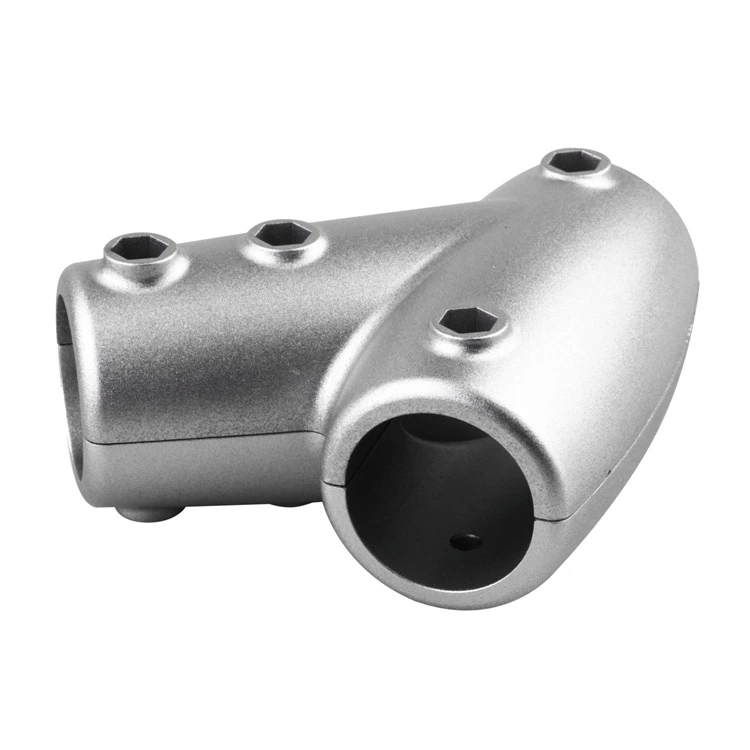
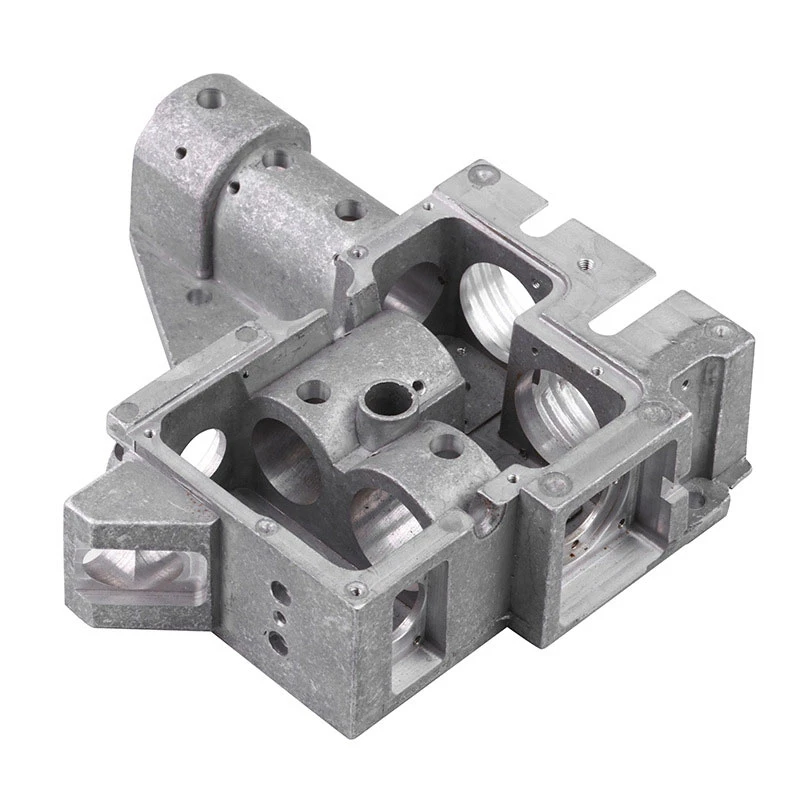
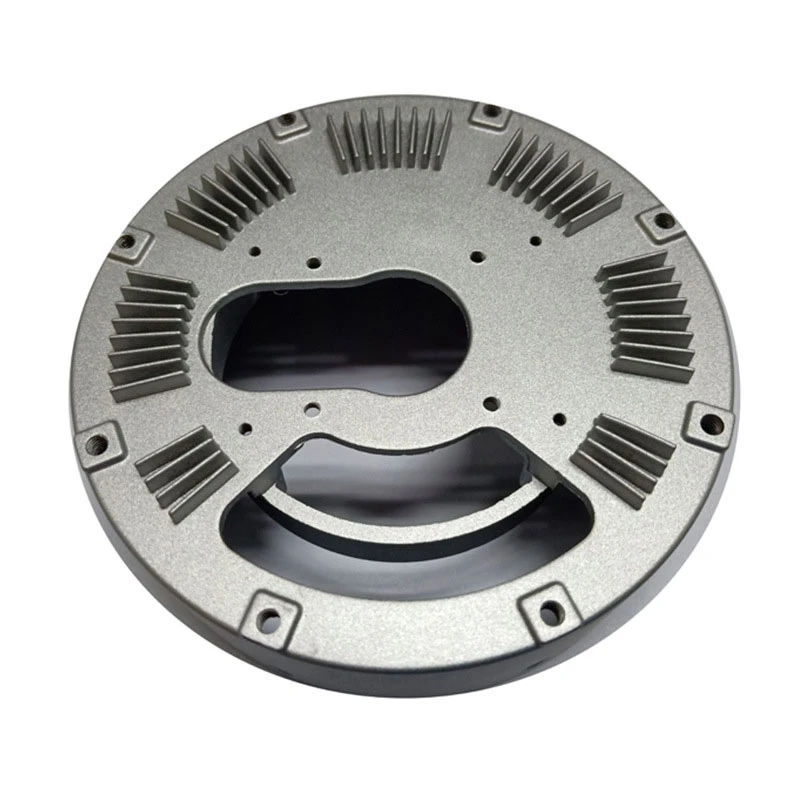
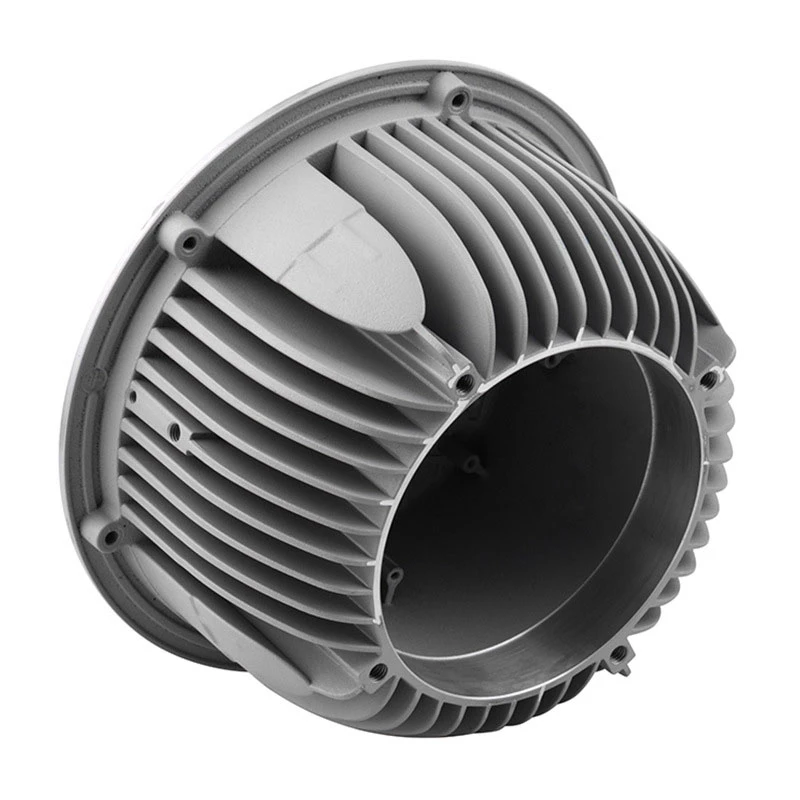
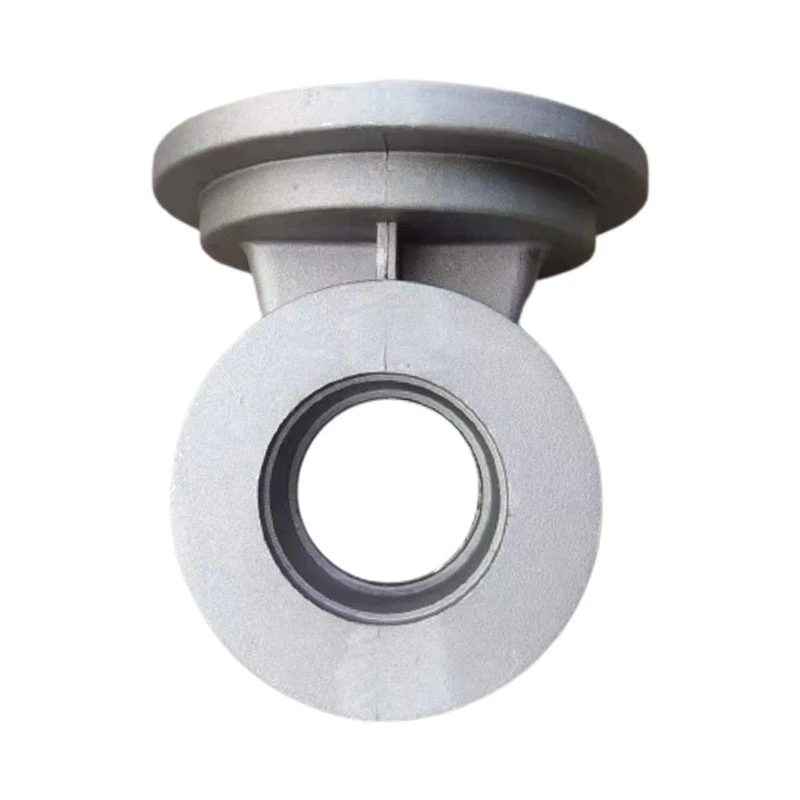
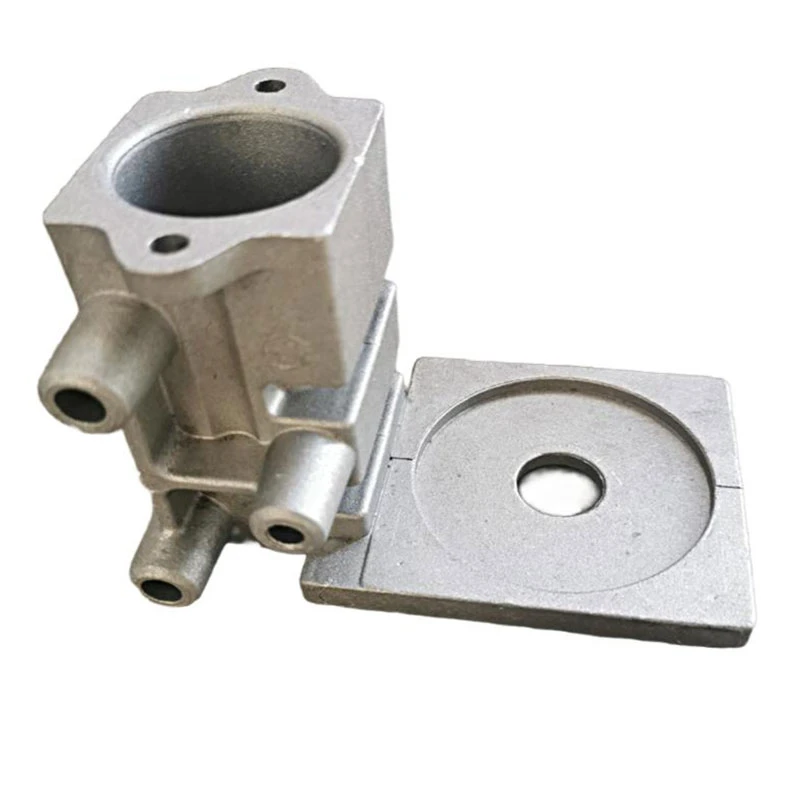
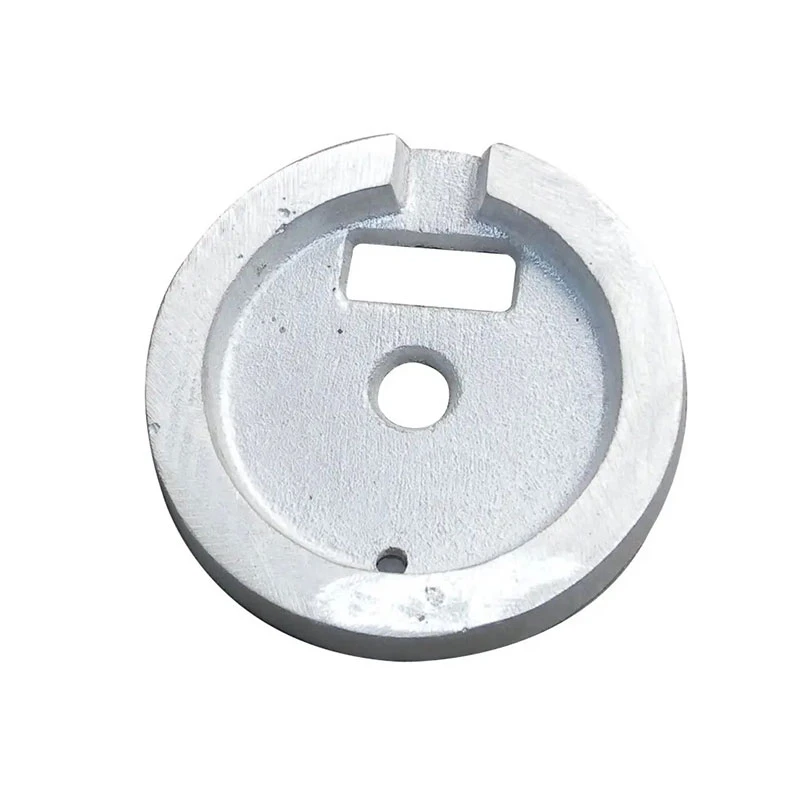
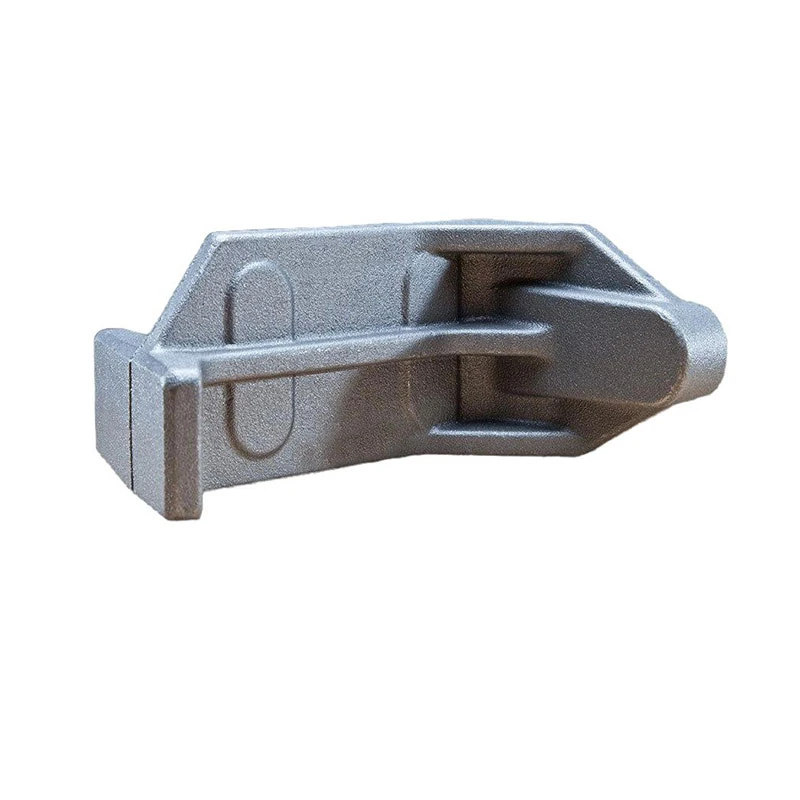
Example of precision-engineered aluminum green sand casting for industrial applications.
Industry Trends and Market Outlook for Green Sand Casting Aluminum
The global market for aluminum castings is experiencing consistent growth, driven by increasing demand from the automotive, aerospace, and industrial machinery sectors. Within this, green sand casting aluminum remains a dominant force, particularly for larger and more intricate components where die casting might be cost-prohibitive for smaller runs or complex geometries. Current trends include:
- Lightweighting Initiatives: The push for fuel efficiency and reduced emissions in automotive and aerospace continues to bolster demand for lightweight aluminum components.
- Automation and Digitalization: Integration of automation in mold making, pouring, and finishing processes is enhancing efficiency, precision, and consistency in casting green sand foundries.
- Advanced Alloys: Development of new aluminum alloys with improved mechanical properties, corrosion resistance, and castability is expanding application possibilities.
- Sustainable Manufacturing: Emphasis on reducing environmental impact through material recycling, energy-efficient melting, and improved sand reclamation systems.
The market is projected to witness steady growth, with significant opportunities in developing economies and sectors requiring custom, robust, and cost-effective metallic components.
Technical Specifications and Performance Parameters
Understanding the technical specifications of aluminum green sand castings is crucial for ensuring optimal performance in specific applications. Key parameters include alloy composition, mechanical properties, and surface finish characteristics.
Table 1: Common Aluminum Alloys for Green Sand Casting and Their Typical Properties
| Alloy Designation | Key Elements | Tensile Strength (MPa) - T6 Heat Treated | Yield Strength (MPa) - T6 Heat Treated | Hardness (HB) | Key Characteristics |
|---|---|---|---|---|---|
| A356 | Si (7%), Mg (0.3%) | 230-260 | 160-190 | 70-90 | Excellent castability, good strength/ductility, weldable, heat treatable. Ideal for structural components. |
| A319 | Si (5.5-6.5%), Cu (3-4%) | 180-220 (as-cast) | 120-150 (as-cast) | 70-85 | Good strength and machinability, moderate corrosion resistance. Suitable for general-purpose castings. |
| A413 | Si (11-12%) | 150-180 (as-cast) | 100-130 (as-cast) | 60-75 | Excellent fluidity, good pressure tightness. Often used for complex, thin-walled castings. |
Table 2: Typical Product Specifications for OEM Sand Cast Pump Valve Fittings
| Parameter | Typical Range / Specification | Notes for Green Sand Casting Surface Finish |
|---|---|---|
| Component Weight | 0.5 kg to 50 kg+ | Highly flexible, suitable for a broad range of component sizes. |
| Dimensional Tolerance (as-cast) | ±0.8mm to ±2.0mm (depending on size/complexity) | Can be improved with subsequent CNC machining. |
| Surface Roughness (Ra) | 6.3 µm to 25 µm (250-1000 micro-inches) | Good for many industrial applications; finer finishes possible with machining or specialized coatings. |
| Minimum Wall Thickness | Typically 4-6mm (can be less for specific designs) | Requires careful mold design and pouring techniques. |
| Corrosion Resistance | Excellent (e.g., A356-T6) | Enhanceable with anodizing or other surface treatments. |
These tables illustrate the typical range of properties and specifications. Actual values can vary based on specific alloy composition, heat treatment, mold design, and foundry practices. Our engineering team works closely with clients to select the optimal alloy and process parameters for their unique requirements.
Application Scenarios for Aluminum Green Sand Castings
The versatility and performance characteristics of aluminum green sand castings make them indispensable across a multitude of industries. Their ability to form complex shapes with sufficient mechanical properties and good dimensional accuracy makes them ideal for:
- Pump and Valve Industry: Housings, impellers, manifolds, and bodies for various fluid handling systems in water treatment, chemical processing, and oil & gas. Their corrosion resistance and lightweight properties are crucial here.
- Automotive Sector: Engine blocks (historically), transmission cases, intake manifolds, wheels, brackets, and structural components where weight reduction is a primary goal.
- General Machinery: Gearboxes, motor housings, machine bases, and components requiring robust construction and moderate strength.
- Electrical and Electronic Enclosures: Heat sinks, junction boxes, and protective casings that require good thermal conductivity and EMI shielding.
- Marine Applications: Components exposed to harsh saltwater environments, leveraging aluminum's natural corrosion resistance.
- Agricultural Equipment: Various parts for tractors, irrigation systems, and other machinery that benefit from durable, lightweight components.
Our OEM sand cast pump valve fittings exemplify the precision and reliability achievable with this casting method, engineered to meet stringent industry standards for longevity and performance.
Technical Advantages of the Green Sand Casting Process
The green sand casting process offers several compelling technical and economic advantages, making it a preferred choice for many industrial applications:
- Cost-Effectiveness: Lower tooling costs compared to permanent mold or die casting, particularly beneficial for small to medium production runs and prototype development. The sand is also recyclable, further reducing material costs.
- Design Flexibility: Capable of producing complex internal and external geometries, including intricate coring, which is critical for pump and valve components.
- Material Versatility: Suitable for a wide range of aluminum alloys, allowing for tailored mechanical properties and performance characteristics.
- Good Mechanical Properties: While not as fine-grained as permanent mold castings, aluminum green sand castings offer excellent mechanical properties, especially after appropriate heat treatment (e.g., T6 temper for A356 alloy).
- Reduced Lead Times: The relatively straightforward mold creation process can lead to faster turnaround times from design to prototype and production.
- Sustainability: The reusability of green sand and the inherent recyclability of aluminum contribute to a more environmentally friendly manufacturing process.
- Excellent for Large Components: Green sand casting is particularly well-suited for producing larger components that would be impractical or cost-prohibitive with other casting methods.
Vendor Comparison: Choosing the Right Partner
Selecting a manufacturing partner for aluminum green sand castings requires careful consideration of several factors beyond just price. A reliable vendor will demonstrate:
- Experience and Expertise: Years of operation, specialized knowledge in aluminum alloys, and a proven track record in complex part manufacturing.
- Quality Control & Certifications: Adherence to international standards like ISO 9001:2015, and robust in-house testing capabilities (e.g., spectrographic analysis, X-ray inspection, mechanical testing).
- Technological Capability: Modern foundry equipment, automation, and advanced simulation software for mold flow analysis.
- Customization & Engineering Support: Ability to work from customer designs, provide DFM (Design for Manufacturability) input, and develop customized solutions.
- Supply Chain Management: Reliable raw material sourcing, efficient logistics, and capacity to handle varying order volumes.
- Post-Casting Services: Comprehensive finishing capabilities including machining (CNC), heat treatment, and various surface coatings.
A thorough vendor evaluation process, including facility audits and sample part inspections, is crucial for long-term partnership success.
Customized Solutions for B2B Clients
Recognizing that off-the-shelf components rarely meet every unique industrial requirement, we specialize in providing tailored solutions for aluminum green sand castings. Our approach involves:
- Collaborative Design & Engineering: Working directly with client engineers to optimize part designs for manufacturability, performance, and cost-efficiency. This includes pattern design, gating system optimization, and thermal analysis.
- Material Selection Guidance: Advising on the most suitable aluminum alloy based on application demands, environmental conditions, and budget.
- Prototyping & Iteration: Rapid prototyping capabilities to test designs and make necessary adjustments before full-scale production, reducing development cycles and risks.
- Precision Machining: Advanced CNC machining centers for achieving tight tolerances and superior surface finishes on critical features.
- Specialized Treatments: Offering a range of post-casting processes, including heat treatment (T4, T6), anodizing, powder coating, and passivation to enhance mechanical properties, corrosion resistance, and aesthetic appeal.
- Assembly & Kitting: Providing value-added services such as component assembly and kitting to streamline client's production lines.
Our commitment to customized solutions ensures that each client receives components perfectly aligned with their specific operational needs and quality expectations.
Application Case Studies
Real-world applications underscore the effectiveness and reliability of aluminum green sand castings. Here are a few illustrative examples:
Case Study 1: Petrochemical Valve Housing
A leading petrochemical firm required a lightweight, corrosion-resistant valve housing for a new processing unit handling aggressive fluids. Traditional steel components were proving too heavy and susceptible to specific chemical attack. Utilizing aluminum green sand castings from A356-T6 alloy, we produced valve housings that significantly reduced the overall weight of the assembly by 40% while demonstrating superior resistance to the specified corrosive agents during accelerated lifespan testing. The client reported improved ease of installation and reduced maintenance downtime, attributing this to the component's robust design and material properties. This component benefited from a smooth green sand casting surface finish, requiring minimal post-processing before protective coating.
Case Study 2: Water Pump Impeller
A municipal water utility needed replacement impellers for its large-scale water distribution pumps. The existing cast iron impellers were heavy, leading to high energy consumption and wear on pump bearings. By redesigning the impeller for green sand casting aluminum (A319 alloy), we achieved a 60% weight reduction. This not only extended the service life of the pump's internal mechanics but also resulted in a measurable reduction in operational energy costs (estimated at 15% annually per pump). The project involved intricate core work to achieve the precise hydraulic channels required for optimal flow dynamics, showcasing the flexibility of the casting green sand method.
Ensuring Quality, Authoritativeness, and Trust
Authoritativeness through Certifications and Partnerships
Our commitment to quality is unwavering. We operate under stringent quality management systems, evidenced by our ISO 9001 certification. This ensures consistent product quality from raw material inspection to final shipment. Our manufacturing processes for aluminum green sand castings adhere to international standards such as ASTM B26 (Standard Specification for Aluminum-Alloy Sand Castings) and applicable ANSI standards for pump and valve components. We have partnered with numerous industry leaders across petrochemical, automotive, and water infrastructure sectors globally, providing reliable components for over a decade. Comprehensive internal and third-party test data, including material certification, radiographic inspection reports, and dimensional inspection reports, are available for verification.
Trustworthiness: FAQ, Lead Time, Warranty, and Support
Frequently Asked Questions (FAQ)
- Q: What is the typical lead time for custom aluminum green sand castings?
A: Lead times vary based on complexity and order volume. For new projects, pattern development and initial samples typically take 4-6 weeks, followed by production runs of 3-5 weeks. Rush orders can be accommodated by arrangement. - Q: What surface finish can I expect from green sand casting?
A: The as-cast green sand casting surface finish typically ranges from Ra 6.3 µm to 25 µm. For applications requiring smoother finishes, additional machining or polishing steps can be incorporated. - Q: Can you accommodate small batch orders or prototypes?
A: Yes, the green sand casting process is well-suited for both small batch production and prototyping due to its lower tooling costs and quicker setup times compared to permanent mold or die casting. - Q: What quality control measures are in place?
A: We implement a multi-stage QC process including raw material inspection, in-process checks (sand properties, melt quality), post-cast inspection (dimensional, visual, non-destructive testing like X-ray or liquid penetrant), and final metallurgical analysis to ensure compliance with specifications.
Lead Time & Fulfillment
We pride ourselves on efficient project management and reliable delivery. Typical lead times for production orders are 4-6 weeks after pattern approval, depending on the complexity and volume of the aluminum green sand castings. We maintain robust supply chain logistics to ensure timely fulfillment and can work with various shipping Incoterms to meet specific client needs.
Warranty & After-Sales Support
All our aluminum green sand castings are backed by a comprehensive warranty covering material defects and workmanship. Our dedicated after-sales support team is available to assist with any technical inquiries, performance evaluations, or field service support, ensuring long-term customer satisfaction and optimal product performance.
References
- American Foundry Society (AFS). "AFS Cupola Handbook."
- ASTM International. "ASTM B26 / B26M-19, Standard Specification for Aluminum-Alloy Sand Castings."
- Campbell, J. (2003). "Castings." Butterworth-Heinemann.
- ISO 9001:2015 - Quality management systems.
- ASM Handbook, Vol. 15: Casting. ASM International.
-
Comprehensive Guide to Automotive Die Casting for Enhanced Vehicle PerformanceNewsJan.27,2026
-
Comprehensive Guide to Aluminum Pressure Die Casting Manufacturing ProcessesNewsJan.27,2026
-
Hot Chamber Die Casting vs Cold Chamber Die Casting ExplainedNewsJan.06,2026
-
Hot Chamber And Cold Chamber Die Casting Solutions for Industrial Applications | Hairun SourcingNewsJan.06,2026
-
Hot and Cold Chamber Die Casting: Key Insights from Industry ExpertsNewsJan.06,2026
-
Comprehensive Guide on Graphite Die Casting for B2B Manufacturing | HairunSourcingNewsJan.05,2026