


Precise Cast Prototypes and Engineering: A Global Guide to Innovation and Efficiency
Understanding Precise Cast Prototypes and Engineering: Why It Matters Globally
If you’ve ever admired the perfect fit of a mechanical component or marveled at how complex machine parts come together seamlessly, then you’ve brushed shoulders with the world of precise cast prototypes and engineering. It’s a niche but vital field shaping industries everywhere—from cutting-edge aerospace applications to humanitarian infrastructure projects. But why should this matter on a global scale? Well, these prototypes not only accelerate innovation but also reduce costly manufacturing errors, improve durability, and ultimately contribute to sustainability in production.
Globally, the manufacturing sector contributes over 16% of GDP in countries like Germany and South Korea (World Bank, 2023), while precision casting methods have been evolving to meet these demands. The importance of exact prototyping is no longer confined to luxury or high-tech items; even developing economies are seeing these processes improve supply chain resilience and product quality. If that sounds like a lot, it’s because it is—this field is quietly at the backbone of modern engineering.
Mini takeaway: Precise cast prototypes form a crucial bridge between design concepts and real-world applications, fueling innovation and efficiency worldwide.
The Global Landscape: Why Precise Cast Prototypes and Engineering Are Critical
Take a moment to consider the challenges industries face internationally: supply delays, cost overruns, and the great push toward sustainability. According to ISO standards and UN guidelines, the demand for high-quality prototypes that mirror finished products with minimal lead time is increasing exponentially. Why? Because in today’s hyper-competitive market, engineers and manufacturers can’t afford guesswork.
For example, the automotive sector alone is expected to grow by nearly 5% annually through 2025, with precision casting playing a pivotal role in producing lightweight and durable engine components. Countries from Japan to Brazil are investing heavily in this engineering branch to stay competitive. Yet, despite advances, the challenge remains: how to consistently deliver cast prototypes that are both exact and economically viable.
Mini takeaway: Worldwide demand underscores the need for precise casting techniques that solve manufacturing inefficiencies and support faster product development.
What Exactly Are Precise Cast Prototypes and Engineering?
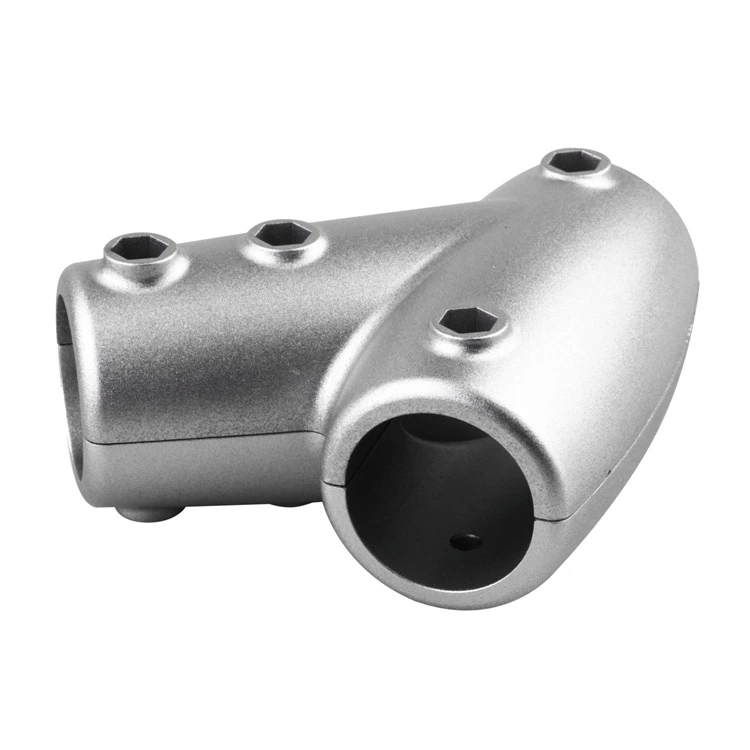
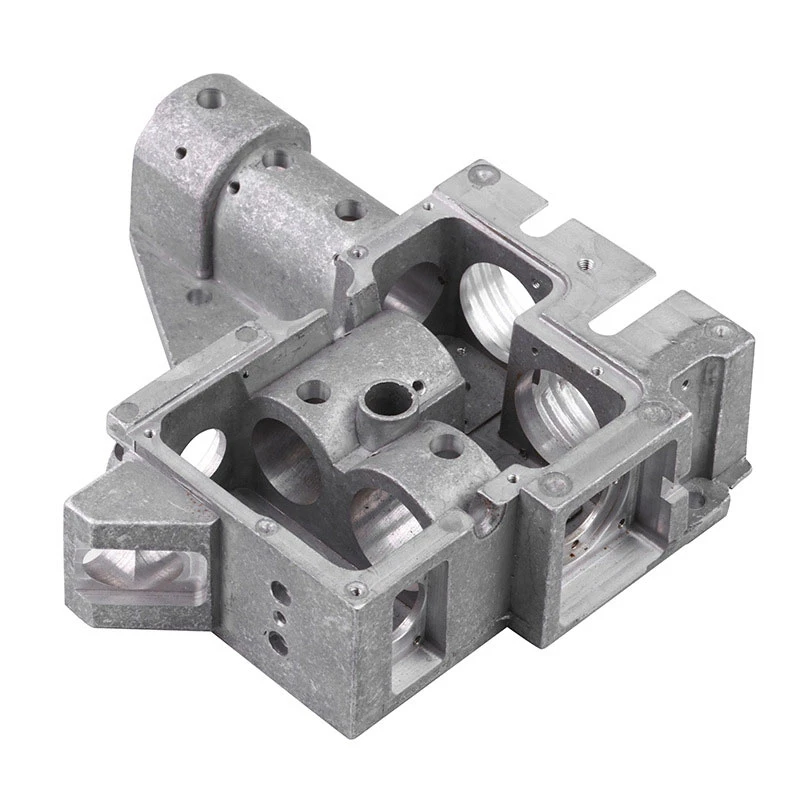
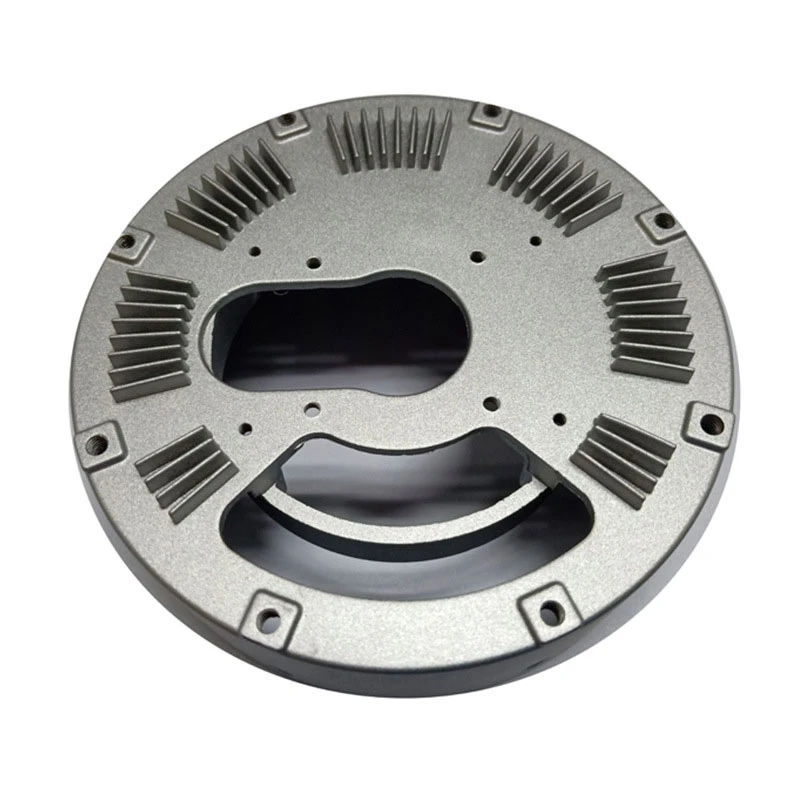
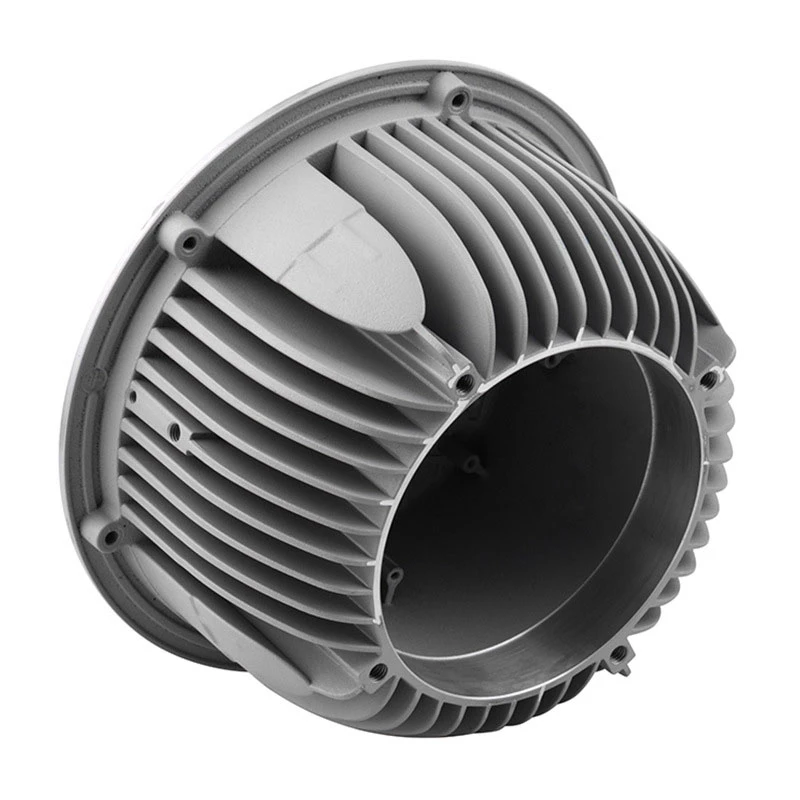
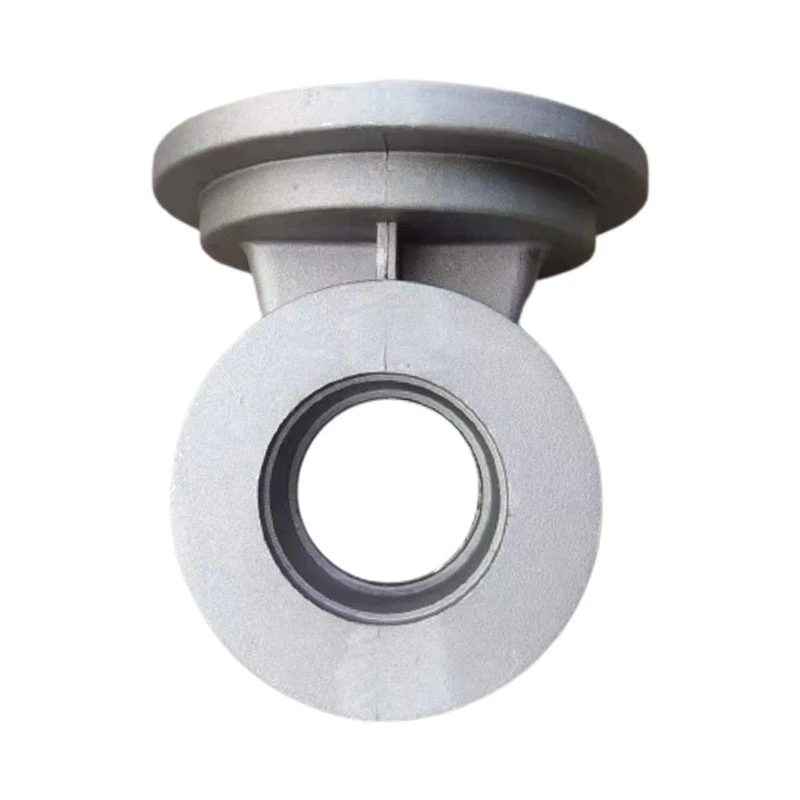
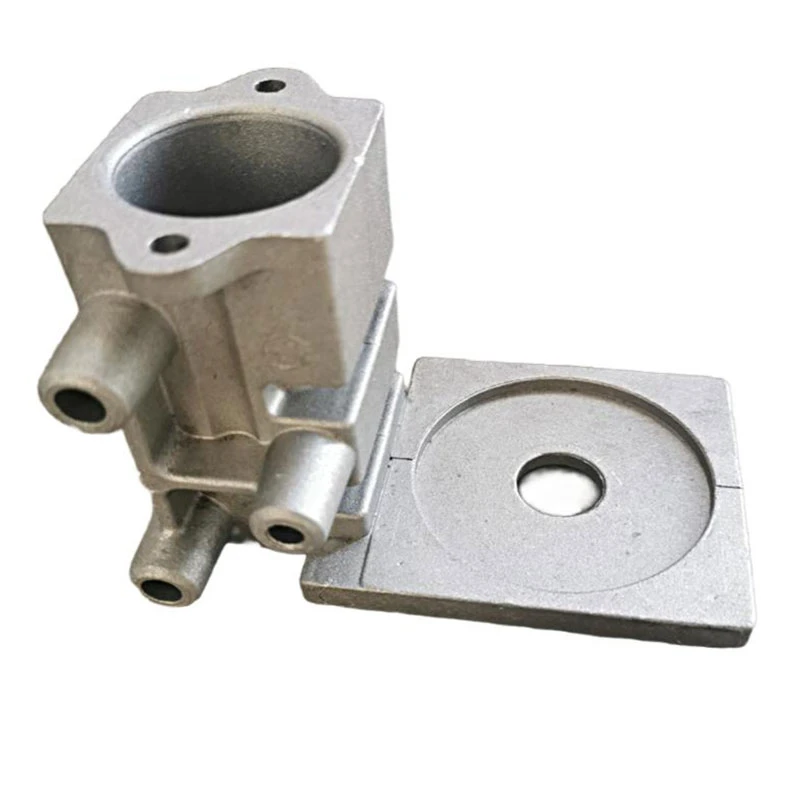
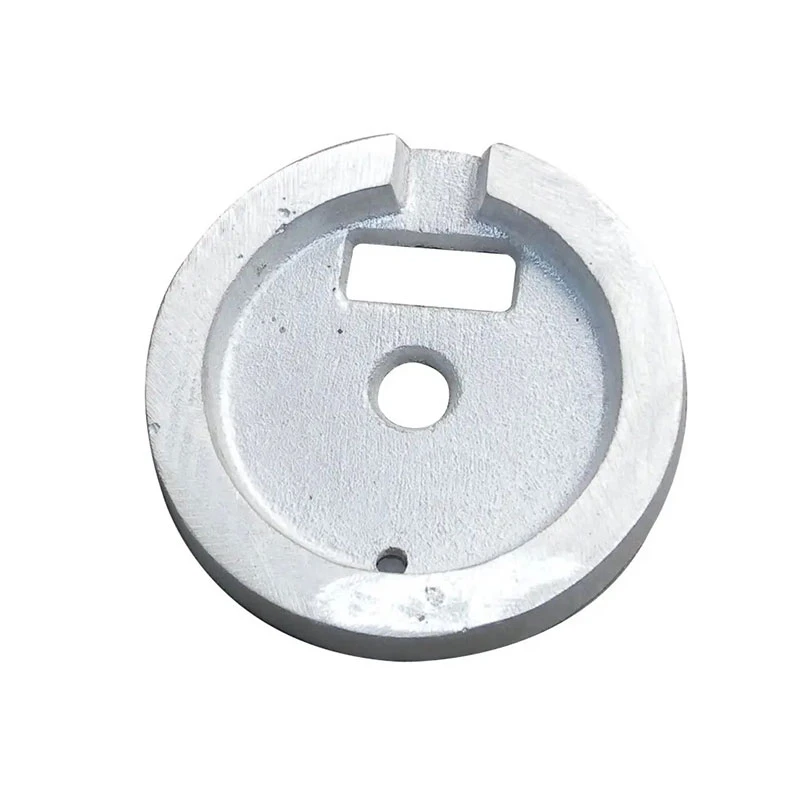
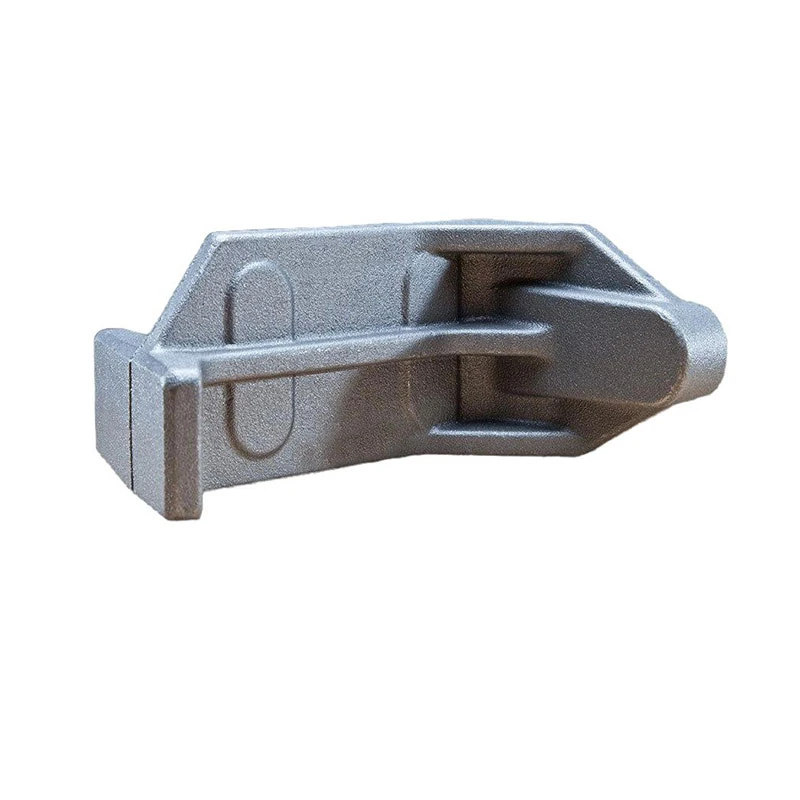
Simply put, precise cast prototypes are exact, small-run copies of a component or product, made through carefully controlled casting processes that replicate the design with extraordinary accuracy. Meanwhile, the engineering behind them ensures these prototypes not only look right but perform as expected during tests or early production phases.
Think of it like the difference between rough sketches and a full-color, dimensionally correct model before a house is built. This “casting” typically involves melting materials (metals, alloys, sometimes plastics) and pouring them into molds shaped from original digital or physical designs.
In the context of modern industry, these prototypes help companies anticipate issues, refine materials, and optimize design. And it's not just industry: humanitarian agencies increasingly turn to this tech to develop durable equipment or infrastructure parts for remote areas, far beyond traditional manufacturing reach.
Mini takeaway: Precise cast prototypes combine advanced molding techniques with engineering insight to make nearly perfect pre-production models.
Key Components Driving Effective Precise Cast Prototypes & Engineering
1. Material Selection
It's no secret that the choice of alloy or plastic directly influences strength, weight, and resistance. Many engineers prefer nickel-based alloys or stainless steel for their durability and corrosion resistance.
2. Dimensional Accuracy
The real magic lies in the ability to replicate dimensions down to microns, often using CAD designs linked directly to CNC-machined mold patterns.
3. Surface Finish Quality
A smooth surface reduces the need for post-processing and affects how the final product looks and performs.
4. Lead Time Efficiency
Speed matters. Advanced rapid prototyping has cut the standard turnaround from weeks to just days in some cases.
5. Scalability Potential
From a single prototype to small batch production—your cast must be scalable without sacrificing quality.
6. Testing and Validation
Non-destructive testing (NDT) methods like X-ray or ultrasonic testing ensure structural integrity before full production.
Mini takeaway: Material choice, accuracy, finish, speed, scalability, and testing form the pillars of successful precision casting projects.
Global Applications and Real-World Use Cases
Where does all this precision casting magic play out? Everywhere, really. Here are a few snapshots:
- Aerospace: Lightweight turbine blades produced in Germany and the U.S. that withstand extreme temperatures.
- Medical Devices: Titanium prototypes made in Switzerland for surgical tools, meeting stringent health regulations.
- Automotive: Engine components and transmission parts crafted in Japan and South Korea for fuel efficiency.
- Post-disaster Relief: Durable parts for temporary housing frameworks built rapidly in Southeast Asia.
- Remote Industrial Zones: Spare parts prototyped and produced locally in Africa to reduce downtime.
The diversity of use cases showcases the value of having cast prototypes that aren’t just models but functional test units ensuring quality and feasibility.
Mini takeaway: From aerospace to humanitarian efforts, precise casting supports a remarkable range of critical applications worldwide.
Advantages and Long-term Value
It might sound purely technical, but the benefits stretch far beyond the nuts and bolts:
- Cost Efficiency: Catching design flaws early saves millions in reworks.
- Environmental Sustainability: Less waste, recyclable materials, and fewer full-scale trial runs.
- Social Impact: More reliable, safer products for end-users, from vehicle passengers to patients in hospitals.
- Reliability and Trust: Consistency in product quality builds brand confidence.
- Innovation Drivers: Rapid iteration accelerates breakthroughs that benefit everyone.
Oddly enough, many companies also find these prototypes emotionally reassuring—they offer a tangible promise that what’s on paper will work in real life.
Mini takeaway: The benefits of precise cast prototypes go hand-in-hand with economic, environmental, and social gains, making them truly future-proof.
Looking Ahead: Trends and Innovations in Precision Casting
The future? It’s electric… and digital. Advances like 3D printing of molds, automation in casting lines, and green energy-powered furnaces are transforming the landscape. Materials like advanced composites and biodegradable resins are entering the mix, too.
Also, Industry 4.0 means better data integration, enabling predictive adjustments mid-production. This reduces defects and improves traceability—exactly what the ISO 9001 standards recommend for quality management.
Mini takeaway: Emerging technologies promise faster, greener, and smarter prototype casting, increasing value across industries.
Overcoming Challenges in Precise Cast Prototyping
Of course, it’s not all smooth sailing:
- High Initial Costs: Premium materials and tech can strain budgets.
- Complex Designs: Some intricate geometries push the limits of casting methods.
- Lead Time Variability: Supply chain hiccups or tooling errors can cause delays.
Experts suggest hybrid approaches combining additive manufacturing (3D printing) with cast prototyping to tackle complexity. Collaborations and outsourcing also help reduce upfront expenses. Better data analytics helps optimize mold design and reduce scrap.
Mini takeaway: While hurdles exist, innovative strategies and technologies continually raise the bar for feasibility and efficiency.
Product Specification Table: Typical Precise Cast Prototype
| Specification | Detail |
|---|---|
| Material | Stainless Steel 316L / Nickel Alloy / Aluminum |
| Dimensional Tolerance | ±0.05 mm |
| Surface Finish | Ra 0.8 µm (typical) |
| Maximum Prototype Weight | 15 kg |
| Lead Time | 7–14 days |
| Testing Methods | Ultrasound, X-ray, Visual Inspection |
Vendor Comparison Table: Leading Providers of Precise Cast Prototypes
| Vendor | Lead Time | Material Options | Typical Order Size | ISO Certified |
|---|---|---|---|---|
| Hairun Casting Co. | 7–10 days | Wide (Nickel, Steel, Aluminum) | 1–100 pcs | Yes (ISO 9001) |
| Global Prototypes Ltd. | 10–15 days | Steel, Aluminum | 5+ pcs | Yes |
| Precision Cast Tech | 5–12 days | Nickel Alloy, Titanium | 1–50 pcs | Yes |
FAQs About Precise Cast Prototypes and Engineering
- Q1: What industries benefit the most from precise cast prototypes?
- A: Aerospace, automotive, medical devices, and humanitarian aid organizations are among the top beneficiaries. They require components that are both durable and dimensionally exact to ensure safety and performance.
- Q2: How quickly can precise cast prototypes be delivered?
- A: Typical lead time ranges from 7 to 15 days depending on complexity and vendor capacity. Advances in rapid prototyping have shortened this time significantly compared to traditional casting.
- Q3: Are precise cast prototypes cost-effective for small production runs?
- A: Yes, because they reduce the need for costly revisions and testing at full scale. Many vendors offer flexible batch sizes tailored to small or medium runs.
- Q4: Can precise cast prototypes be made from eco-friendly materials?
- A: Increasingly so. New bio-based resins and recyclable metals are being integrated without sacrificing precision or quality.
- Q5: How do I source precise cast prototypes internationally?
- A: Working with trusted partners who comply with international standards like ISO 9001 helps ensure quality. Logistics and import regulations vary, so collaborating with experienced vendors simplifies the process. For example, precise cast prototypes and engineering experts can assist in navigating these challenges.
Wrapping Up: Why Precise Cast Prototypes and Engineering Are Worth Your Attention
In a world where precision, speed, and sustainability matter more than ever, mastering the art and science of precise cast prototypes is no longer a luxury but a necessity for competitive businesses and responsible organizations alike. From reducing environmental impact to supporting innovation pipelines, the benefits ripple outward, influencing everything from economic growth to social welfare.
So if you’re wondering where to start or how to improve your current prototyping efforts, consider diving deeper into specialized services. After all, the difference between “good enough” and “just right” often hinges on that first perfect cast. For trusted expertise and tailored solutions, precise cast prototypes and engineering is the place to begin your journey.
References:
-
Comprehensive Guide to Automotive Die Casting for Enhanced Vehicle PerformanceNewsJan.27,2026
-
Comprehensive Guide to Aluminum Pressure Die Casting Manufacturing ProcessesNewsJan.27,2026
-
Hot Chamber Die Casting vs Cold Chamber Die Casting ExplainedNewsJan.06,2026
-
Hot Chamber And Cold Chamber Die Casting Solutions for Industrial Applications | Hairun SourcingNewsJan.06,2026
-
Hot and Cold Chamber Die Casting: Key Insights from Industry ExpertsNewsJan.06,2026
-
Comprehensive Guide on Graphite Die Casting for B2B Manufacturing | HairunSourcingNewsJan.05,2026