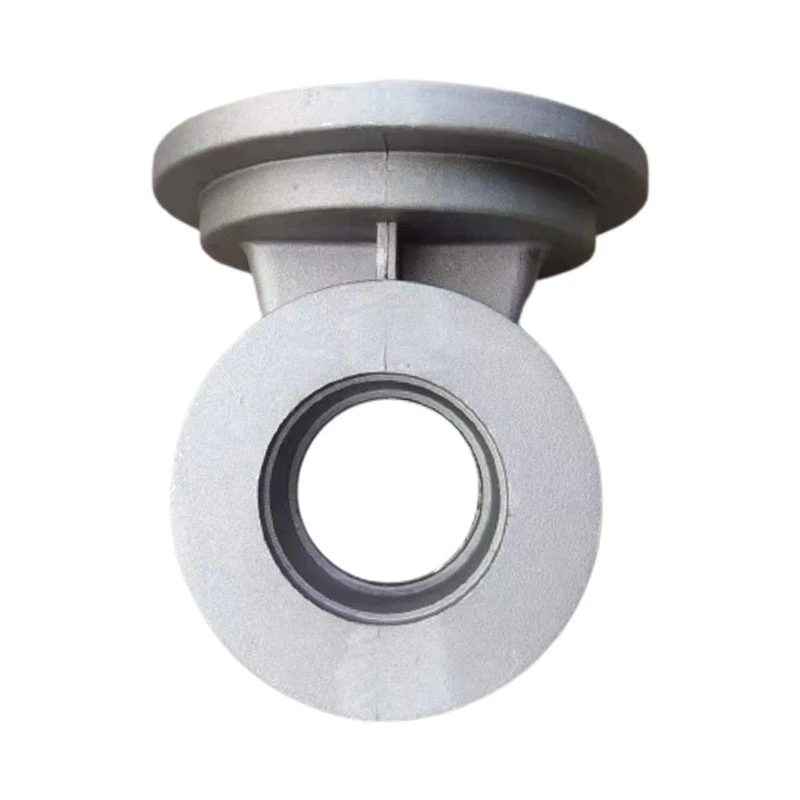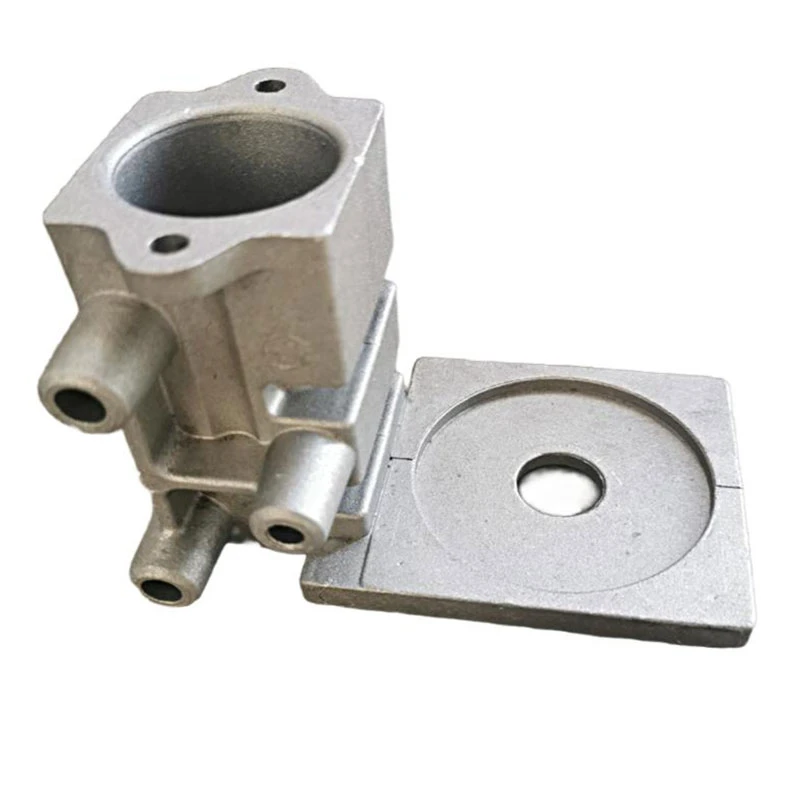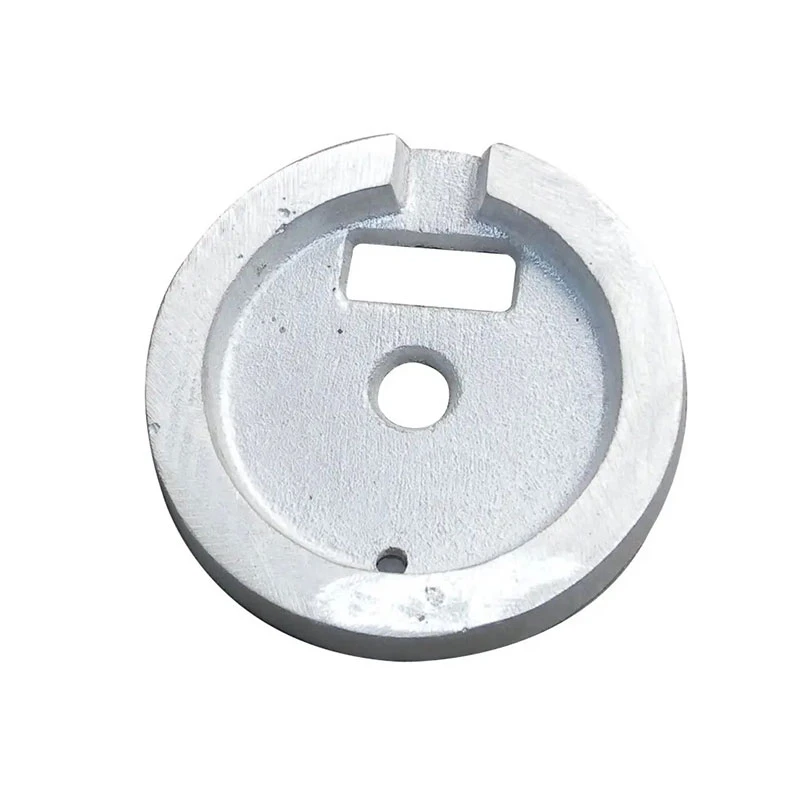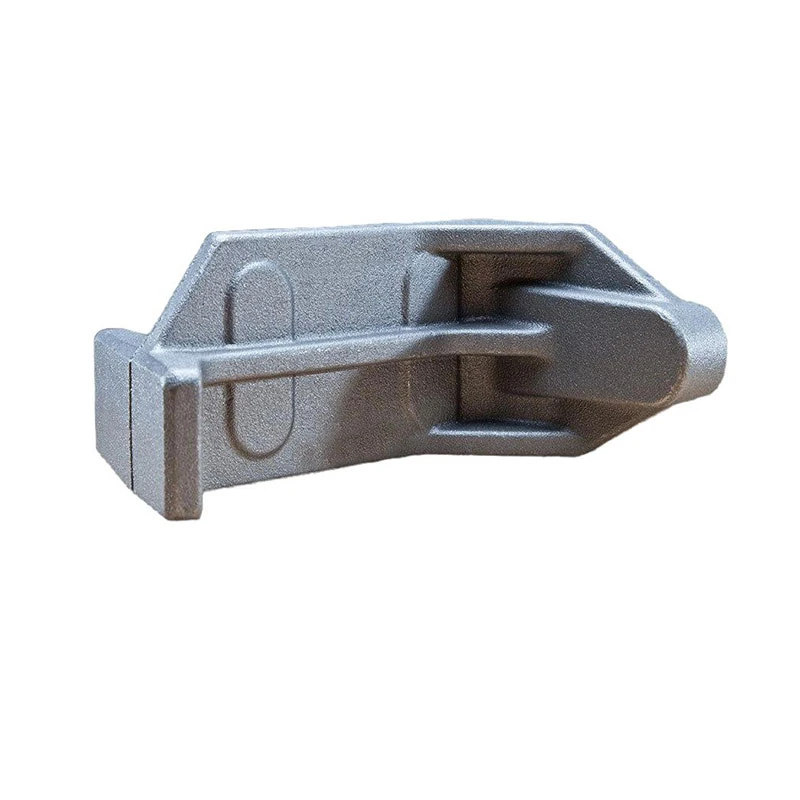



Permanent Die Casting: Expert Insights and Industry Best Practices
Understanding Permanent Die Casting: Insights from Years in Industrial Equipment
Having spent over a decade in the industrial equipment sector, I’ve seen firsthand how permanent die casting remains one of the most reliable and cost-effective production methods for durable metal components. Oddly enough, despite all the buzz around newer manufacturing technologies, this technique keeps proving its relevance time and again.
Simply put, permanent die casting involves injecting molten metal into a reusable steel mold (the “permanent die”). This contrasts with sand casting, which uses expendable molds. The key here is precision and repeatability, qualities that any production engineer will tell you are gold in industrial manufacturing.
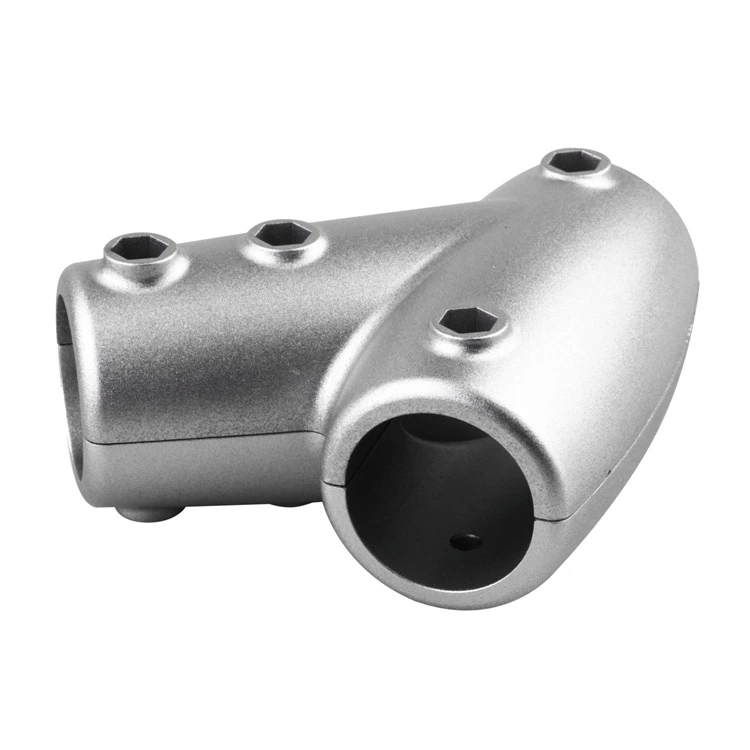
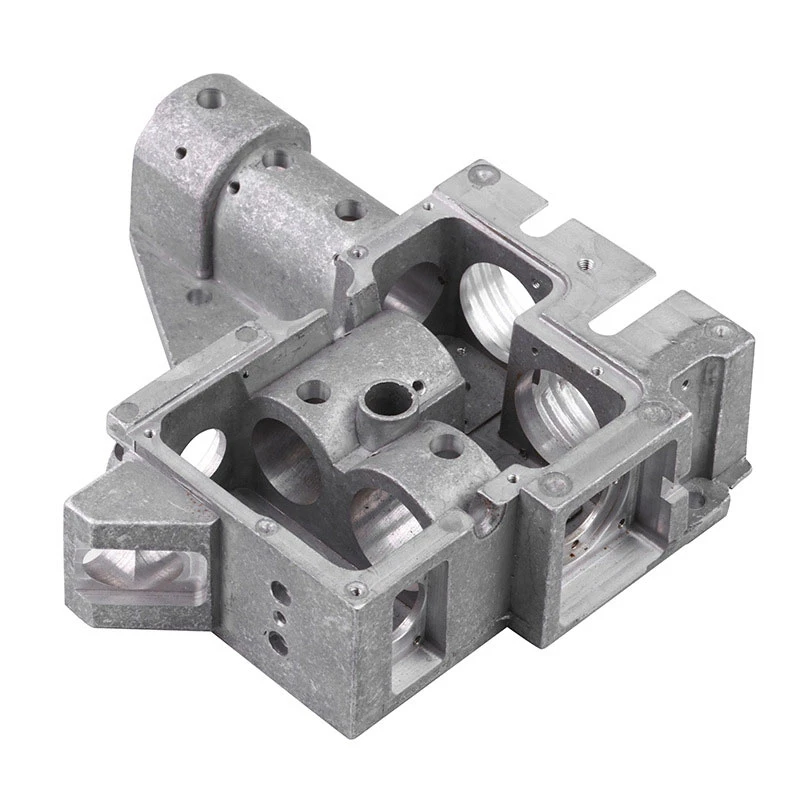
Now, I remember a project where we needed a batch of hundreds of aluminum housings for a pump system. We chose permanent die casting not only because of its fast cycle times but also due to the excellent surface finish and dimensional consistency it offers straight off the mold—minimizing secondary machining. The client was pretty pleased with the rugged quality at a reasonable price.
As materials go, aluminum alloys dominate the field mostly because of their lightweight and corrosion resistance. But sometimes, zinc or magnesium alloys enter the picture depending on what mechanical properties are needed. The beauty here is versatility.
On the tech side, modern permanent die casting machines can be surprisingly sophisticated–equipped with hydraulic or electric systems to control pressure and temperature precisely. In practice, this means better part quality and less scrap. Such investments pay off, especially for medium to large production runs.
| Parameter | Value / Range |
|---|---|
| Common Materials | Aluminum, Zinc, Magnesium alloys |
| Typical Part Weight | 10 grams to 10 kilograms |
| Surface Finish | Smooth, often 32-64 RMS (fine detail) |
| Dimensional Tolerance | ±0.1mm to ±0.3mm depending on size |
| Cycle Time | 10–60 seconds per part |
Of course, not all permanent die casting suppliers are created equal. Selecting the right vendor can make or break a project. I learned this the hard way during a contract when miscommunication about tolerance capabilities caused a delay—and a costly rework.
To help shed some light, here’s a quick vendor comparison focusing on experience, material offerings, and customization flexibility. Frankly, I find these criteria crucial before locking down any partnership.
| Vendor | Experience (Years) | Material Range | Customization | Typical Lead Time |
|---|---|---|---|---|
| Alpha Casting | 25+ | Al, Zn, Mg alloys | High (custom tooling) | 4-6 weeks |
| Beta Metals | 15 | Aluminum & Zinc only | Medium (some custom options) | 3-5 weeks |
| Gamma Foundry | 10 | Aluminum alloys | Low (standard tooling) | 2-4 weeks |
Something else that caught my attention recently is how digital simulation in permanent die casting design has become a great ally. Before casting a single part, engineers can now run thermal and flow tests virtually. This reduces trial runs and upfront costs, which frankly feels like a game-changer.
Still, I’d advise anyone new to permanent die casting to visit the production floor if possible. No app can fully replace the pragmatic knowledge gained by seeing molten metal poured, feeling the molds, and chatting with the operators. The human factor—decades of industry wisdom—is vital here.
In closing, permanent die casting remains, in my view, a powerhouse in industrial manufacturing. It strikes a compelling balance between precision, speed, and cost. And as I've found, picking the right vendor and understanding material choices can make all the difference.
Enjoy the craft of manufacturing — it’s quite rewarding to see a perfect casting come out of the mold exactly as planned.
References:
- Industrial Metalcasting Fundamentals, ASM International
- “Permanent Mold Casting” - The Manufacturing Process, SME
- Case Studies in Precision Casting, Journal of Casting & Materials Engineering
-
Comprehensive Guide to Automotive Die Casting for Enhanced Vehicle PerformanceNewsJan.27,2026
-
Comprehensive Guide to Aluminum Pressure Die Casting Manufacturing ProcessesNewsJan.27,2026
-
Hot Chamber Die Casting vs Cold Chamber Die Casting ExplainedNewsJan.06,2026
-
Hot Chamber And Cold Chamber Die Casting Solutions for Industrial Applications | Hairun SourcingNewsJan.06,2026
-
Hot and Cold Chamber Die Casting: Key Insights from Industry ExpertsNewsJan.06,2026
-
Comprehensive Guide on Graphite Die Casting for B2B Manufacturing | HairunSourcingNewsJan.05,2026