


OEM Spark Plugs – Genuine Fit, Reliable Ignition, Best Value
Where Real Performance Starts: The Casting Story Behind Oem Spark Plugs
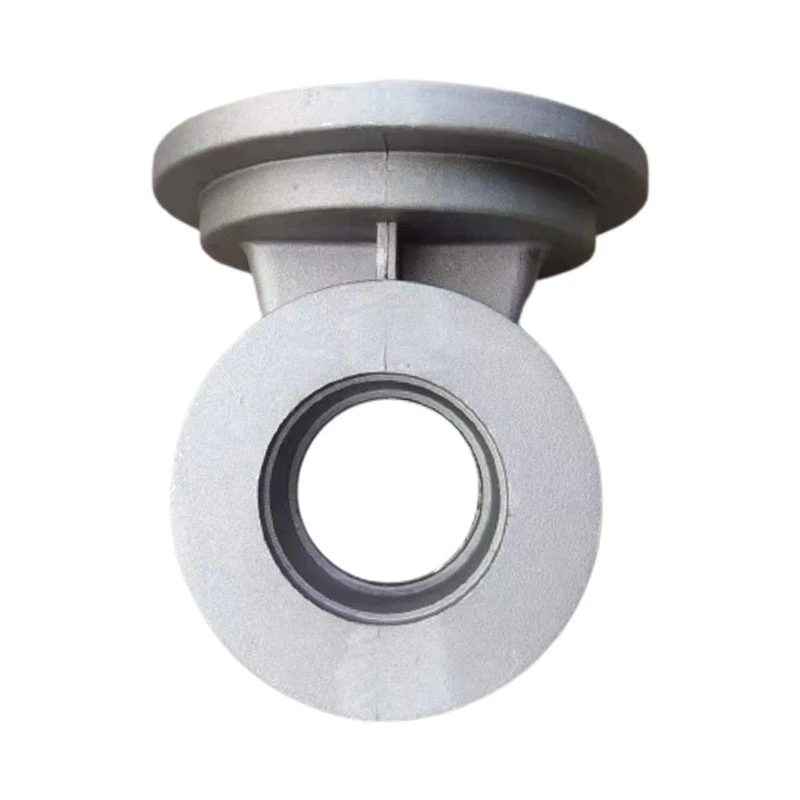
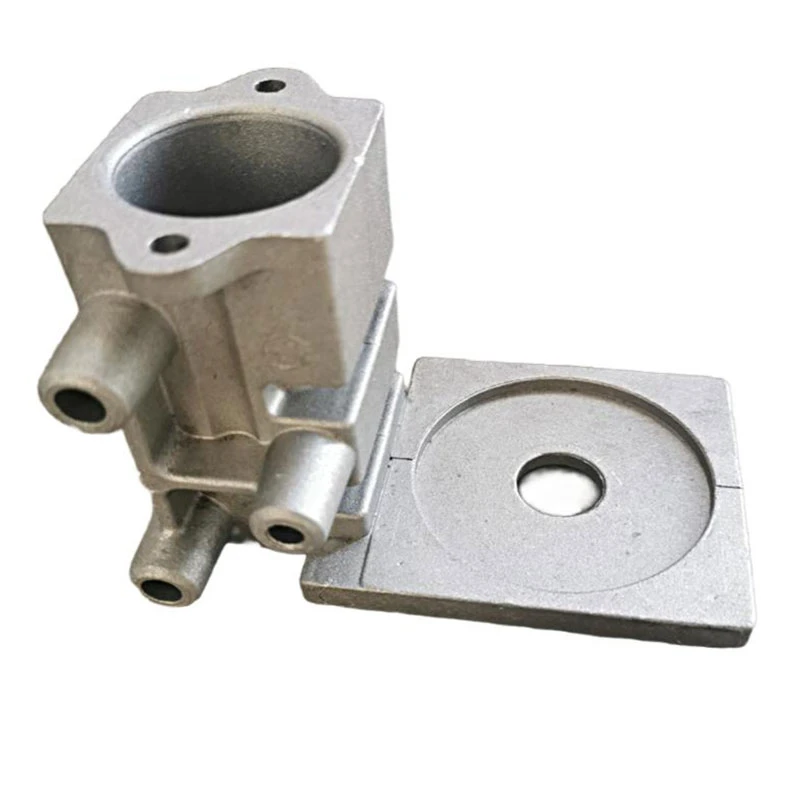
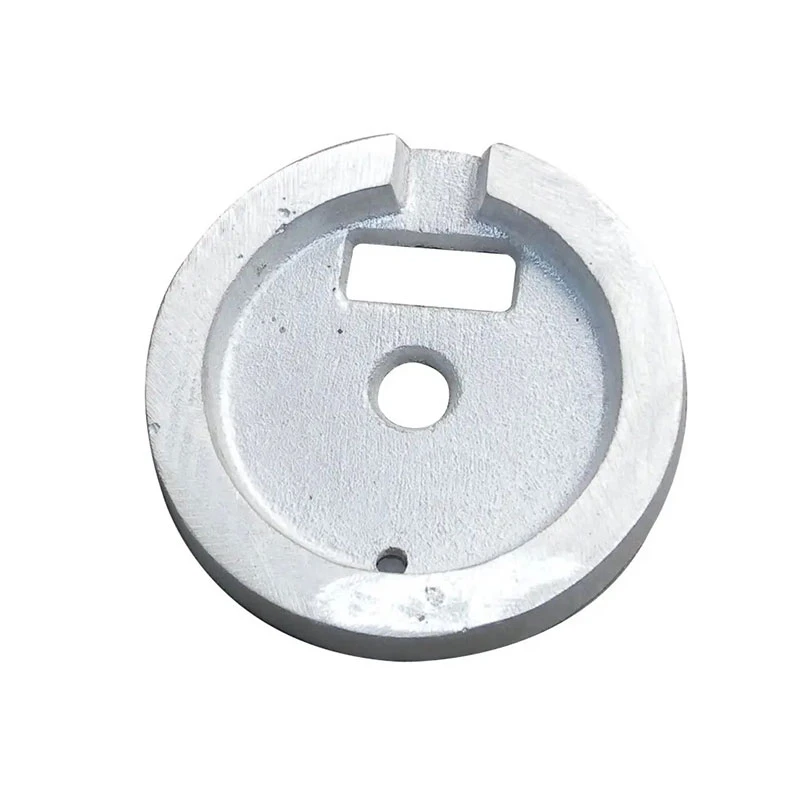
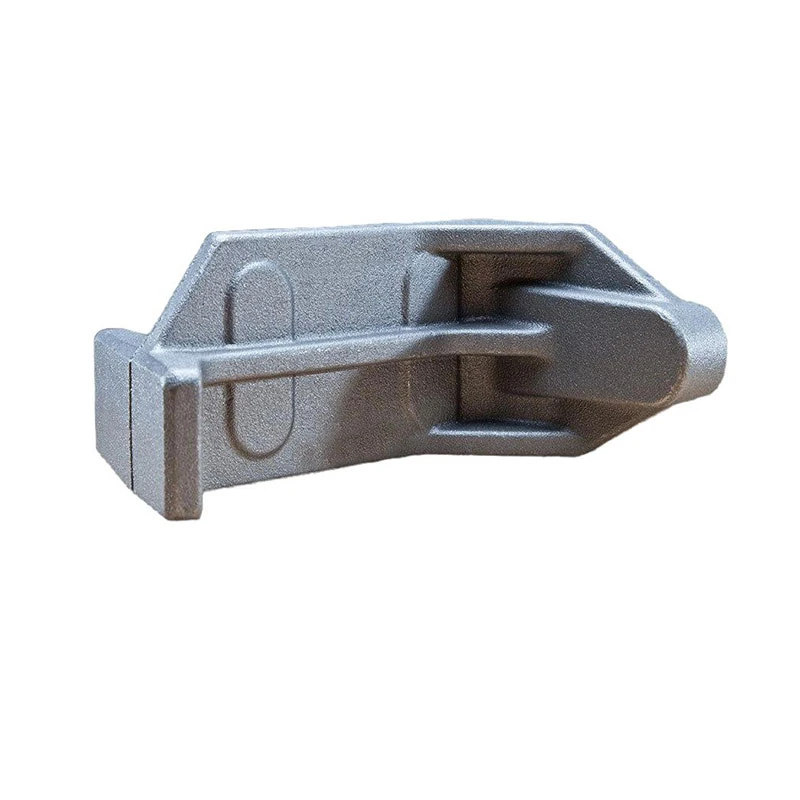
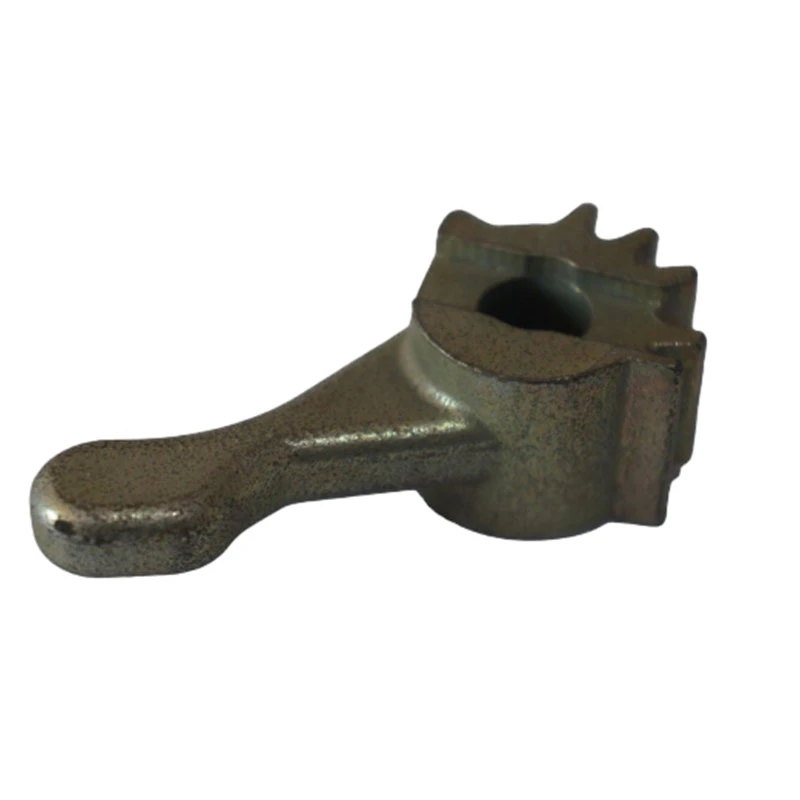
People obsess over iridium tips and heat ranges, but the truth is, the metal body and threaded shell—the precision-cast hardware—set the stage for sealing, heat dissipation, and torque repeatability. I’ve toured a few foundries, and the best ones treat plug shells like aerospace parts. That’s why a supplier in Baoding caught my eye: Hairun’s Oem Precision Castings Plugs program quietly underpins many Oem Spark Plugs lines you’ve probably used without knowing.
What’s trending
Three things: tighter thread tolerance for aluminum heads, coatings that survive ethanol-heavy fuels, and supply chains that actually deliver on schedule (surprisingly difficult lately). Many customers say consistency matters more than headline specs, which, to be honest, matches what I hear from fleet managers too.
Product snapshot: Oem Precision Castings Plugs
Origin: 3rd Floor, No. 678 Jinxiu Street, Baoding, China. Customizable? Yes—unit weight and size based on drawings or samples. Materials include stainless steel, alloy steel, carbon steel, ductile iron, and grey iron—selected to match the thermal path and torque targets in modern Oem Spark Plugs.
| Spec | Typical Value (≈ / around) | Notes |
|---|---|---|
| Thread | M14×1.25 or M12×1.25 | Per ISO 261, ISO 965-1 tolerance 6g |
| Material options | Alloy steel / SS / ductile iron | ASTM A216, A743, A536 families |
| Casting process | Investment casting + CNC finish | ISO 8062-3 CT6–CT7 real-world |
| Coating | Zinc-nickel or phosphate | ISO 9227 NSS ≥ 72–240 h |
| Hardness | HRC 18–28 (shell) | ASTM E18 test basis |
| Service life | ≈ 30k–100k miles | Depends on electrode/engine; shell supports cycle life |
How they’re made (quick flow)
- Material selection (carbon/low alloy/SS per duty cycle) and melt control (spectroverified).
- Wax pattern and shell build (investment casting), controlled dewax, pour, shakeout.
- Heat treatment for strength and machinability; CNC thread and seat finishing.
- Coating/plating for corrosion and galling; assembly interface checks with ceramic insulators.
- 100% gauging of threads and seats; CMM sampling to ISO 10360; cleanliness per ISO 16232.
- Environmental tests: salt spray ISO 9227, thermal cycling IEC 60068-2-14; automotive durability SAE J1455-style.
Test data (typical)
Thread gauge pass rate 99.7%; seat runout ≤ 0.05 mm; coating corrosion resistance 240 h NSS on Zn-Ni; torque repeatability ±5% across 10 cycles on aluminum head mockups. Real-world use may vary, I guess obviously.
Where they go
Automotive gasoline engines, motorcycles, small engines (generators, lawn & garden), and industrial ignition systems. For high-compression builds, tighter concentricity on the shell keeps Oem Spark Plugs sealing reliably.
Vendor comparison (from recent sourcing rounds)
| Vendor | Certs | MOQ | Lead time | Customization |
|---|---|---|---|---|
| Hairun (Baoding) | ISO 9001; IATF 16949 (tier) | ≈ 2,000 pcs | 4–6 weeks | Drawings/samples; coatings; heat treat |
| Generic trading house | Varies | 5,000+ | 8–12 weeks | Limited |
| Local foundry (small) | ISO 9001 (often) | ≈ 500–1,000 | 6–10 weeks | Good, but capacity-constrained |
Real-world notes
- Motorcycle OEM (ASEAN): switched to alloy steel shells; warranty misfire rate fell from 0.36% to 0.11% after seat concentricity tightened to 0.04 mm.
- Municipal fleet (US Midwest): anti-seize no longer required; torque scatter dropped ≈ 7% with revised coating and thread finish.
Customer feedback? “Threads feel ‘buttery’ even after re-torque,” one tech told me—informal, sure, but echoed by others.
Certifications and standards alignment
Quality systems to ISO 9001 and IATF 16949; casting accuracy per ISO 8062; materials per ASTM A216/A743/A536; corrosion testing ISO 9227; dimensional verification with ISO 10360 CMM; metric threads per ISO 261 and ISO 965-1. Cleanliness audited to ISO 16232 for powertrain parts. That’s the backbone that lets Oem Spark Plugs survive modern engines.
Citations
- ISO 8062-3: Geometrical product specifications (GPS) — Dimensional and geometrical tolerances for castings.
- ASTM A216/A216M, A743/A743M, A536: Standard specifications for steel and iron castings.
- ISO 261 and ISO 965-1: General purpose metric screw threads; tolerances.
- ISO 9227: Corrosion tests in artificial atmospheres — Salt spray tests.
- IATF 16949:2016 and ISO 9001:2015 — Automotive quality management systems.
- ISO 16232: Road vehicles — Cleanliness of components.
- IEC 60068-2-14 and SAE J1455: Environmental testing references for thermal cycling and automotive conditions.
-
Comprehensive Guide to Automotive Die Casting for Enhanced Vehicle PerformanceNewsJan.27,2026
-
Comprehensive Guide to Aluminum Pressure Die Casting Manufacturing ProcessesNewsJan.27,2026
-
Hot Chamber Die Casting vs Cold Chamber Die Casting ExplainedNewsJan.06,2026
-
Hot Chamber And Cold Chamber Die Casting Solutions for Industrial Applications | Hairun SourcingNewsJan.06,2026
-
Hot and Cold Chamber Die Casting: Key Insights from Industry ExpertsNewsJan.06,2026
-
Comprehensive Guide on Graphite Die Casting for B2B Manufacturing | HairunSourcingNewsJan.05,2026