


OEM Connectors: Reliable, Waterproof, Custom-Built Solutions
OEM Die Casting Connectors: field notes from the line
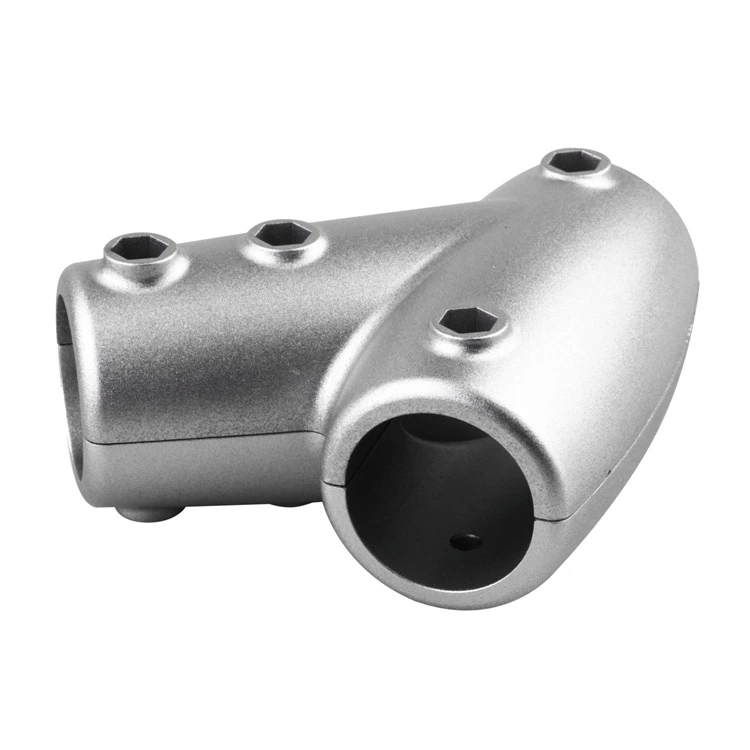
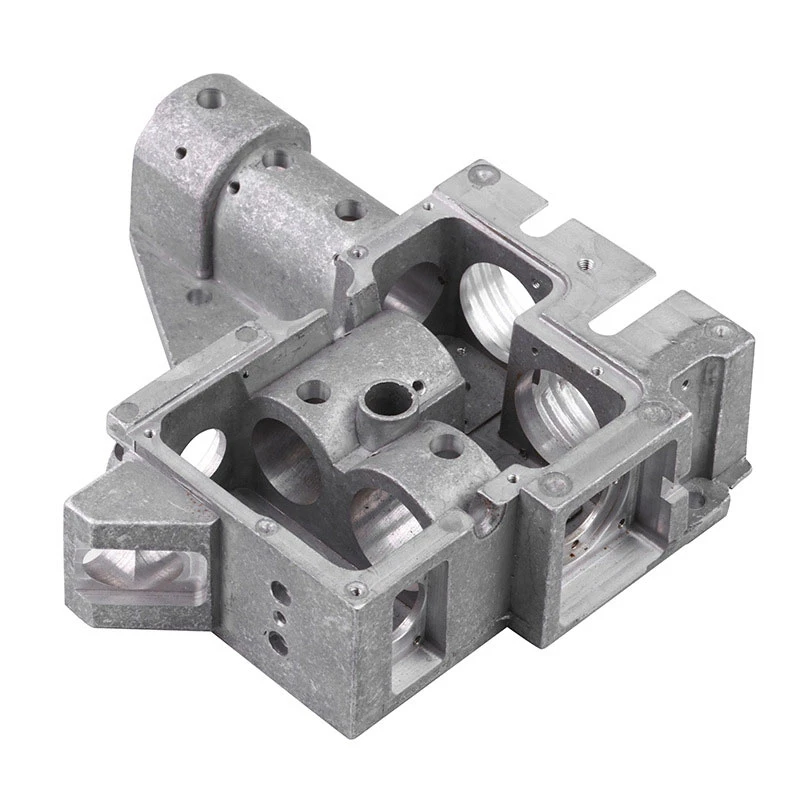
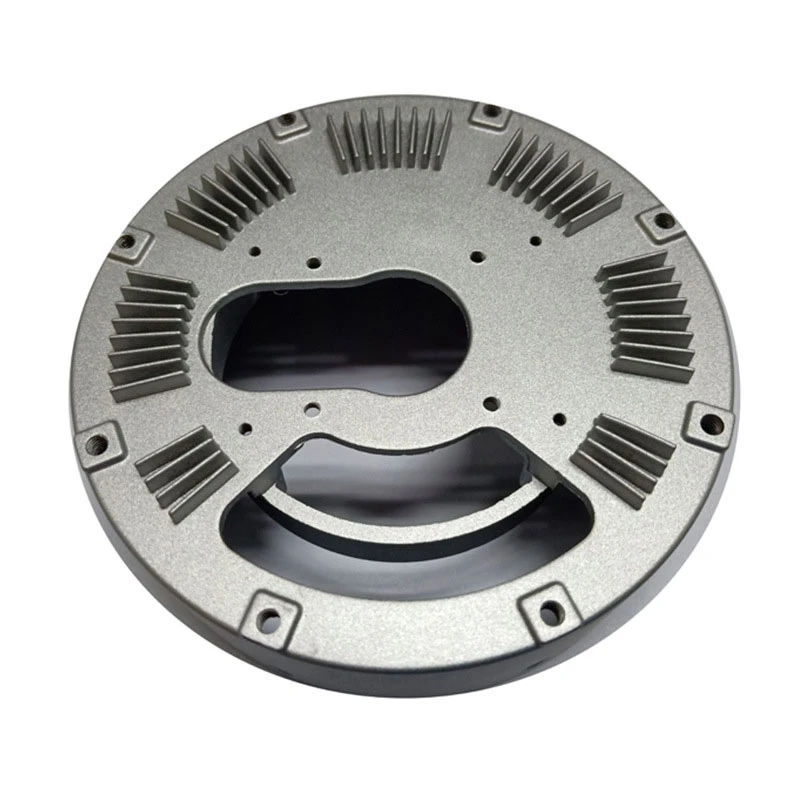
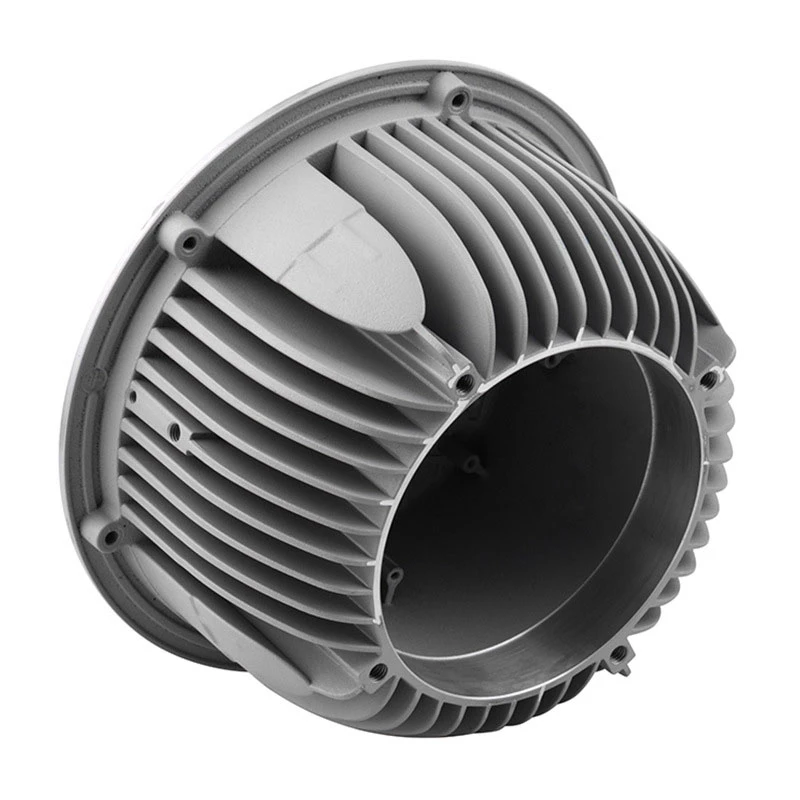
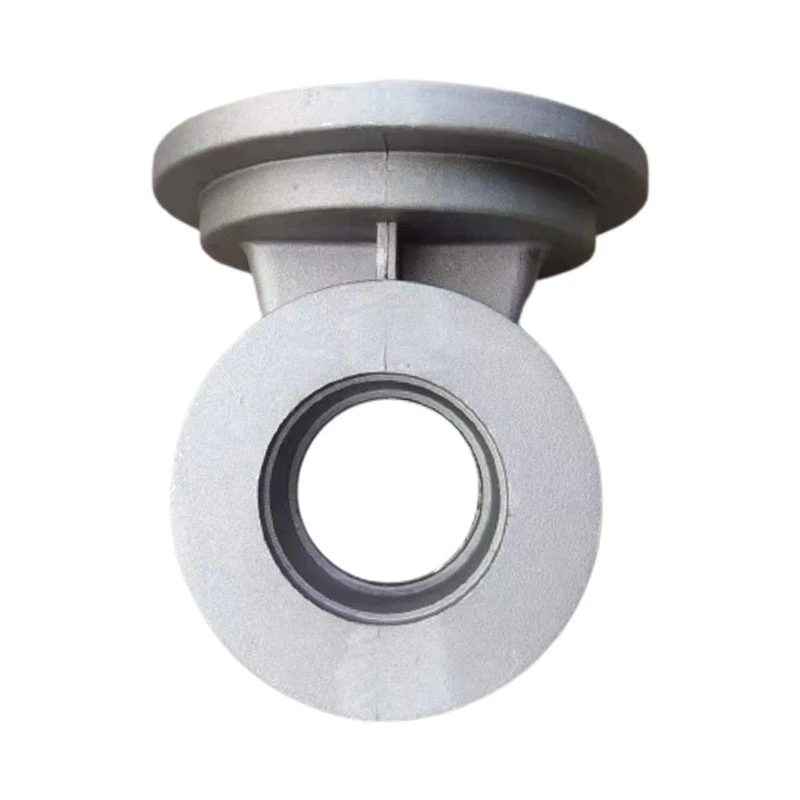
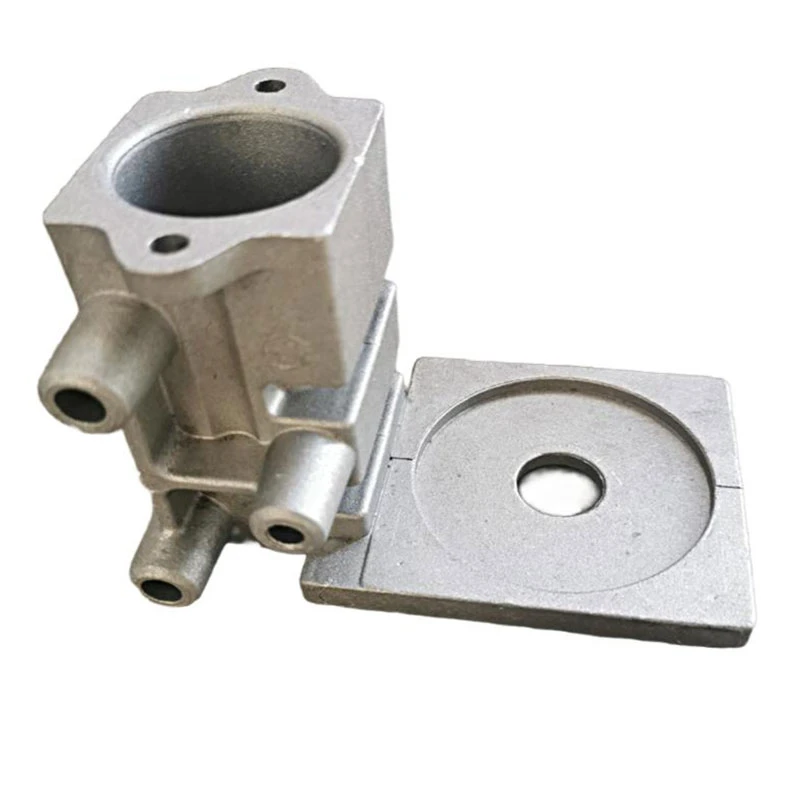
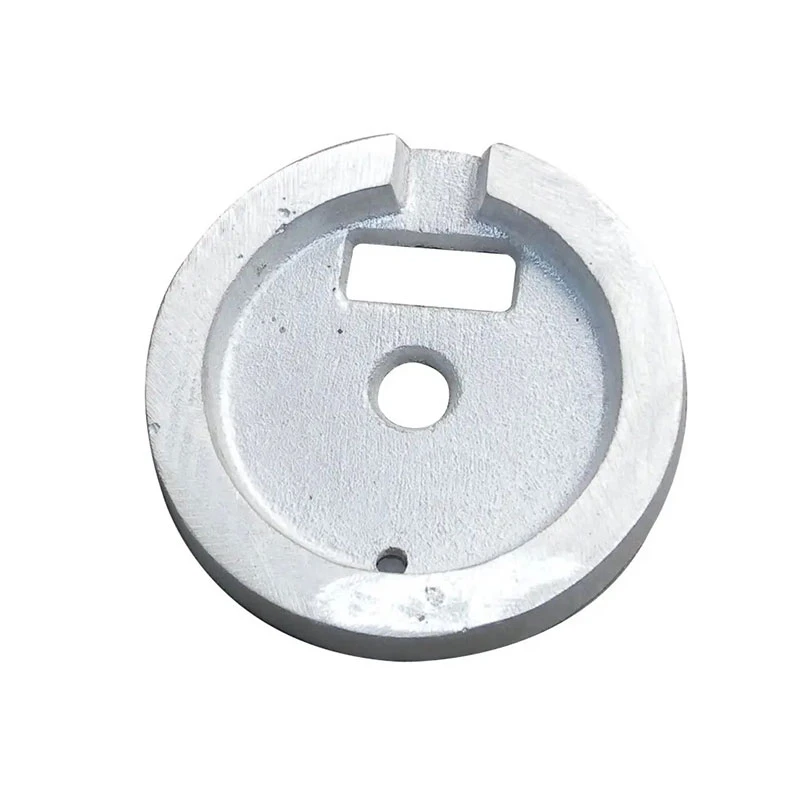
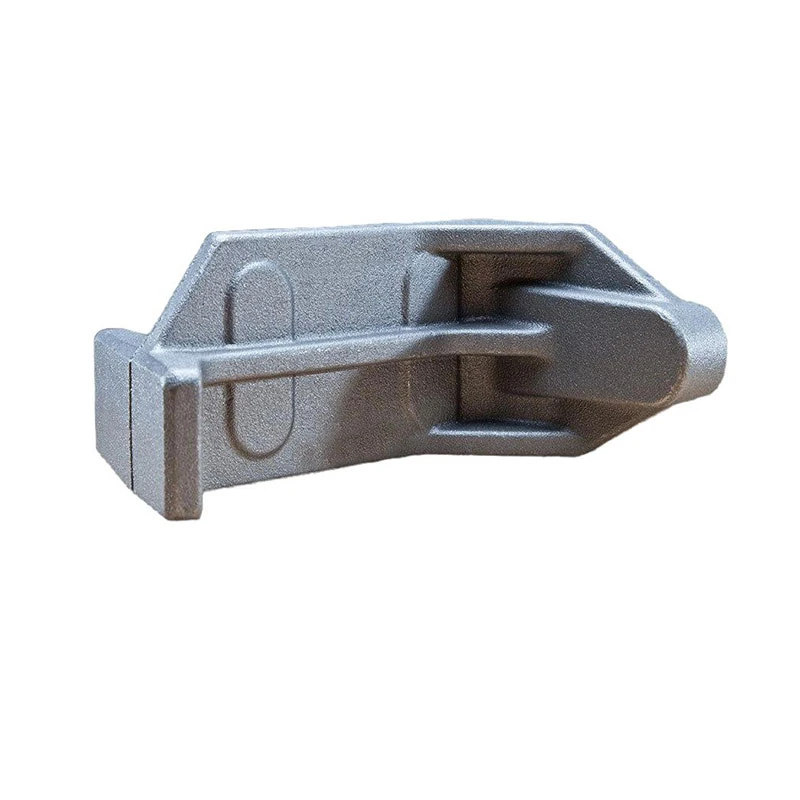
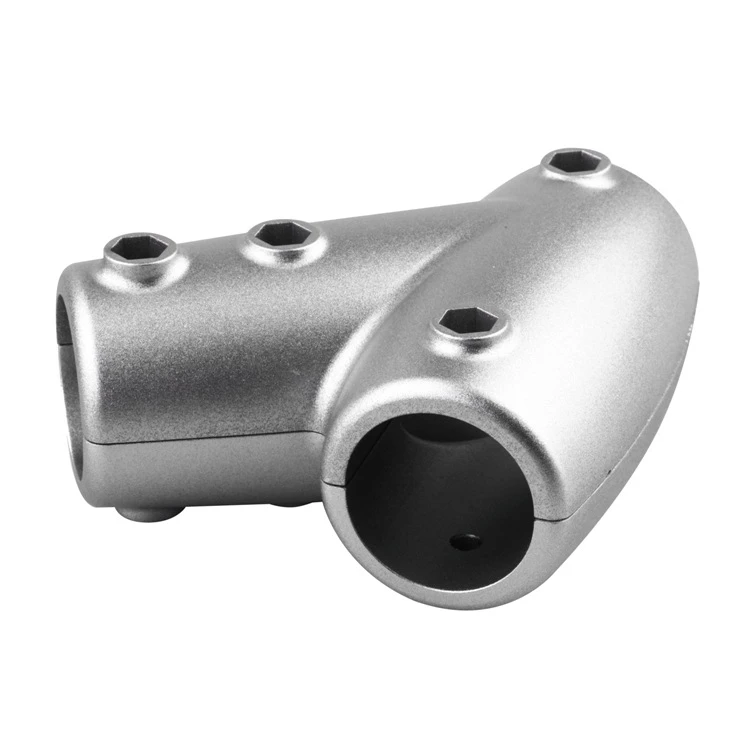
If you’re speccing rugged electronics enclosures or shell bodies for high-vibration gear, you’ve likely run into Oem Connectors. In practice, the story is bigger than the name: these are die-cast connector housings—often aluminum or zinc—that take a beating, seal out dust, and keep contact systems aligned. I’ve walked more than a few factory floors where these parts go from molten alloy to mirror-finish in under a shift. It’s oddly satisfying, to be honest.
What’s trending (and why it matters)
Three currents dominate: EV/energy, edge computing/5G, and smart factories. Each pushes connector housings toward lighter alloys, tighter tolerances, and better sealing. Sustainability is creeping in too—recycled aluminum streams and chromate-free finishes. Surprisingly, many customers say they’ll accept a week more lead time if it means stable alloy supply and traceable scrap rates. Fair trade-off.
Product snapshot: Oem Die Casting Connectors
| Materials | Aluminum, Zinc, Magnesium alloys (ADC12, YL113, YL102, A380, A360, 3#Zn) |
| Size scope | Based on customer drawings or samples; thin walls ≈1.2–2.5 mm (real-world may vary) |
| Unit weight | Per design; common housings ≈ 20 g–480 g |
| Tolerances | Up to ISO 8062-3 DCTG 6–8 typical; post-CNC for critical datums |
| Finishes | Powder coat, anodize, chromate/Trivalent Cr, nickel plating (as spec’d) |
| Environmental | IP65–IP67 possible with gaskets (IEC 60529); -40–+125°C typical |
| Customization | Yes—logo, port geometry, EMI ribs, inserts |
| Origin | 3rd Floor, No. 678 Jinxiu Street, Baoding, China |
Process flow (how it’s really done)
DFM review → mold design (gating/venting) → die casting (hot- or cold-chamber) → CNC trims/critical bores → deburr & shot blast → surface treatment → insert install → 100% visual + AQL dimensional → sealing & torque tests → packaging with traceability. Tests often include IEC 60512 contact-related sequences on the finished assembly, salt spray per ASTM B117 (≥120 h common), and alloy verification per ASTM B85. For automotive, IATF 16949 discipline and PPAP are table stakes.
Where Oem Connectors show up
- EV charging pedestals and on-board chargers (EMI-shielded housings)
- Industrial robots and PLC I/O blocks—rugged M12/M23 style shells
- Outdoor telecom radios—lightweight A380 shells with IP67
- Medical carts and imaging add-ons—cleanable, powder-coated frames
Why die-cast shells work
Strength-to-weight, tight net shapes, and consistent EMI performance. Plus, cost wins at volume. Many engineers tell me they moved from machined billet to die casting and cut unit cost ≈28% after tooling amortization. The catch? Get draft angles and wall transitions right early.
Vendor snapshot (real-world differences)
| Vendor | Lead time | Certs | DFM/Tooling | MOQ |
|---|---|---|---|---|
| Hairun Sourcing (Baoding) | Tooling 25–35 days; mass 2–4 wks | ISO 9001; IATF support; RoHS/REACH | Full DFM, in-house die design | ≈500–1,000 pcs |
| Trader A | Varies; 5–7 wks typical | Supplier-dependent | Limited; outsourced tools | ≥2,000 pcs |
| Local Foundry B | Tooling 30–45 days | ISO 9001 | Good machining, basic DFM | ≈300–800 pcs |
Field data and feedback
Recent lots showed contact resistance drift
Mini case files
EV charger housing: switched to ADC12, added internal ribs; weight down 18%, enclosure passed IP67 dunk and thermal shock -40/+85°C for 100 cycles. Time-to-first-article: 32 days.
Factory I/O block: zinc shell for thread strength, nickel plate; torque test to 1.5× rated without crack, maintained ground continuity at 2.5 mΩ average after vibration per IEC 60068-2-6.
Customization notes
Logo deboss, keyed port geometries, helicoils, EMI beads, and overmolding bosses—all doable. Just bring the draft (1–2°), uniform walls, and clear datum scheme. It seems that early CFD for venting saves at least one tool rework, which is not nothing.
If you’re weighing Oem Connectors against billet or molded alternatives, start with total cost per life cycle, not just piece price. And, actually, ask for process capability data next to the quote—Cp/Cpk on bores tells the story.
Authoritative citations
- ASTM B85/B85M – Standard Specification for Aluminum-Alloy Die Castings.
- IEC 60512 – Connectors for electronic equipment – Tests and measurements.
- IEC 60529 – Degrees of protection (IP Code) for enclosures.
- ASTM B117 – Standard Practice for Operating Salt Spray (Fog) Apparatus.
- ISO 8062-3 – Dimensional and geometrical tolerances for castings; general tolerances.
- IATF 16949 – Automotive Quality Management System Requirements.
- EU RoHS Directive 2011/65/EU and REACH Regulation (EC) No 1907/2006.
-
Comprehensive Guide to Automotive Die Casting for Enhanced Vehicle PerformanceNewsJan.27,2026
-
Comprehensive Guide to Aluminum Pressure Die Casting Manufacturing ProcessesNewsJan.27,2026
-
Hot Chamber Die Casting vs Cold Chamber Die Casting ExplainedNewsJan.06,2026
-
Hot Chamber And Cold Chamber Die Casting Solutions for Industrial Applications | Hairun SourcingNewsJan.06,2026
-
Hot and Cold Chamber Die Casting: Key Insights from Industry ExpertsNewsJan.06,2026
-
Comprehensive Guide on Graphite Die Casting for B2B Manufacturing | HairunSourcingNewsJan.05,2026