


OEM Bearing & Precision Cast Components—Precision, Speed?
What’s Really Changing in the OEM Bearing Game
If you’ve ever tried to source an oem bearing for a tough application—robotic joints, ag equipment, or that finicky packaging line—you know the quiet truth: specs on paper aren’t the whole story. Tolerances, heat treatment, and surface finish make or break uptime. I’ve walked a few factory floors where a beautiful design still squealed at 3,000 rpm because someone cut corners on raceway superfinishing.
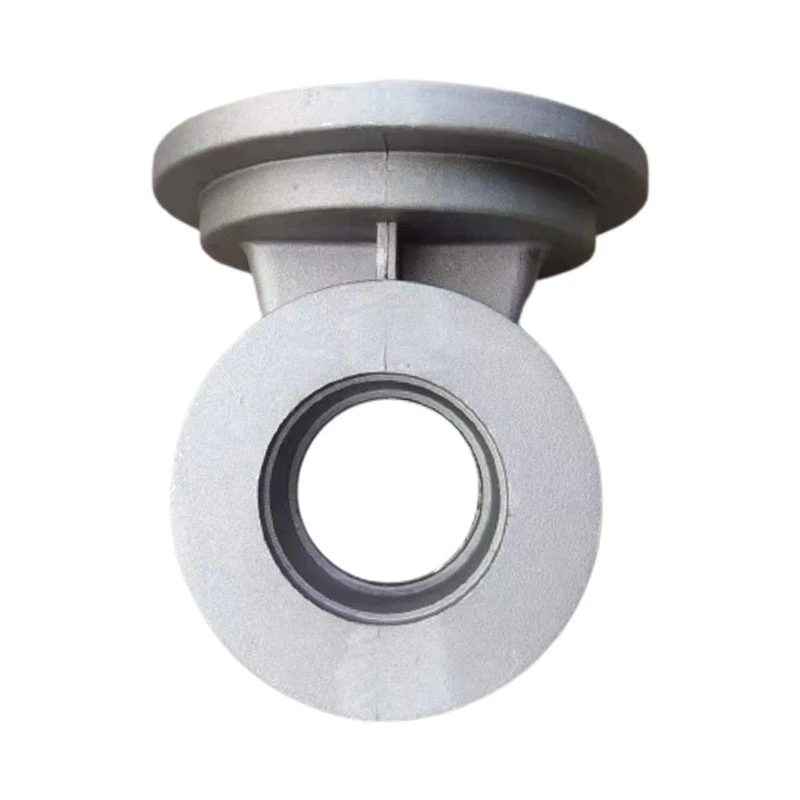
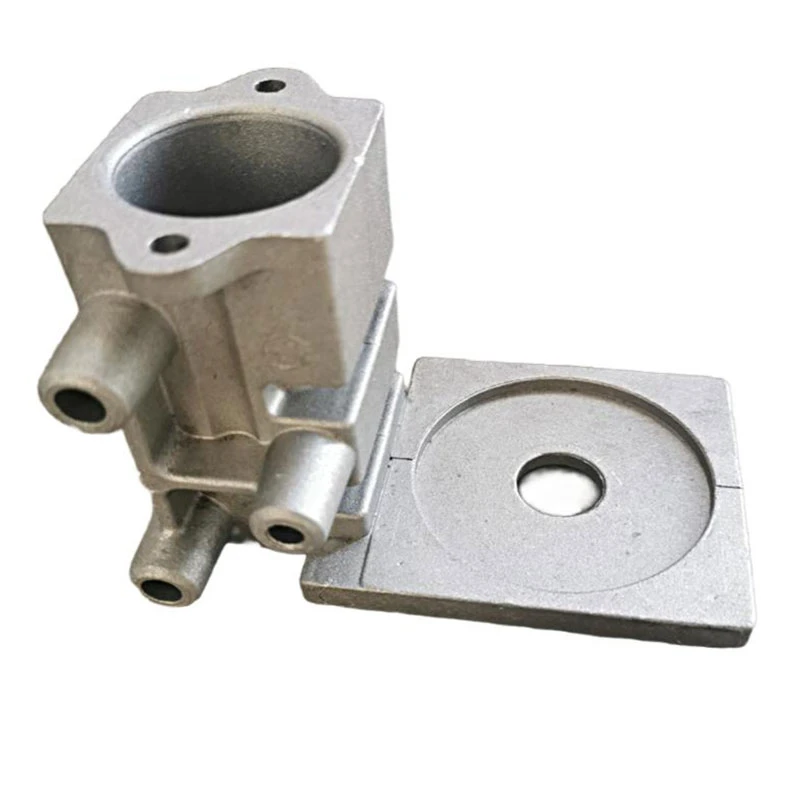
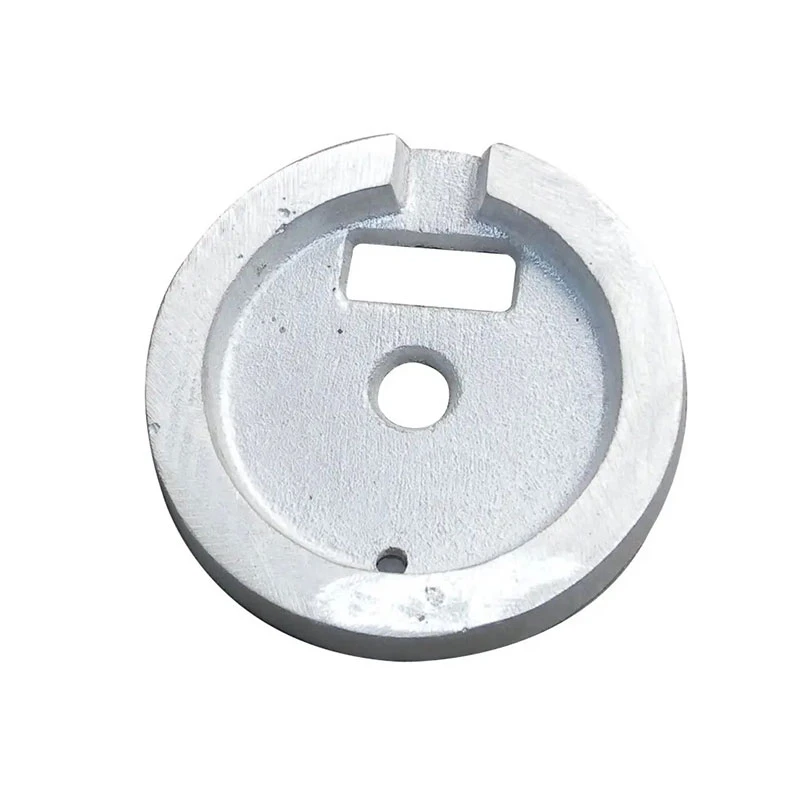
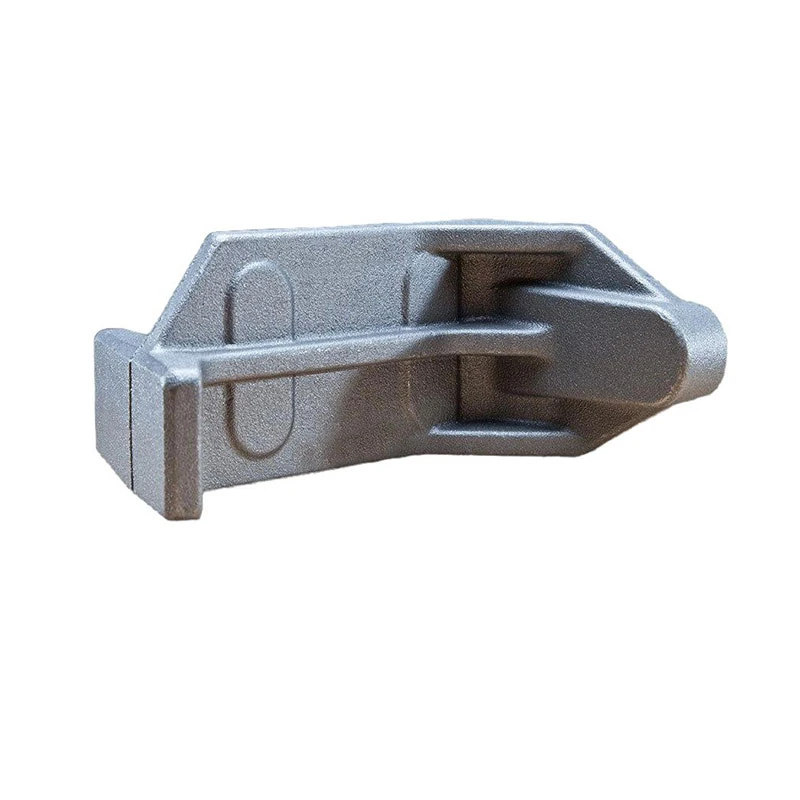
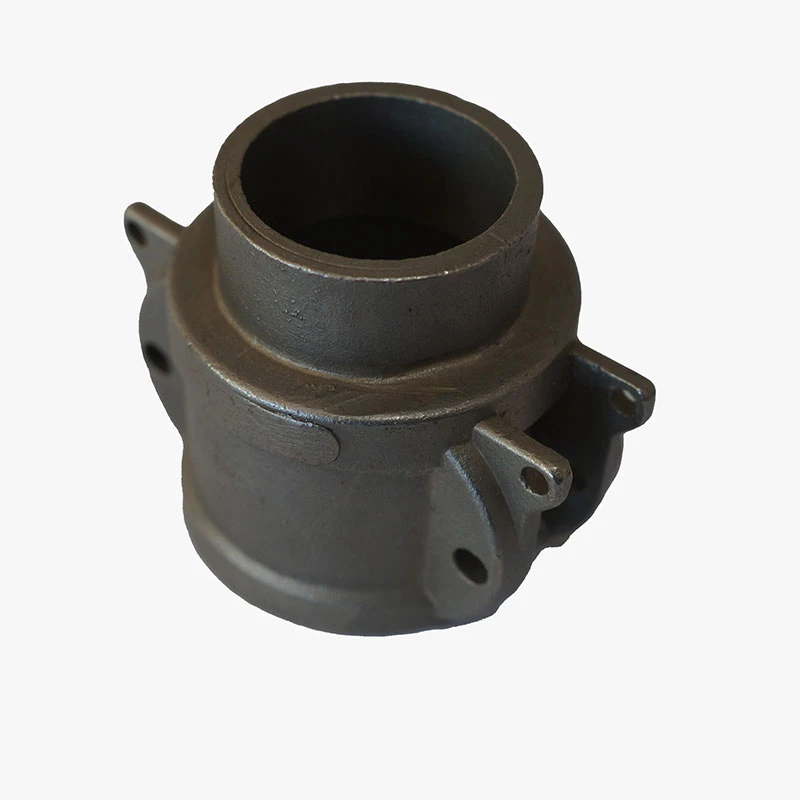
Hairun Sourcing’s Oem Precision Castings Bearing comes out of Baoding (3rd Floor, No. 678 Jinxiu Street), and to be honest, it’s been getting attention. The team leans hard into precision casting + CNC grinding, which—when done right—bridges the gap between custom and repeatable. Trends? Shorter lead times, smaller MOQs, and tighter ISO 492 classes for mid-volume runs. Also, more stainless and alloy blends due to corrosive washdowns in food/pack lines.
Materials, Methods, and the Real Process Flow
Materials typically used: stainless steel, alloy steel, carbon steel; ductile iron and grey iron for housings or specialty geometries. The flow looks like this (yes, slightly simplified):
- Investment casting or precision casting of blanks (controlled shrinkage models, gating optimized).
- CNC rough/finish machining of rings; turning, drilling, raceway profiling.
- Heat treatment: quench + temper (aim HRC ≈ 58–64 on bearing steels; stability verified after temper).
- Grinding and superfinishing of raceways and rolling-contact surfaces (Ra ≤ ≈0.2 μm target).
- Assembly with balls/rollers; cage selection; grease packing (NLGI 2 usually), or oil-filled.
- 100% dimensional checks vs. ISO 492 class (often P6/P5 for critical builds); runout checks.
- Testing: hardness, roundness, noise class (Z1/Z2), salt-spray for stainless parts when applicable.
Service life is estimated per ISO 281 L10 methodology—real-world use may vary with lubrication, load, misalignment, and contamination (no surprise there).
Quick Spec Snapshot
| Product | Oem Precision Castings Bearing (customizable; China origin) |
| Materials | Stainless, alloy steel, carbon steel; ductile/grey iron for housings |
| Size Scope | Based on drawings or samples (typical ID ≈ 10–180 mm) |
| Hardness | HRC ≈ 58–64 (bearing steel), verified post-temper |
| Tolerances | ISO 492 P6 / P5 options |
| Surface Finish | Raceway Ra ≤ ≈0.2 μm (target) |
| Load Ratings | Dynamic C up to ≈ 25–120 kN (varies by size/design) |
| Life (L10) | ≈ 20,000–60,000 h (application-dependent) |
| Temperature | −20°C to 180°C (grease/oil dependent) |
Where They’re Used (and Why)
Typical scenarios: industrial robotics (repeatability), conveyors and packaging (washdowns), agricultural implements (shock loads), HVAC motors, and mining idlers (dust, vibration). Many customers say the oem bearing customization—cage design tweaks, grease changes—mattered more than brand names on the box.
Vendor Comparison (Real-World Factors)
| Vendor | MOQ | Lead Time | QC/Certs | Customization | Notes |
|---|---|---|---|---|---|
| Hairun Sourcing (Baoding) | Low–medium | ≈ 25–45 days | ISO 9001; IATF 16949 support (on request) | High (drawings/samples welcome) | Strong on casting + finishing integration |
| Generic Trader A | Medium | ≈ 40–60 days | Basic COA, limited PPAP | Medium | Price okay; specs vary by lot |
| In-house Machine Shop | N/A | Depends on capacity | Your system | Highest (if skilled) | Capex heavy; learning curve on heat treat |
Testing, Standards, and Data Points
- L10 life calculated per ISO 281; sample lab tests show L10 ≈ 35,000 h at C/P ≈ 3 (illustrative).
- Dimensional checks per ISO 492; runout typically ≤ P6; selected builds achieve P5.
- Hardness verified (HRC 60 ±2) on bearing rings; retained austenite checked after temper.
- Salt-spray (NSS) > 96 h on stainless housings; real-world may vary with media and edges.
- PPAP Level 3 and full traceability available for automotive projects, IATF 16949 aligned.
Customization and Support
Send drawings or a physical sample—turnaround on DFM feedback is usually fast. Grease selection, cage material, chamfer radii, preload, and even laser marking are fair game. It seems that the oem bearing flexibility is what wins RFQs lately, not just headline load ratings.
Case Study (Short and Sweet)
A robotics integrator swapped into a custom oem bearing with P5 raceway finish and food-grade grease. Downtime dropped from ≈3% to 0.8%, and maintenance intervals stretched from 6 to 14 months. The surprising bit? The cost uptick was under 6% thanks to cast-blank optimization.
Customer voice: “Noise class consistency mattered more than we expected. The smoother ramp-up made our encoder readings cleaner.”
Final Take
If you need a purpose-fit oem bearing with solid QA and sane lead times, this Baoding-made option is worth a look—especially where corrosion or precision finish are non-negotiable.
Authoritative Citations
-
Comprehensive Guide to Automotive Die Casting for Enhanced Vehicle PerformanceNewsJan.27,2026
-
Comprehensive Guide to Aluminum Pressure Die Casting Manufacturing ProcessesNewsJan.27,2026
-
Hot Chamber Die Casting vs Cold Chamber Die Casting ExplainedNewsJan.06,2026
-
Hot Chamber And Cold Chamber Die Casting Solutions for Industrial Applications | Hairun SourcingNewsJan.06,2026
-
Hot and Cold Chamber Die Casting: Key Insights from Industry ExpertsNewsJan.06,2026
-
Comprehensive Guide on Graphite Die Casting for B2B Manufacturing | HairunSourcingNewsJan.05,2026