


High-Quality Precision Cast Parts | Custom Investment Casting Services
Introduction to Precision Casting Excellence
In the demanding landscape of B2B manufacturing, the ability to produce components with intricate geometries, superior surface finish, and exceptional material integrity is paramount. This is where precision cast solutions distinguish themselves. Precision casting, often synonymous with investment casting, represents a sophisticated manufacturing technique capable of producing near-net-shape components from a wide array of ferrous and non-ferrous alloys. These parts are critical across numerous high-stakes industries, including aerospace, medical, automotive, and energy, where performance, reliability, and dimensional accuracy are non-negotiable. Our focus herein delves into the intricacies of this advanced process, exploring its technical underpinnings, diverse applications, and inherent advantages that drive industrial innovation and efficiency.
The demand for precision casting parts continues to surge as industries seek to optimize material usage, reduce machining costs, and achieve complex designs that are otherwise difficult or impossible with traditional manufacturing methods. From intricate turbine blades to robust components for heavy machinery, precision casting offers a versatile and cost-effective pathway to high-performance parts. This comprehensive overview will detail the process, highlight key industry trends, and present data-driven insights to underscore its value.
The Advanced Process Flow of Precision Casting
The manufacturing process of precision cast components is a multi-step, highly controlled operation designed to achieve superior accuracy and surface finish. Often referred to as investment casting or lost-wax casting, it involves several critical stages, each contributing to the final product's integrity and dimensional precision.
Key Stages of Investment Casting:
- Wax Pattern Creation: High-fidelity wax patterns are injected into a precisely machined die. Multiple patterns are often assembled onto a central wax sprue, creating a "tree" assembly. This step dictates the final part's geometry.
- Shell Building (Investing): The wax assembly is repeatedly dipped into a ceramic slurry (e.g., colloidal silica with fine refractory materials like zircon or fused silica) and then coated with coarser ceramic stucco. This multi-layer coating process, often involving 6-10 layers, builds a robust ceramic shell around the wax pattern. Each layer is dried thoroughly.
- Dewaxing: The ceramic shell, with the wax pattern inside, is heated in an autoclave or flash furnace. The wax melts out, leaving a hollow ceramic mold. The wax can be reclaimed and reused, making the process more sustainable.
- Preheating and Pouring: The dewaxed ceramic mold is preheated to high temperatures (typically 800-1100°C) to remove residual moisture, improve molten metal flow, and prevent thermal shock during pouring. Molten metal, accurately controlled for temperature and composition, is then poured into the preheated mold cavity. Common materials include carbon steel, stainless steel, aluminum alloys, nickel-based alloys, and titanium.
- Cooling and Solidification: The molten metal cools and solidifies within the ceramic mold, taking the shape of the desired part. Controlled cooling rates are crucial for achieving the desired microstructure and mechanical properties.
- Knockout and Part Removal: Once solidified, the ceramic shell is broken away from the metal casting using vibratory hammers, water jets, or abrasive blasting. The individual components are then separated from the central sprue.
- Finishing and Post-Processing: This includes gates and risers removal (often by cutting or grinding), heat treatment (to optimize mechanical properties like hardness, strength, and ductility), straightening, surface finishing (e.g., sandblasting, polishing), and, if required, CNC machining for tighter tolerances on specific features.
- Inspection and Testing: Comprehensive quality control includes dimensional inspection (CMM), non-destructive testing (NDT) such as X-ray, ultrasonic, liquid penetrant, and magnetic particle inspection, as well as mechanical property testing (tensile, hardness, impact). Testing standards often adhere to ISO 9001, AS9100, ASTM, and ANSI specifications, ensuring compliance and reliability.
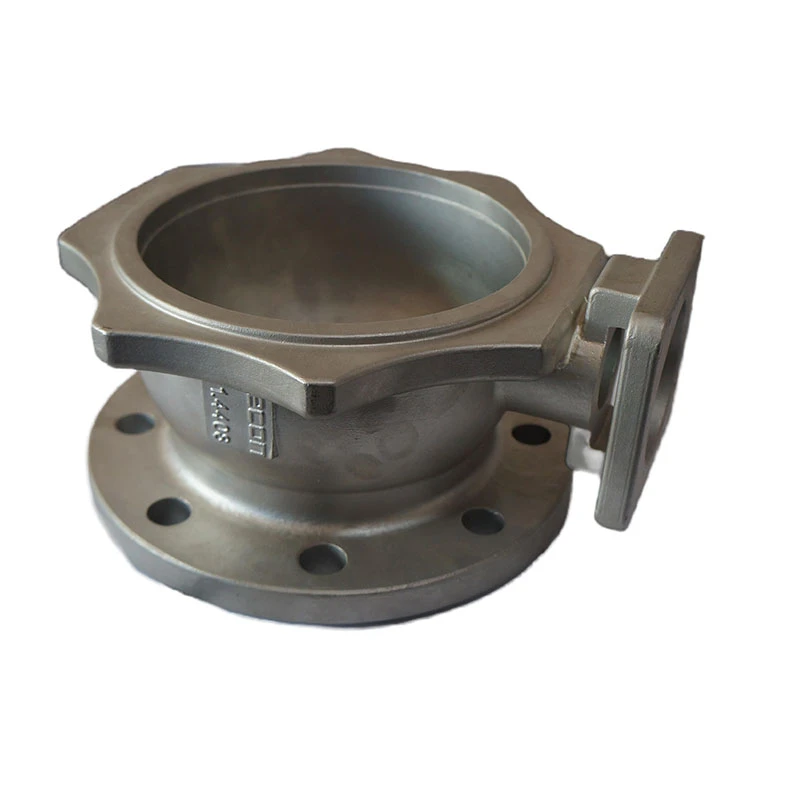
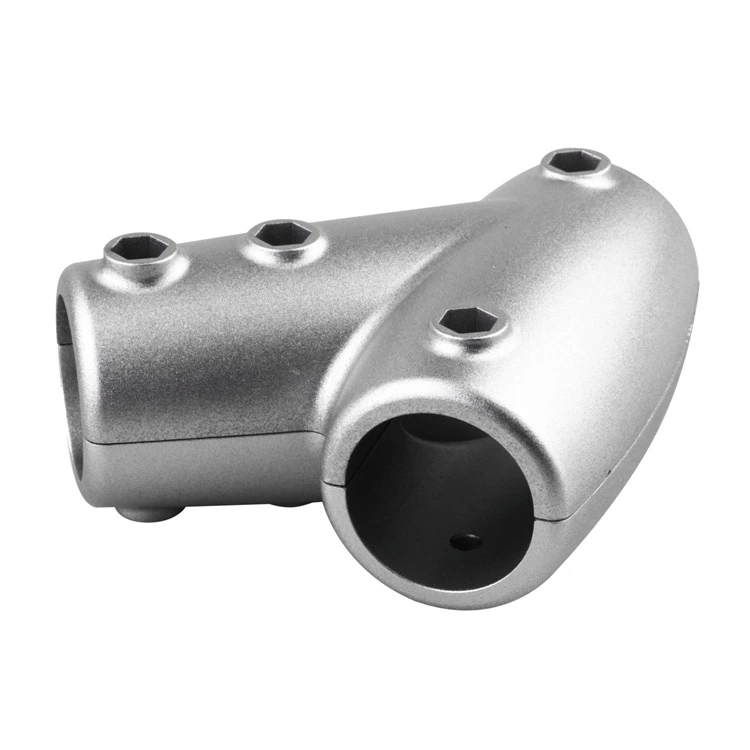
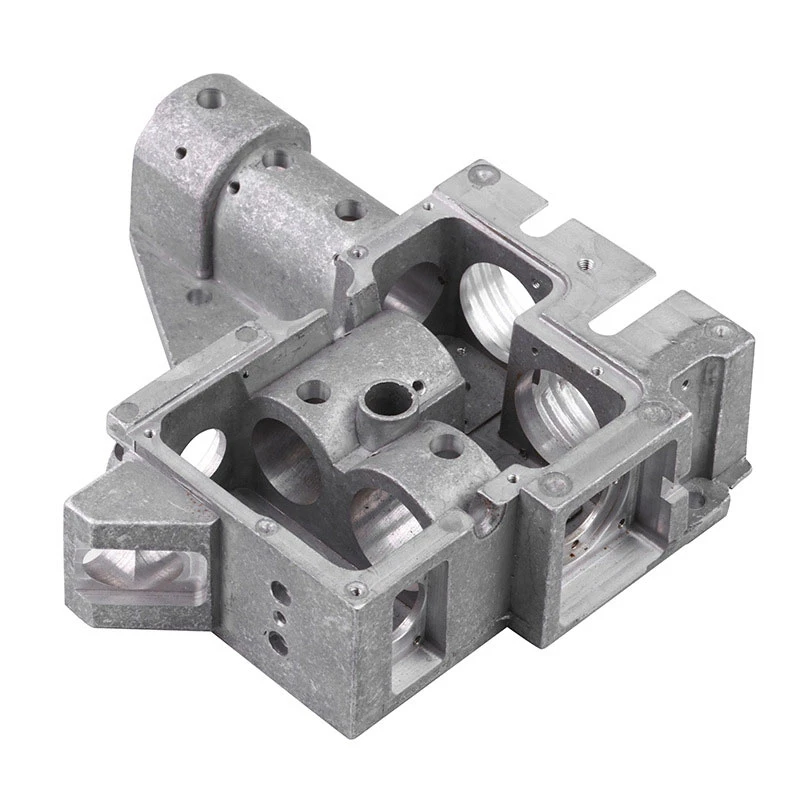
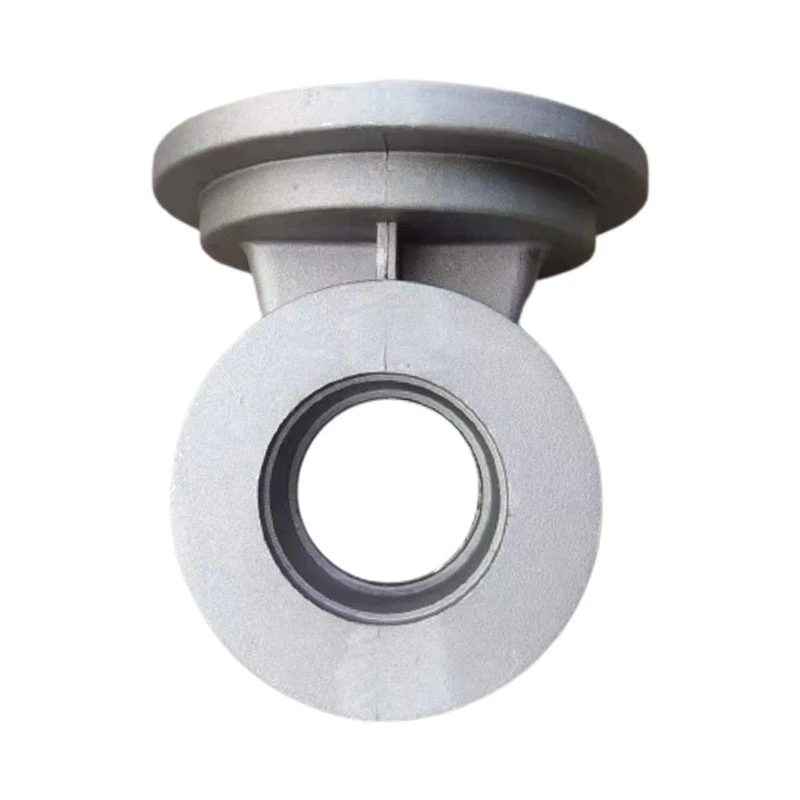
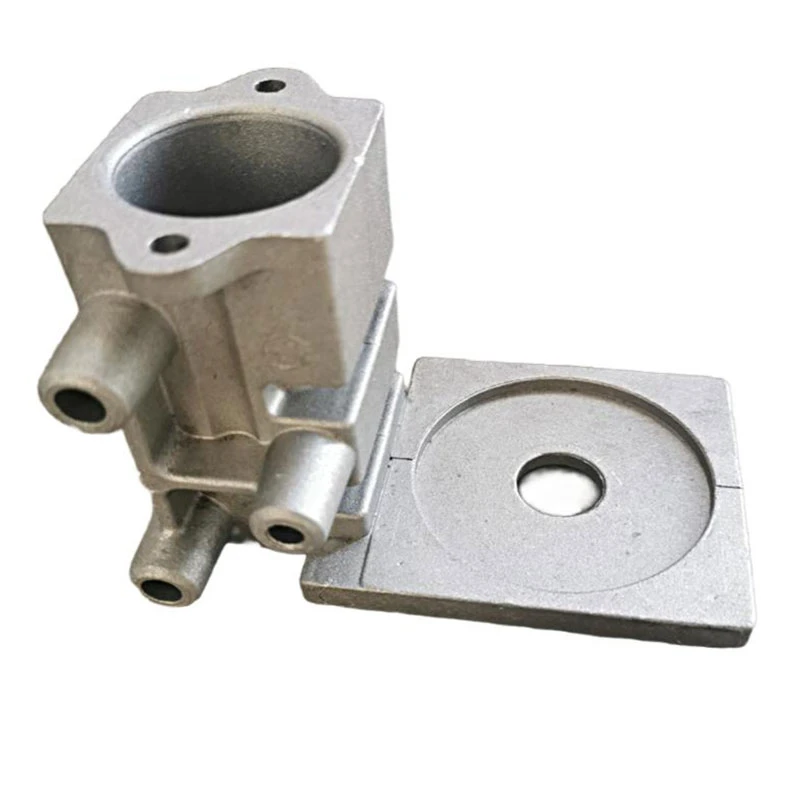
Figure 1: Illustration of a complex precision cast component, showcasing intricate geometry and surface finish.
Typical service life for these components can range from several years to decades, depending on the material, application, and operating environment. For instance, corrosion-resistant stainless steel precision casting parts used in petrochemical or water supply & drainage industries are engineered for extended lifespans, offering significant advantages in terms of reduced maintenance and energy saving through optimized flow dynamics.
Technical Advantages and Industry Applications
The technical advantages of precision cast components are profound, offering solutions where other manufacturing methods fall short. These advantages translate directly into performance benefits for B2B clients.
Key Technical Advantages:
- Design Freedom: Enables the production of complex, intricate geometries with internal passages, thin walls, and fine details without the need for extensive machining. This is crucial for optimizing fluid dynamics in valves or heat dissipation in electronic enclosures.
- Material Versatility: Compatible with a vast range of ferrous and non-ferrous alloys, including high-temperature alloys, stainless steels (e.g., 304, 316, 17-4PH), carbon steels (e.g., AISI 1018, 1045), and exotic alloys. This allows selection based on specific mechanical, thermal, and corrosion resistance requirements.
- Excellent Surface Finish: Typically achieves RMS surface finishes of 125 micro-inches (3.2 micrometers) or better, reducing the need for costly secondary finishing operations.
- Dimensional Accuracy: Capable of holding tight tolerances, typically ±0.005 inches per inch, translating to reduced post-casting machining and overall cost savings.
- Near-Net Shape Production: Produces parts very close to the final desired shape, minimizing material waste and subsequent machining time, which is particularly beneficial for expensive alloys.
- Metallurgical Integrity: Offers fine grain structure and excellent mechanical properties due to controlled cooling and solidification, often superior to sand castings.
Target Industries and Application Scenarios:
- Petrochemical and Oil & Gas: Critical components like valve bodies, impellers, pump housings, and flame arresters (such as the Oem Precision Castings Flame Arresters) requiring high corrosion resistance, pressure integrity, and temperature stability.
- Automotive: Carbon steel investment precision casting automobile spare parts are extensively used for turbocharger components, transmission parts, exhaust system elements, and brake system components, where high strength and precision are essential.
- Aerospace & Defense: Turbine blades, structural brackets, fuel system components, and missile parts made from superalloys or titanium, demanding extreme strength-to-weight ratios and resistance to high temperatures.
- Medical & Dental: Surgical instruments, prosthetic implants, and dental components, where biocompatibility, sterilization capability, and intricate designs are paramount.
- Energy (Power Generation): Components for gas and steam turbines, hydroelectric systems, and nuclear power plants, requiring materials capable of enduring harsh operating conditions.
- General Industrial: Machinery parts, food processing equipment, and hardware where durability, precision, and corrosion resistance are valued.
One notable application example is the use of investment casting for cast precision bullets, where the metallurgical consistency and precise dimensional control ensure superior ballistic performance. Similarly, components produced by cast precision industries are integral to high-performance defense systems and industrial machinery.
Industry Trends and Market Dynamics
The global precision casting market is experiencing robust growth, driven by increasing demand from end-use industries for lightweight, high-performance components. Key trends include:
- Advanced Materials: A growing focus on casting more complex and specialized alloys, such as superalloys (nickel, cobalt, iron-based) for extreme temperature applications and titanium alloys for lightweight, high-strength needs.
- Automation and Digitalization: Increased adoption of robotic systems for wax pattern assembly, shell building, and post-processing, alongside advanced simulation software for mold design and solidification analysis, enhancing efficiency and reducing defects.
- Sustainability: Emphasis on environmentally friendly processes, including wax reclamation, reduced energy consumption, and recycling of refractory materials.
- Additive Manufacturing Integration: Hybrid approaches combining 3D printing for rapid prototyping of wax patterns or directly printing ceramic molds, accelerating product development cycles.
- Nearshoring/Reshoring: A shift towards local or regional sourcing to mitigate supply chain risks, improve lead times, and enhance quality control.
These trends reflect the industry's continuous evolution towards higher efficiency, greater material flexibility, and superior product quality, reinforcing the value proposition of precision cast components.
Product Specification: OEM Precision Castings Flame Arresters
As a prime example of high-integrity precision casting parts, OEM Precision Castings Flame Arresters are engineered to prevent the propagation of flames in pipeline systems or storage tanks containing flammable gases or vapors. Their design requires exceptional dimensional accuracy and material integrity to ensure reliable performance under critical safety conditions.
| Parameter | Specification/Detail |
|---|---|
| Material Options | 304 SS, 316 SS, Carbon Steel (e.g., WCB), Duplex Stainless Steel, Aluminum Bronze |
| Casting Process | Investment Casting (Lost-wax method) |
| Dimensional Tolerances | ISO 2768-mK / CT5-CT7 per VDG P690 |
| Surface Finish | Ra 3.2 - 6.3 µm (125 - 250 RMS) standard, Ra 1.6 µm (63 RMS) achievable with additional polishing |
| Weight Range | 0.05 kg to 50 kg (depending on specific design) |
| Wall Thickness Capability | Minimum 2.0 mm (0.08 inch) for general sections, 1.0 mm (0.04 inch) for small, critical features |
| Certifications | ISO 9001:2015, PED (Pressure Equipment Directive) compliant materials, NACE MR0175 (for corrosion resistance) |
| Testing & Inspection | NDT (RT, UT, MT, PT), Hydrostatic testing, Fire Test (e.g., IEC/EN 60079-0, ISO 16852) |
| Typical Applications | Storage tanks, pipelines, process vessels, flare stacks in petrochemical, chemical, pharmaceutical industries |
Comparison: Precision Casting vs. Sand Casting
To further illustrate the distinct advantages, a comparison with traditional sand casting is beneficial:
| Feature | Precision Casting (Investment Casting) | Sand Casting |
|---|---|---|
| Dimensional Accuracy | Very High (±0.15% of dimension, or better) | Moderate (±0.5% of dimension) |
| Surface Finish | Excellent (Ra 3.2 - 6.3 µm) | Good (Ra 6.3 - 25 µm) |
| Complexity of Geometry | Very High (intricate internal passages, thin walls) | Moderate (simpler shapes, cores for internal features) |
| Tooling Cost | Higher (for wax injection dies) | Lower (for patterns) |
| Unit Cost (Low Volume) | Higher (due to process intensity) | Lower |
| Unit Cost (High Volume) | Competitive (reduced post-processing) | Competitive |
| Lead Time (Tooling) | Longer | Shorter |
| Post-Machining Required | Minimal or none (near-net shape) | Significant |
Vendor Comparison and Customized Solutions
Selecting the right precision cast vendor is a critical decision that impacts product quality, lead times, and overall project success. Key factors for B2B decision-makers to consider include:
- Technical Expertise and Experience: Look for vendors with a proven track record, demonstrated knowledge of various alloys, and in-house engineering capabilities for design optimization (DFM - Design for Manufacturability).
- Quality Certifications: Adherence to ISO 9001, AS9100 (aerospace), IATF 16949 (automotive), and other relevant industry-specific standards signifies robust quality management systems.
- Testing and Inspection Capabilities: Comprehensive in-house NDT, metallurgical analysis, and mechanical testing facilities ensure compliance and performance validation.
- Capacity and Lead Time: Assess production capacity to meet demand fluctuations and inquire about typical lead times for tooling and production runs.
- Customization and Prototyping: The ability to offer tailored solutions, from rapid prototyping to full-scale customized production, is invaluable for unique project requirements.
Empowering Customization for Unique Demands
Many B2B applications require more than off-the-shelf components. This is where the flexibility of precision cast processes truly shines. We specialize in providing customized solutions that meet exact client specifications. This involves:
- Collaborative Design: Working closely with client engineers from concept to final product, leveraging DFM principles to optimize designs for castability, performance, and cost-efficiency.
- Material Selection & Development: Recommending or developing specific alloys to achieve desired properties, such as enhanced corrosion resistance, high-temperature strength, or wear resistance.
- Advanced Prototyping: Utilizing methods like 3D printing for wax patterns or rapid tooling to quickly validate designs and minimize iteration cycles.
- Integrated Post-Processing: Offering comprehensive secondary operations, including precision CNC machining, heat treatment, surface coatings, and assembly, to deliver a ready-to-use component.
Our commitment to engineering partnership ensures that even the most challenging design requirements are met with innovative and reliable casting solutions.
Application Case Studies
Case Study 1: High-Performance Valve Body for Petrochemical Industry
A major petrochemical client required a complex valve body with intricate internal passages, designed to withstand extreme corrosive environments and high pressures. Traditional machining was prohibitively expensive and could not achieve the required internal surface finish for optimal flow.
- Challenge: Produce a near-net-shape valve body from Duplex Stainless Steel (ASTM A890 Grade 4A) with tight dimensional tolerances on critical sealing surfaces and an excellent internal surface finish.
- Solution: Utilizing our advanced precision cast process, we developed specialized tooling for the wax pattern to precisely replicate the complex internal geometry. Strict control over pouring temperatures and cooling rates ensured optimal metallurgical properties and corrosion resistance.
- Results: The client received valve bodies requiring minimal post-machining, exhibiting superior flow characteristics and extended service life in aggressive chemical media. Dimensional accuracy was consistently maintained within ±0.003 inches, exceeding client expectations. This resulted in a 30% reduction in overall production cost and a 20% improvement in operational efficiency.
Case Study 2: Automotive Turbocharger Impeller
An automotive OEM needed lightweight, high-strength turbocharger impellers capable of operating at extremely high rotational speeds and temperatures. The complex blade geometry was a significant manufacturing hurdle.
- Challenge: Manufacture thin-walled impeller blades with precise aerodynamic profiles from a high-nickel alloy, ensuring balanced rotation and exceptional fatigue strength.
- Solution: Our investment casting process, combined with advanced vacuum casting techniques, allowed us to cast the intricate impeller blades with wall thicknesses as low as 1.5mm. Specialized ceramic shells were engineered to withstand the high pouring temperatures of the nickel alloy.
- Results: The resulting impellers demonstrated superior balance and structural integrity, leading to enhanced turbocharger performance and durability. Non-destructive testing confirmed zero internal defects, and metallurgical analysis validated the fine grain structure crucial for high-speed operation. The client reported a 15% increase in engine efficiency attributed to the improved impeller design and quality.
Trustworthiness: FAQ, Lead Time, Warranty & Support
Frequently Asked Questions (FAQ)
- Q: What is the typical lead time for precision casting projects?
- A: Lead times vary based on complexity, material, and order volume. For new projects, tooling development typically takes 4-8 weeks. Once tooling is complete, production runs can be initiated within 3-5 weeks, with subsequent orders often delivered within 2-4 weeks. Expedited options are available for urgent requirements.
- Q: What kind of quality control measures are in place?
- A: We adhere to ISO 9001:2015 certified quality management systems. Our QC process includes rigorous incoming material inspection, in-process checks at every stage of casting, dimensional inspection (CMM), NDT (RT, UT, MT, PT), mechanical property testing, and final visual inspection before shipment. All parts are supplied with Material Test Reports (MTRs) and Certificates of Conformance (CoC).
- Q: Can you work with proprietary or specialized alloys?
- A: Yes, our metallurgical team has extensive experience working with a wide range of standard and specialized alloys. We can source specific materials or develop custom casting parameters for proprietary alloys, ensuring adherence to client-specific material specifications and performance requirements.
- Q: What is your warranty policy for precision cast components?
- A: We provide a comprehensive warranty against defects in material and workmanship for a period of 12 months from the date of shipment, or as otherwise agreed upon with the client for specific projects. Our commitment is to deliver parts that meet or exceed agreed-upon specifications and performance criteria.
Lead Time and Fulfillment
Our streamlined production planning and supply chain management ensure efficient fulfillment of orders. For standard production, typical lead times are 3-5 weeks after tooling approval. We offer flexible scheduling and inventory management solutions to support just-in-time (JIT) delivery and minimize client inventory costs. Detailed project timelines are provided upfront for all custom orders.
Customer Support and After-Sales Service
Our dedication to client satisfaction extends beyond delivery. Our technical support team is available to assist with any post-purchase inquiries, technical challenges, or re-order requirements. We prioritize long-term partnerships, providing proactive communication and responsive service. Contact our support team via phone or email for prompt assistance.
Conclusion
Precision casting stands as a cornerstone in modern industrial manufacturing, offering unparalleled capabilities for producing high-integrity, geometrically complex components from a diverse range of advanced materials. Its inherent advantages in design freedom, material versatility, and near-net shape production translate into significant cost savings, enhanced performance, and extended service life for critical applications across myriad industries. By partnering with a technologically advanced and quality-driven precision casting vendor, B2B clients can unlock innovative solutions, optimize their supply chains, and gain a competitive edge in today's demanding market.
References
- 1. ASM International. (2008). ASM Handbook, Vol. 15: Casting. ASM International.
- 2. Investment Casting Institute. (n.d.). Investment Casting Process. Retrieved from www.investmentcasting.org
- 3. Campbell, J. (2015). Complete Casting Handbook: Metal Casting Processes, Metallurgy, Techniques and Design. Butterworth-Heinemann.
- 4. International Organization for Standardization. (n.d.). ISO 9001:2015 Quality management systems – Requirements. Retrieved from www.iso.org
-
Comprehensive Guide to Automotive Die Casting for Enhanced Vehicle PerformanceNewsJan.27,2026
-
Comprehensive Guide to Aluminum Pressure Die Casting Manufacturing ProcessesNewsJan.27,2026
-
Hot Chamber Die Casting vs Cold Chamber Die Casting ExplainedNewsJan.06,2026
-
Hot Chamber And Cold Chamber Die Casting Solutions for Industrial Applications | Hairun SourcingNewsJan.06,2026
-
Hot and Cold Chamber Die Casting: Key Insights from Industry ExpertsNewsJan.06,2026
-
Comprehensive Guide on Graphite Die Casting for B2B Manufacturing | HairunSourcingNewsJan.05,2026