


Expert Insights on Aluminium Alloy Die Casting Benefits | Industrial Guide
Aluminium Alloy Die Casting: A Veteran’s Take
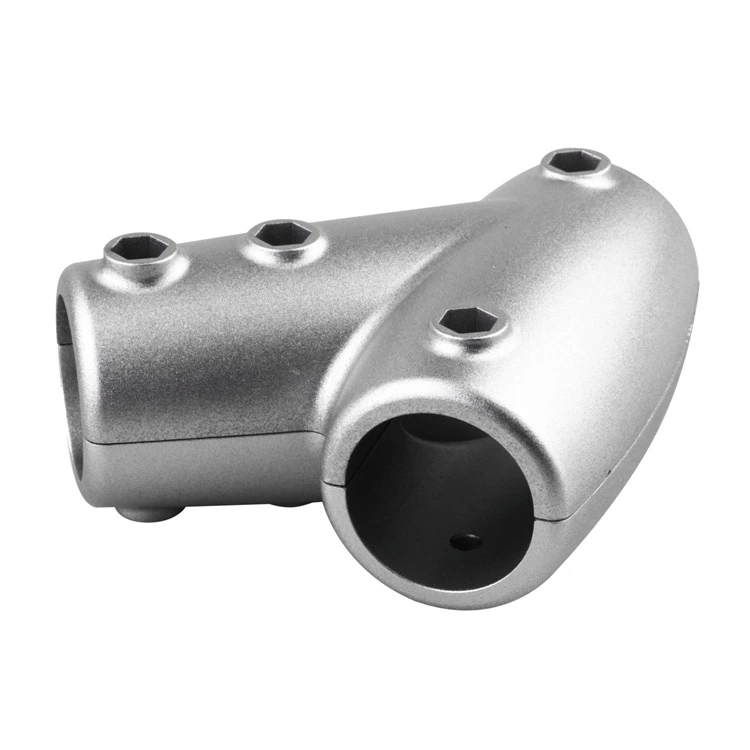
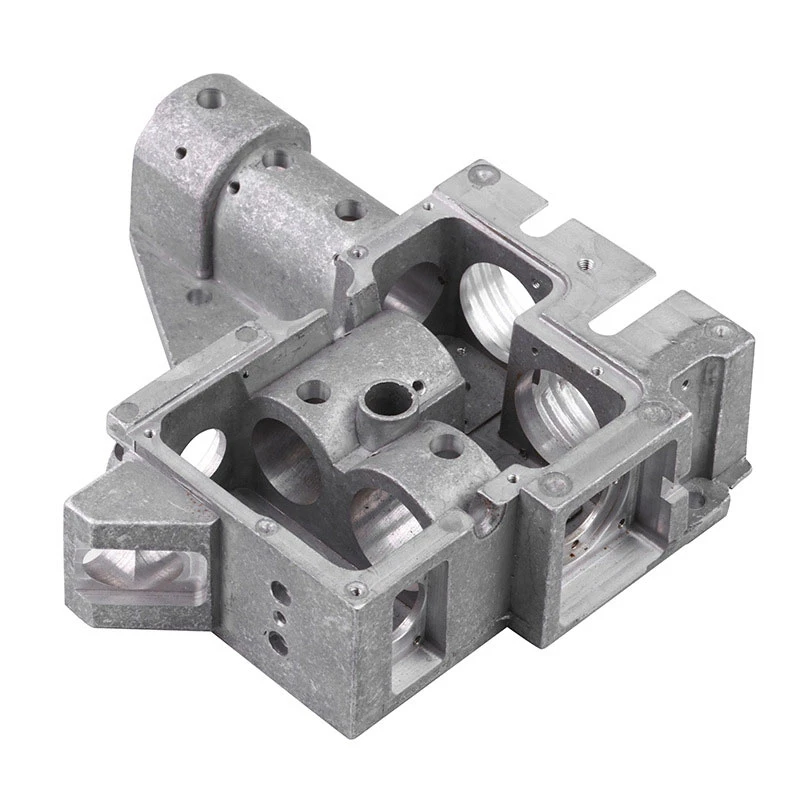
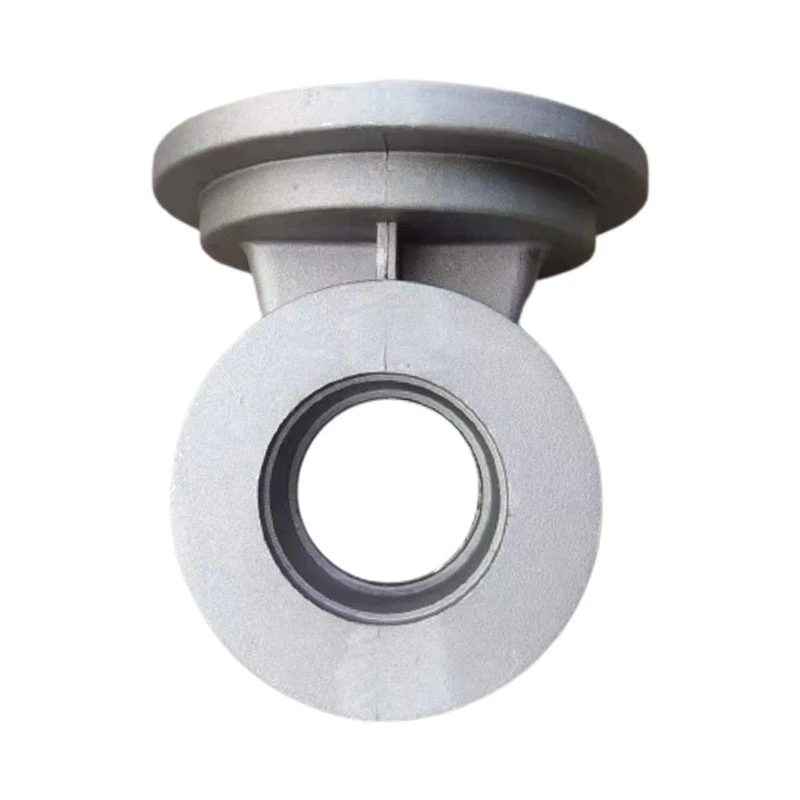
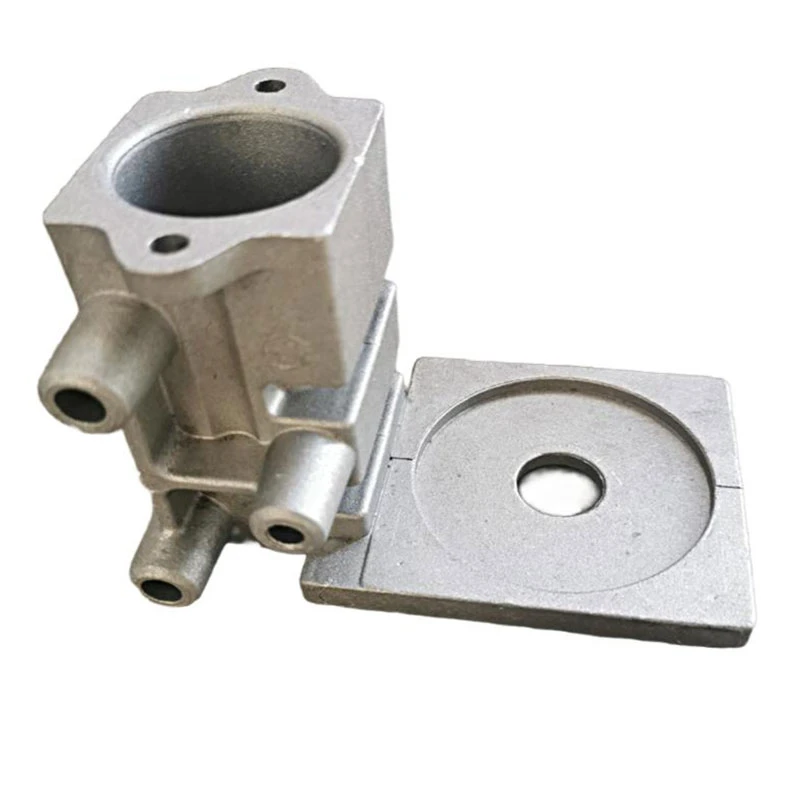
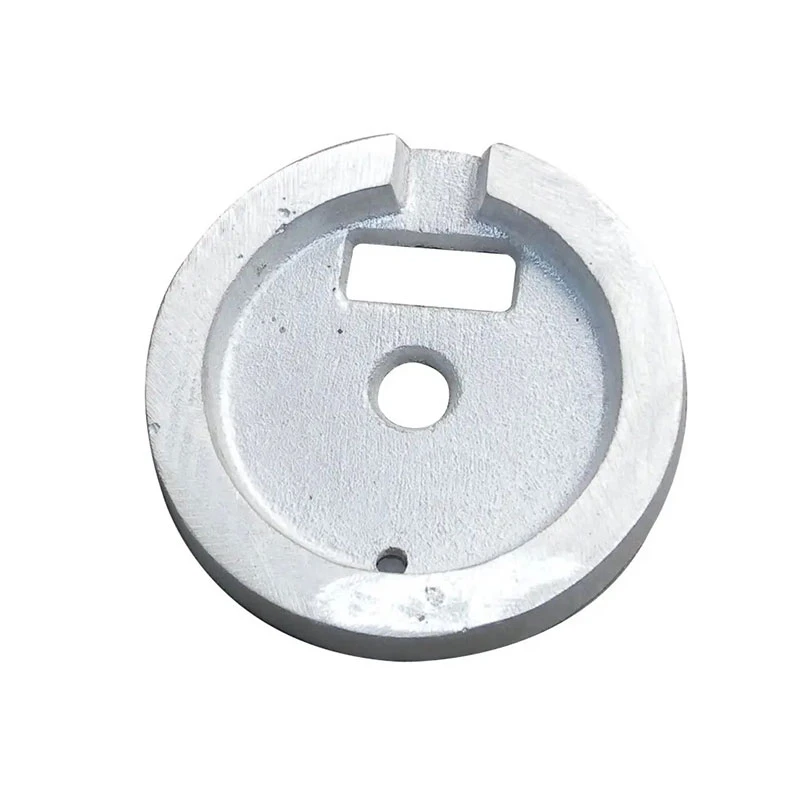
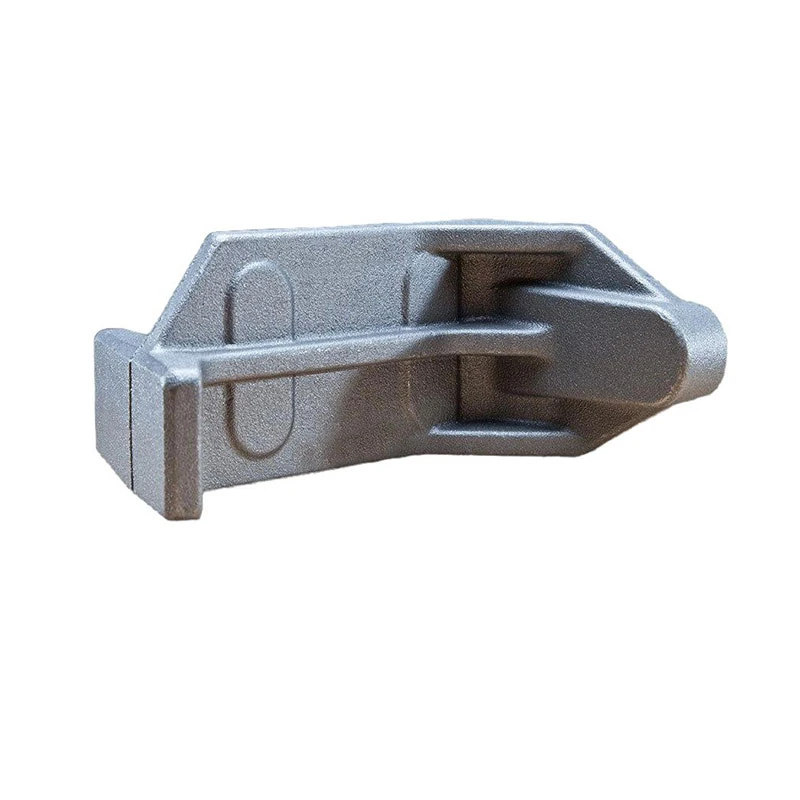
Having worked in the industrial equipment sector for over a decade, I often find myself reflecting on just how pivotal aluminium alloy die casting has become across so many applications. It’s not just about shaping metal anymore; it’s about precision, reliability, and yes—sometimes art. For those unfamiliar, aluminium alloy die casting is a manufacturing process where molten aluminium gets injected into steel molds under high pressure. The end result? Components that combine strength with lightness, perfect for automotive parts, consumer electronics, and industrial equipment alike.
Now, I suppose what fascinates me most is how this process has evolved. Back in the day, we often struggled with inconsistent finishes or porosity issues. Today, with better alloys and tighter process controls, we routinely achieve tough, complex parts with excellent surface finishes—without the long wait times of machining from solid blocks.
Aluminium alloys used in die casting commonly include the likes of A356, A380, and ADC12. Each one offers something slightly different in terms of strength, thermal conductivity, and machinability. A356, for instance, is a favorite when you want improved corrosion resistance and tensile strength, while A380 shines for high-volume production runs due to its fluidity and excellent castability.
| Alloy | Tensile Strength (MPa) | Elongation (%) | Density (g/cm³) | Typical Uses |
|---|---|---|---|---|
| A356 | 240 – 280 | 7 – 10 | 2.68 | Automotive, aerospace |
| A380 | 210 – 260 | 2 – 4 | 2.70 | High-volume consumer products |
| ADC12 | 220 – 280 | 2 – 6 | 2.68 | Automotive parts, electronics |
Something else worth noting: modern die casting often involves advanced testing methods—X-ray inspection, pressure testing, and even CT scans in some cases—to ensure integrity before components even leave the plant floor. Frankly, this shift toward rigorous quality control has saved countless headaches downstream.
But let’s talk customization. One thing I noticed when chatting with engineers is how adjustable the process is. You can modify mold design, control cooling rates, or tweak alloy composition depending on the final product’s demands. A recent project we had involved making parts for a medical device — the design called for thin walls and intricate ribs. The die casting process handled it beautifully, producing units with no porosity and excellent dimensional accuracy. That sort of success is why we keep coming back to aluminium die casting despite alternative manufacturing methods like machining or 3D printing gaining ground.
| Vendor | Lead Times | Customization Options | Typical Volume | Certifications |
|---|---|---|---|---|
| Hairunsourcing | 4–6 weeks | High (mold design to alloy tweaks) | Low to high volume | ISO 9001, IATF 16949 |
| Vendor A | 6–8 weeks | Medium | Medium volume | ISO 9001 |
| Vendor B | 8–12 weeks | Low | Low volume | None disclosed |
Oddly enough, the relationship you build with a vendor makes a huge difference in how smoothly projects go. When I partnered with Hairunsourcing for a recent order, I was impressed by their proactive communication and willingness to assist with design tweaks. You kind of forget how important that is until you deal with someone who treats you like just another order number.
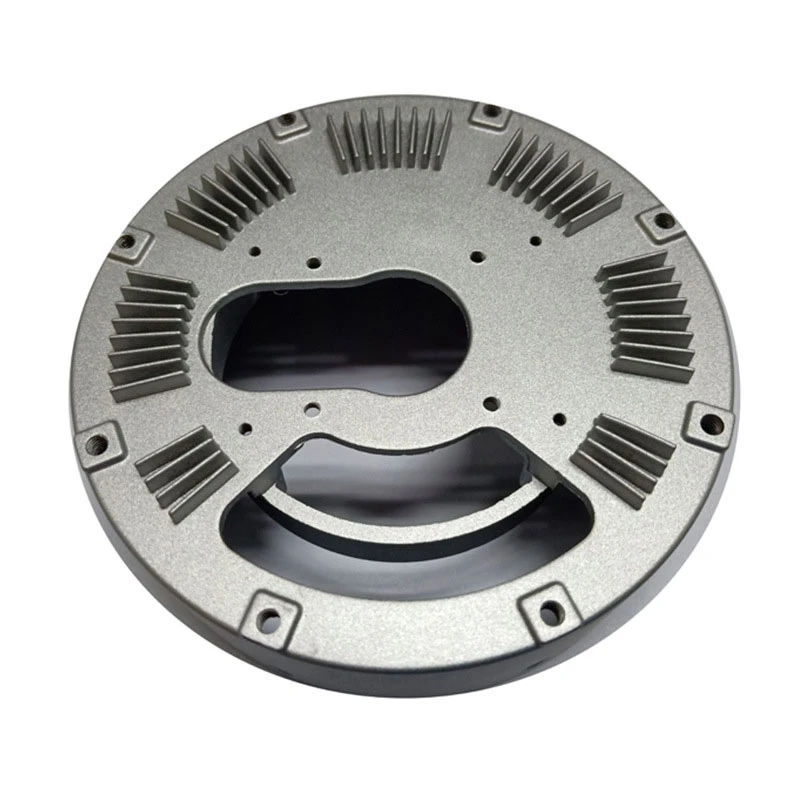
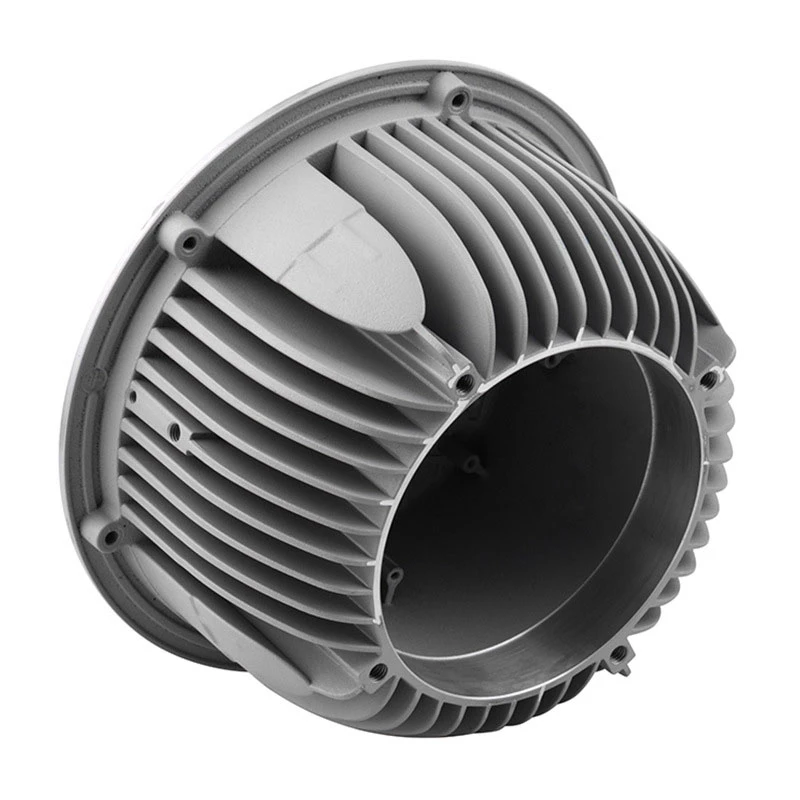
In the end, if you’re involved with parts that need strength without the weight—think housings, structural brackets, or heat sinks—aluminium alloy die casting still stands out as one of the most efficient and cost-effective approaches. And sure, alternatives like CNC machining or additive manufacturing are catching up, but I’d say there’s something deeply reliable in this tried-and-true method.
If you want to dive deeper or explore options for your specific needs, checking out reputable suppliers who specialize in aluminium alloy die casting is a great place to start.
One takeaway I’ve picked up over the years? Never underestimate the value of a good mold design—it can make or break your production run.
- Campbell, F.C. “Manufacturing Technology for Aerospace Structural Materials” – highlights alloy applications.
- GE Aviation, Whitepaper on Metal Casting Innovations.
- Metal Casting Institute Reports on Die Casting Quality Control, 2022 Edition.
-
Comprehensive Guide to Automotive Die Casting for Enhanced Vehicle PerformanceNewsJan.27,2026
-
Comprehensive Guide to Aluminum Pressure Die Casting Manufacturing ProcessesNewsJan.27,2026
-
Hot Chamber Die Casting vs Cold Chamber Die Casting ExplainedNewsJan.06,2026
-
Hot Chamber And Cold Chamber Die Casting Solutions for Industrial Applications | Hairun SourcingNewsJan.06,2026
-
Hot and Cold Chamber Die Casting: Key Insights from Industry ExpertsNewsJan.06,2026
-
Comprehensive Guide on Graphite Die Casting for B2B Manufacturing | HairunSourcingNewsJan.05,2026