


Expert Guide to Precision Polymer Casting: Benefits, Applications & Future Trends
Understanding Precision Polymer Casting and Its Global Impact
If you’ve ever wondered how some intricate polymer parts get shaped with near-perfect accuracy and outstanding durability, precision polymer casting is often behind the scenes. This process might sound niche, but in reality, it’s quietly transforming industries worldwide—from medical devices to aerospace, from automotive manufacturing to humanitarian relief. Why does it matter? Well, the ability to produce complex polymer components quickly and precisely has a ripple effect on costs, product quality, and ultimately, the availability of critical tech and tools in areas that need them most.
Grasping the nuances of precision polymer casting isn't just for engineers or manufacturers; it’s about understanding how a seemingly technical process can influence global economies and sustainability agendas. Here’s a closer look, with a few industry insights, practical applications, and what the future might hold.
The Global Context: Why Precision Polymer Casting Matters More Than Ever
Globally, the polymer products market is booming. According to the International Organization for Standardization (ISO), polymer-based materials are projected to grow by 4-6% annually in the next decade due to their utility and versatility. Yet, manufacturing tight-tolerance polymer parts at scale remains a challenge for many, especially in regions with less access to sophisticated tooling.
Precision polymer casting solves a recurring problem: how to produce detailed components without expensive machining or lengthy setup times. This is vital when industries are racing toward miniaturization or when humanitarian projects require quick deployment of durable polymer-based tools or housing components in remote zones. Without reliable casting, delays, wastage, and inconsistent quality can be crippling.
What Exactly Is Precision Polymer Casting?
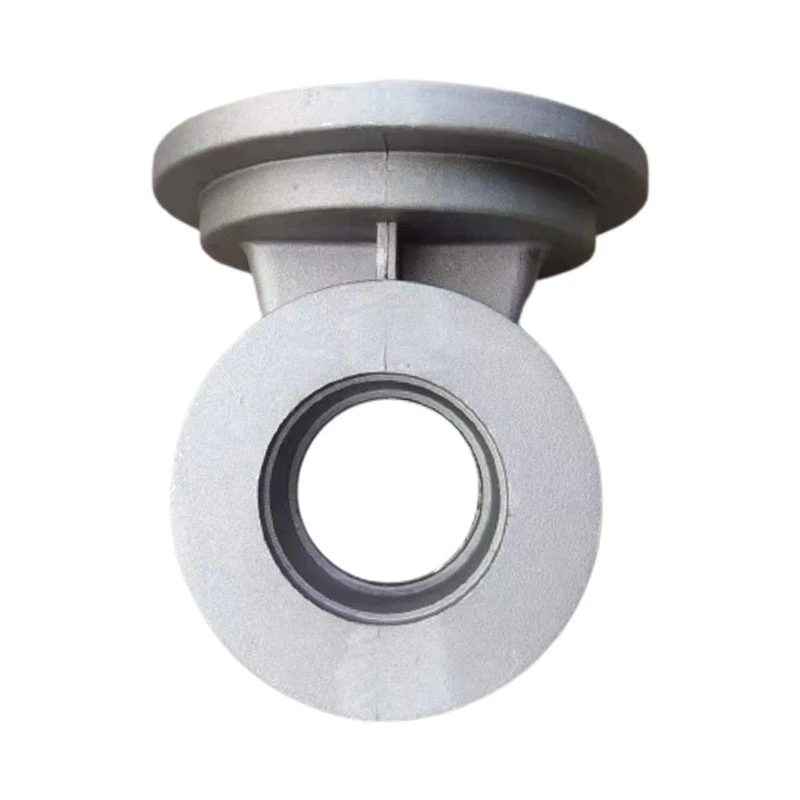
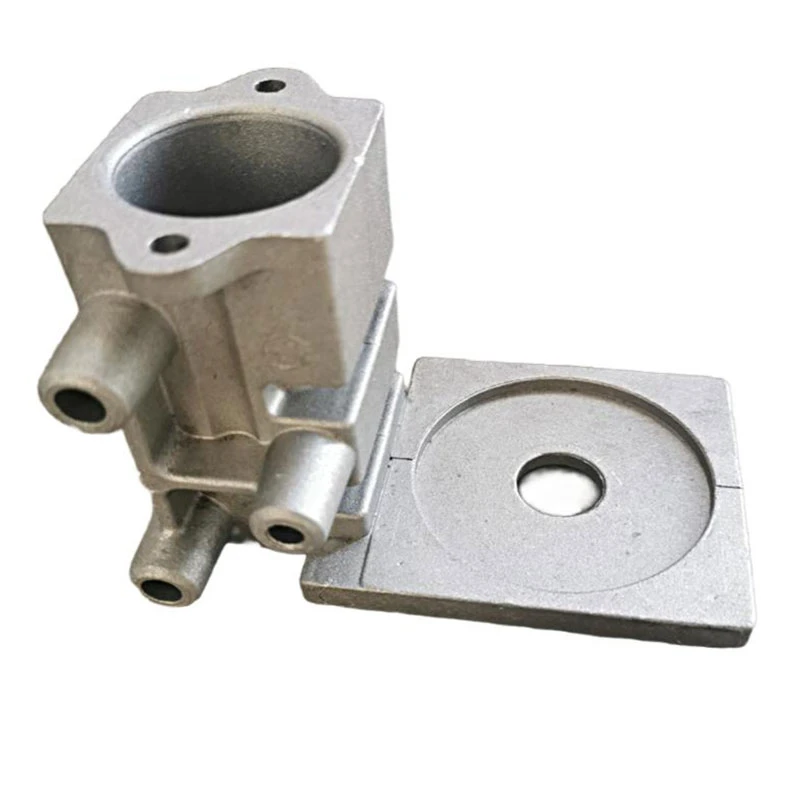
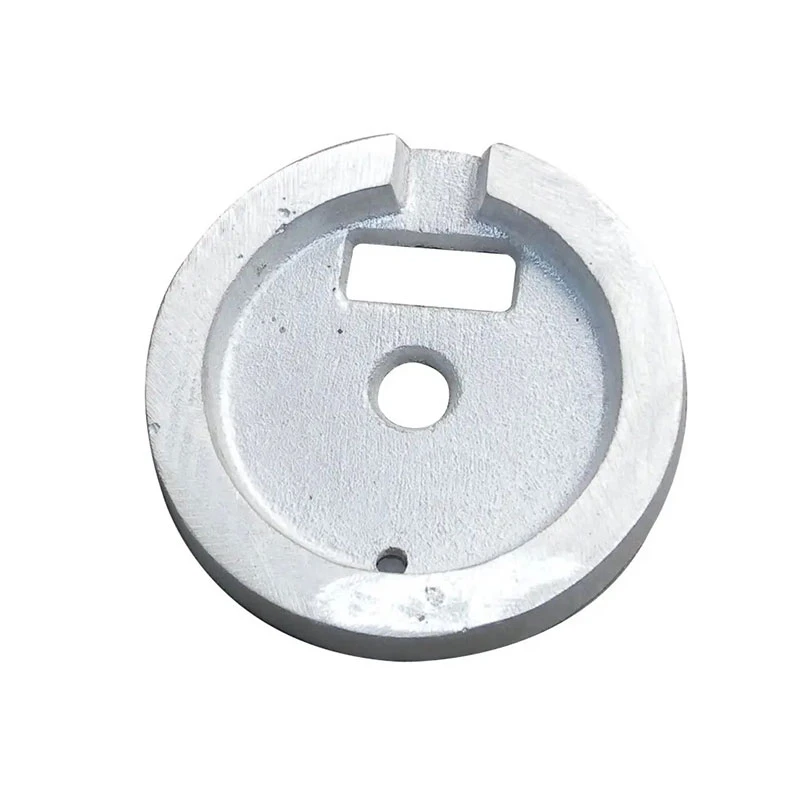
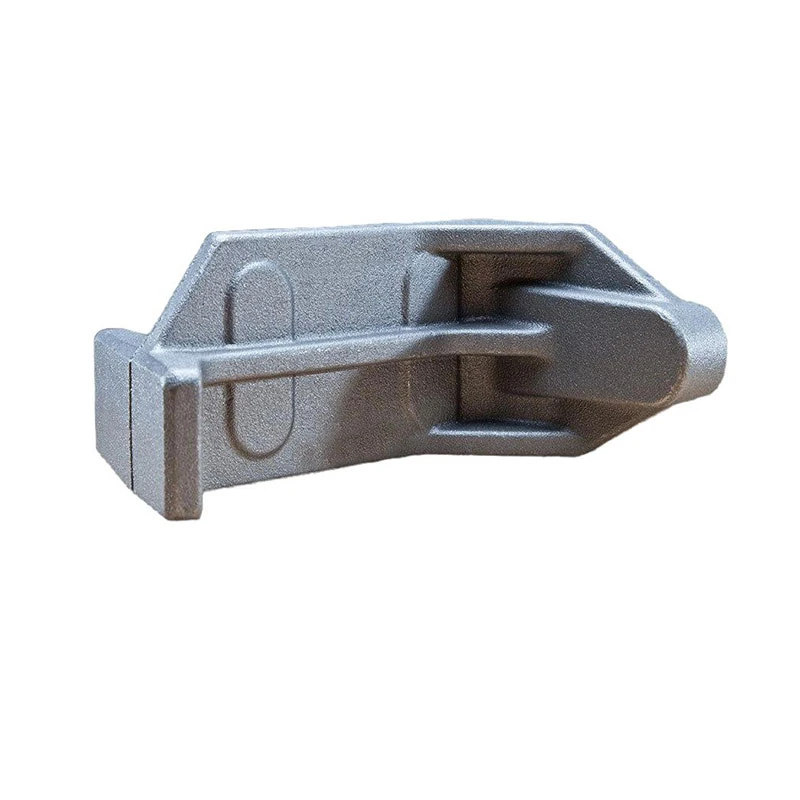
Let’s break it down in simple terms: precision polymer casting is a specialized manufacturing process where liquid polymer resins are poured into detailed molds and then cured to form accurate, complex shapes with fine features and tight dimensional tolerances. Unlike bulk molding or injection molding, precision casting emphasizes detail and repeatability for small-to-medium production runs.
This method sits at the intersection of advanced materials science and practical manufacturing, serving industries where the tiniest flaw can render a part useless—think medical implants or aerospace connectors. Plus, it’s gaining traction for supplying lightweight, durable parts in fields like renewable energy and infrastructure.
Mini takeaway:
Simply put, precision polymer casting turns fluid polymers into high-performance, intricate parts efficiently—and that versatility makes a global difference.
Core Components of Precision Polymer Casting
Material Quality
The heart of the process is the polymer itself. Different resins—epoxy, polyurethane, silicone—are selected based on specific mechanical, thermal, or chemical properties. Many engineers say it’s the quality of raw material plus the curing agents that dictate the final product’s strength and finish.
Mold Design and Technology
The molds are more than just containers; they're precision tools often crafted using CNC machining or 3D printing. They must withstand repeated casting cycles without deforming, while preserving micron-level details. An excellent mold is like a well-trained artisan—repeatable and exact.
Curing and Processing Conditions
Temperature, pressure, and curing time are fine-tuned for each polymer type to avoid defects like bubbles or warping. Oddly enough, sometimes slight adjustments can lead to big improvements in toughness or surface smoothness.
Quality Control & Testing
Non-destructive testing methods, such as ultrasonic or visual inspections, help ensure each batch meets tight specs, crucial in aerospace or medical device applications where failure is not an option.
Scalability & Flexibility
Precision casting bridges prototyping to small-batch manufacturing, often enabling faster iteration cycles without the high upfront tooling costs of injection molding—something that many startups find invaluable.
Let’s sum this up:
- Material choice governs performance
- Expert mold design ensures precision
- Processing conditions optimize durability
- Robust QC guarantees reliability
- Scalable for prototyping and production
Real-World Applications: Who’s Using Precision Polymer Casting?
The applications are quite broad but here are a few sectors and examples:
- Medical Devices: Prosthetics and surgical instruments require ultra-precise polymer parts for functionality and safety.
- Aerospace: Lightweight polymer components reduce fuel consumption while maintaining structural integrity.
- Automotive Industry: Precision polymer casings and gaskets withstanding extreme heat and chemical exposure.
- Humanitarian Relief: Durable polymer housing components and water filtration parts can be manufactured quickly for post-disaster areas.
- Renewable Energy: Components used in solar panel assemblies and wind turbines, where polymers offer resistance to weathering.
For instance, in Southeast Asia, NGOs have adopted precision polymer casting to produce lightweight water containers that can be distributed efficiently in flood-hit zones.
In summary:
This manufacturing technique adapts well across sectors where precision, durability, and speed count—combining utility with innovation.
Advantages & The Long-Term Payoff
Why is precision polymer casting a growing favorite? Frankly, the benefits stack up nicely:
- Cost Efficiency: Lower tooling costs than injection molding for small batches and faster turnaround times help reduce expenses.
- Sustainability: Many polymers used are recyclable or designed to last longer, minimizing waste and environmental impact.
- Reliability & Safety: Accurate parts improve product performance, contributing to safety in medical or aerospace applications.
- Social Impact: Enabling quick production of relief goods adds dignity and practical help to vulnerable communities.
- Innovation Friendly: Designers can tweak molds and materials rapidly, supporting fast R&D cycles.
Basically, it’s not just a manufacturing advantage—it’s a long-term trust builder between producers and users.
Future Trends & Innovations Shaping the Field
As with many manufacturing frontiers, technology is nudging precision polymer casting forward. Some trends to watch:
- Eco-Friendly Polymers: Development of bio-based or biodegradable polymers is making casting greener.
- Digital Twin and AI-Controlled Curing: Using AI to simulate and optimize curing cycles reduces defects and speeds up quality control.
- Automation & Robotics: Robotic mold handling and casting automation reduce human error and increase throughput.
- Hybrid Manufacturing: Combining polymer casting with additive manufacturing to create complex assemblies that reduce machining steps.
These innovations show that precision polymer casting isn’t standing still; it’s evolving with the times, aiming for smarter, cleaner, and faster production.
Challenges Along the Way & How They're Overcome
Of course, no process is perfect. The main hurdles here include:
- Mold Wear and Tear: High-precision molds degrade over time, potentially raising costs.
- Material Limitations: Not all polymers respond well to casting; some have shrinkage or brittleness issues.
- Scaling Up: Moving from prototype to larger batches can be tricky without sacrificing quality.
Innovations in mold materials—such as ceramic reinforcements—and advanced polymer blends help, as does investing in more sophisticated curing chambers. Some experts swear by predictive maintenance powered by IoT sensors embedded within molds to anticipate wear before it causes issues.
Precision Polymer Casting Product Specification Table
| Specification | Typical Range | Notes |
|---|---|---|
| Polymer Types | Epoxy, Polyurethane, Silicone, Acrylic | Selected per application needs |
| Dimensional Tolerance | ±0.05 mm | Depends on mold quality |
| Surface Finish | Up to 0.2 µm Ra | Suitable for optical-grade parts |
| Max Part Size | Up to 1.5 meters in length | Limited by mold and curing chamber size |
| Curing Time | 30 min to 4 hours | Can be accelerated with heat/UV |
| Batch Size | 10–1,000 units | Cost-effective for small/medium runs |
Vendor Comparison: Selecting Your Precision Polymer Casting Partner
| Vendor | Material Variety | Lead Times | Price Range (per part) | Additional Services |
|---|---|---|---|---|
| PolyCast Solutions | High (epoxy, silicone, custom blends) | 2–3 weeks | $15–$60 | Rapid prototyping, tooling design |
| CastTech Industries | Moderate (focus on polyurethane) | 1–2 weeks | $10–$40 | On-site mold consultation |
| PrecisionPoly | High (plus bio-polymers) | 3–4 weeks | $20–$75 | Sustainability audits, AI process control |
Common Questions About Precision Polymer Casting
What industries benefit most from precision polymer casting?
Primarily, aerospace, medical devices, automotive, and renewable energy sectors rely heavily on this technique for parts requiring tight tolerances and high durability. Its flexibility also makes it popular in humanitarian relief manufacturing for quick and reliable production.
How does this process compare to injection molding?
Injection molding suits very high-volume runs but involves expensive mold tooling. Precision polymer casting shines for small to medium batch sizes where costs and time for tooling need to be minimized—plus it can handle intricate shapes without complex molding machinery.
Is precision polymer casting environmentally friendly?
It can be, especially when using recyclable or bio-based polymers and efficient curing that reduces waste. Many vendors are adopting greener materials and digital controls to cut energy consumption further.
What are the typical lead times?
Production times typically range from one to four weeks depending on part complexity, batch size, and vendor capabilities. Rapid prototyping can sometimes happen faster.
Can custom polymers be used in precision casting?
Yes, most advanced shops work with tailored resin blends to meet specific mechanical or chemical requirements, making the process highly adaptable.
Wrapping Up: Why Precision Polymer Casting Should Be On Your Radar
Precision polymer casting is more than just a manufacturing method; it’s a key enabler for innovation, sustainability, and agility in the polymer products sector. Whether you’re an engineer looking for cost-efficient prototyping or a humanitarian organization aiming to provide durable tools in tough environments, understanding this process opens new doors.
If you want to explore precision polymer casting solutions tailored to your needs, visit our website: precision polymer casting for expert partners and detailed resources.
Final reflection:
Technology keeps moving, but processes like precision polymer casting remind us that sometimes the blending of meticulous craft with modern materials is what truly advances industries and communities.
References:
-
Comprehensive Guide to Automotive Die Casting for Enhanced Vehicle PerformanceNewsJan.27,2026
-
Comprehensive Guide to Aluminum Pressure Die Casting Manufacturing ProcessesNewsJan.27,2026
-
Hot Chamber Die Casting vs Cold Chamber Die Casting ExplainedNewsJan.06,2026
-
Hot Chamber And Cold Chamber Die Casting Solutions for Industrial Applications | Hairun SourcingNewsJan.06,2026
-
Hot and Cold Chamber Die Casting: Key Insights from Industry ExpertsNewsJan.06,2026
-
Comprehensive Guide on Graphite Die Casting for B2B Manufacturing | HairunSourcingNewsJan.05,2026