


Engineered Precision Casting: The Backbone of Advanced Manufacturing and Global Innovation
Engineering the Future: Why Engineered Precision Casting Matters Globally
When we talk about engineered precision casting, we aren’t just tossing around some fancy industrial lingo. This technique is quietly revolutionizing manufacturing worldwide by enabling the production of complex parts with unmatched accuracy and material properties. Its ripple effects touch everything from aerospace to humanitarian aid, helping to build safer airplanes as well as rugged medical devices shipped to remote clinics. Understanding how engineered precision casting works and why it matters could unlock a deeper appreciation for the small components that hold our modern world together — and might even inspire innovations we haven’t yet imagined.
The Global Context: Why This Technology Is a Game Changer
Globally, manufacturing industries are facing increasing demands: higher precision, improved performance, and greener production methods. According to the International Organization for Standardization (ISO), over 70% of critical industrial components now require advanced manufacturing processes like precision casting to meet stringent quality and safety standards.
And here’s the kicker: as supply chains stretch across continents, the ability to reproduce complex parts consistently and cost-effectively can make or break a product launch or even entire sectors. For instance, in aerospace, a tiny casting flaw can cause delays worth millions and potential safety hazards. The challenge? Traditional casting methods aren’t always up to snuff, especially when parts demand micron-level tolerances and exotic alloys.
Engineered precision casting responds to this problem with a blend of art and science — refining molten metal’s flow and solidification to a high degree of control. So basically, it’s a global solution for local and far-flung manufacturing headaches.
What Exactly Is Engineered Precision Casting?
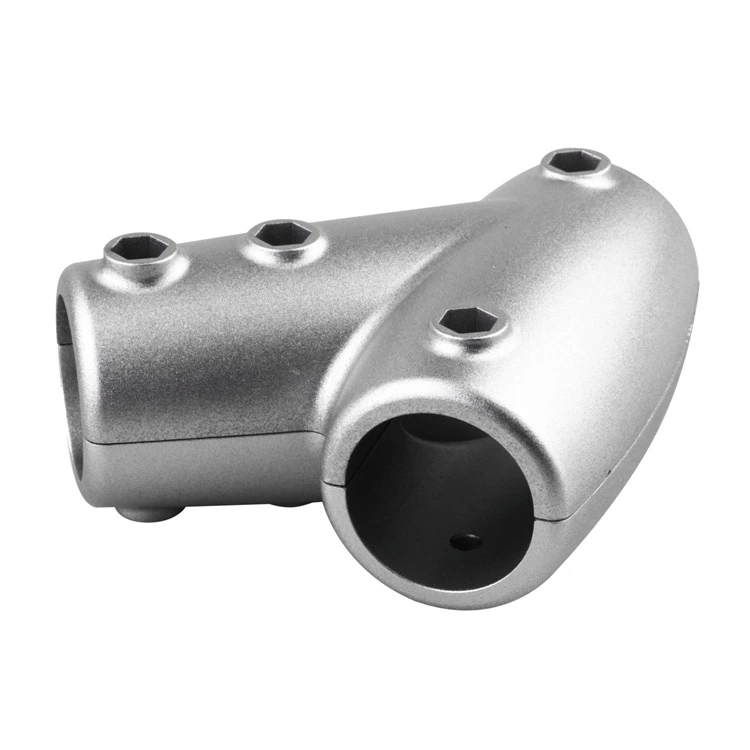
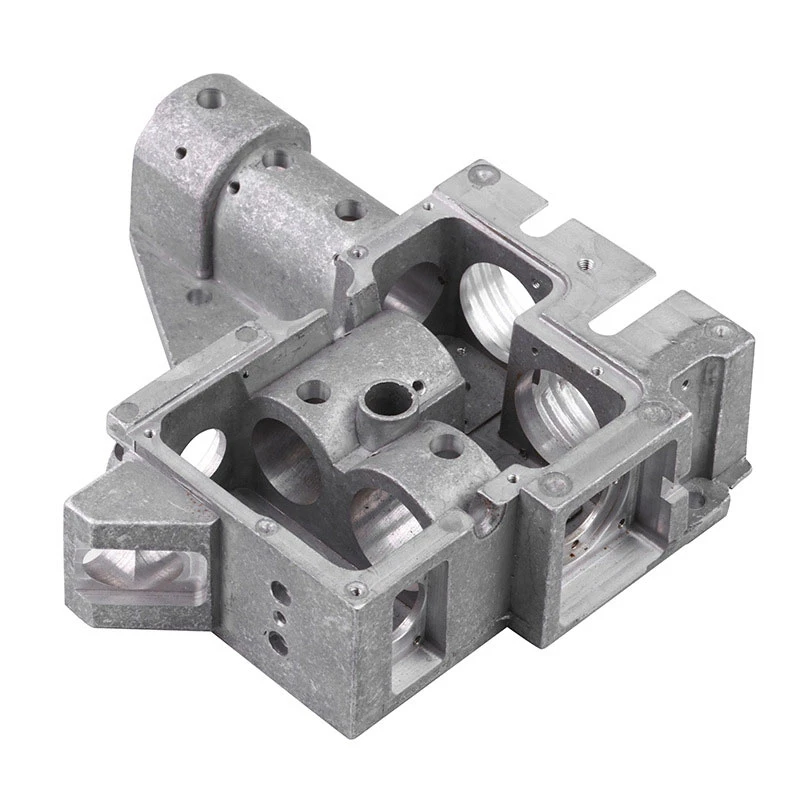
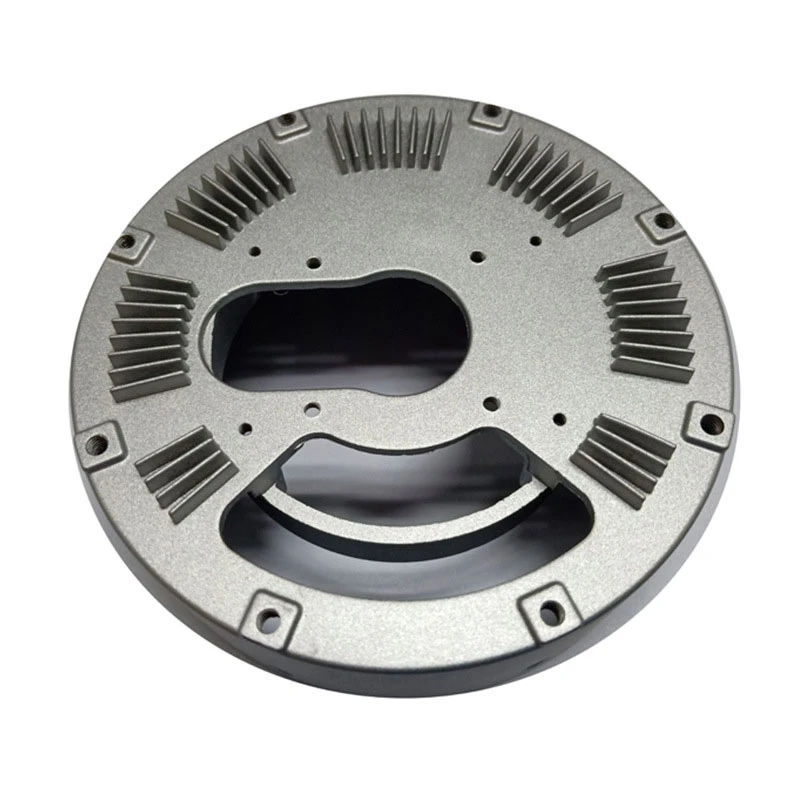
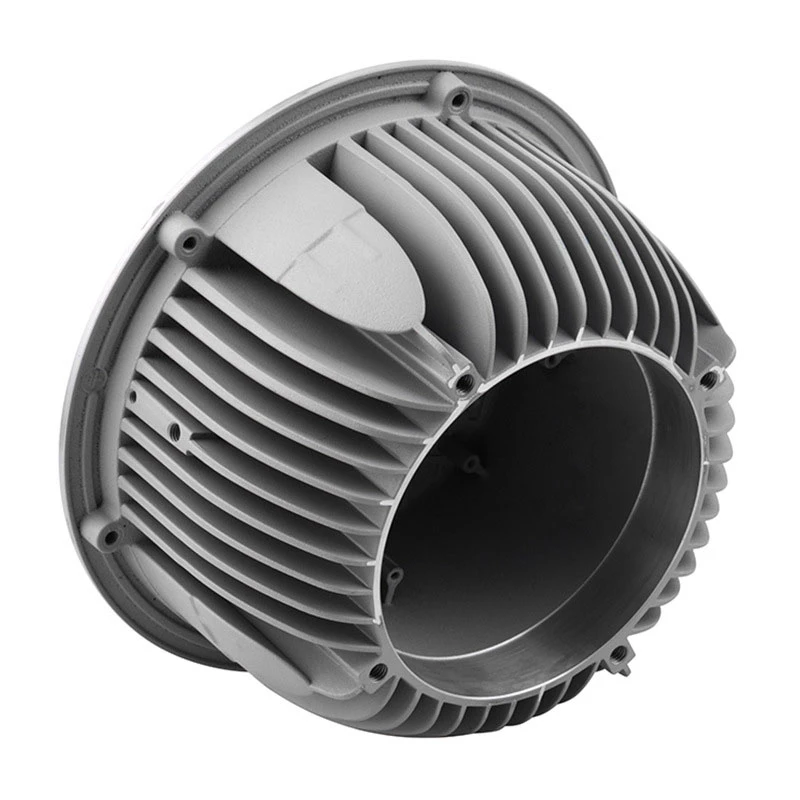
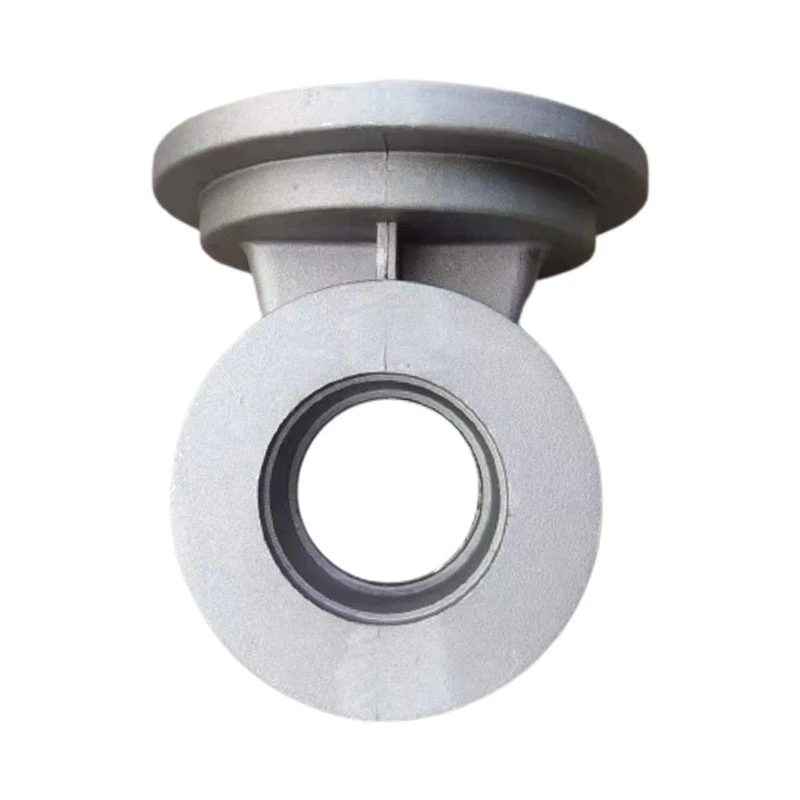
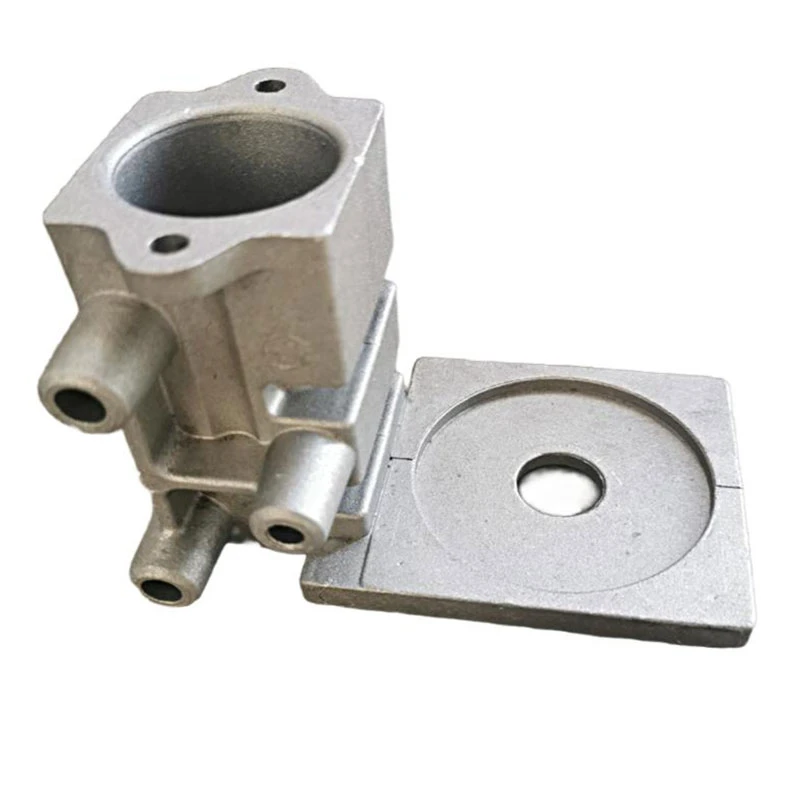
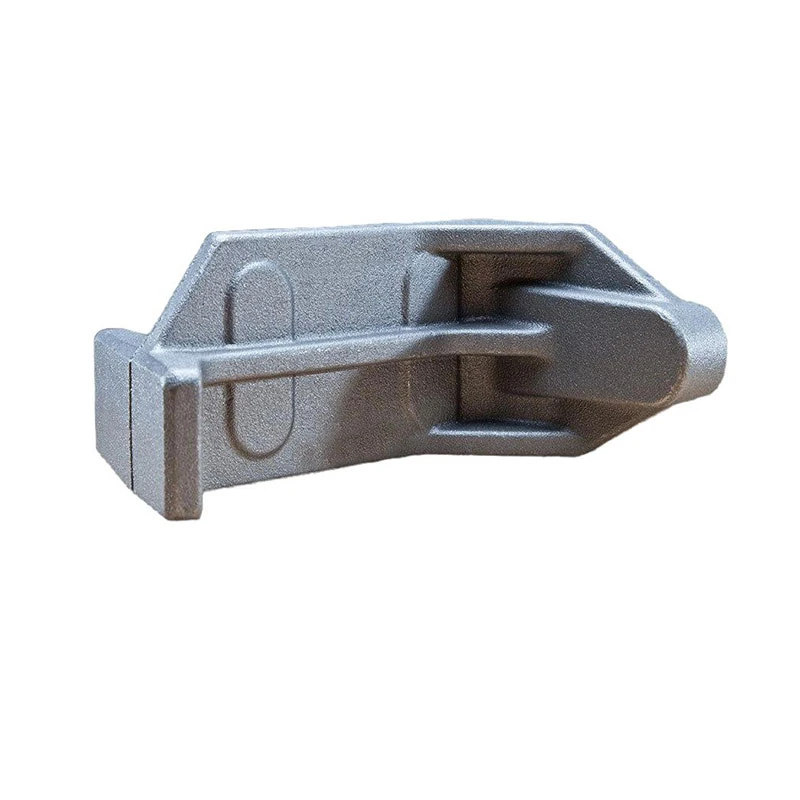
Put simply, engineered precision casting is a process where molten metal or alloy is poured into carefully engineered molds designed to produce parts with very tight dimensional tolerances and refined microstructures. Unlike traditional sand casting or investment casting, which can sometimes leave unwanted inconsistencies, this process employs controlled mold materials, optimized pouring techniques, and often simulation software to predict and mitigate defects.
It’s the difference between making a block of metal and sculpting a piece that’s ready for super-high-stress environments. This process is crucial not only for making things that work — like turbine blades or prosthetics — but for enabling humanitarian operations, too, where durable and reliable parts can make lifesaving differences in aid equipment or water purification systems.
Core Components of Engineered Precision Casting
1. Mold Design & Material Selection
Mold engineering is both a science and craft. Using materials like ceramic shells or advanced refractory coatings ensures the molten metal flows smoothly and solidifies without cracking. Engineers often simulate mold filling and cooling to avoid porosity or shrinkage cavities.
2. Alloy Optimization
The choice of metal isn't random. Engineered precision casting often involves superalloys, specialized stainless steels, or custom blends tailored for corrosion resistance, thermal stability, or high strength-to-weight ratios.
3. Dimensional Accuracy
Unlike bulk casting, precision casting targets tight tolerances — sometimes within ±0.1 mm — reducing later machining and ensuring component interchangeability.
4. Quality Inspection & Testing
Non-destructive testing methods, such as X-ray or ultrasound scans, verify internal integrity. Robust post-casting heat treatments further refine mechanical properties.
5. Scalability & Repeatability
Processes are designed for high-volume production without sacrificing quality, which is key for industries where millions of identical components are needed.
Real-World Applications & Global Use Cases
It’s one thing to know how it works, but quite another to see it in action:
- Aerospace & Defense: Companies in Europe and North America rely on precision-cast superalloy blades used in jet engines, where durability under intense heat and stress is non-negotiable.
- Medical Devices: In Asia and Africa, precision-cast titanium implants and surgical instrument parts enable better patient outcomes in hospitals and field clinics.
- Automotive: Engine components such as turbocharger housings in countries like Germany and Japan benefit from precision casting's consistency to optimize fuel efficiency.
- Energy Sector: Customized turbine casings for wind power plants in Scandinavia utilize advanced casting to push renewable energy limits.
- Post-Disaster & Humanitarian Relief: NGOs installing water filtration systems in difficult terrains rely on robust precision-cast housings that resist corrosion and mechanical damage.
More and more, engineers are partnering across continents, leveraging engineered precision casting expertise to combine design innovation with resilient manufacturing.
Comparing Engineered Precision Casting Vendors
| Vendor | Core Expertise | Typical Lead Time | Minimum Order Qty | Certifications |
|---|---|---|---|---|
| PrecisionCast Co. | Aerospace alloys, turbine blades | 6-8 weeks | 500 pcs | ISO 9001, AS9100 |
| Global MetalWorks | Medical titanium parts, customized alloys | 4-6 weeks | 100 pcs | ISO 13485, ISO 9001 |
| EcoCast Solutions | Green energy components, improved lifecycle alloys | 8-10 weeks | 250 pcs | ISO 14001, ISO 9001 |
Advantages and Long-Term Value of Engineered Precision Casting
Let’s not bury the lead: the benefits of this precision-centered approach extend beyond just perfectly shaped parts. For companies, this often means:
- Cost Efficiency: Reduced material waste and less machining cut down expenses long term.
- Reliability: Consistent production quality means less downtime and fewer recalls.
- Sustainability: Using optimized alloys and greener casting techniques lowers environmental impact, echoing global carbon reduction efforts.
- Innovation: Designers gain freedom to create more complex, lightweight parts, pushing technological boundaries.
- Safety & Trust: Whether it’s for aircraft or medical implants, users depend on parts that won’t fail — a cornerstone of dignity and confidence.
Frankly, in industries where every ounce counts and failures can be catastrophic, engineered precision casting is a game-changer.
Future Trends & Innovations Shaping Engineered Precision Casting
Looking ahead, several exciting developments are accelerating changes in this space. For one, additive manufacturing techniques (3D printing molds) are slashing prototype times and allowing even more intricate designs.
Also, green metallurgy — where alloys are designed for recyclability and minimal toxicity — is becoming a priority to align with UN Sustainable Development Goals. Automation and AI-driven quality control systems now predict casting flaws before they happen, reducing scrap and speeding workflows. In real terms, this means systems getting smarter, greener, and more precise, which feels like something right out of a sci-fi novel, but it’s happening.
Challenges & Practical Solutions in Engineered Precision Casting
Like any advanced process, precision casting isn’t flawless. Common hurdles include:
- High Initial Costs: Setting up precise molds and equipment can be expensive, but amortizing over volumes helps.
- Complexity in Some Alloys: Not every metal flows well; cast defects can still arise without careful process control.
- Skilled Labor Shortages: Expertise in mold design and metallurgy is niche — training programs and automation are easing this.
Experts recommend rigorous upfront simulation and prototyping, paired with continuous data-driven process improvement to address these bottlenecks.
Product Specification Snapshot: Typical Engineered Precision Casting Part
| Specification | Typical Value |
|---|---|
| Material | Inconel 718 (Superalloy) |
| Tolerance | ±0.05 mm |
| Density | 8.19 g/cm³ |
| Temperature Resistance | Up to 700°C |
| Typical Part Weight | 150 g – 2.5 kg |
| Finishing | Machined, polished, heat treated |
FAQ: Frequently Asked Questions About Engineered Precision Casting
- Q: How does engineered precision casting differ from traditional casting methods?
- A: The key difference lies in tighter control of mold design, alloy composition, and cooling rates, resulting in higher dimensional accuracy and fewer defects. This reduces post-processing and ensures performance consistency.
- Q: What industries benefit the most from this casting method?
- A: Aerospace, automotive, medical devices, energy, and even humanitarian equipment manufacturing are major beneficiaries because they require high reliability and precision under demanding conditions.
- Q: Are there eco-friendly options within precision casting?
- A: Absolutely, some vendors focus on green casting by using recyclable alloys, reducing waste through optimized processes, and adopting energy-efficient furnaces aligned with environmental standards.
- Q: What’s the typical lead time for a precision casting order?
- A: Lead times vary by complexity and volume but usually range from 4 weeks for prototypes up to 10 weeks for large production runs.
- Q: Can small or mid-sized manufacturers access engineered precision casting services?
- A: Yes. Many providers offer flexible MOQ options and consultation to scale processes based on customer needs, making the technology accessible to smaller players as well.
Wrapping It Up: Why Engineered Precision Casting Deserves Your Attention
When it comes down to crafting the future’s machines, devices, and tools, engineered precision casting offers a rare combination of precision, resilience, and scalability. Whether you're in aerospace pushing boundaries or an NGO delivering life-saving tech in tough environments, this process helps ensure parts meet those exacting demands every time. If you want to dive deeper into trusted sourcing and discovery, check out engineered precision casting providers who bring this cutting-edge tech to life.
Understanding and investing in engineered precision casting isn’t just smart — it’s essential for any business aiming to stay ahead in an increasingly demanding global market.
References:
-
Comprehensive Guide to Automotive Die Casting for Enhanced Vehicle PerformanceNewsJan.27,2026
-
Comprehensive Guide to Aluminum Pressure Die Casting Manufacturing ProcessesNewsJan.27,2026
-
Hot Chamber Die Casting vs Cold Chamber Die Casting ExplainedNewsJan.06,2026
-
Hot Chamber And Cold Chamber Die Casting Solutions for Industrial Applications | Hairun SourcingNewsJan.06,2026
-
Hot and Cold Chamber Die Casting: Key Insights from Industry ExpertsNewsJan.06,2026
-
Comprehensive Guide on Graphite Die Casting for B2B Manufacturing | HairunSourcingNewsJan.05,2026