


Die Casting China: Quality, Scale & Industry Insights | Hairun Sourcing
Die Casting China: Quality and Scale in Modern Industrial Production
Having spent over a decade in the industrial equipment sector, I've seen die casting evolve dramatically—both in technique and geography. Among the major players in the global landscape, die casting China stands out not just for volume but for quality improvements and cost efficiencies that frankly surprised me early on.
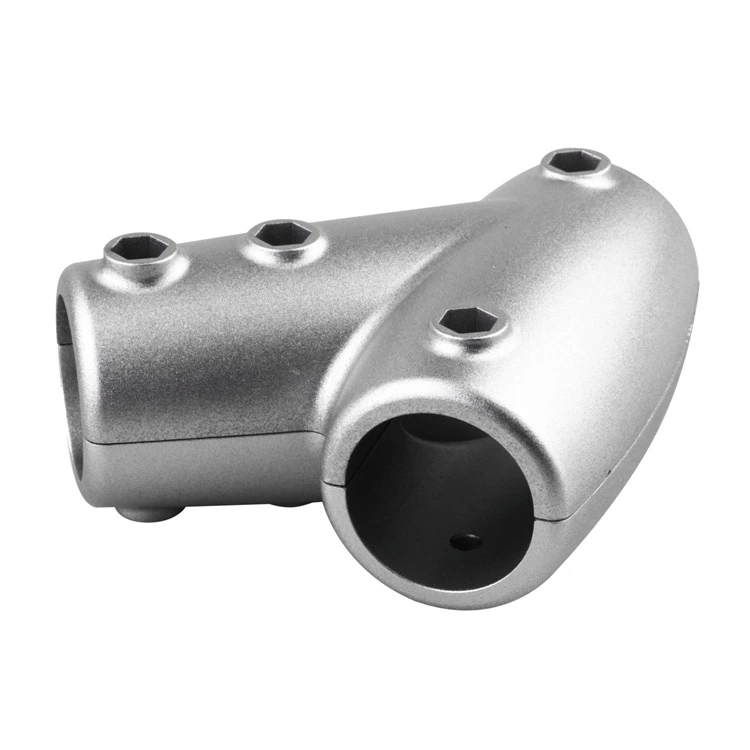
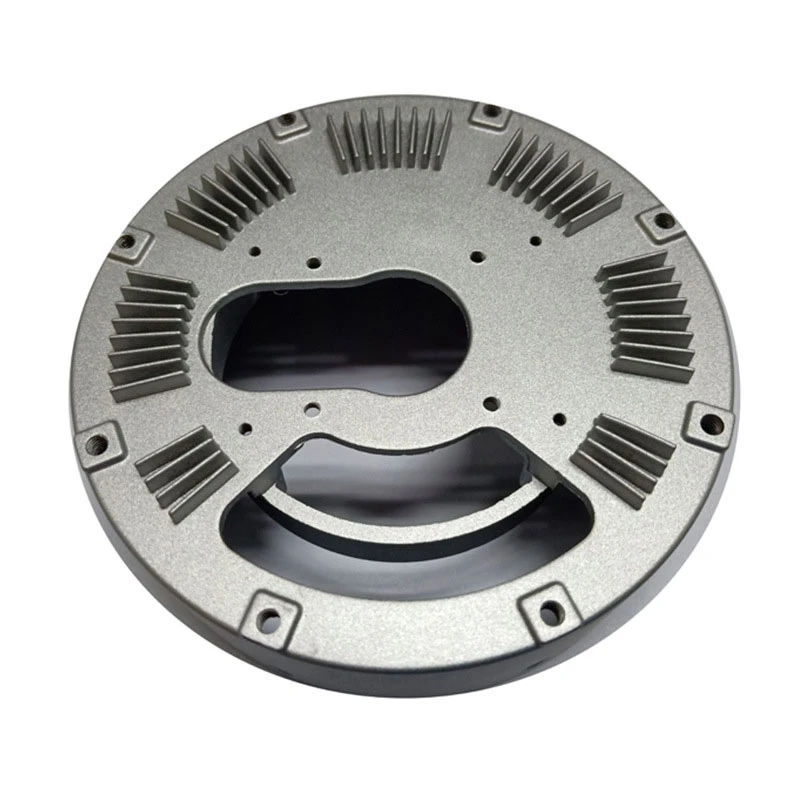
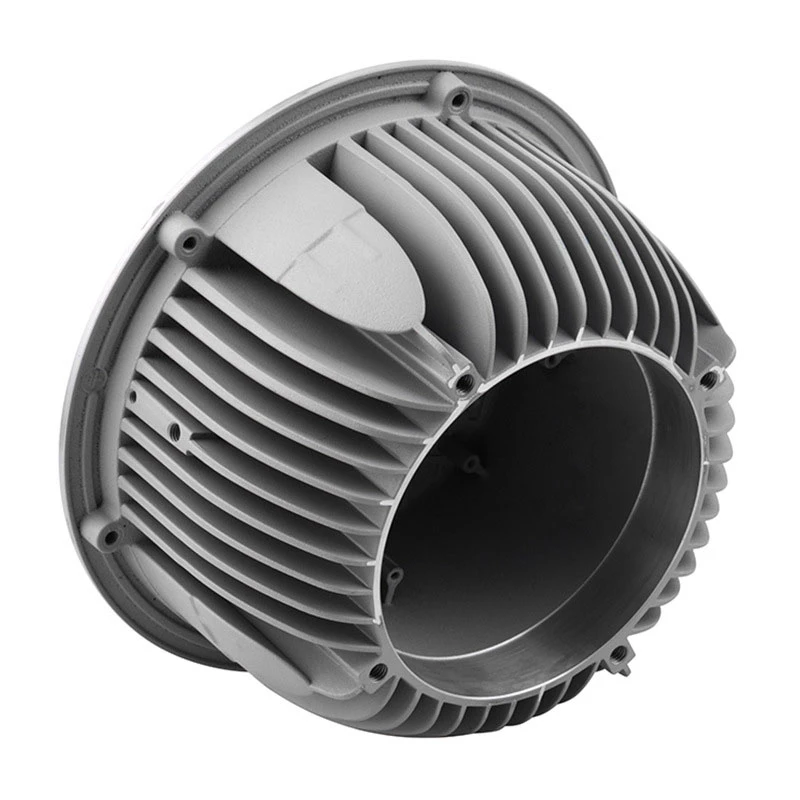
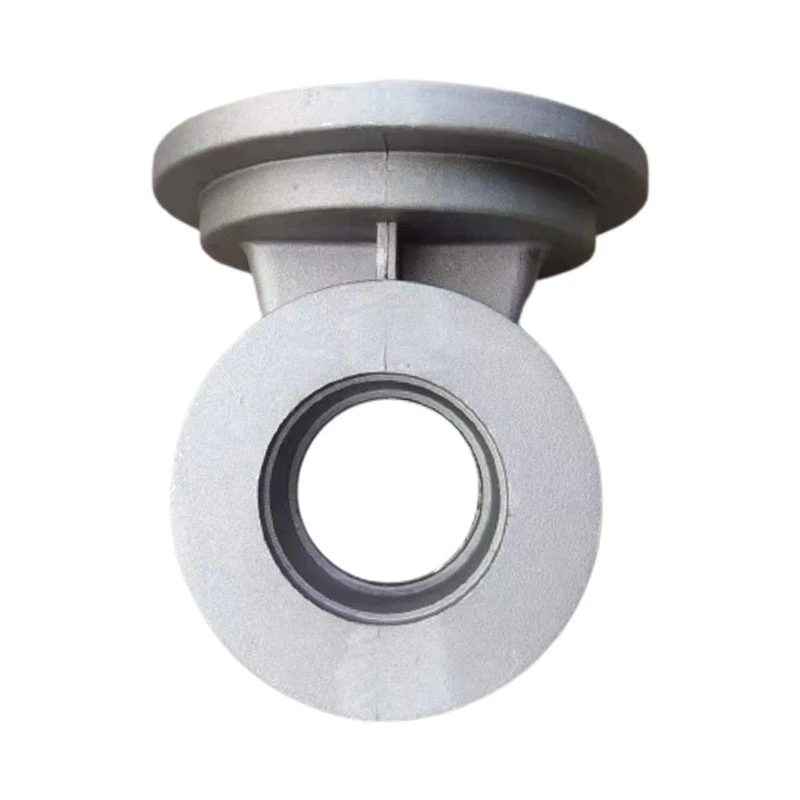
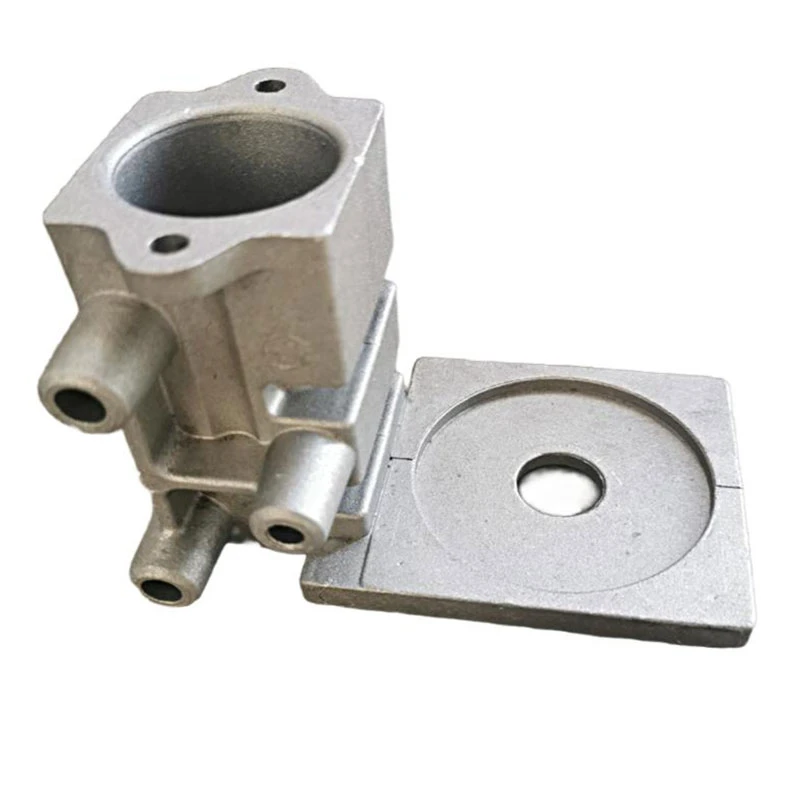
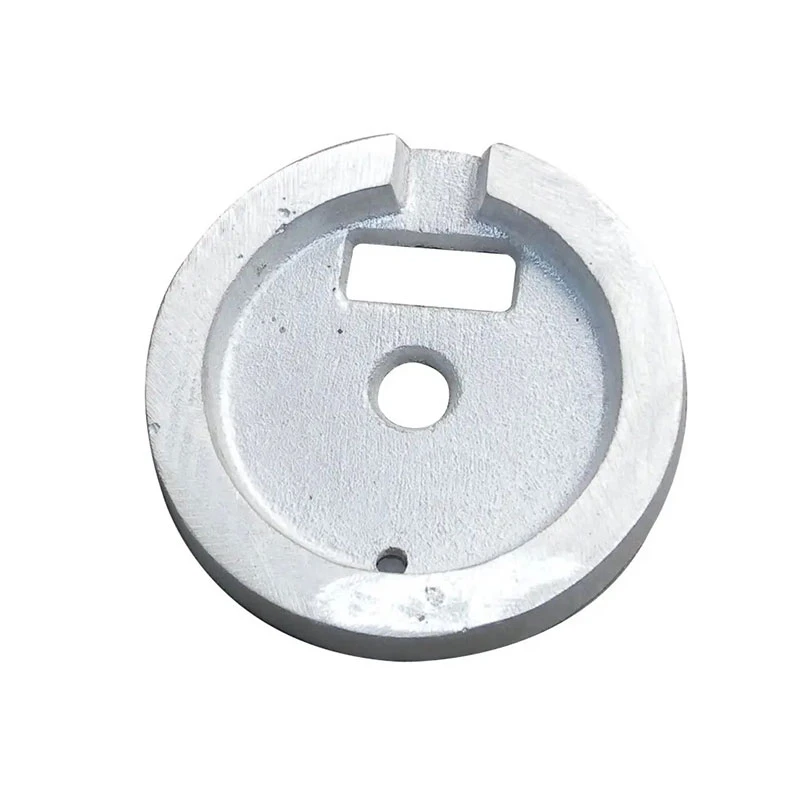
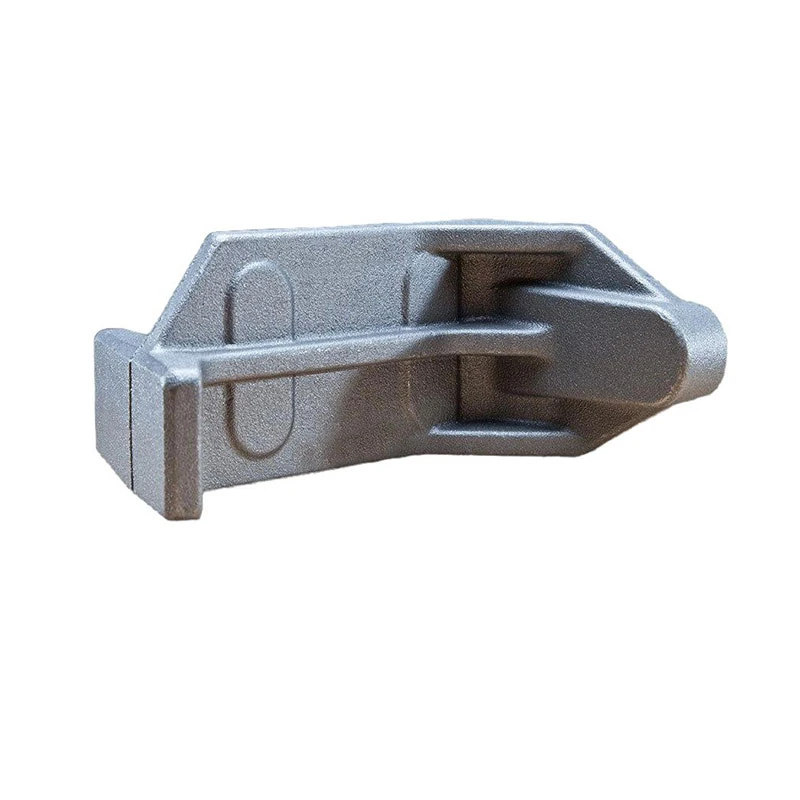
You might wonder why China dominates in die casting production — well, it’s a mix of factors: huge manufacturing infrastructure, a rich supply chain ecosystem, and continual investment in technology. But it’s not just about scale. Modern Chinese die casting facilities often incorporate advanced metallurgy testing and precise CNC machining post-processes, ensuring parts meet tight tolerances. The results? Components frequently used in automotive, electronics, and aerospace sectors, where even a fraction of a millimeter off could cost millions.
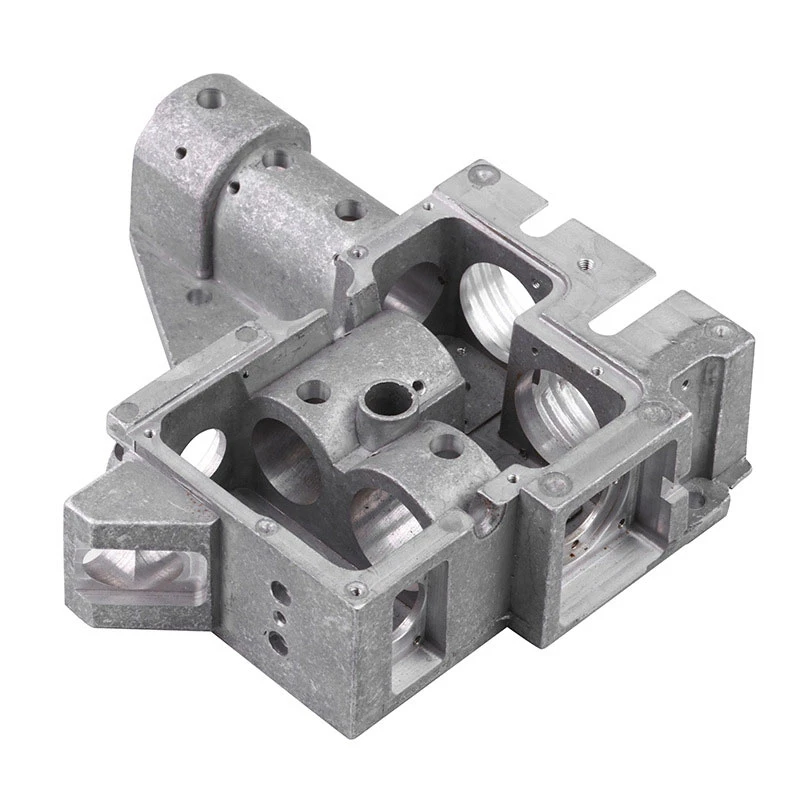
Speaking of precision, I recall working alongside engineers sourcing complex aluminum die-cast housings from China. Initially skeptical about lead times and quality control, I was pleasantly surprised by their agility and responsiveness. They were able to customize alloy compositions and adjust molds to meet strict environmental standards — something that seems obvious but requires a lot of fine-tuning behind the scenes.
Materials in die casting are mostly aluminum, zinc, and magnesium. Aluminum is especially popular for its balance of strength and lightness. In China, suppliers tend to leverage recycled aluminum with stringent quality checks, which aligns with environmental initiatives—a critical factor when you consider global carbon footprints these days. Zinc and magnesium alloys offer their own perks: zinc for intricate designs due to its low melting point, magnesium for ultra-lightweight parts.
| Specification | Details |
|---|---|
| Material | Aluminum Alloy (ADC12), Zinc, Magnesium |
| Typical Weight Range | 50g to 15kg |
| Dimensional Tolerance | ±0.05mm to ±0.1mm |
| Surface Finish | Powder coating, Anodizing, Zinc plating |
| Lead Time | 4–8 weeks (typical), expedited options available |
Of course, with so many vendors claiming expertise, selecting the right supplier is paramount. Not all die casting companies in China offer the same level of engineering support or post-processing capabilities. You’ll find some focused on high-volume low-cost runs, others geared toward niche technical parts with aggressive tolerances. It’s always a balance between price, quality, and communication.
| Vendor | Certifications | Customization | Typical Lead Time | Communication |
|---|---|---|---|---|
| Supplier A | ISO 9001, IATF 16949 | High (Alloy & mold design) | 5 weeks | Responsive, English-speaking |
| Supplier B | ISO 14001 | Medium (Limited mold changes) | 7–8 weeks | Slower response |
| Supplier C | ISO 9001 | Low (Standard alloys & designs) | 4 weeks | Average |
One thing I noticed over time—projects that start with clear communication and samples tend to run smoother. For example, a mid-sized electronics company I advised had trouble with initial batches: tiny surface blemishes that only showed up after coating. The supplier in China quickly analyzed and tweaked the mold venting system, leading to snag-free parts in the next batch. You don’t always get such nimbleness, but it’s a hallmark of experienced partners.
The benefits of using die casting China certainly extend beyond cost savings. With mature supply chains and robust industry clusters, companies here can also help with inventory management, rapid prototyping, and even after-sale technical support (which frankly many engineers overlook). For companies willing to spend a bit of time upfront qualifying suppliers, the payoff can be impressive.
In real terms, if you are curious about sourcing die cast parts, check out die casting China. They appear to blend solid experience with a practical approach — the kind of balance you want when navigating complex industrial supply chains.
To wrap this up: whether you are new to die casting or a seasoned buyer like me, it’s worth remembering that quality, communication, and flexibility define successful partnerships just as much as the casting process itself.
A quick snapshot of knowledge from years spent amid furnaces, molds, and alloy tests. There’s always more to learn — I suppose that’s part of the craft.
References:
1. “Die Casting Processes and Applications,” Modern Metallurgy Journal, 2022.
2. Supplier Audit Reports, Hairun Sourcing, 2023.
3. “Metallurgical Advances in Die Casting,” Industrial Materials Review, 2021.
-
Comprehensive Guide to Automotive Die Casting for Enhanced Vehicle PerformanceNewsJan.27,2026
-
Comprehensive Guide to Aluminum Pressure Die Casting Manufacturing ProcessesNewsJan.27,2026
-
Hot Chamber Die Casting vs Cold Chamber Die Casting ExplainedNewsJan.06,2026
-
Hot Chamber And Cold Chamber Die Casting Solutions for Industrial Applications | Hairun SourcingNewsJan.06,2026
-
Hot and Cold Chamber Die Casting: Key Insights from Industry ExpertsNewsJan.06,2026
-
Comprehensive Guide on Graphite Die Casting for B2B Manufacturing | HairunSourcingNewsJan.05,2026