


Die Cast Metal Insights: Industry-Grade Materials & Suppliers
Die Cast Metal: A Closer Look from an Industry Insider
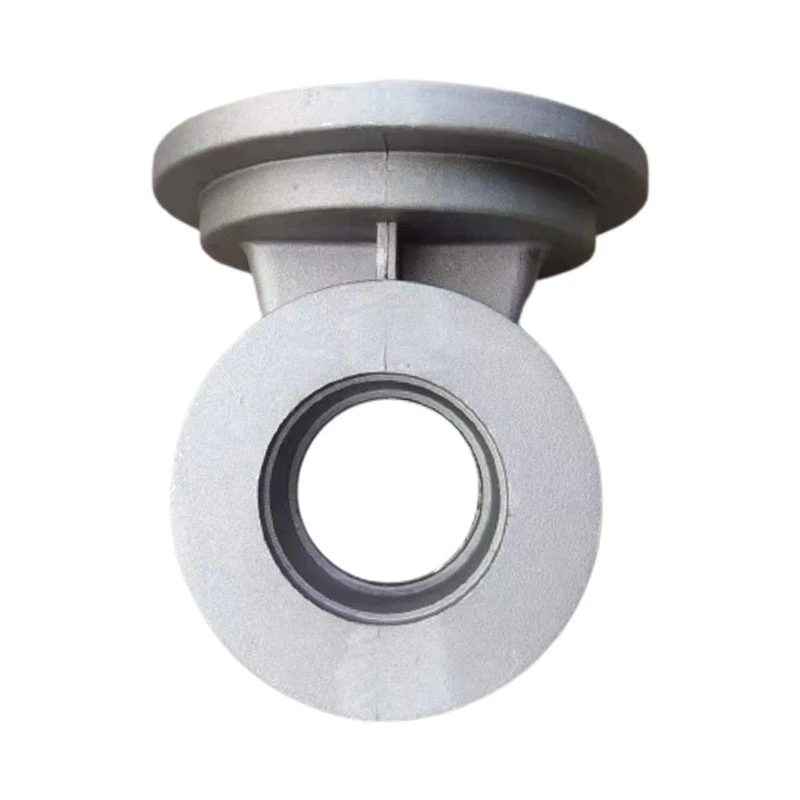
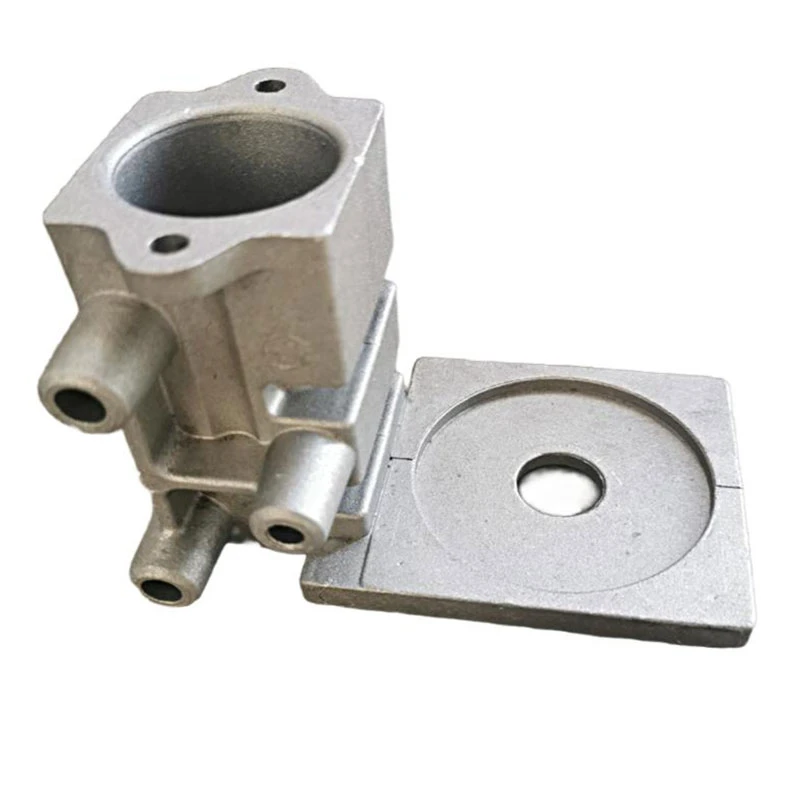
Having spent a good chunk of my career in the industrial equipment sector, I’ve seen firsthand how die cast metal components quietly yet critically shape everything from automotive parts to electrical housings. It’s one of those materials that you hardly notice — until it isn’t right.
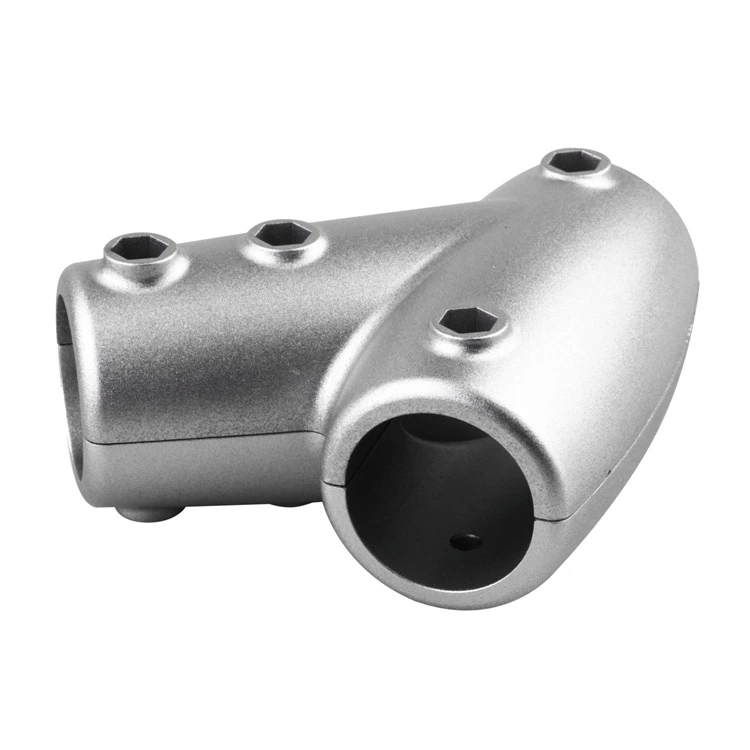
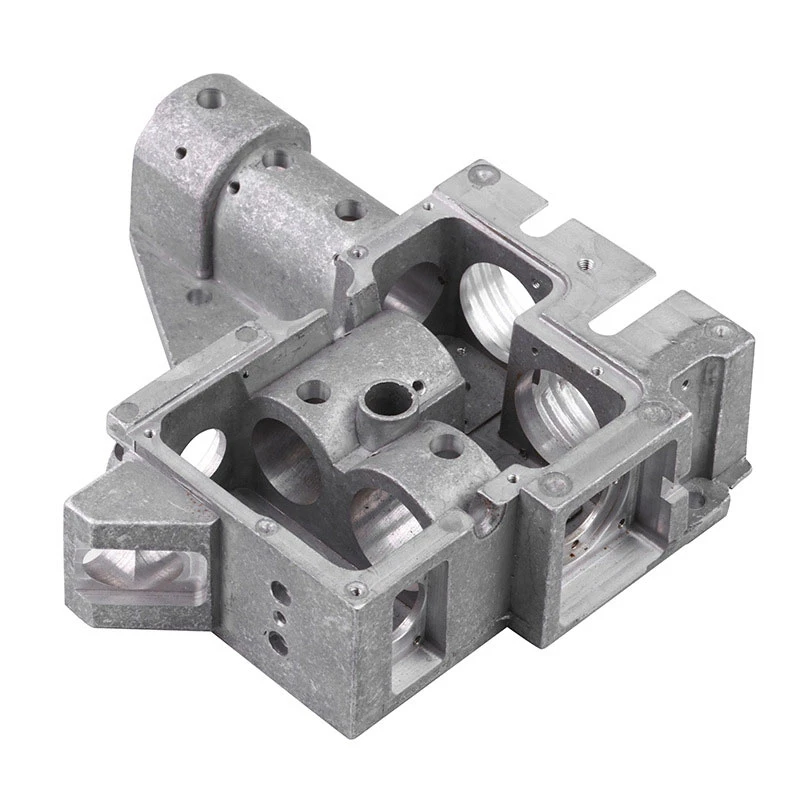
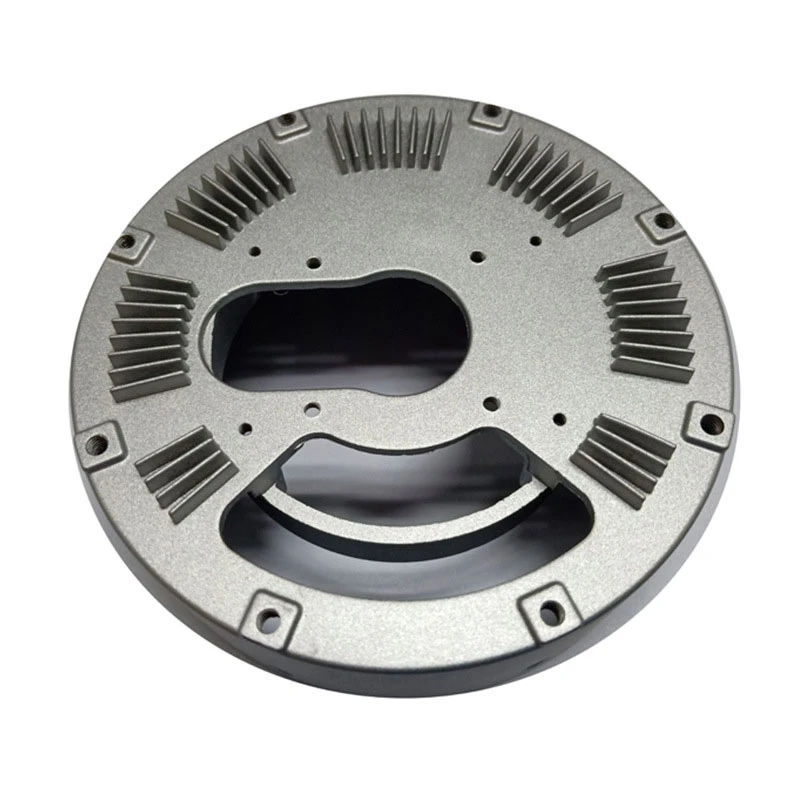
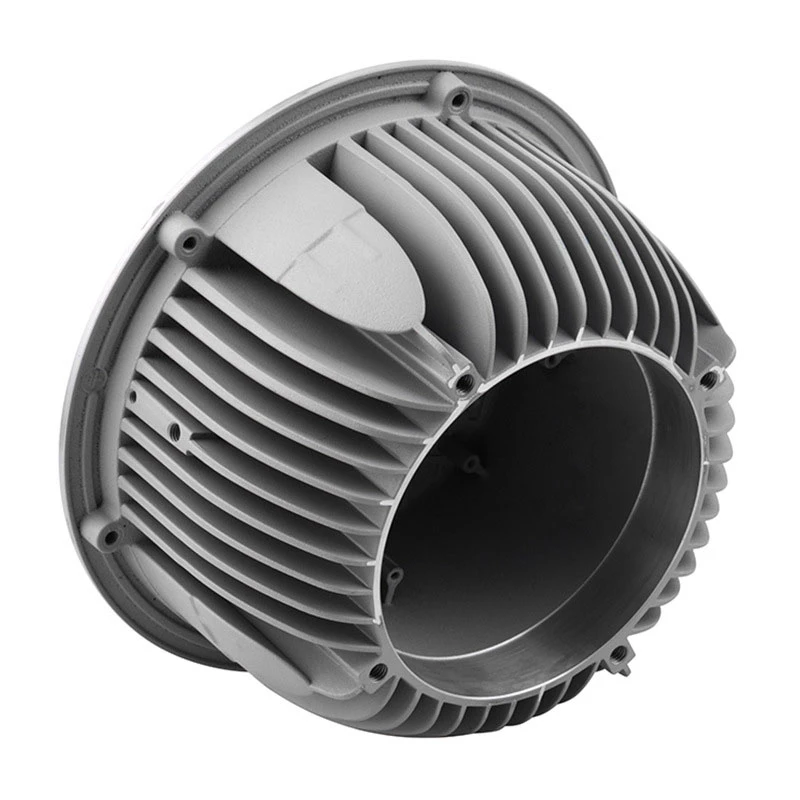
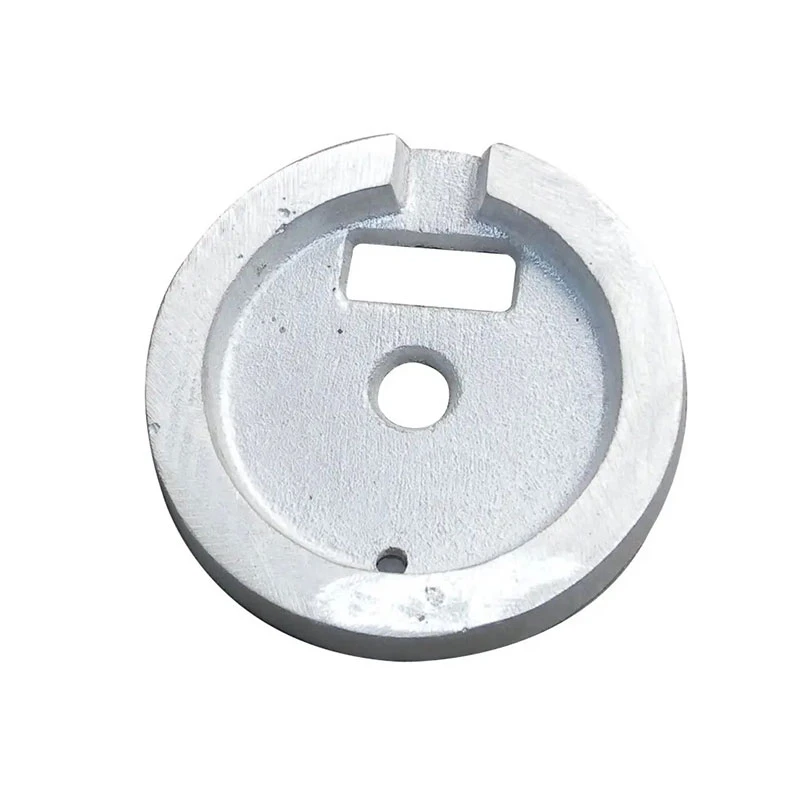
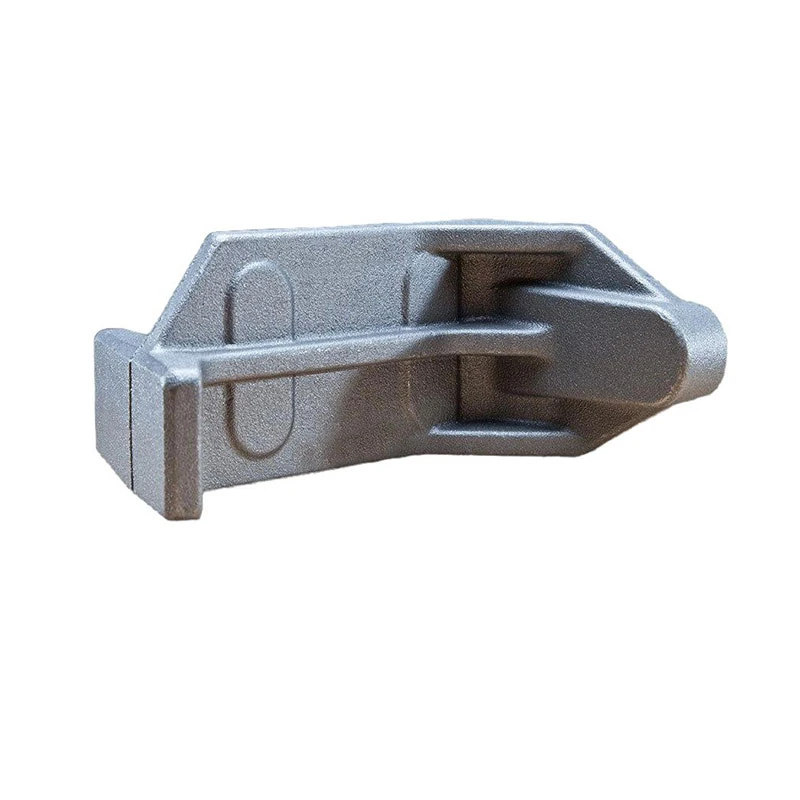
So, what makes die casting, and die cast metals in particular, so trusted across industries? Well, it starts with the manufacturing process — molten metal is forced under high pressure into precision molds, creating robust parts with excellent dimensional accuracy. This method often favors non-ferrous metals like aluminum, zinc, and magnesium. Aluminum, for instance, strikes a sweet balance between lightness and strength — which, frankly, has helped keep many machines both efficient and durable.
I recall a supplier we worked with a few years ago, producing these intricate aluminum housings for power tools. The consistency was so impressive, it reduced our assembly time noticeably. The tight tolerances die casting offers mean fewer adjustments downstream. Plus, the surface finish typically requires minimal machining afterward — a huge bonus in cost and time savings.
Now, I suppose what most folks appreciate about die cast metals is their mechanical properties and resilience. For example, die cast aluminum alloys have high tensile strength, making them ideal where you need lightweight parts without compromising durability. Zinc, on the other hand, melts at a lower temperature, allowing for faster cycle times and more intricate designs. It’s a subtle tradeoff between performance and production efficiency.
In practical terms, that means product designers get to be pretty creative. Need fine details or complex geometries? Die casting can deliver that — often avoiding those expensive secondary steps. Of course, like all things, it takes good tooling and a deep understanding of the metal behavior. I’ve seen some issues where improper venting in molds caused porosity problems. Thankfully, those are usually caught via non-destructive testing before parts ever hit the assembly line.
| Property | Aluminum Alloy (A380) | Zinc Alloy (Zamak 3) |
|---|---|---|
| Density (g/cm³) | 2.7 | 6.6 |
| Tensile Strength (MPa) | 310 | 280 |
| Melting Point (°C) | 660 | 380 |
| Hardness (Brinell) | 85 | 80 |
| Common Application | Automotive, Electronics | Appliance, Hardware |
When it comes to sourcing die cast metal parts, not all vendors are created equal. In my experience, vendor reliability hinges on process control, tooling quality, and material sourcing. To help understand options, here’s a quick comparison of three hypothetical suppliers that I’ve come across in the field:
| Vendor | Material Options | Lead Time | Quality Certification | Customization Capability |
|---|---|---|---|---|
| Alpha Castings | Aluminum, Zinc | 4-6 weeks | ISO 9001 | High |
| Beta Metals | Aluminum, Magnesium | 3-5 weeks | ISO 14001 | Medium |
| Gamma Foundry | Zinc only | 5-7 weeks | TS 16949 | Low |
Oddly enough, when clients ask me for a quick recommendation, I often steer them toward suppliers offering a broad material range and solid certification track record. It’s not just about the specs — but also about partnership and trust. After all, even the best casting won’t perform well if quality control slips or turnaround times get stretched.
Finally, there’s the customization aspect — and frankly, this is where die cast metals shine. Complex shapes, integrated reinforcements, threaded inserts — these are all achievable without breaking the bank, provided the supplier has the right tooling. That old project with the power tool housings I mentioned? Custom inserts molded in place saved us hundreds of additional assembly steps.
If you’re new to die casting or just refreshing your knowledge, I’d recommend checking out die cast metal suppliers who can walk you through design for manufacturability — not all companies offer that level of support, and it makes a world of difference.
In short, die cast metal is one of those unsung heroes of industrial manufacturing — versatile, cost-effective, and quietly robust. You kind of have to dig into the details to appreciate how much it’s contributed to the machines and products we depend on every day.
References:
1. ASM International, "Die Casting Alloys"
2. Industrial Metal Supply Reports, 2022
3. Personal industry experience, 2008-2023
-
Comprehensive Guide to Automotive Die Casting for Enhanced Vehicle PerformanceNewsJan.27,2026
-
Comprehensive Guide to Aluminum Pressure Die Casting Manufacturing ProcessesNewsJan.27,2026
-
Hot Chamber Die Casting vs Cold Chamber Die Casting ExplainedNewsJan.06,2026
-
Hot Chamber And Cold Chamber Die Casting Solutions for Industrial Applications | Hairun SourcingNewsJan.06,2026
-
Hot and Cold Chamber Die Casting: Key Insights from Industry ExpertsNewsJan.06,2026
-
Comprehensive Guide on Graphite Die Casting for B2B Manufacturing | HairunSourcingNewsJan.05,2026