


Custom Precision Casting: Tight Tolerances, Fast Delivery?
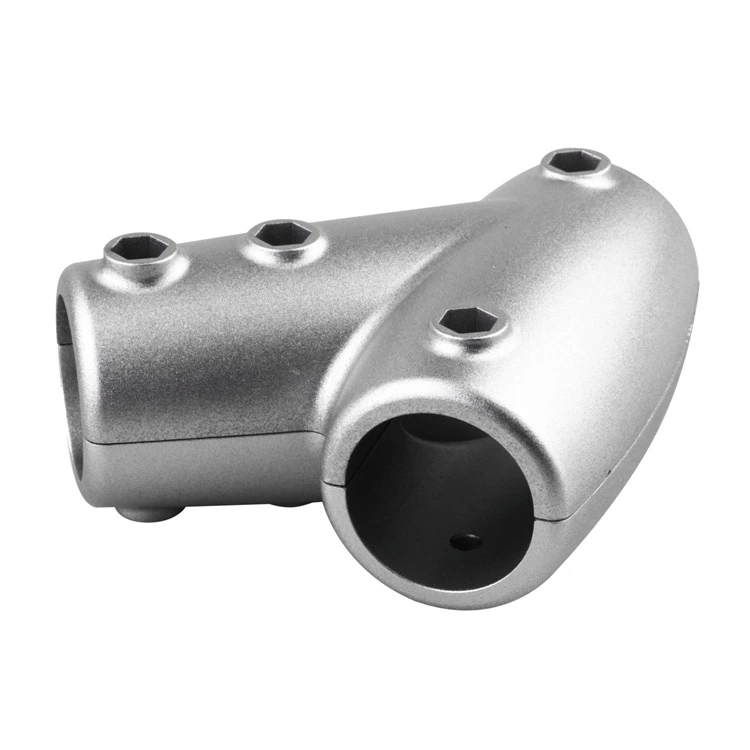
Oem Precision Castings Tee Joints: Field Notes from a Pragmatic Insider
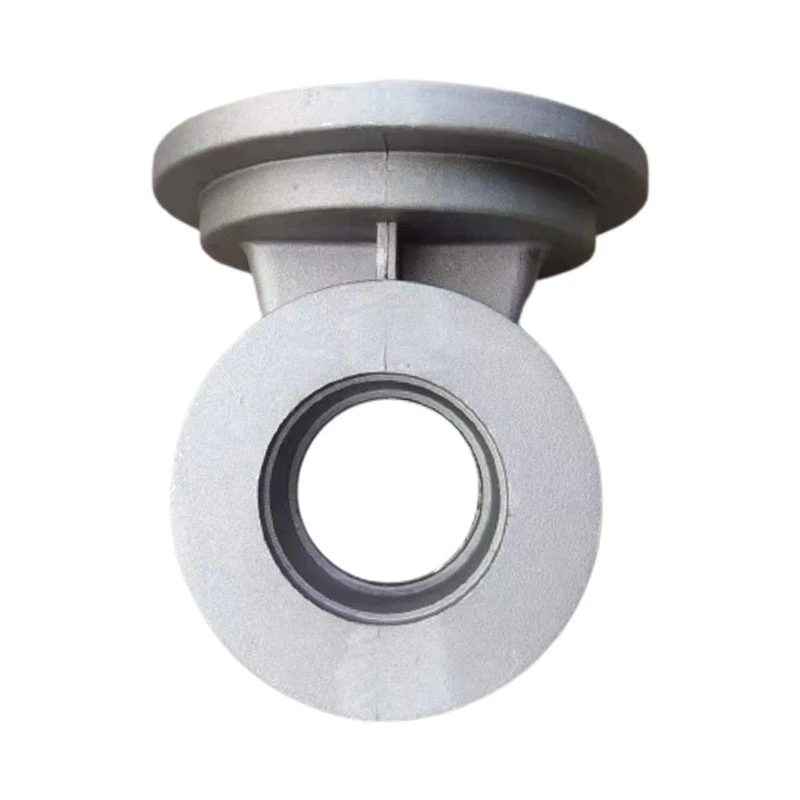
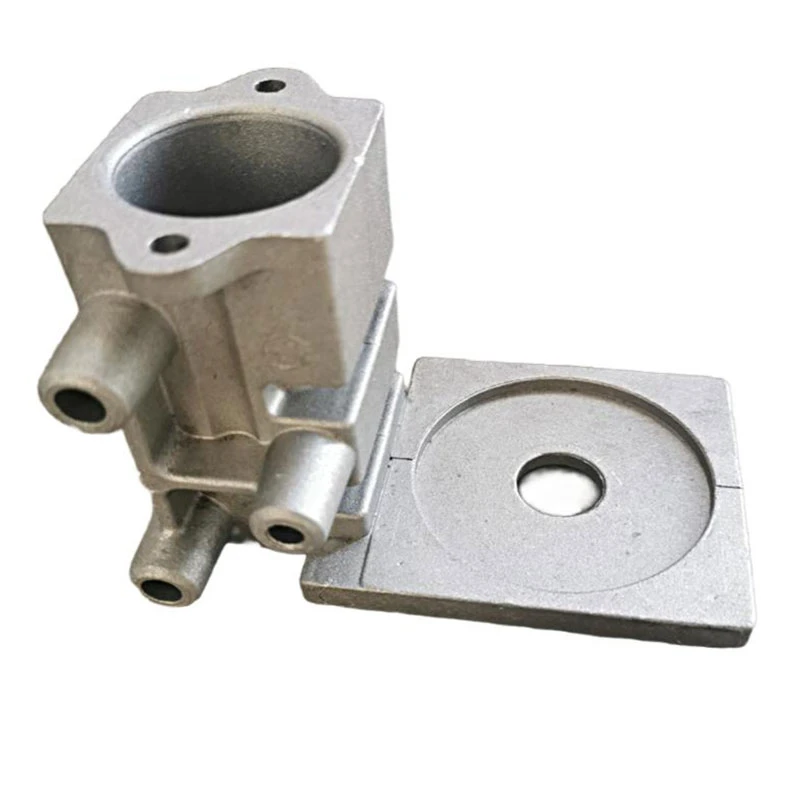
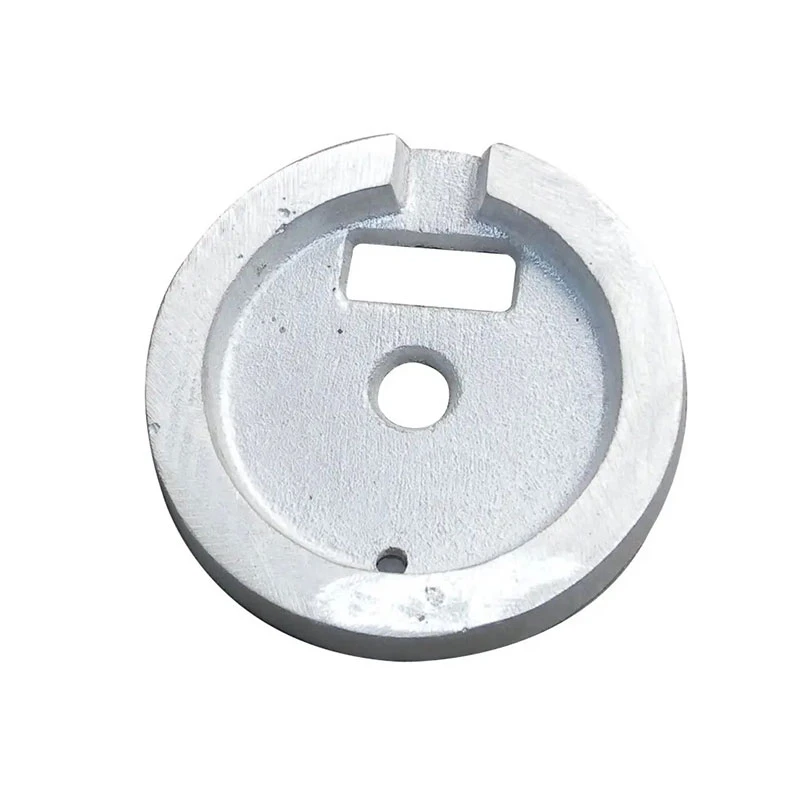
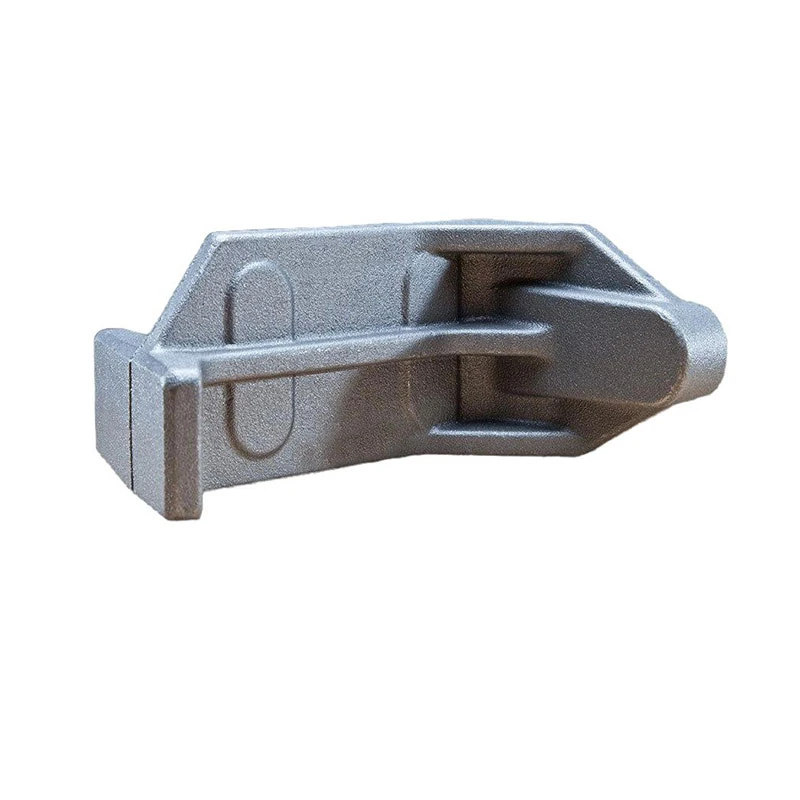
If you’ve ever chased repeatable tolerance in piping hardware, you already know the charm—no, the relief—of a good custom precision casting. I’ve stood on shop floors where a tenth of a millimeter decides whether a project ships on time or becomes a late-night troubleshooting session. This particular product—Oem Precision Castings Tee Joints from Baoding (3rd Floor, No. 678 Jinxiu Street)—has been getting attention, and for mostly good reasons.
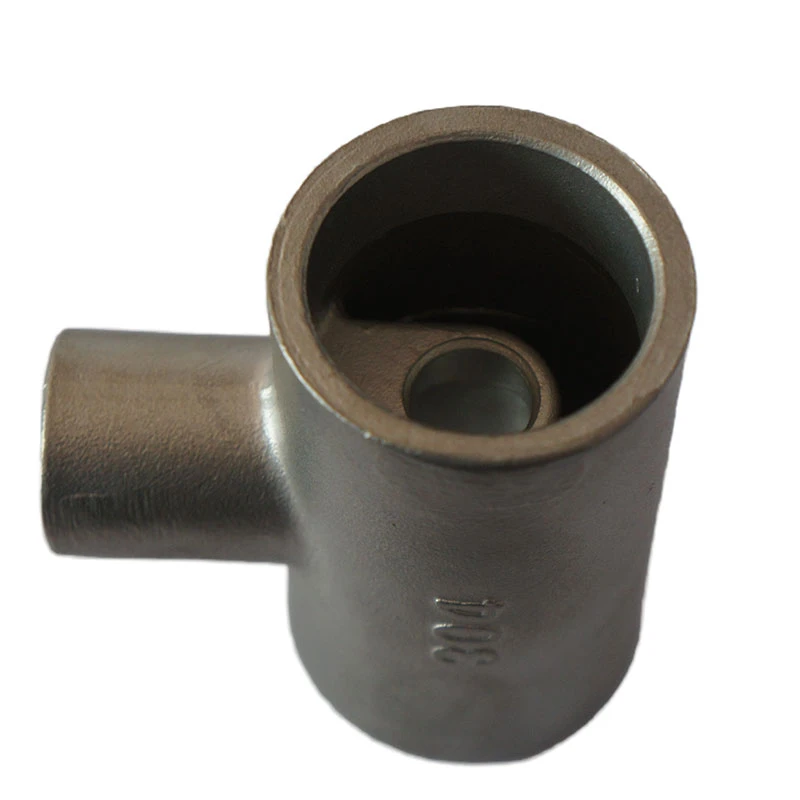
Industry trend-watch: shorter lead times, higher complexity, and tougher compliance. Foundries that blend investment casting with tight in-house QA—radiography, dye-penetrant, the whole tool kit—are winning bids. It seems that real differentiation now comes from process control and post-cast machining rather than just melt chemistry. And yes, buyers want flexibility: stainless for food lines today, ductile iron for utilities tomorrow. That’s where these Tee joints slot in—made in stainless, alloy steel, carbon steel, ductile iron, or grey iron, based on your drawings. Fully customizable.
Process Flow (the practical version)
- Materials: SS (e.g., ASTM A351 CF8/CF8M), alloy and carbon steels (ASTM A216 WCB), ductile iron (ASTM A536), grey iron (ASTM A48).
- Methods: Investment casting for finer features; sand casting for larger bodies; heat treatment as required (normalizing, solution anneal).
- Machining: CNC finish with typical tolerance ≈ ±0.1 mm on critical faces; threads/bores per drawing.
- Testing: NDT RT/UT/PT/MT as required; mechanical per ASTM A370; corrosion checks (ASTM G48 for stainless, where relevant); pressure proof ≈ 1.5× rated for 15 min, zero visible leakage.
- Standards: Dimensional per ISO 8062-3 (CT6–CT8 typical, real-world use may vary); process under ISO 9001; PPAP/FAI on request.
- Service life: around 10–20 years in normal industrial duty, depending on media, temperature, and maintenance.
Product Specs (summary)
| Product | Oem Precision Castings Tee Joints |
| Material Options | Stainless, alloy steel, carbon steel, ductile iron, grey iron |
| Size/Weight | Per drawing/sample; unit weight ≈ as supplied by customer spec |
| Tolerance | Casting CT6–CT8; machined features ≈ ±0.1 mm typical |
| Surface Finish | As-cast Ra ≈ 6.3–12.5 μm; machined Ra ≈ 1.6–3.2 μm |
| Pressure Testing | Hydrostatic 1.5× rated pressure; optional helium leak for critical lines |
| Certifications | ISO 9001; material certs (EN 10204 3.1) available |
Applications and Advantages
Common deployments: oil and gas manifolds, water utilities, food and beverage piping (stainless), chemical dosing skids, pump/valve assemblies, and rail or marine auxiliaries. Advantages? Dimensional repeatability, near-net shape, and lower machining minutes. Many customers say the best part is consistent sealing at gasket faces—less rework, fewer callbacks. Honestly, that’s where custom precision casting pays for itself.
Vendor Comparison (quick reality check)
| Criteria | Hairun (Baoding) | Foundry A | Foundry B |
|---|---|---|---|
| Casting Methods | Investment + sand | Sand only | Investment only |
| Certifications | ISO 9001; 3.1 certs | ISO 9001 | ISO 9001, IATF 16949 (claims) |
| Lead Time (tools → SOP) | ≈ 4–6 weeks | ≈ 6–8 weeks | ≈ 5–7 weeks |
| NDT Coverage | RT/PT/MT as spec | PT only | RT on request |
| Price Index | $$ (balanced) | $ (basic) | $$$ (premium) |
Customization That Matters
Drawings or a physical sample? They’ll model, gate, and tool accordingly. For hygienic lines, request 316L, smoother Ra, and passivation. For buried-service utilities, ductile iron with epoxy coat is common. You can also lock in control plans, PPAP, and specific gauges for critical-to-quality features. This is where custom precision casting proves its flexibility.
Mini Case Study
A water-treatment OEM needed 2-inch Tee joints with a flatness spec of 0.05 mm at the flange face—tight, arguably picky. After two tooling tweaks and a modest machining allowance change, first-article passed hydro at 2.4 MPa for 15 minutes, no leaks, no dye bleed on PT. The line supervisor told me, “Surprisingly smooth run for week one.” That’s not nothing.
Final thought: if you want reliability without blowing up unit cost, custom precision casting with disciplined machining and testing still hits the sweet spot. And yes, check the paperwork—3.1 certs and traceability save headaches later.
Authoritative citations
- ASTM A351/A351M – Castings, Austenitic Steel for Pressure-Containing Parts.
- ISO 8062-3 – Geometrical product specifications (GPS) — Dimensional and geometrical tolerances for castings.
- ASTM A370 – Standard Test Methods and Definitions for Mechanical Testing of Steel Products.
- ASTM G48 – Standard Test Methods for Pitting and Crevice Corrosion Resistance of Stainless Steels.
-
Comprehensive Guide to Automotive Die Casting for Enhanced Vehicle PerformanceNewsJan.27,2026
-
Comprehensive Guide to Aluminum Pressure Die Casting Manufacturing ProcessesNewsJan.27,2026
-
Hot Chamber Die Casting vs Cold Chamber Die Casting ExplainedNewsJan.06,2026
-
Hot Chamber And Cold Chamber Die Casting Solutions for Industrial Applications | Hairun SourcingNewsJan.06,2026
-
Hot and Cold Chamber Die Casting: Key Insights from Industry ExpertsNewsJan.06,2026
-
Comprehensive Guide on Graphite Die Casting for B2B Manufacturing | HairunSourcingNewsJan.05,2026