


Comprehensive Guide to Sand Casting Manufacturer: Global Trends & Practical Insights
Understanding the Role of a Sand Casting Manufacturer
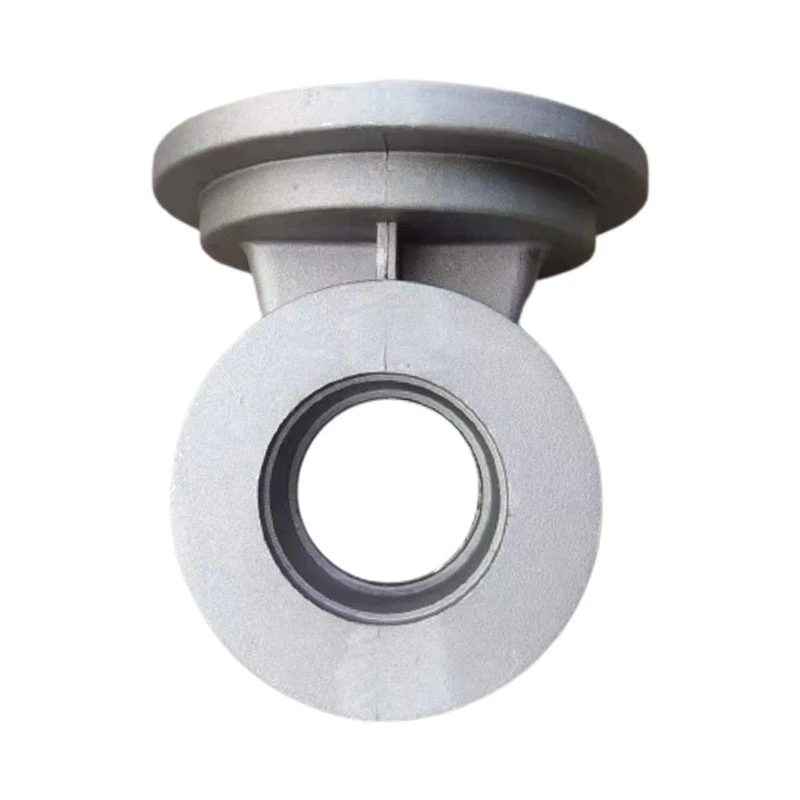
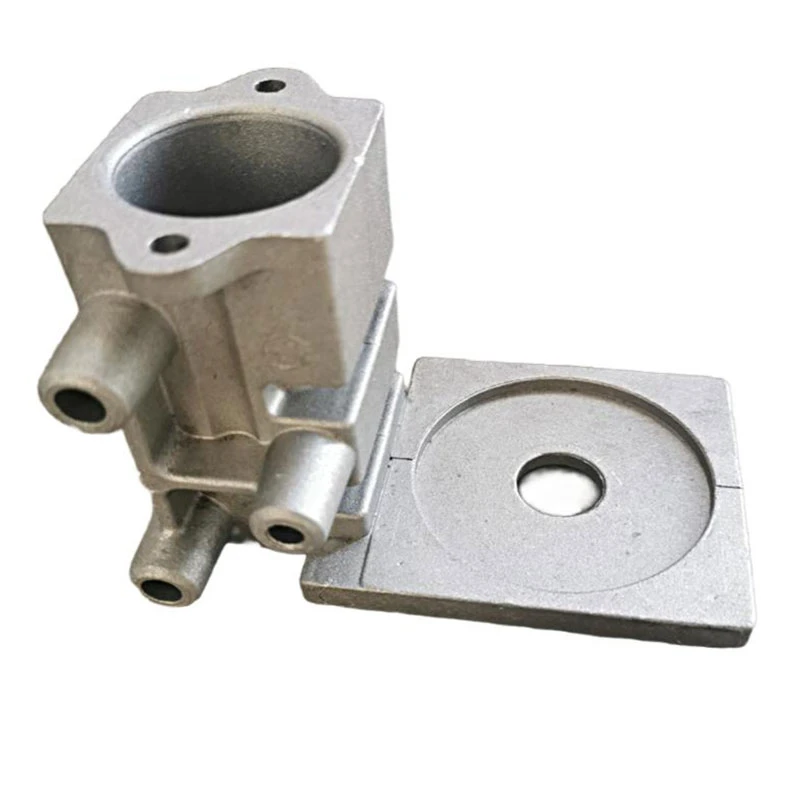
Sand casting may sound like an old-school process, but it's still one of the pillars of modern manufacturing worldwide. A sand casting manufacturer specializes in producing metal parts by shaping molten metal within sand molds—a method that’s both art and science, frankly. Why does it matter globally? Well, sand casting underpins countless industries from automotive to aerospace, infrastructure, even humanitarian aid equipment. If you understand what sand casting manufacturing entails, you’ll appreciate how much of the things around us are shaped by this deceptively simple process.
Global Context: Why Sand Casting Manufacturers Matter
Globally, the sand casting market is expected to grow steadily, driven by demand in emerging economies and the ongoing need for affordable, versatile metal components. For instance, according to the International Organization for Standardization (ISO), metal casting accounts for roughly 70% of all metal part manufacturing worldwide. World Bank data highlights manufacturing growth in Asia and Africa, where sand casting often remains the go-to method due to equipment accessibility and cost efficiency. One of the challenges manufacturers face is balancing quality with speed and cost—especially in sectors requiring complex, high-precision parts.
Mini takeaway: Sand casting manufacturing ties directly into economic development and industrial diversification globally.
What Exactly Is a Sand Casting Manufacturer?
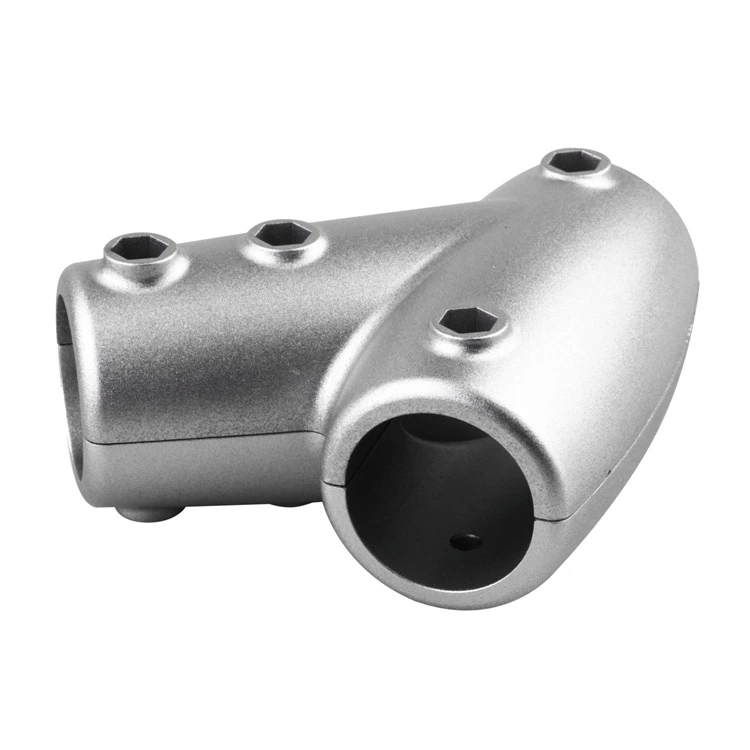
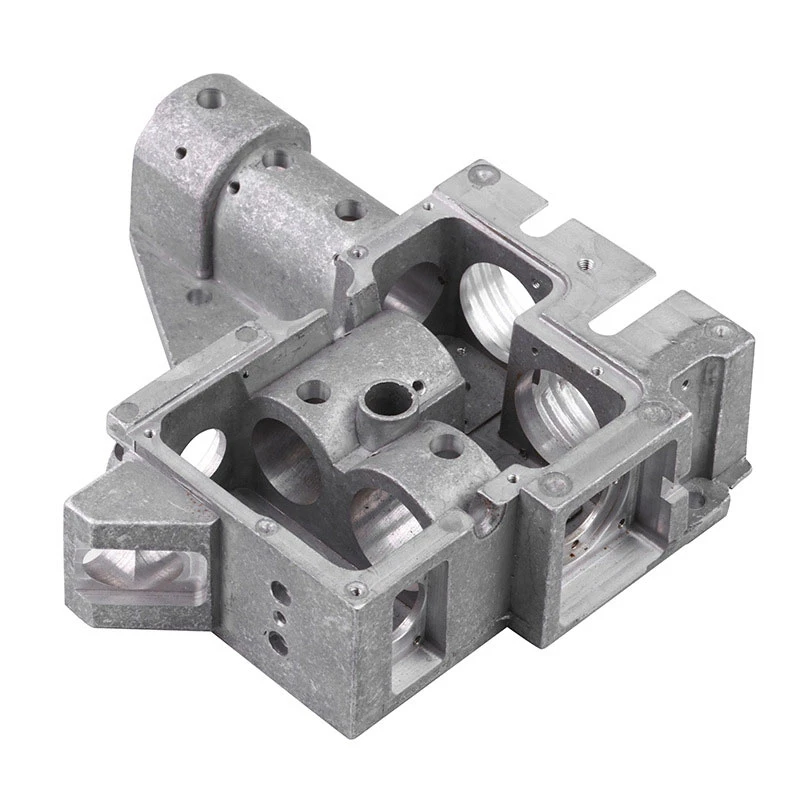
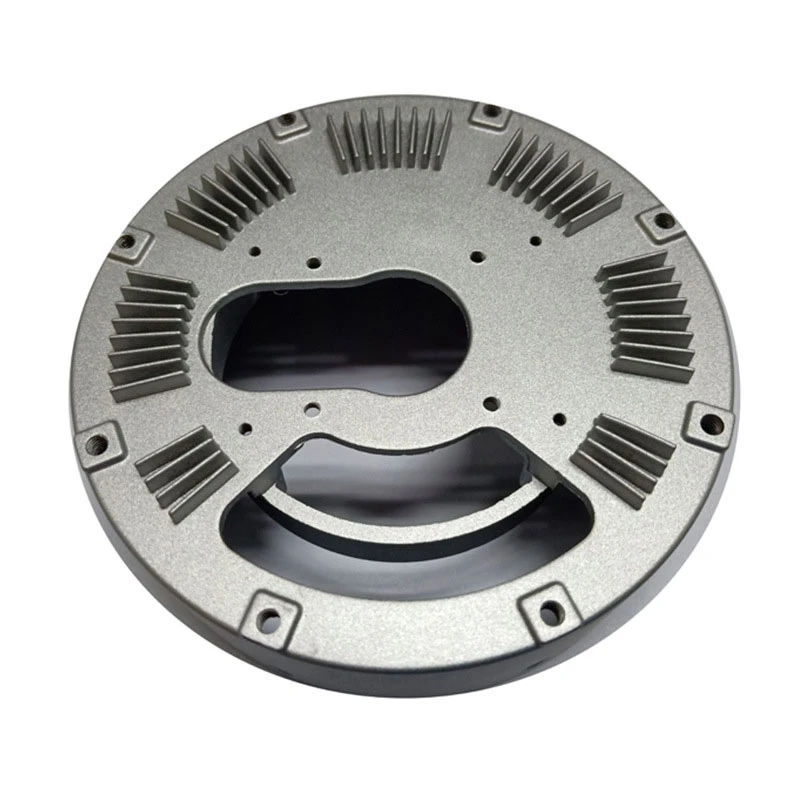
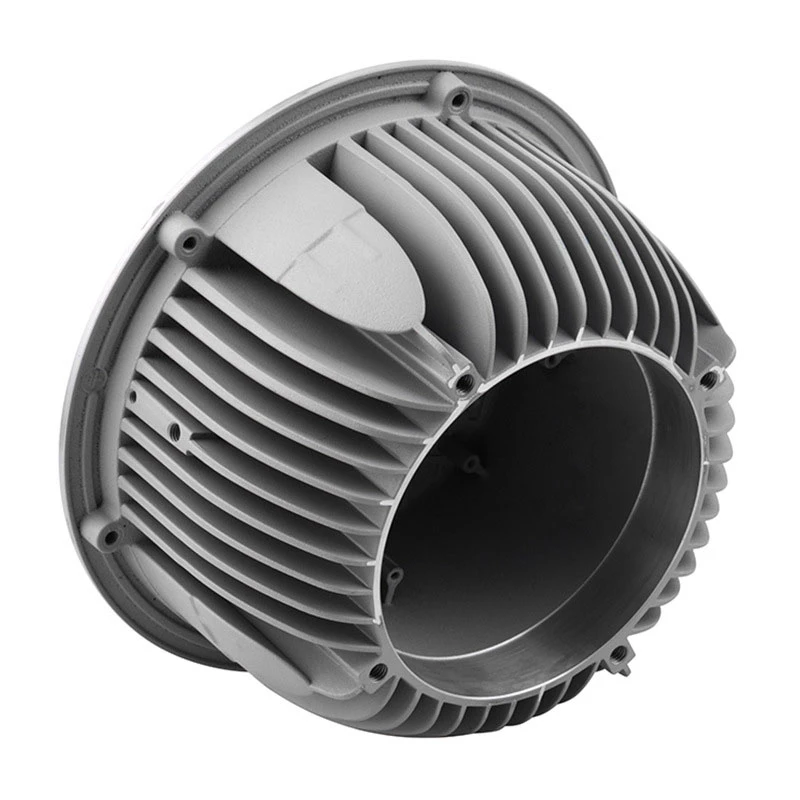
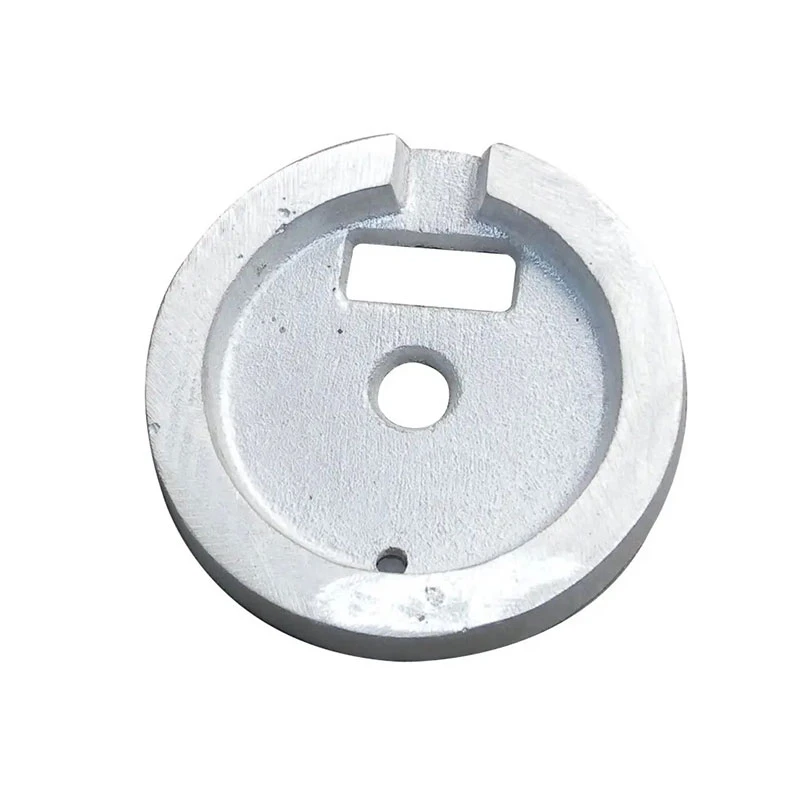
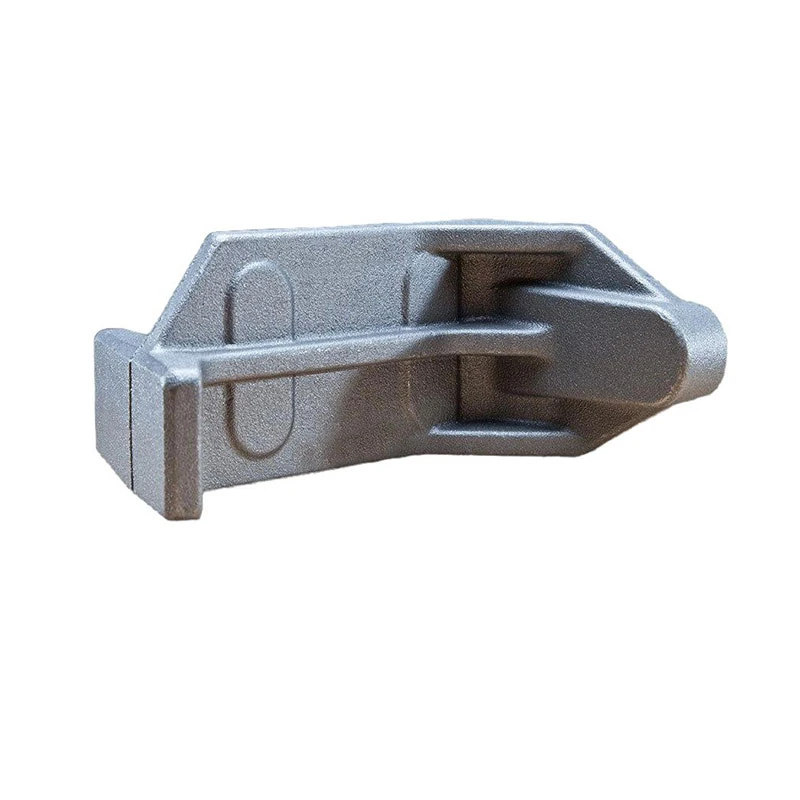
Simply put, a sand casting manufacturer produces metal parts by pouring molten metal into sand-based molds. These molds are crafted from compacted sand mixed with binders, which hold the shape long enough for the metal to solidify. Nowadays, it’s much more than just pouring metal into a sandbox—it involves intricate mold design, quality controls, and finishing processes. These manufacturers supply crucial components ranging from engine blocks to decorative fixtures. Oddly enough, this age-old technique is also pivoting to meet modern needs, such as rapid prototyping and sustainable practices.
Mini takeaway: Sand casting manufacturing blends traditional craftsmanship with modern industrial demands.
Core Components of Sand Casting Manufacturing
Durability of Final Products
The sand mold’s ability to withstand high temperatures and pressures directly impacts metal part durability. Durable products are critical for industries like construction or automotive, where safety and reliability are non-negotiable.
Scalability
Whether producing a single prototype or thousands of parts, sand casting manufacturers must scale operations efficiently. This flexibility often gives them an edge in diversified industrial applications.
Cost Efficiency
Compared to other casting techniques, sand casting generally has lower startup costs since molds are made from inexpensive materials and are reusable to an extent. However, mold preparation is labor-intensive, so optimization remains key.
Customization and Complexity
Sand casting can accommodate complex shapes and a wide variety of metals—from aluminum to cast iron. This versatility enables manufacturers to serve niche market needs and broad industrial sectors.
Environmental Impact
Traditionally, sand casting had sustainability challenges, chiefly due to sand waste and energy consumption. But recent tech advances reduce landfill waste by recycling sand and more efficient furnaces.
Mini takeaway: These core aspects define both the performance and economic viability of sand casting manufacturing.
Product Specifications of Typical Sand Casting
| Specification | Typical Range | Notes |
|---|---|---|
| Metal Types | Cast iron, aluminum alloys, bronze | Varies by application |
| Dimensional Tolerance | ±0.5 to ±1.5 mm | Depends on mold precision |
| Max Weight | Up to several tons | Large parts feasible |
| Surface Finish | 3.2 to 12.5 microns | Requires secondary machining for fine finish |
| Lead Time | 1 to 4 weeks | Depends on complexity |
Global Applications & Use Cases
Sand casting manufacturers are everywhere—from industrial hubs in China and Germany to emerging markets in India and Mexico. The technology supports:
- Automotive industry: Engine blocks, transmission casings.
- Aerospace sector: Custom metal parts where precision is essential.
- Construction: Structural fittings and heavy machinery components.
- Humanitarian equipment: Durable cooking stoves and water pumps in rural Africa and Asia.
For example, in post-disaster scenarios, rapid production of replacement machine parts can restart infrastructure faster. Also, remote industrial sites appreciate the ability to order customized metal components without massive tooling investments.
Mini takeaway: This manufacturing approach remains key for industries prioritizing adaptability and cost control.
Vendor Comparison: Key Players in Sand Casting Manufacturing
| Vendor | Specialty | Capacity | Lead Times | Sustainability |
|---|---|---|---|---|
| A1 Castings | High-complexity automotive parts | Large scale (tons per day) | 2-3 weeks | Recycled sand program |
| Global Foundry Inc. | Versatile alloys, rapid prototyping | Medium scale | 1-2 weeks | Energy-efficient furnaces |
| EcoSand Manufactures | Green casting solutions | Small scale | 3-4 weeks | Zero-waste and closed-loop sand systems |
Advantages & Long-Term Value of Sand Casting Manufacturing
The benefits here are multi-layered. Economically, the relatively low capital cost and mold flexibility make sand casting accessible for startups and established manufacturers alike. Environmentally, modern methods are reducing waste and energy use, fitting rising demands for sustainable production. On the societal level, durable cast parts mean safer vehicles, reliable infrastructure, and better quality of life.
Emotionally speaking, a customer or engineer knowing that their parts are made via a process trusted for centuries adds a layer of confidence you can’t just quantify. Trust in the process and innovation arrives hand-in-hand these days.
Future Trends & Innovations
Looking forward, automation and digital design are steadily transforming the field. Additive manufacturing techniques now help create more precise molds, and some companies are experimenting with bio-based sand binders to improve sustainability. Also, the push toward green energy taps sand casting manufacturers to produce new metal parts for wind turbines and electric vehicles.
Challenges & Their Expert Solutions
Yet, it’s not all smooth sailing. Current challenges include controlling porosity defects and consistently meeting tight tolerances. Skilled labor shortages and environmental regulations are hurdles too. The response? Advanced simulation software for process optimization, automation for repeatability, and strict environmental management systems.
FAQs About Sand Casting Manufacturer
- What metals are best suited for sand casting?
- Common metals include cast iron, aluminum, bronze, and steel. Each offers specific properties; for example, cast iron is excellent for heavy-duty parts, while aluminum is preferred for lightweight components.
- How long does a typical sand casting take?
- From mold preparation to final finishing, it can take anywhere from one to four weeks depending on complexity and production scale.
- Is sand casting environmentally sustainable?
- While traditionally challenging, modern practices focus on sand recycling and energy efficiency, making sand casting increasingly eco-friendly.
- Can sand casting manufacturers produce small or prototype runs?
- Absolutely. The low-cost tooling is ideal for prototypes and small batches before scaling up.
- How do I choose the right sand casting manufacturer?
- Consider factors like product complexity, lead time, sustainability practices, and vendor experience. Checking customer reviews and requesting samples also helps.
Conclusion
Sand casting manufacturers play a quietly pivotal role in shaping modern industry. Their mix of affordability, customization, and evolving innovation secures their place for years to come. If you’re looking for metal part suppliers who balance tradition and technology, you might want to start by visiting our trusted sand casting manufacturer.
Looking back, it feels like sand casting quietly stitches together the fabric of many global industries—and honestly, that’s pretty impressive.
References:
-
Comprehensive Guide to Automotive Die Casting for Enhanced Vehicle PerformanceNewsJan.27,2026
-
Comprehensive Guide to Aluminum Pressure Die Casting Manufacturing ProcessesNewsJan.27,2026
-
Hot Chamber Die Casting vs Cold Chamber Die Casting ExplainedNewsJan.06,2026
-
Hot Chamber And Cold Chamber Die Casting Solutions for Industrial Applications | Hairun SourcingNewsJan.06,2026
-
Hot and Cold Chamber Die Casting: Key Insights from Industry ExpertsNewsJan.06,2026
-
Comprehensive Guide on Graphite Die Casting for B2B Manufacturing | HairunSourcingNewsJan.05,2026