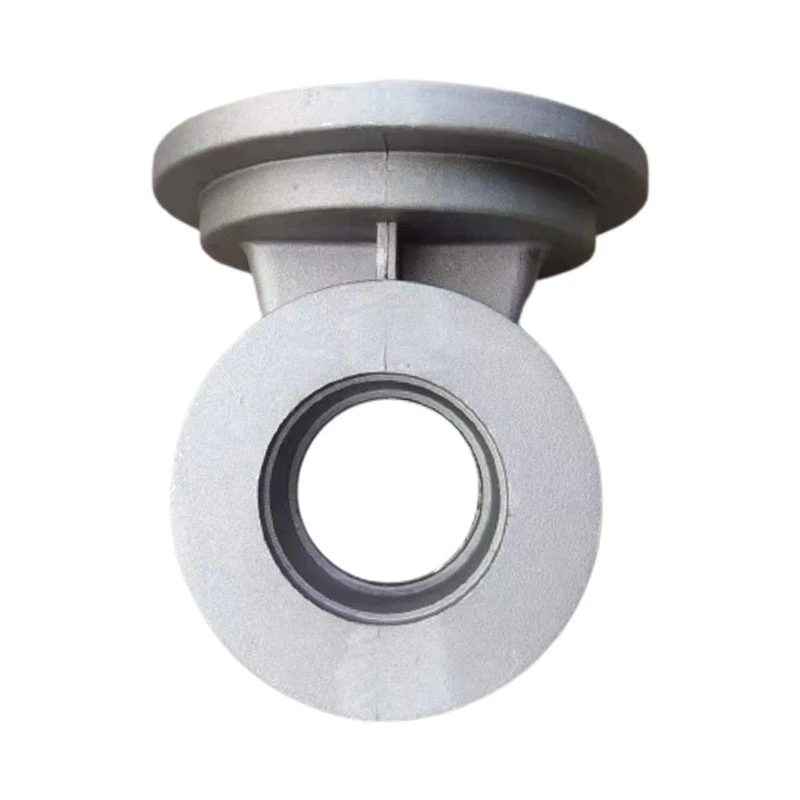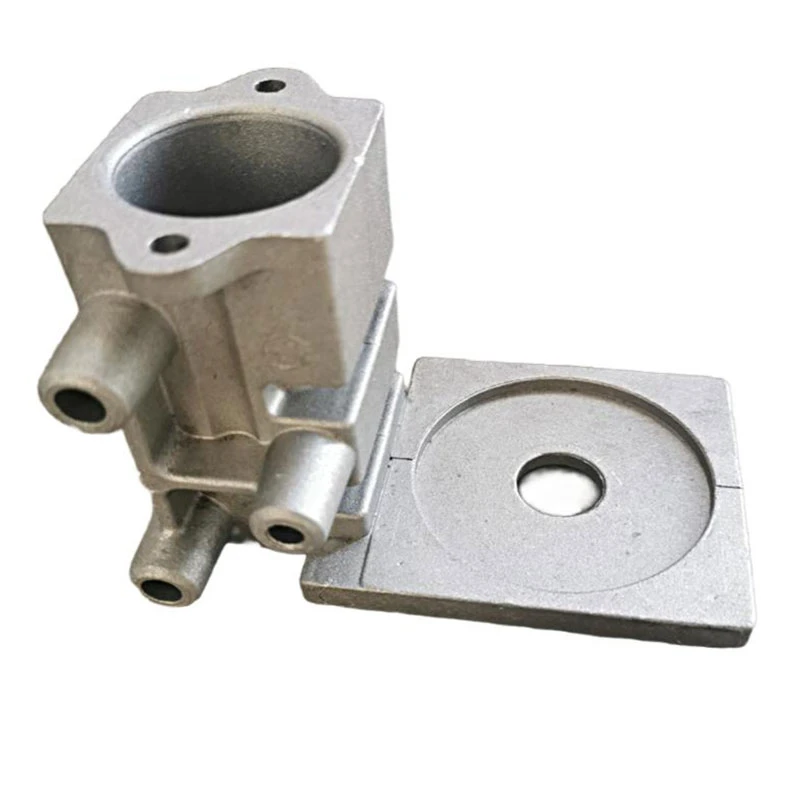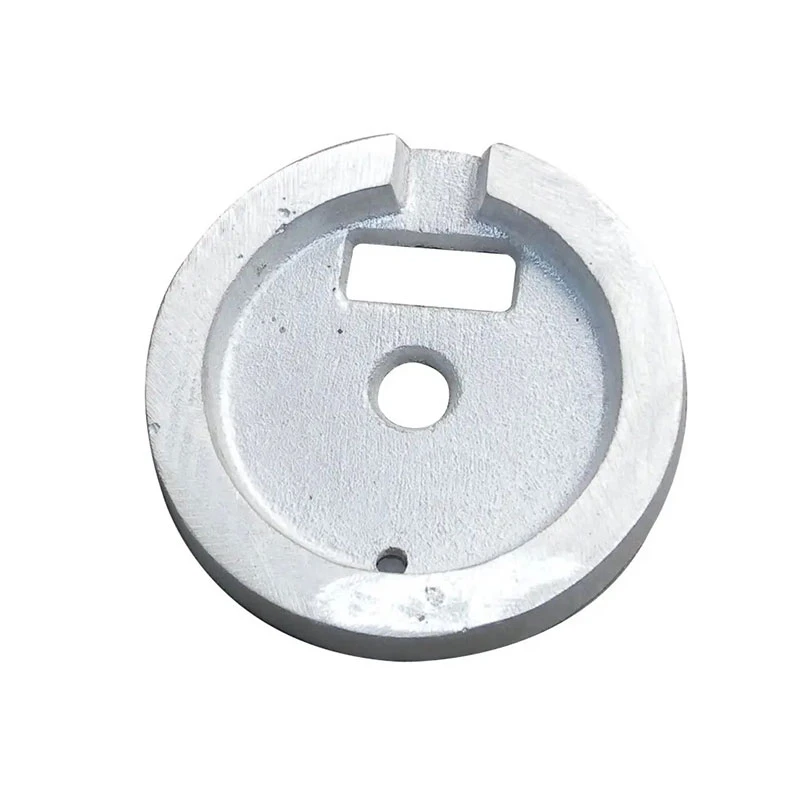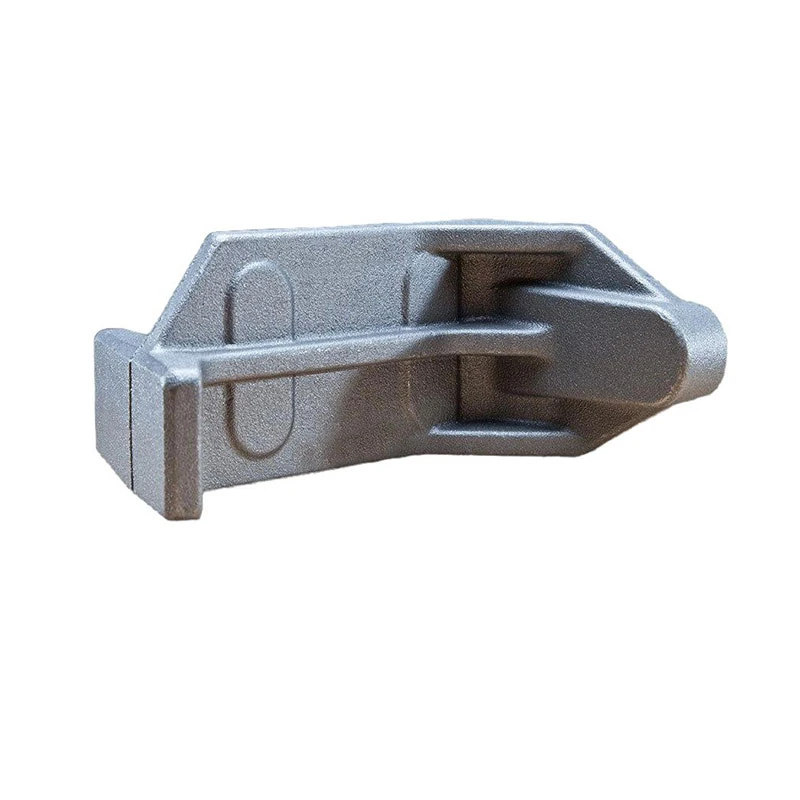



Black Iron Ball Valve – Durable, Leak-Proof, Precision Cast
Field Notes on the black iron ball valve market
I spend a lot of time in plants and pump rooms, and—believe it or not—the humble black iron ball valve still does a ton of heavy lifting. Not glamorous, but dependable. Hairun’s Oem Precision Castings Ball Valves, made in Baoding, have been cropping up in RFQs I’ve seen lately, especially where cost, robustness, and customization beat boutique branding.
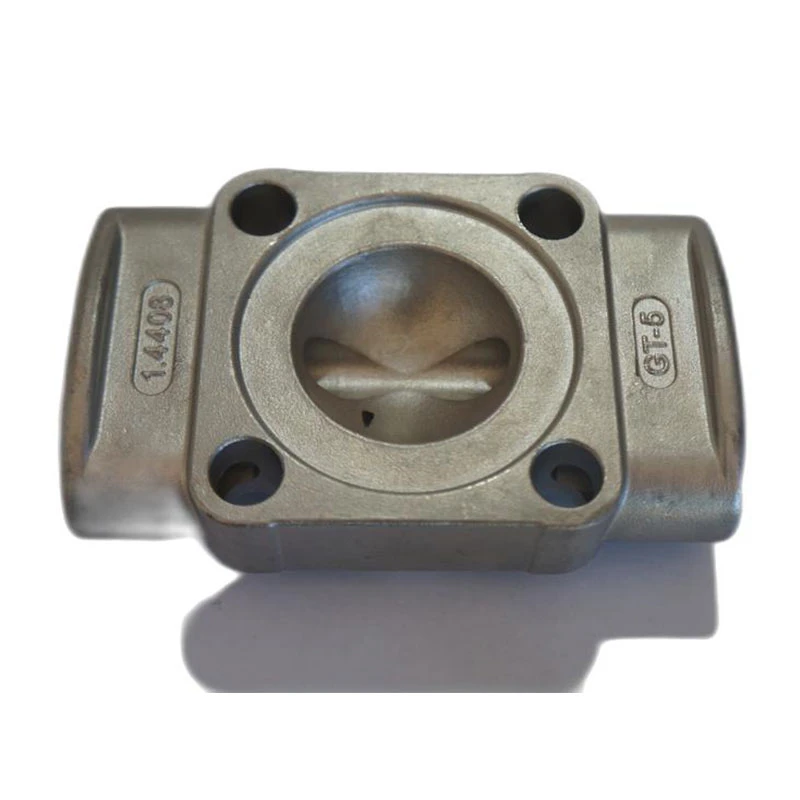
Why ductile/“black” iron still matters
Ductile iron (often called black iron in the field) brings high strength, vibration tolerance, and attractive cost versus all-stainless. In water works, HVAC, compressed air, gas distribution, even some low-pressure steam, a black iron ball valve with reliable seats and a blowout-proof stem is more than enough. And yes—coating quality and testing discipline make or break real-world life.
Product snapshot (Hairun OEM Precision Castings Ball Valves)
| Body materials | Ductile iron (EN-GJS-400-15), grey iron, carbon steel; stainless/alloy options |
| Sizes | ≈ 1/2”–8” (custom per drawings; real-world availability may vary) |
| Pressure class | PN16/PN25, Class 150 typical |
| Seats/Seals | PTFE / RPTFE; NBR/FKM O-rings optional |
| Connections | Threaded NPT/BSP; flanged ASME B16.5 EN 1092-1 |
| Temperature | Around -20°C to 200°C (seat-dependent) |
| Coating | Fusion-bonded epoxy ≈ 200–300 μm or black paint; customization available |
| Testing | API 598 / ISO 5208 leakage; hydrostatic shell/seat tests |
Process flow (how these get built)
Materials are sourced as ductile iron or steel per spec. Castings use investment casting for precision bodies/stems; sand casting for larger bodies when needed. Then CNC machining (seat pockets, stem bore), anti-blowout stem design, PTFE/RPTFE seat insertion, and assembly.
Testing follows API 598/ISO 5208: shell at 1.5× rated pressure, seat at 1.1×, torque verification, and cycling samples (I’ve seen ≈ 50k–100k cycles on RPTFE in sensible service). Coating: FBE or paint, cure and DFT check. Final marking/pack, ship from 3rd Floor, No. 678 Jinxiu Street, Baoding.
Typical applications
- Municipal water and district heating loops (flanged Class 150)
- Compressed air, inert gas, light hydrocarbons (check compatibility)
- Boiler rooms, HVAC, chilled water, glycol mixes
- Food/beverage utility lines (non-product contact)
Vendor landscape (what buyers compare)
| Vendor | MOQ | Lead time | Customization | Certs | Price |
|---|---|---|---|---|---|
| Hairun OEM (Baoding) | Flexible (project-based) | ≈ 25–45 days | High: materials, seats, coatings, flanges | ISO 9001; API/CE on request | Competitive |
| Import Brand A | Medium | 8–12 weeks | Medium | Broad (API 6D, Fire-safe) | Higher |
| Local Distributor | Low | Stock/2–3 weeks | Low | Varies | Variable |
Real-world data and feedback
- Leakage rate: ISO 5208 Rate A (zero visible) on water test
- Shell test: 1.5× rating; seat test: 1.1× rating (API 598)
- Cycle life: ≈ 80k with RPTFE at ambient water; users report “still smooth at year 3”
- Options: fire-safe trim (API 607) and NACE MR0175 for sour service on request
Mini case studies
District Heating Retrofit, CEE: Flanged black iron ball valve units with FBE coating cut install time 18% versus gate valves; no seat failures in first heating season.
Craft Brewery Utility Lines, US: Threaded NPT pairs handled CIP splash and glycol; operator noted “predictable torque—no stick-slip.”
Customization quick list
Seat materials (PTFE, RPTFE), end connections (NPT/BSP/flange standards), stem packing, lockable handles, gear operators, coatings (FBE thickness, color), and private labeling. Send drawings—this team is comfortable building to sample.
If you’re speccing a black iron ball valve for water, HVAC, or utilities, Hairun’s OEM route is a sensible sweet spot between off-the-shelf and bespoke—priced like the former, tuned like the latter.
References
- API 598: Valve Inspection and Testing.
- ISO 5208: Industrial valves—Pressure testing of metallic valves.
- ASME B16.34: Valves—Flanged, Threaded, and Welding End.
- API 6D: Specification for Pipeline and Piping Valves.
- NACE MR0175 / ISO 15156: Materials for use in H2S-containing environments.
-
Comprehensive Guide to Automotive Die Casting for Enhanced Vehicle PerformanceNewsJan.27,2026
-
Comprehensive Guide to Aluminum Pressure Die Casting Manufacturing ProcessesNewsJan.27,2026
-
Hot Chamber Die Casting vs Cold Chamber Die Casting ExplainedNewsJan.06,2026
-
Hot Chamber And Cold Chamber Die Casting Solutions for Industrial Applications | Hairun SourcingNewsJan.06,2026
-
Hot and Cold Chamber Die Casting: Key Insights from Industry ExpertsNewsJan.06,2026
-
Comprehensive Guide on Graphite Die Casting for B2B Manufacturing | HairunSourcingNewsJan.05,2026