


ADC10 Aluminum Alloy – Industrial-grade Die Casting Material Insights
Understanding ADC10 Aluminum: Industry Insights from the Field
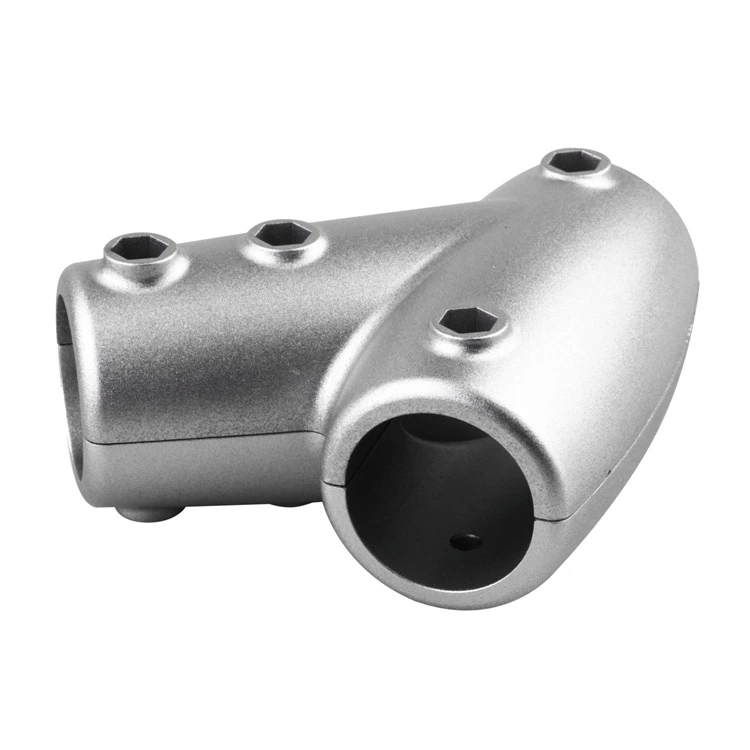
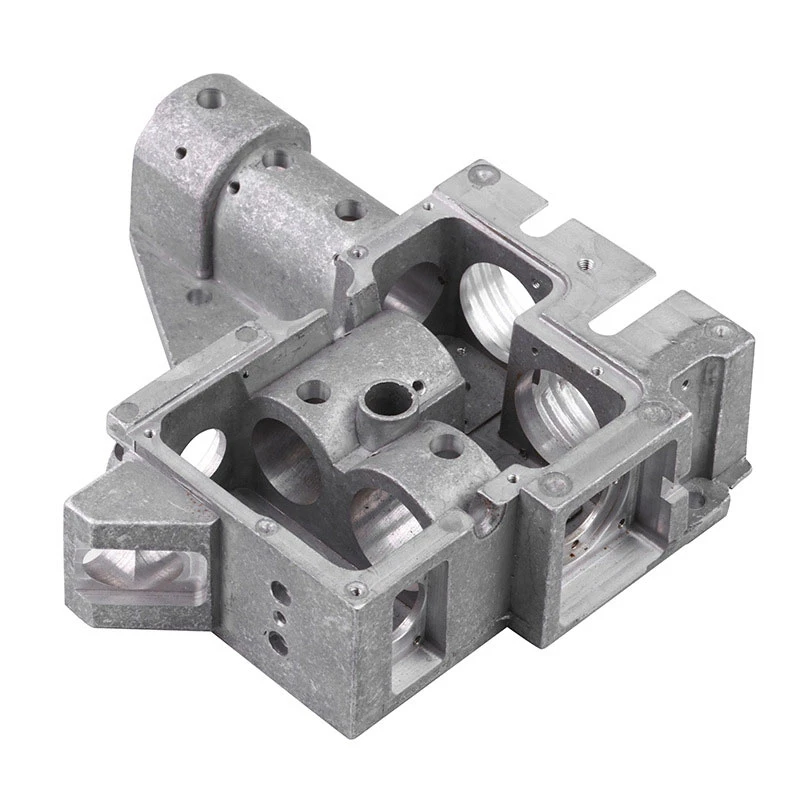
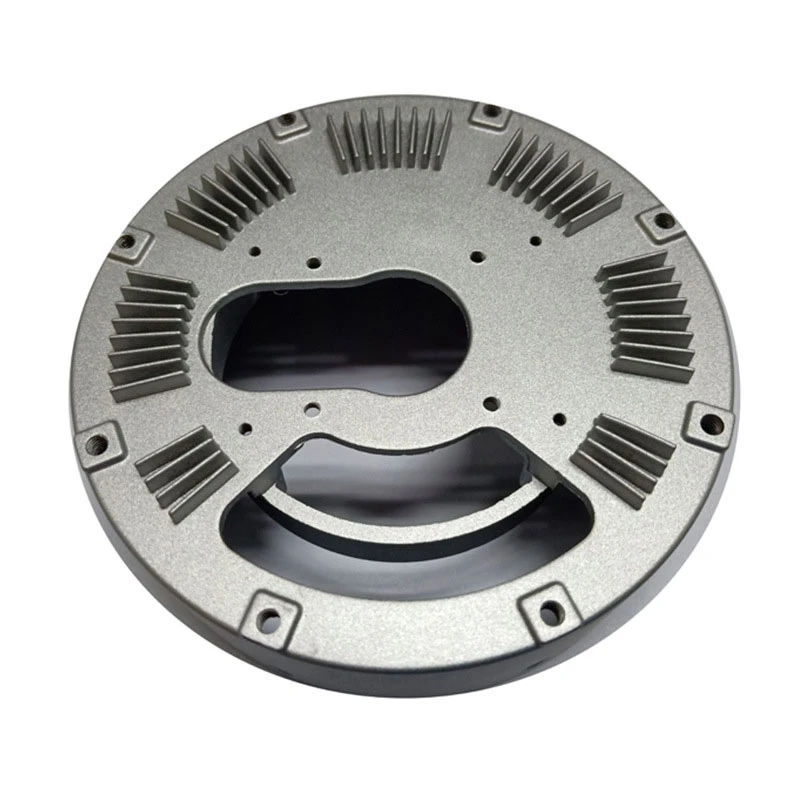
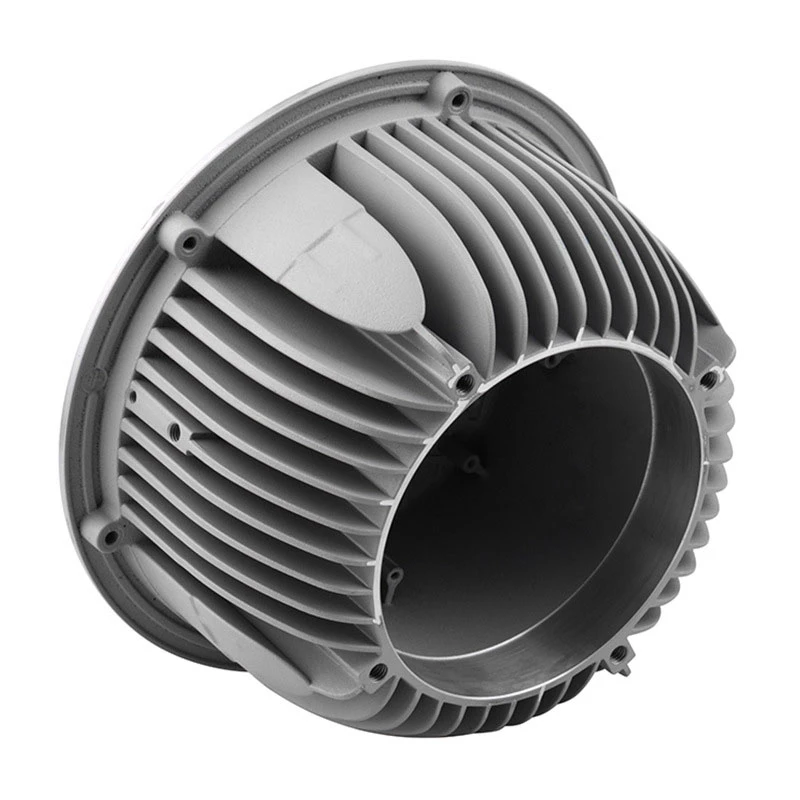
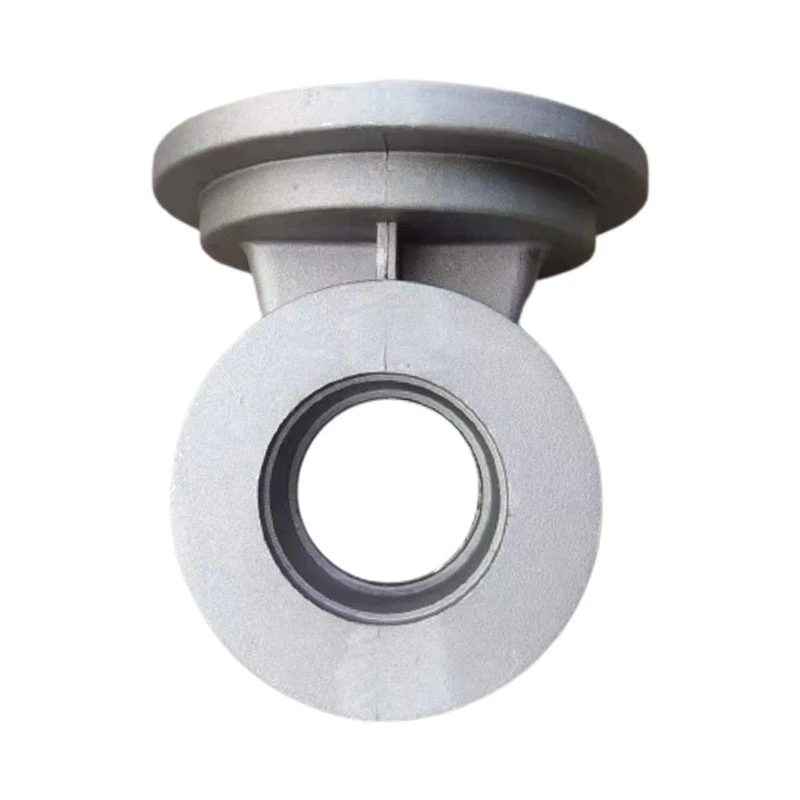
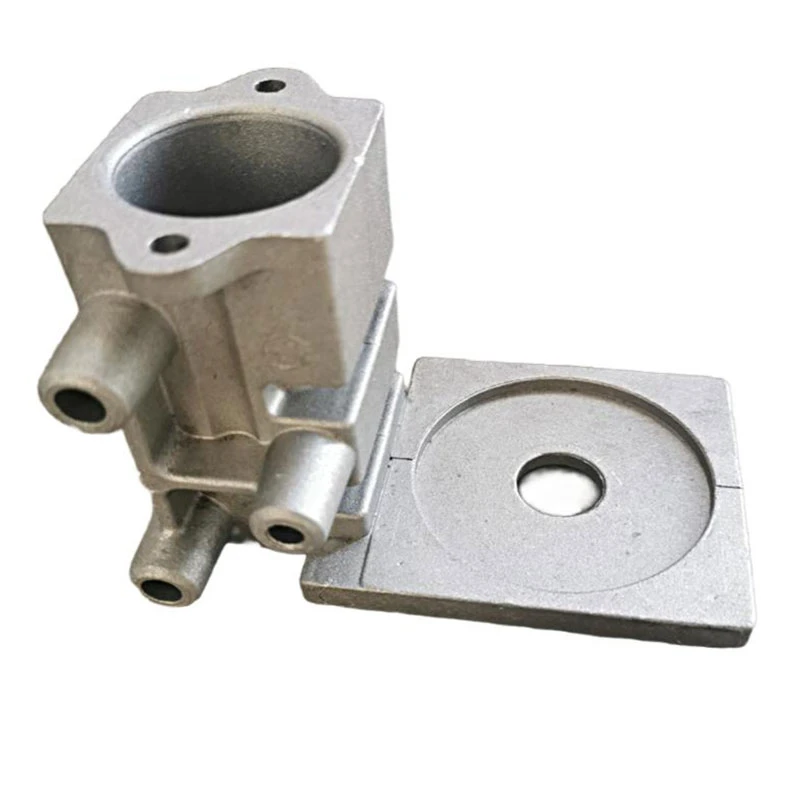
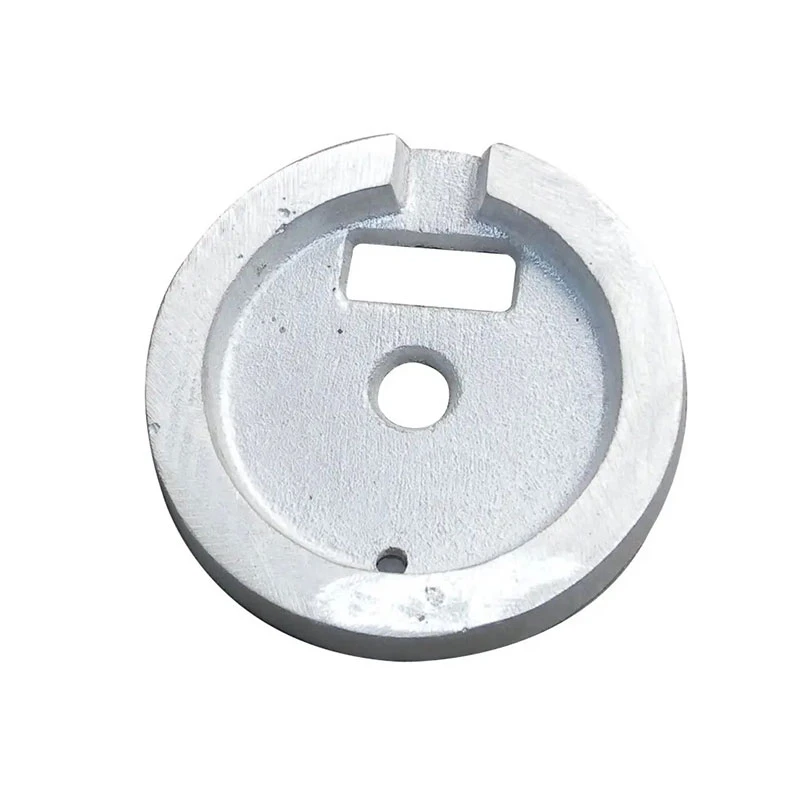
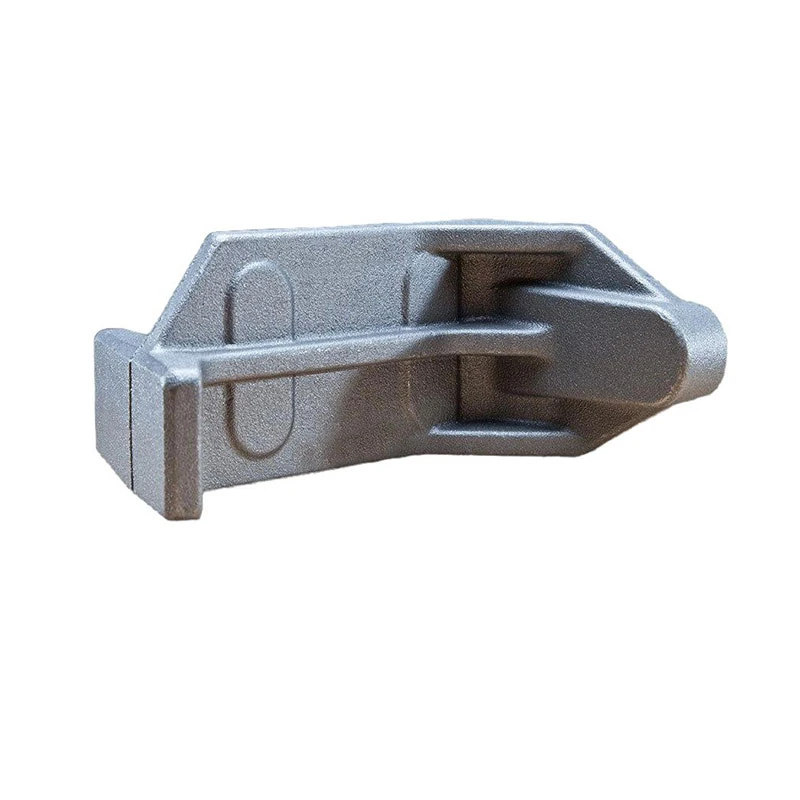
Having spent quite a few years working around industrial equipment and components, I’ve come to appreciate how certain materials quietly earn their place in the market – and ADC10 aluminum is one such material. For those not yet acquainted, ADC10 is a die-cast aluminum alloy that balances strength, corrosion resistance, and good fluidity during casting, making it a rather versatile choice in various manufacturing scenarios.
Now, I wouldn’t call myself a metallurgist, but over the years I’ve noticed firsthand how ADC10 tends to show up in everything from automotive components to small machinery housings. What’s really interesting, frankly, is how it maintains decent mechanical properties while being relatively affordable compared to other aluminum alloys.
In real terms, the appeal lies in its composition. ADC10 typically contains about 10% silicon, along with copper and iron as minors. This composition helps with wear resistance without sacrificing ductility too much. Many engineers like its casting characteristics because it fills molds smoothly, reducing issues like porosity. Oddly enough, that fluidity has saved project timelines more than once if we encountered complex geometries.
| Property | Typical Value | Units |
|---|---|---|
| Silicon (Si) | 9.8 - 11.5 | % |
| Copper (Cu) | 1.8 - 3.6 | % |
| Tensile Strength (UTS) | 220 - 280 | MPa |
| Elongation | 3 - 10 | % |
| Density | 2.7 | g/cm³ |
| Melting Range | 575 - 635 | °C |
One thing I’ve seen play out repeatedly is ADC10's ability to be customized depending on supplier processes. Since die casting involves rapid cooling, small tweaks in mold design or alloy composition can influence subtle traits like surface finish or internal microstructure. In one case, a client manufacturing pump housings needed tighter dimensional control, and switching vendors led to marked improvements. It’s a reminder that sourcing ADC10 aluminum isn’t just a specs game – experience and process expertise matter.
Speaking of vendors, I compiled a quick comparison based on lead times, pricing, and quality consistency – the three factors that tend to make or break a sourcing decision in industrial projects:
| Supplier | Typical Lead Time | Price Range (USD/kg) | Quality Consistency |
|---|---|---|---|
| Supplier A | 2-3 weeks | $2.5 - $3.0 | High |
| Supplier B | 1-2 weeks | $2.8 - $3.2 | Medium |
| Supplier C | 3-4 weeks | $2.3 - $2.7 | High |
All this said, choosing the right ADC10 source is, in my opinion, a balance between needs. Faster lead times might help a rushed project, but sometimes you trade a bit of quality or pay a premium. It’s always worth asking for test coupons or small pilot runs before scaling up.
One story comes to mind: A medium-sized machine shop needed a batch of die-cast housings that met strict vibration resistance. Their initial supplier struggled with consistent densification of the alloy. After switching to a vendor with more sophisticated process controls on ADC10, the same parts performed better in field tests — and that saved them significant time and warranty headaches. You know, success stories like this highlight why material choice and supplier know-how together really matters.
All in all, if you’re working on parts requiring good mechanical strength, corrosion resistance, and economical production methods, ADC10 aluminum is worth a look. Like most alloys, it’s not a one-size-fits-all, but understanding its characteristics can give you an edge in design and sourcing.
In the end, materials like ADC10 remind me how engineering is a bit of art and science – the art of knowing what trade-offs to accept, and the science of measuring and testing to back those choices up.
Stay curious and sensible about your materials, and they won’t let you down.
References:
1. Aluminium Standards and Guidelines, International Aluminium Association
2. ASM Handbook, Volume 2: Properties and Selection of Aluminum Alloys
3. Die Casting Engineering Handbook, E. M. Schmidt
-
Comprehensive Guide to Automotive Die Casting for Enhanced Vehicle PerformanceNewsJan.27,2026
-
Comprehensive Guide to Aluminum Pressure Die Casting Manufacturing ProcessesNewsJan.27,2026
-
Hot Chamber Die Casting vs Cold Chamber Die Casting ExplainedNewsJan.06,2026
-
Hot Chamber And Cold Chamber Die Casting Solutions for Industrial Applications | Hairun SourcingNewsJan.06,2026
-
Hot and Cold Chamber Die Casting: Key Insights from Industry ExpertsNewsJan.06,2026
-
Comprehensive Guide on Graphite Die Casting for B2B Manufacturing | HairunSourcingNewsJan.05,2026