


Understanding Precision Casting vs Investment Casting: Key Differences and Industrial Impact
Precision Casting vs Investment Casting: What’s the Real Difference?
When you dive into the world of metal forming, precision casting and investment casting often appear side by side, sometimes like they are the same thing – but honestly, there's a subtle distinction. Globally, these methods shape countless parts, from aerospace turbine blades to delicate medical implants, which tells you how vital it is to grasp their differences. Understanding precision casting vs investment casting isn't just technical nitpicking; it directly impacts product quality, cost, and sustainability. And with industries pushing harder for precision and eco-friendliness, knowing the nuances helps manufacturers stay ahead.
Global Context: Why This Matters More Than Ever
According to the International Organization for Standardization (ISO), metal casting industries contribute significantly to global manufacturing outputs, valued in the hundreds of billions annually. But it’s not just numbers – the demand for lightweight, durable, and complex shapes is surging, particularly in regions like Asia-Pacific and North America. Investment casting, often considered a subset of precision casting, addresses challenges manufacturers face such as tight tolerances and intricate geometries that traditional methods can’t handle efficiently.
Yet, challenges remain: the environmental footprint of metalcasting, material waste, and energy consumption are pressing concerns that organizations like the United Nations Industrial Development Organization (UNIDO) highlight. So, practitioners increasingly ask: how can precision and investment casting evolve to meet these sustainability standards without sacrificing quality or cost effectiveness?
Mini takeaway:
In a nutshell, precision and investment casting are crucial for modern manufacturing worldwide, but their evolution is tied tightly to environmental and economic realities.
What Exactly Do Precision Casting and Investment Casting Mean?
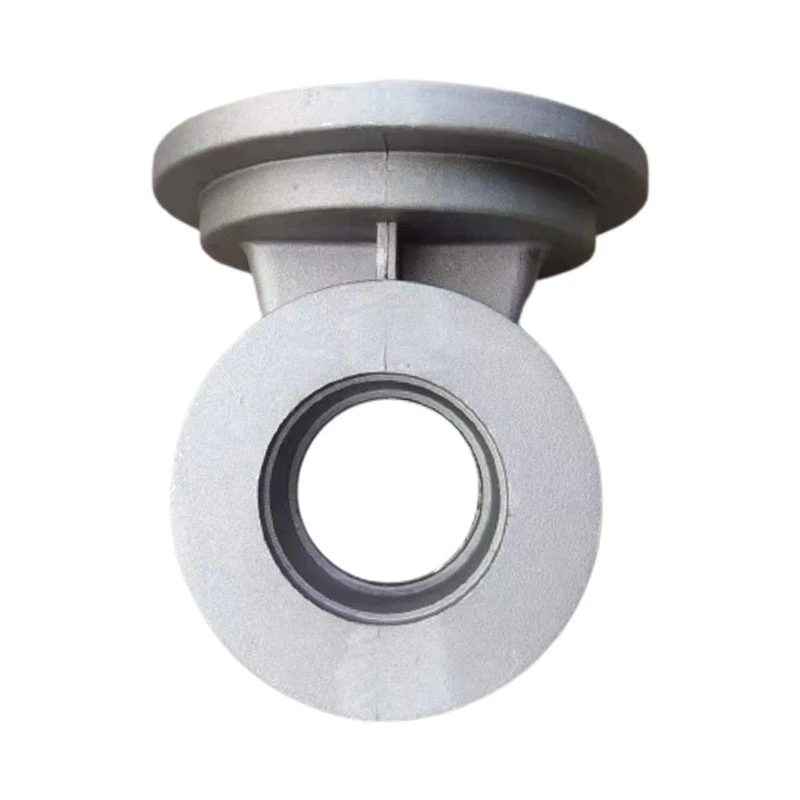
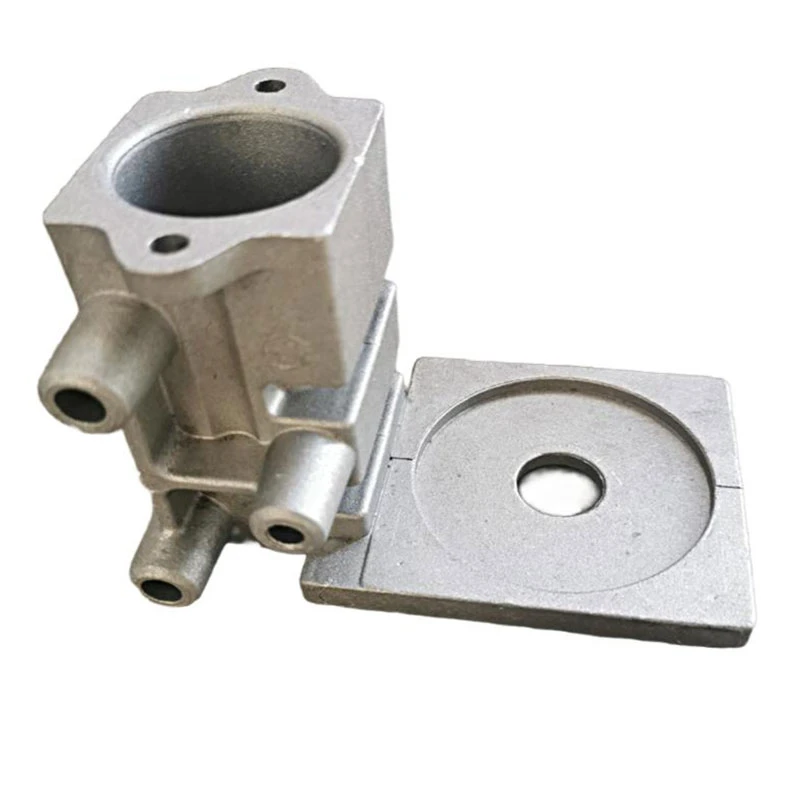
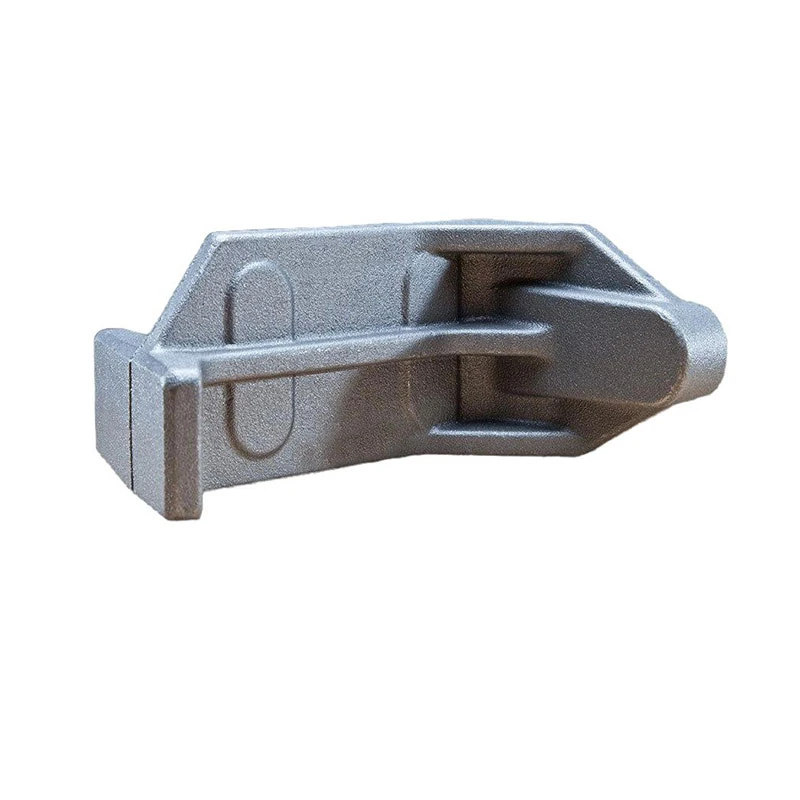
Precision casting broadly refers to any casting process that produces very accurate and repeatable metal parts with minimal machining after casting. Investment casting, historically called lost-wax casting, is a popular precision casting technique where a wax model is coated with ceramic to make a mold, then melted away to leave a cavity for molten metal.
While investment casting is often treated as synonymous with precision casting, the latter term includes other methods like centrifugal and vacuum casting as well. Both share the goal of fine detail and excellent surface finish, making them ideal for critical parts in aerospace, automotive, and even humanitarian applications — like building reliable, precise components for water pumps and medical devices in developing countries.
Mini takeaway:
Investment casting is a type of precision casting; both focus on accuracy but cover slightly different scopes of metal forming methods.
Key Factors in Precision Casting vs Investment Casting
1. Accuracy and Detail
Both methods excel at producing complex geometries. Investment casting is famed for replicating intricate patterns down to fractions of millimeters, thanks to its fine ceramic molds. Precision casting covers this but can also include methods tuned for specific parts.
2. Material Compatibility
Investment casting typically handles high-temperature alloys — think stainless steel, aluminum, Inconel – which is crucial in aircraft engines and medical implants. Precision casting might be broader, accommodating various alloys depending on the process.
3. Production Volume and Scalability
Investment casting setups are often cost-effective for medium runs but getting very high volume means other precision casting methods might be preferred for efficiency.
4. Cost Efficiency
Investment casting can be pricey upfront with wax molds and ceramic coating but saves money downstream on machining. Precision casting's cost varies, balancing tooling, labor, and scrap.
5. Surface Finish and Post-processing
The smooth surfaces investment casting yields often reduce or eliminate grinding, while other precision casting techniques might need more finishing work.
6. Environmental Impact
Both methods generate some waste, especially ceramic shell remnants or wax, but innovations in recycling and mold materials are helping mitigate their footprint.
Mini takeaway:
Examining these key factors helps choose the right method for specific applications—when every micrometer and dollar counts.
Global Applications & Use Cases
Globally, precision and investment casting shine in sectors demanding precision and durability:
- Aerospace: Jet engine components where tolerances and heat resistance are critical.
- Medical Devices: Orthopedic implants and surgical instruments crafted with biocompatible metals.
- Automotive: Turbochargers, valves, and gears benefit from fine detailing and performance requirements.
- Energy Sector: Turbine blades and offshore hardware endure harsh environments thanks to precision casting’s reliability.
For example, in post-disaster infrastructure rebuilds, manufacturers rely on investment casting to quickly produce accurate replacement parts for water pumps and generators — vital for restoring services. In remote industrial zones of Southeast Asia, precision casting methods enable local facilities to tailor components without shipping expensive, bulky parts.
Mini takeaway:
These casting technologies support everything from high-tech flights to humanitarian relief, underpinning industries worldwide.
Advantages & Long-Term Value of Precision Casting vs Investment Casting
Choosing investment or precision casting means buying into long-term benefits beyond the obvious:
- Cost Savings: Reduced machining needs lower production time and expenses.
- Design Freedom: Complex shapes without sacrificing strength.
- Material Efficiency: Less waste compared to conventional methods.
- Sustainability: Emerging eco-friendly binders and recycling cut ecological impact.
- Social Impact: Accurate parts ensure safety in critical applications, building trust.
Emotionally, engineers say knowing their parts are made with care and precision provides confidence—regardless of the mission, be it flight or healthcare. It’s innovation meeting dignity, safety, and reliability.
Common Features of a Typical Precision & Investment Casting Product
| Specification | Investment Casting | Other Precision Casting |
|---|---|---|
| Typical Tolerance | ±0.1 mm | ±0.15 mm |
| Materials | Stainless steel, aluminum, Inconel | Various alloys depending on method |
| Surface Finish | Ra 0.8–1.6 μm | Varies, often requires finishing |
| Batch Size | Medium runs (100–10,000 parts) | Small to large runs |
| Typical Lead Time | 4–8 weeks | Varies considerably |
Comparing Global Vendors of Casting Solutions
| Vendor | Specialty | Typical Markets | Lead Time | Eco Initiatives |
|---|---|---|---|---|
| CastMaster Inc. | Investment casting with robotics | Aerospace, Medical | 6 weeks avg. | Recycling wax; ceramic shell renewal |
| Precision Alloys Ltd. | Vacuum precision casting | Energy, Automotive | 4–7 weeks | Low-energy furnaces; scrap reuse |
| EcoMetals Factory | Investment casting with green binders | Consumer electronics, Medical | 5–8 weeks | Biodegradable wax; water-based ceramic |
Future Trends & Innovations
So, what’s next for precision casting vs investment casting? Frankly, things are heating up—quite literally. The push toward using additive manufacturing to create wax or ceramic molds digitally is revolutionizing speed and complexity. Green innovations, such as biodegradable ceramic binders and waxes, help reduce environmental impacts. Automation and robotics (as some vendors in the comparison table embrace) improve repeatability and cut lead times.
Tying into broader sustainability goals, many see the future as one where digital design platforms, AI-driven process monitoring, and circular material flows converge to make precision casting the go-to for efficient, responsible manufacturing worldwide.
Common Challenges & How To Get Around Them
That said, it’s not all smooth sailing. High costs of setup, scrap waste, and the technical skill needed to get consistent results can hamper adoption. But operators are tackling these by adopting lean manufacturing principles, investing in skilled training, and applying new eco-materials to reduce waste.
One expert I chatted with recently pointed out the growing role of simulation software to predict melt flow and solidification, preventing defects before the first pour. I'd say, those who master these can turn challenges into competitive advantages.
FAQ: Frequently Asked Questions About Precision Casting vs Investment Casting
Q1: Is investment casting the same as precision casting?
A1: Investment casting is a form of precision casting focused on lost-wax techniques using ceramic shells for molds. Precision casting is a broader category that includes investment casting among other high-accuracy metal casting methods.
Q2: What materials are best suited for investment casting?
A2: Investment casting supports a wide range of metals including stainless steel, aluminum alloys, titanium, and superalloys like Inconel — especially where precision and heat resistance are important.
Q3: How scalable is precision casting for mass production?
A3: While precision casting offers excellent detail, its scalability varies by method. Investment casting suits medium-scale runs, whereas other precision casting techniques or combinations may be better for very high volumes.
Q4: Are there eco-friendly options available in investment casting?
A4: Yes. Emerging eco-friendly waxes and ceramic binders reduce harmful emissions and waste. Some companies also recycle ceramic shells and reusable wax patterns to lower the environmental footprint.
Wrapping Up: Why Precision Casting vs Investment Casting Matters for the Future
Ultimately, whether you call it precision or investment casting, these metal forming processes are essential cogs in the machinery of global manufacturing. Their ability to deliver precise, durable, and complex parts while navigating cost, environmental, and scalability challenges makes them powerful allies for industries across the globe.
Curious to dive deeper or see how these techniques can transform your production line? Don’t hesitate — visit our website at https://www.hairunsourcing.com to explore more insights and cutting-edge products.
Brief takeaway:
Precision casting versus investment casting is less a rivalry and more a nuanced partnership shaping the future of manufacturing — with quality, sustainability, and innovation at its core.
References:
-
Comprehensive Guide to Automotive Die Casting for Enhanced Vehicle PerformanceNewsJan.27,2026
-
Comprehensive Guide to Aluminum Pressure Die Casting Manufacturing ProcessesNewsJan.27,2026
-
Hot Chamber Die Casting vs Cold Chamber Die Casting ExplainedNewsJan.06,2026
-
Hot Chamber And Cold Chamber Die Casting Solutions for Industrial Applications | Hairun SourcingNewsJan.06,2026
-
Hot and Cold Chamber Die Casting: Key Insights from Industry ExpertsNewsJan.06,2026
-
Comprehensive Guide on Graphite Die Casting for B2B Manufacturing | HairunSourcingNewsJan.05,2026