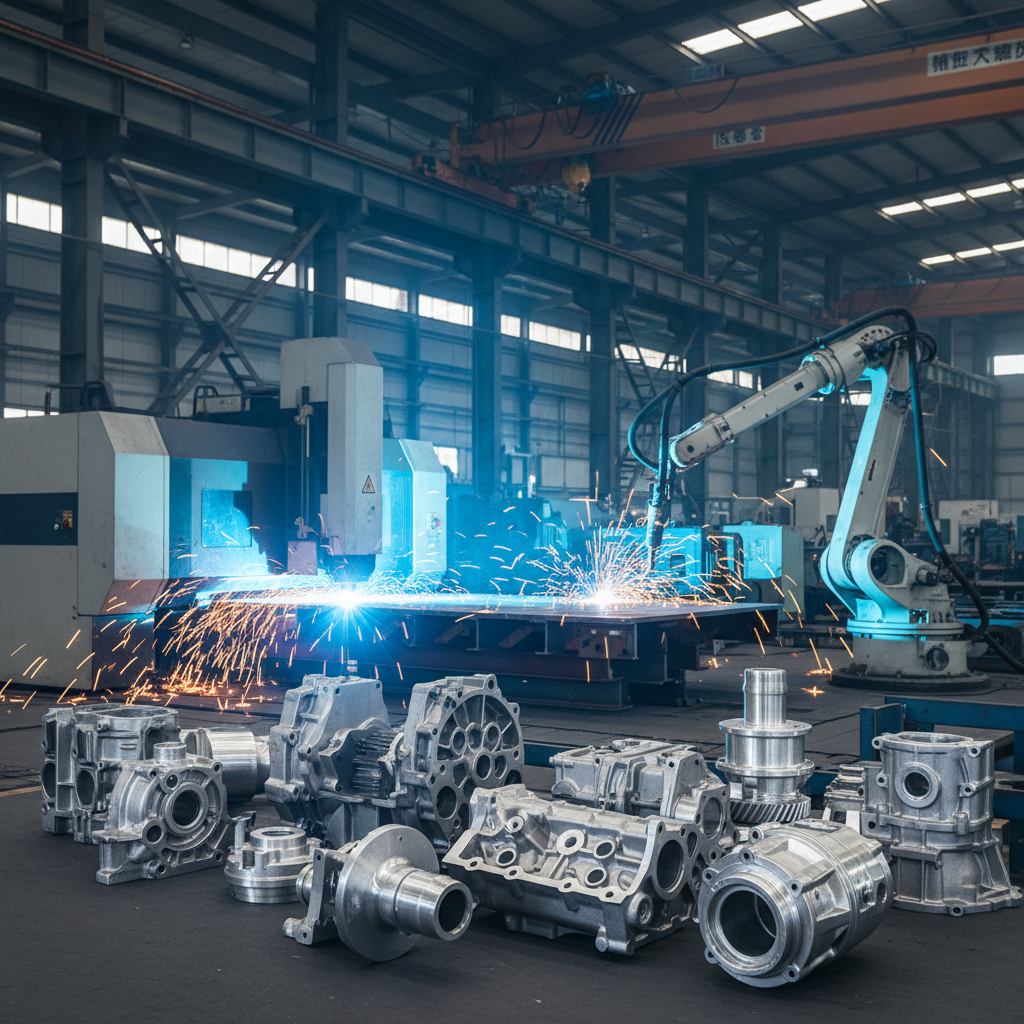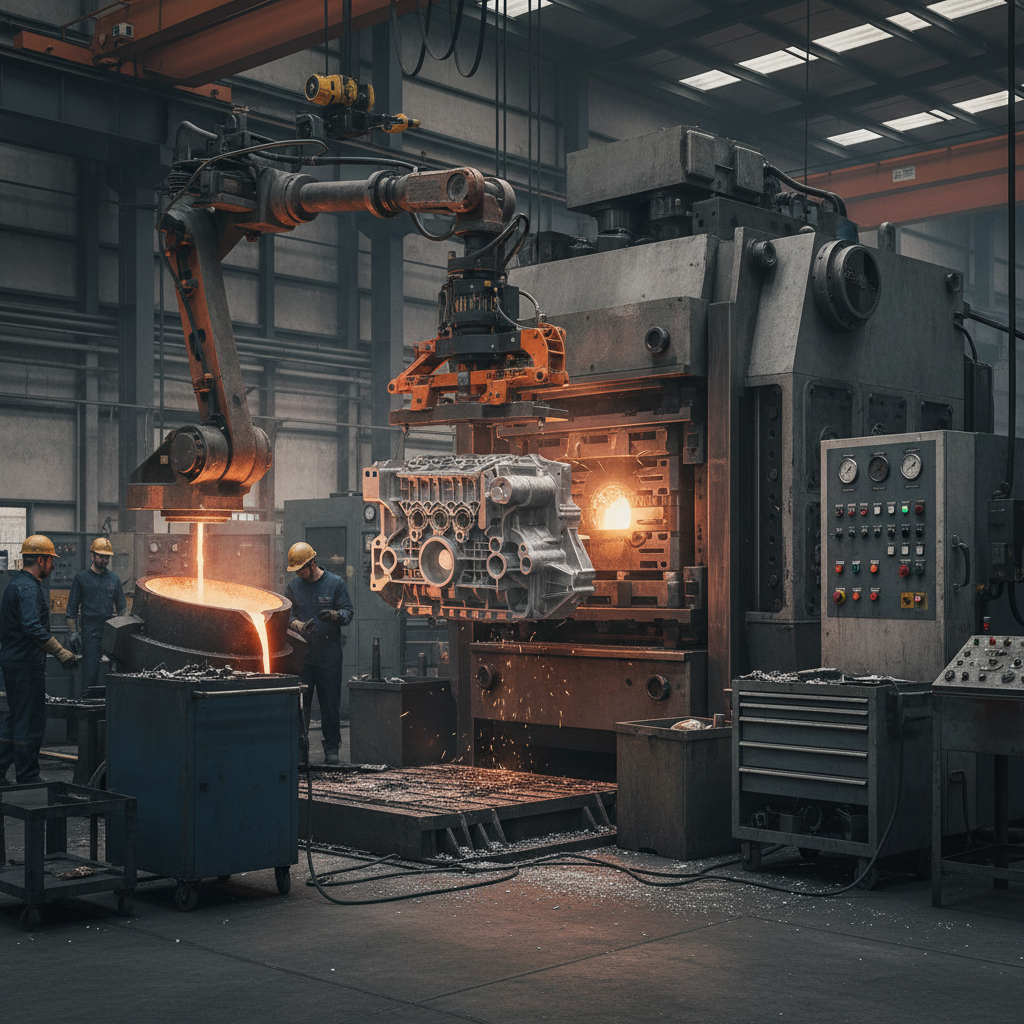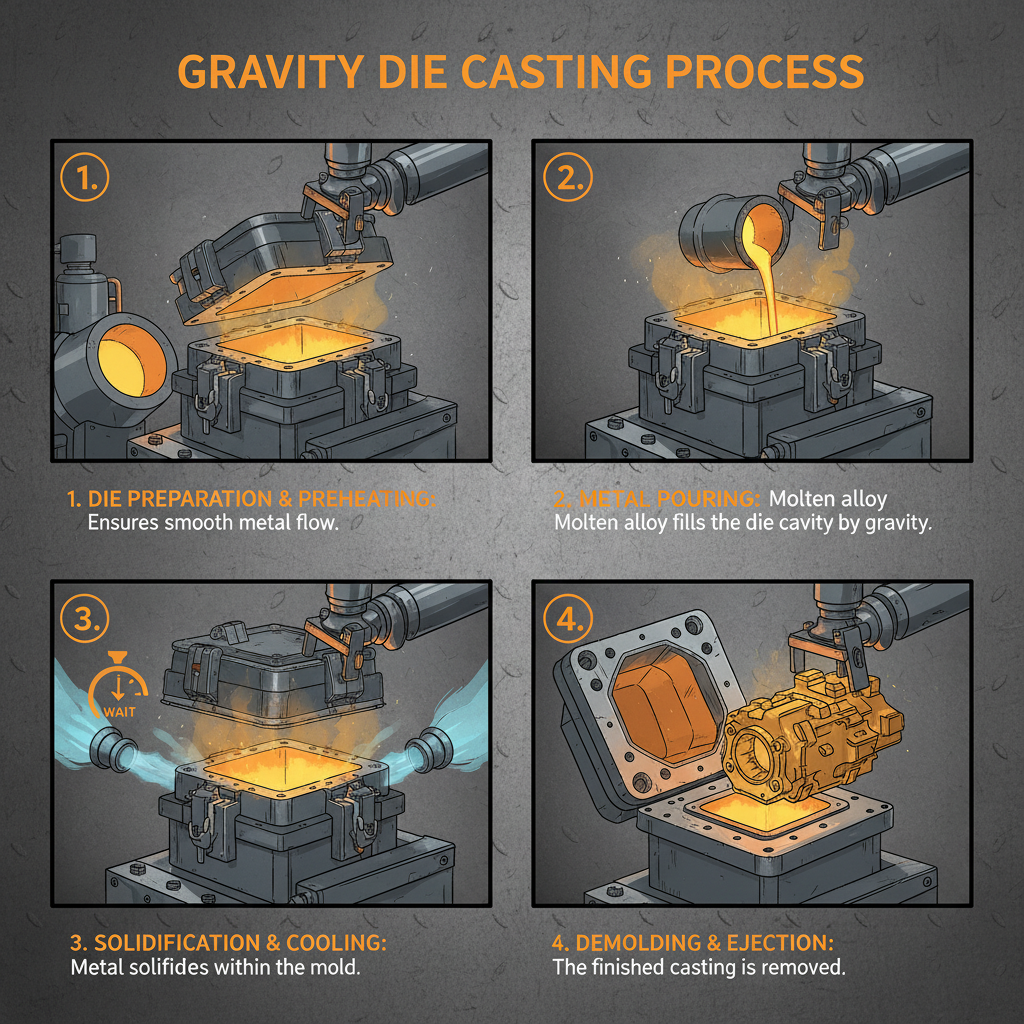



When sourcing critical engine or chassis components, engineers often face a trade-off between the geometric complexity of the part and the structural integrity of the material. For high-stress automotive applications, finding a reliable auto parts carbon steel investment precision casting manufacturer is not just about procurement, but about ensuring the long-term safety and efficiency of the vehicle system. Carbon steel, when processed through precision investment casting, offers a unique combination of tensile strength and dimensional accuracy that traditional sand casting cannot match.
The importance of this manufacturing route becomes evident when considering the tight tolerances required for modern automotive assemblies. Unlike standard casting, precision investment casting minimizes the need for extensive secondary machining, reducing material waste and latent stress points within the metal. This process is particularly vital for components that must withstand extreme thermal cycling and mechanical vibration, where any internal void or surface irregularity could lead to premature fatigue failure.
Understanding the intersection of material science and casting technology allows buyers to optimize their supply chain for both performance and cost. By evaluating the specific capabilities of an auto parts carbon steel investment precision casting manufacturer, companies can transition from generic parts to engineered solutions. This guide analyzes the technical parameters, value drivers, and selection criteria essential for acquiring high-performance carbon steel precision castings.


Investment casting, often referred to as "lost-wax" casting, is a sophisticated process where a wax pattern is coated with a ceramic shell to create a high-precision mold. For carbon steel auto parts, this method allows for the production of complex geometries with thin walls and intricate internal channels that would be impossible to achieve via traditional forging or sand casting. The molten steel is poured into the preheated ceramic shell, ensuring a smooth flow and reducing the likelihood of shrinkage cavities.
The precision is derived from the stability of the wax pattern and the uniformity of the ceramic slurry. By controlling the cooling rate and the chemical composition of the carbon steel, manufacturers can tailor the mechanical properties of the final part. This ensures that the component meets the specific hardness and tensile strength requirements of the automotive industry, while maintaining a surface finish that significantly reduces friction and wear in moving assemblies.
Material purity is the first line of defense against component failure. In carbon steel precision casting, the control of carbon content and the elimination of impurities like sulfur and phosphorus are critical. These elements can create brittle phases in the metal, leading to stress-corrosion cracking in parts exposed to road salts and harsh environments. Ensuring a homogeneous grain structure through controlled thermal processing is essential for maintaining impact resistance.
Dimensional stability in precision casting is achieved through a rigorous mold-shrinkage compensation strategy. Because carbon steel contracts significantly during solidification, a professional manufacturer must calculate the exact volumetric shrinkage of the specific alloy to ensure the final part aligns perfectly with the original CAD design without requiring excessive post-process machining.
Surface integrity also plays a pivotal role in automotive longevity. The use of high-grade ceramic shells prevents metal-mold reactions, ensuring the casting has a low Ra value. This smoothness is not merely aesthetic; it reduces the initiation points for fatigue cracks and allows for more effective application of anti-corrosion coatings, such as zinc plating or specialized baking paints, as mentioned in the technical capabilities of high-end production lines.
The primary value of utilizing precision casting for auto parts lies in the dramatic reduction of the Total Cost of Ownership (TCO). By producing parts that are nearly "net-shape," the volume of wasted raw material is minimized, and the labor hours associated with CNC milling and grinding are significantly lowered. This efficiency allows for faster prototype-to-production cycles, enabling automotive OEMs to iterate designs more rapidly.
Precision-cast carbon steel components deliver superior reliability by eliminating the internal stresses often found in welded assemblies. A single-piece cast component distributes mechanical loads more evenly across its geometry, which is critical for safety-critical parts like pump housings or bracketry that must operate under constant high-pressure conditions.
Furthermore, the ability to integrate multiple functions into a single cast part simplifies the final assembly process. Instead of assembling several stamped or machined pieces, a single precision casting can incorporate ports, flanges, and mounting points. This reduction in part count not only lowers the risk of assembly error but also eliminates potential leak paths in fluid-handling components, enhancing the overall system durability.
When comparing investment casting to other common methods like sand casting or die casting, the differences in precision and material suitability become clear. Carbon steel is generally too high-melting for traditional aluminum die casting, making investment casting the gold standard for high-strength steel parts that require complex shapes. Sand casting, while cost-effective for large volumes, cannot achieve the surface finish or tolerance levels required for precision automotive valves or pump bodies.
The following data represents a relative comparison of key performance indicators. These metrics highlight why precision casting is preferred for components where the cost of failure is high and the requirement for dimensional accuracy is stringent. While initial mold costs are higher than sand casting, the reduction in secondary machining and the increase in part lifespan provide a stronger long-term ROI.
Precision-cast carbon steel is extensively used in the production of pump bodies and housings, where internal fluid dynamics require smooth internal walls to prevent turbulence and cavitation. For example, fire pump bodies or hydraulic housings benefit from the ability to cast complex internal galleries that optimize flow and reduce energy loss, all while maintaining the strength to withstand high internal pressures.
Beyond pumps, these castings are vital for chassis components, engine brackets, and transmission housings. In these roles, the parts must provide rigid support and vibration damping. The use of carbon steel ensures that the components do not deform under peak loads, while the precision of the casting ensures that mating surfaces are perfectly flat, reducing the need for gaskets and minimizing the risk of leaks in oil or coolant systems.
The industry is moving toward a more integrated approach where casting is combined with advanced surface treatments and digital twin modeling. By simulating the pour and solidification process using software, manufacturers can predict potential hotspots and shrinkage areas before the first mold is even made. This reduces the trial-and-error phase and ensures a higher first-pass yield.
Another significant trend is the integration of multi-material sourcing. Companies are now offering end-to-end support, from initial supplier assessment to final customs clearance, ensuring that the precision casting is part of a seamless international supply chain. This allows automotive manufacturers to source highly specialized carbon steel parts from China while maintaining strict adherence to international quality standards like X-ray and Ultrasonic testing.
Finally, there is a growing emphasis on "smart" surface treatments. Moving beyond simple painting, the use of cathode electrophoresis and specialized anti-corrosion coatings ensures that carbon steel parts can survive in the most aggressive environments. This evolution transforms the cast part from a simple structural component into a durable, engineered assembly capable of lasting the entire lifecycle of the vehicle.
Despite its advantages, carbon steel casting is not without challenges. Porosity—the presence of small gas bubbles within the metal—is a common issue that can compromise the structural integrity of a part. To mitigate this, advanced manufacturers use vacuum melting and precise degassing techniques to ensure the molten steel is free of entrapped air before it enters the ceramic mold.
Another challenge is the risk of "cold shuts," where two streams of molten metal meet but fail to fuse completely. This is typically solved by optimizing the gating system and preheating the molds to a specific temperature, ensuring the steel remains liquid long enough to fill every intricate detail of the wax pattern's replacement.
Ultimately, the success of a precision casting project depends on the synergy between the design and the manufacturing process. By implementing strict quality control reports—including chemical analysis, tensile strength tests, and hardness measurements—manufacturers can guarantee that every part delivered meets the stringent safety requirements of the global automotive market.
| Inspection Method | Primary Goal | Detection Capability | Application Use |
|---|---|---|---|
| X-Ray Test | Internal Voids | Sub-surface Porosity | Safety Critical Parts |
| Ultrasonic Test | Structural Integrity | Internal Cracks | Heavy Duty Housings |
| Magnetic Particle | Surface Defects | Micro-cracks | High-stress Brackets |
| Chemical Analysis | Alloy Composition | Material Purity | All Cast Components |
| Tensile Testing | Mechanical Strength | Yield/Break Point | Structural Validation |
| Dimension Report | Tolerance Check | Geometric Accuracy | Assembly Fitment |
The primary advantage is the ability to achieve much tighter dimensional tolerances and a superior surface finish. Investment casting uses a ceramic mold created from a wax pattern, which allows for complex geometries and thin walls that sand casting cannot reproduce. This results in parts that require significantly less secondary machining and offer better performance in high-precision automotive assemblies.
Yes, carbon steel is specifically chosen for its high tensile strength and durability. When produced via precision casting and subjected to proper heat treatment, these parts can withstand significant internal pressures, making them ideal for pump bodies, valve housings, and hydraulic components where structural failure is not an option.
Purity is ensured through strict raw material selection and comprehensive material reports. We provide detailed chemical content analysis to verify the levels of carbon, manganese, and other alloying elements, while ensuring that harmful impurities like phosphorus and sulfur are kept within strict industry limits to prevent brittleness.
A wide range of treatments are available depending on the application, including milling, grinding, baking paint, and plastic spraying. For parts requiring high corrosion resistance, cathode electrophoresis and specialized anti-corrosion coatings are applied to ensure the steel does not rust when exposed to harsh road environments.
Buyers should request a comprehensive inspection package including a Dimension Report for fitment, a Material Report for chemical and tensile properties, and non-destructive testing (NDT) reports such as X-ray or Ultrasonic tests to ensure there are no internal defects or porosities.
While the initial tooling and wax pattern costs are higher than sand casting, it is highly cost-effective for high-volume production due to the reduction in secondary machining costs and material waste. The improved part longevity and reduced assembly time further enhance the overall ROI for the manufacturer.
The selection of an auto parts carbon steel investment precision casting manufacturer is a critical decision that impacts both the performance and the production cost of automotive systems. By leveraging the "lost-wax" process, manufacturers can produce complex, high-strength components that eliminate the weaknesses of multi-part assemblies. When paired with rigorous NDT testing and advanced surface treatments, precision casting provides a scalable solution for the most demanding mechanical environments in the transport industry.
For companies seeking to optimize their component sourcing with a partner capable of delivering end-to-end support—from design and trial production to international logistics—exploring specialized casting capabilities is the first step. Whether you require custom pump housings or high-stress chassis parts, you can find professional guidance and technical support at https://www.hairunsourcing.com to ensure your project meets every engineering specification.