Automotive die casting suppliers play a critical role in the global automotive industry, providing essential components for vehicle manufacturing. These suppliers specialize in the high-pressure injection of molten metal alloys – typically aluminum, magnesium, and zinc – into steel molds, creating complex shapes with exceptional precision and repeatability. The demand for lightweighting in vehicles, driven by fuel efficiency and emission regulations, has significantly increased the reliance on die-cast components. Therefore, understanding the capabilities and nuances of automotive die casting suppliers is paramount for automakers seeking innovative and cost-effective solutions.
The global automotive market is a multi-trillion dollar industry, and automotive die casting suppliers are integral to its supply chain. According to data from the World Bank, global automobile production exceeded 77 million vehicles in 2022, and a substantial portion of these vehicles utilize die-cast components in areas such as engine blocks, transmission housings, and structural parts. The ISO 9001 certification is widely adopted by these suppliers, demonstrating their commitment to quality management systems. However, current geopolitical instability and supply chain disruptions present significant challenges to these suppliers, impacting production costs and lead times.
Investing in strong relationships with reliable automotive die casting suppliers is no longer merely a sourcing strategy, but a key element of risk mitigation and innovation. Understanding their technological capabilities, capacity, and quality control processes is crucial for maintaining a competitive edge in the rapidly evolving automotive landscape. This detailed insight will allow manufacturers to navigate current challenges and future demands effectively.
Introduction to Automotive Die Casting Suppliers
Automotive die casting suppliers represent a vital link in the automotive production chain, converting raw materials into precision-engineered components. They not only contribute to the functionality and durability of vehicles but also influence overall manufacturing costs and production timelines. Selecting the right automotive die casting suppliers is therefore paramount for automakers striving for efficiency and quality.
The capabilities of these suppliers extend beyond simply manufacturing parts; they often offer design assistance, prototyping services, and material expertise. This collaborative approach ensures that components are optimized for performance, weight, and manufacturability. The increasing complexity of vehicle designs and the demand for innovative materials constantly push the boundaries of what automotive die casting suppliers can achieve.
Defining Automotive Die Casting Suppliers
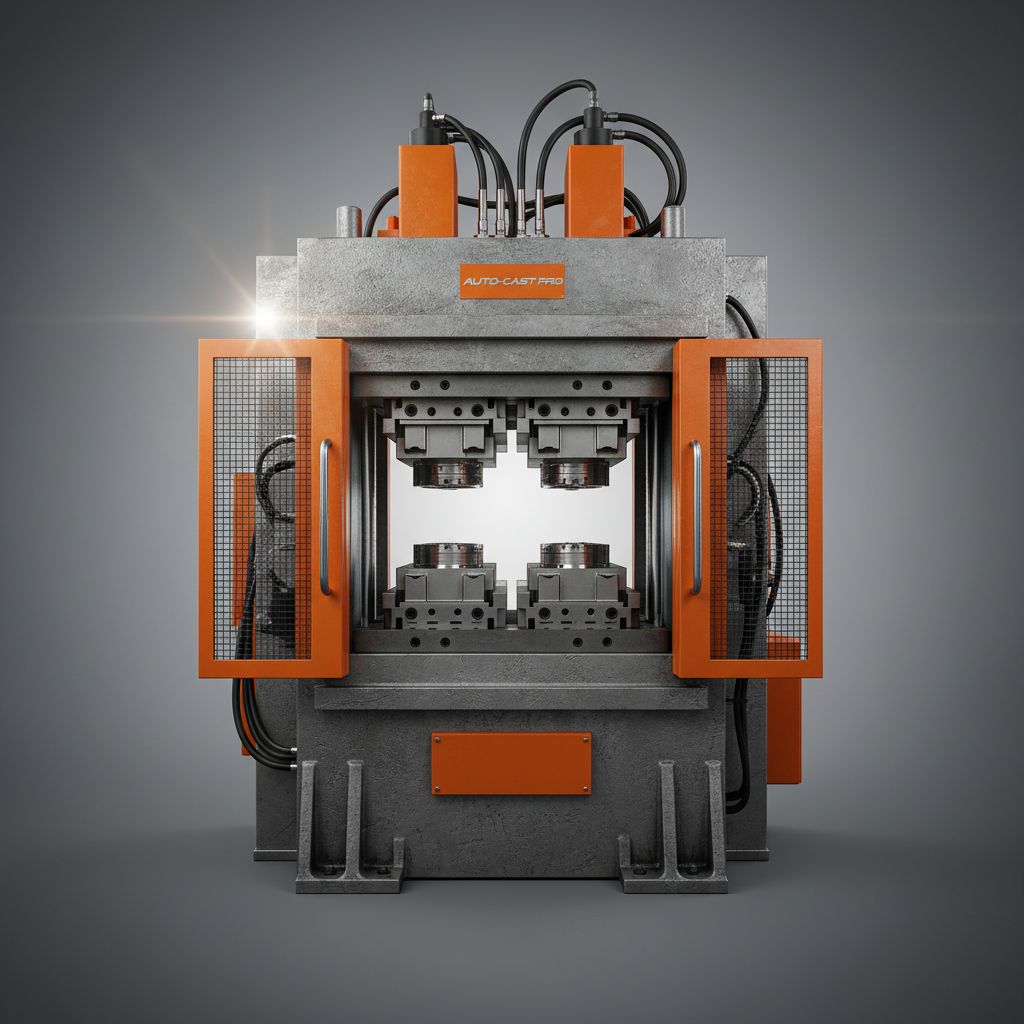
Automotive die casting suppliers are companies specializing in the die casting process—a manufacturing technique where molten metal is forced into a mold cavity under high pressure. This process is particularly well-suited for producing complex, high-volume parts with consistent dimensions and surface finish. Specifically within the automotive context, these suppliers create components for everything from structural elements to intricate engine parts.
The connection to modern industry is direct. The automotive industry’s relentless pursuit of lighter, stronger, and more efficient vehicles relies heavily on the precision and cost-effectiveness of die casting. This process facilitates the mass production of complex geometries that would be difficult or impossible to achieve using other manufacturing methods.
Beyond just automotive applications, the die casting process supports numerous other industries, including aerospace, medical, and electronics. This versatility highlights the foundational role of automotive die casting suppliers in bolstering modern manufacturing capabilities and enabling technological advancements across various sectors.
Core Factors of Automotive Die Casting
Durability is a cornerstone of automotive die casting. The components produced need to withstand harsh operating conditions, including extreme temperatures, vibrations, and corrosive environments. The choice of alloy and the precision of the casting process directly influence the component’s lifespan and reliability. Automotive die casting suppliers must consistently deliver parts that meet stringent automotive standards for longevity.
Cost efficiency is another critical factor. While die casting requires significant upfront investment in tooling, the ability to produce high volumes of parts at a relatively low cost per unit makes it a preferred manufacturing process for automotive applications. Automotive die casting suppliers are constantly seeking ways to optimize their processes and reduce costs without compromising quality.
Precision and dimensional accuracy are paramount. Automotive components require tight tolerances to ensure proper assembly and functionality. Automotive die casting suppliers employ advanced tooling and process control techniques to maintain consistent dimensions and minimize variations between parts. This level of precision is crucial for ensuring vehicle safety and performance.
Global Applications and Use Cases
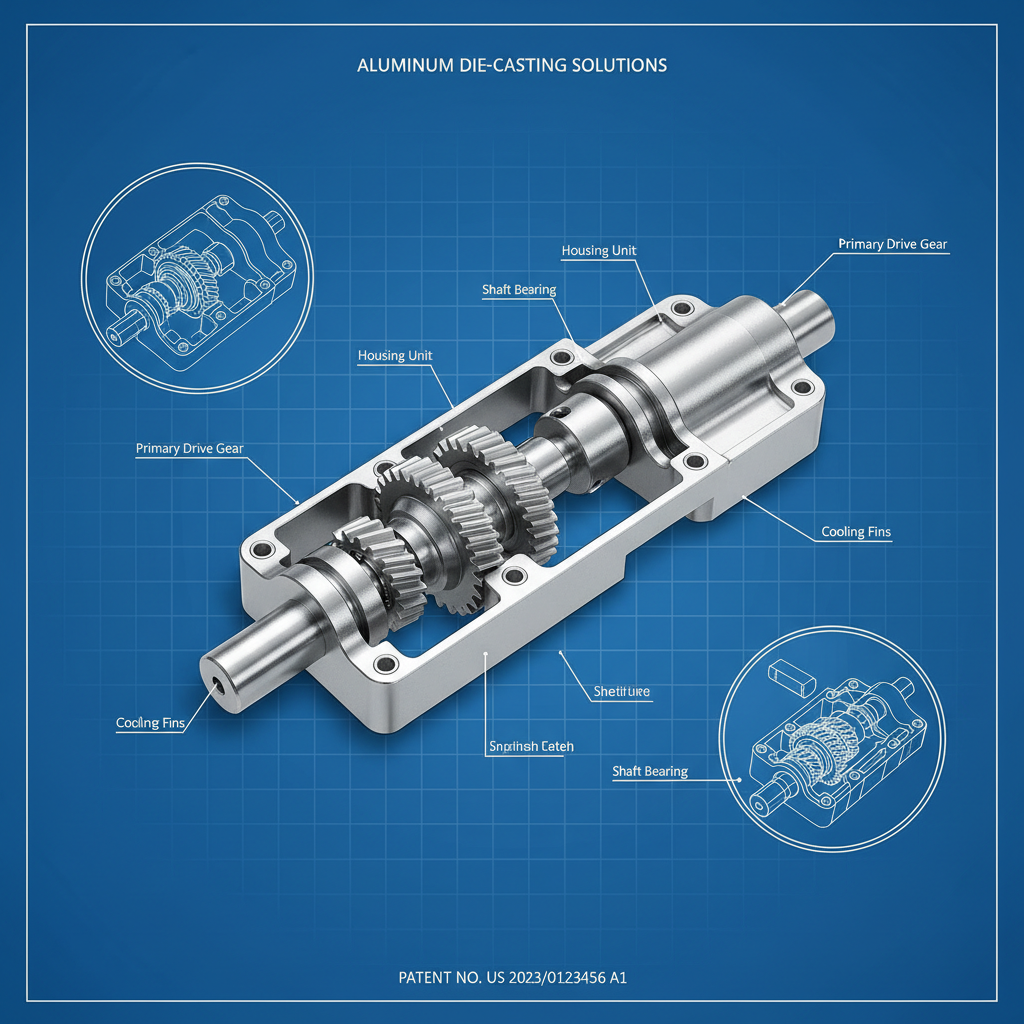
Automotive die casting suppliers contribute to a wide range of applications within vehicle manufacturing. Engine blocks, cylinder heads, transmission housings, and structural components are frequently produced using die casting techniques. These components benefit from the process’s ability to create complex geometries with high strength and durability.
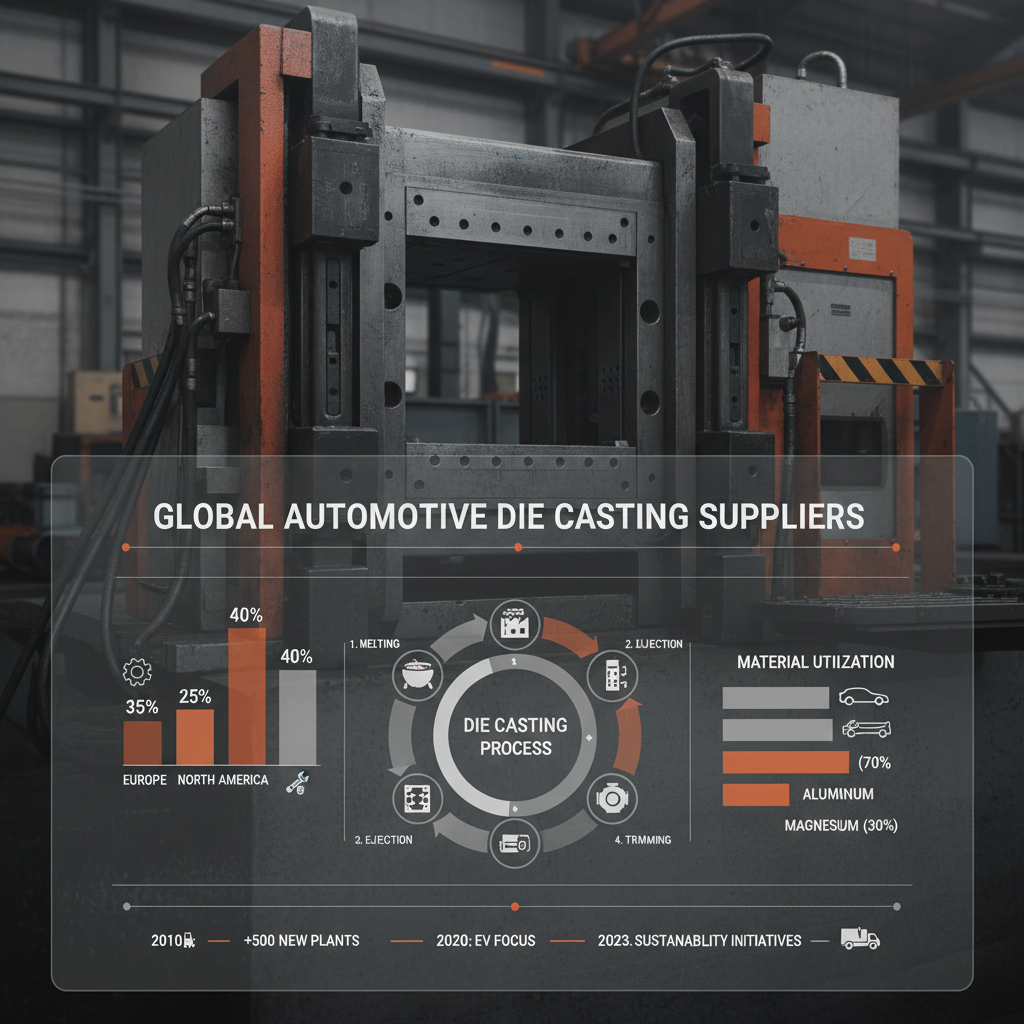
Major automotive manufacturing hubs, such as China, Germany, and the United States, heavily rely on local and international automotive die casting suppliers. China, in particular, has emerged as a dominant force in die casting, boasting a vast network of suppliers capable of handling large-scale production runs.
In the realm of electric vehicles (EVs), automotive die casting is playing an increasingly important role in the production of battery housings, motor components, and thermal management systems. The demand for lightweight and efficient components in EVs is driving innovation within the die casting industry, pushing suppliers to develop new alloys and casting techniques.
Die Casting Method Comparison for Automotive Parts
Advantages and Long-Term Value
The primary advantage of utilizing automotive die casting suppliers lies in the cost-effectiveness achieved through high-volume production. Die casting enables the creation of complex parts with minimal material waste, reducing overall manufacturing costs. Moreover, the process's inherent speed and repeatability contribute to shorter lead times and increased production capacity.
From a long-term sustainability perspective, the use of aluminum and magnesium alloys in die casting promotes lightweighting, which translates to improved fuel efficiency and reduced emissions. Furthermore, these materials are readily recyclable, minimizing environmental impact. Choosing responsible automotive die casting suppliers committed to sustainable practices enhances a company's environmental profile.
Future Trends and Innovations
One prominent trend is the adoption of multi-material die casting, which combines different alloys within a single component to optimize performance and reduce weight. This technology requires advanced tooling and process control, pushing the boundaries of automotive die casting suppliers’ capabilities. automotive die casting suppliers are investing heavily in research and development to refine these techniques.
Another key innovation is the integration of automation and artificial intelligence (AI) into the die casting process. AI-powered systems can monitor and optimize casting parameters in real-time, improving quality, reducing defects, and increasing efficiency. This digital transformation is poised to revolutionize the automotive die casting industry.
Challenges and Solutions
A significant challenge facing automotive die casting suppliers is the increasing complexity of component designs. As vehicles become more sophisticated, the demands on die casting capabilities grow, requiring more intricate tooling and advanced process control.
Addressing this challenge requires investment in new technologies, such as 3D printing for rapid prototyping and simulation software for optimizing casting parameters. Collaborative partnerships between automakers and automotive die casting suppliers are also crucial for developing innovative solutions and ensuring that components meet evolving design requirements.
Furthermore, the fluctuation of raw material prices and potential supply chain disruptions represent ongoing concerns. Implementing robust risk management strategies and diversifying sourcing options can help mitigate these challenges and ensure continuity of supply.
Summary of Automotive Die Casting Supplier Solutions
| Challenge |
Solution Area |
Specific Action |
Expected Outcome |
| Complex Part Designs |
Technological Investment |
Implement 3D printing for prototyping |
Reduced lead times and improved design validation. |
| Material Cost Volatility |
Supply Chain Management |
Diversify material sourcing and establish long-term contracts. |
Stabilized material costs and reduced supply chain risk. |
| Quality Control Issues |
Process Optimization |
Implement AI-powered monitoring systems |
Reduced defect rates and improved product consistency. |
| Production Capacity Constraints |
Capacity Expansion |
Invest in new casting machines and facilities. |
Increased production volume and shorter delivery times. |
| Skilled Labor Shortage |
Workforce Development |
Implement training programs and apprenticeships. |
Increased skilled workforce and improved operational efficiency. |
| Environmental Regulations |
Sustainable Practices |
Implement closed-loop recycling systems and energy-efficient technologies. |
Reduced environmental impact and compliance with regulations. |
FAQS
When selecting an automotive die casting supplier, prioritize certifications such as IATF 16949, which demonstrates adherence to automotive industry quality management systems. ISO 9001 is also essential, indicating a commitment to general quality standards. Look for suppliers with certifications related to environmental management (ISO 14001) and occupational health and safety (ISO 45001) to ensure responsible and ethical practices.
Tooling development time for a new die casting component can vary significantly depending on the complexity of the part, the size of the die, and the supplier's capacity. Generally, it takes between 8 to 16 weeks from design freeze to receiving the first samples. Factors such as material selection and required tolerances can influence this timeline. Close communication with the supplier is crucial for accurate planning.
Aluminum alloys are the most widely used materials in automotive die casting due to their lightweight properties, high strength, and excellent corrosion resistance. Magnesium alloys are also gaining popularity for applications requiring even greater weight reduction. Zinc alloys are commonly used for smaller, intricate parts. The specific alloy choice depends on the component’s intended function and operating conditions.
Typical lead times for die casting production vary based on order volume, component complexity, and the supplier’s current workload. Standard lead times typically range from 4 to 8 weeks after tool approval. Larger orders or parts requiring specialized finishes may have longer lead times. Establishing clear communication and forecasting needs with your supplier is essential for effective production planning.
Automotive die casting suppliers employ a range of quality control measures, including dimensional inspection using coordinate measuring machines (CMMs), material testing to verify alloy composition, radiographic inspection to detect internal defects, and visual inspection for surface imperfections. Statistical process control (SPC) is also commonly used to monitor and improve process stability.
Minimizing defects involves close collaboration with your supplier throughout the entire process. This includes providing clear and detailed design specifications, ensuring proper mold filling simulation, and performing thorough material analysis. Regular communication and proactive problem-solving are crucial for identifying and addressing potential issues before they lead to defects.
Conclusion
Automotive die casting suppliers are integral to the success of the modern automotive industry, delivering precision-engineered components that enable innovation in vehicle design and performance. By understanding the core factors influencing this process—durability, cost efficiency, and precision—automakers can make informed decisions when selecting suppliers and optimizing their supply chains. The future of automotive die casting is shaped by trends like multi-material casting and AI-driven process control, driving efficiency and sustainability.
Investing in strong, collaborative relationships with forward-thinking automotive die casting suppliers is no longer a simple sourcing decision, but a strategic imperative. Proactive engagement, combined with a commitment to quality and innovation, will unlock long-term value and ensure a competitive advantage in the rapidly evolving automotive landscape.