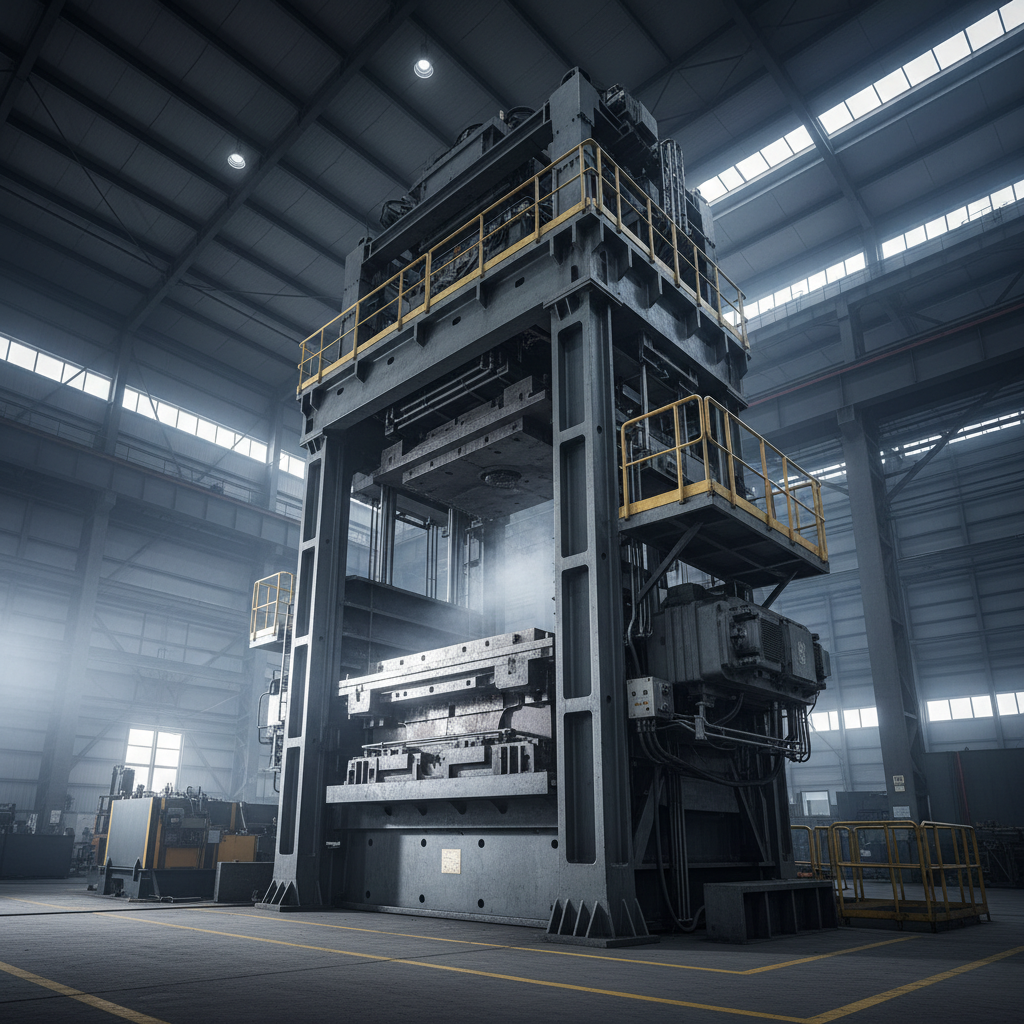




Precision metal forming is a cornerstone of modern industrial engineering, enabling the production of complex geometries with exceptional dimensional accuracy. For procurement managers and engineers, finding a reliable investment precision casting factory is not merely about sourcing a vendor, but about securing a technical partner capable of translating intricate blueprints into functional, high-strength components. This article examines the critical factors in evaluating casting facilities to ensure long-term operational success.
In the competitive landscape of machinery, pipelines, and aerospace, the margin for error is virtually zero. The choice of casting method—whether it be sand casting, die casting, or the lost-wax process—directly impacts the mechanical properties and surface finish of the final part. By understanding the intersection of material science and manufacturing capacity, businesses can mitigate risks related to part failure, excessive machining costs, and supply chain delays.
Readers will gain a comprehensive framework for evaluating supplier capabilities, from CNC machining integration to advanced surface treatments. We will explore how to balance tight tolerances with production volume and why a vertically integrated approach—combining casting with secondary processing—is often the most efficient path to a finished product. This guide serves as a decision-support tool for those optimizing their B2B procurement strategy.
The Strategic Value of Precision Casting in B2B Manufacturing
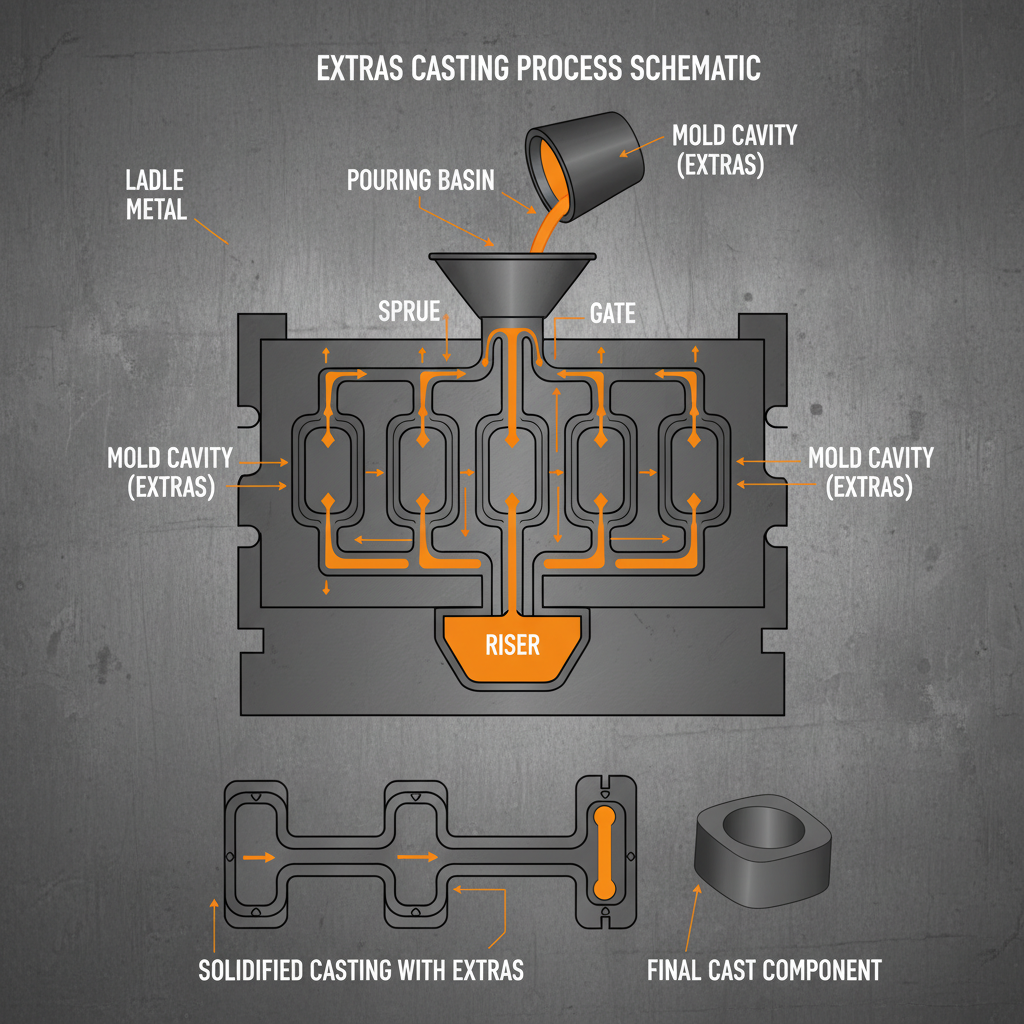
Precision casting, particularly the investment process, allows for the creation of parts that would be impossible or prohibitively expensive to machine from solid blocks. This technology is essential for industries such as pump manufacturing and aircraft components, where internal cavities and complex external contours are required. By utilizing a ceramic shell to maintain the shape of a wax pattern, the process achieves a level of detail and surface smoothness that significantly reduces the need for post-process grinding. For an investment precision casting factory, the ability to maintain consistent tolerances across thousands of units is what defines its professional grade. Beyond the technical specifications, the strategic value lies in the reduction of assembly time; when components fit perfectly out of the mold, the entire production lifecycle is streamlined. This is particularly critical for heavy machinery and steam turbines, where the cost of a single defective part can lead to significant downtime and financial loss.
Evaluating High-Performance Casting Partnerships
Selecting a manufacturing partner requires a deep dive into their technical infrastructure and operational management. A world-class facility does not just "pour metal"; it manages a complex ecosystem of mold design, thermal control, and material verification. The following analysis breaks down the seven key dimensions that determine if a supplier can meet the rigorous demands of international B2B standards.
Technical Capability Assessment
A comprehensive factory should offer a diverse range of processes to suit different project needs. Baoding Hairun Machinery Equipment Trading Co., Ltd. demonstrates this by integrating investment casting, sand casting, and die casting into their service portfolio. The ability to handle different materials—from gray cast iron to non-ferrous alloys—ensures that the chosen process matches the part's intended mechanical stress and environment.
| Process Type | Typical Material | Key Advantage | Best Use Case |
|---|---|---|---|
| Investment Casting | Stainless Steel/Alloys | Extreme Precision | Aircraft/Medical Parts |
| Sand Casting | Cast Steel/Iron | Large Volume/Scale | Construction Machinery |
| Die Casting | Aluminum/Zinc | High Production Rate | Auto Parts/Electronics |
| Silicon Melt Casting | Specialty Alloys | High Fluidity | Complex Thin-Walls |
| Stamping | Sheet Metals | Rapid Repetition | Decorative/Structural Plates |
| CNC Machining | Various Metals | Final Tight Tolerance | Critical Interface Surfaces |
Material Compatibility and Selection
The performance of a cast part begins with the chemical composition of the melt. Depending on the application, a supplier must be proficient in handling ADC12, YL113, or A380 aluminum alloys, as well as various zinc and magnesium options. The choice between ductile iron for impact resistance or alloy steel for high-temperature strength is a critical engineering decision. A reliable partner provides detailed material reports including chemical content and tensile strength to verify that the cast alloy meets the specific architectural requirements of the client's drawing.
Quality Control and Inspection Standards
Quality assurance in high-end casting involves more than visual checks. Professional operations implement a multi-layered inspection regime. Dimensional reports ensure the part meets the CAD model, while X-ray and Ultrasonic tests are employed to detect internal porosity or shrinkage that could lead to premature failure. Magnetic particle testing further ensures surface integrity. For components used in pipelines or pumps, these non-destructive testing (NDT) methods are non-negotiable for safety and compliance.
Customization and OEM Flexibility
B2B procurement often involves unique specifications. The ability to offer full OEM services—from initial mold design and parameter adjustment to final cold or hot assembly—is a significant competitive advantage. Flexibility in size scope and unit weight, based strictly on customer samples or drawings, allows for rapid prototyping and iterative design. This agility is essential when developing new food machinery or specialized auto parts where market requirements evolve quickly.
Application-Specific Engineering
Different sectors have divergent needs. For example, pump impellers require a balance of fluid dynamics and corrosion resistance, whereas aircraft parts prioritize weight-to-strength ratios. By understanding the medium conveyed in pump systems, a manufacturer can recommend the ideal surface treatment—such as cathode electrophoresis or plastic spraying—to extend the part's lifecycle. This domain expertise transforms a supplier from a commodity vendor into a technical consultant.
Supply Chain and Logistics Integration
The value of a high-quality part is negated if it arrives late or damaged. End-to-end support, including customs declaration, space booking, and specialized packaging (plywood cases or pallets), is vital for international trade. Coordination between the casting shop and the mechanical processing factory ensures that the transition from raw casting to a machined finished product is seamless, reducing the logistical overhead for the buyer.
Cost-Value Optimization Analysis
True cost efficiency is found in the Total Cost of Ownership (TCO). While a lower initial quote may be attractive, a supplier that integrates CNC machining and various surface treatments (like baking paint or coating) in-house often reduces the overall cost by eliminating multiple shipping legs and middle-man markups. Evaluating a partner's annual production capacity—such as the 3,000-ton capacity seen in coordinated factory networks—ensures they can scale with your growth without compromising lead times.
FAQ
What is the main difference between investment casting and sand casting for industrial parts?
Investment casting uses a wax pattern and ceramic shell to achieve extremely high precision and superior surface finish, making it ideal for complex, smaller components. Sand casting uses compacted sand molds, which is more cost-effective for very large, heavy parts where tight tolerances are less critical. The choice depends on the required detail, part size, and production volume.
How can I verify the material quality of a cast alloy part?
You should request a comprehensive material report. This document should include the chemical composition analysis, tensile strength, yield strength, and hardness tests. For critical components, additional non-destructive testing such as X-ray or Ultrasonic reports can verify the absence of internal defects like gas porosity or shrinkage.
Can a casting factory provide finished parts, or is secondary machining always required?
While precision casting gets very close to the final dimensions, most industrial parts require secondary CNC machining on critical mating surfaces to ensure a perfect fit. Many professional suppliers, including Baoding Hairun, integrate general machining and surface treatments like painting or coating to provide a complete, "ready-to-install" finished product.
What surface treatments are available for aluminum die-cast parts?
Depending on the environment, options include baking paint for aesthetics and basic protection, plastic spraying for durability, and cathode electrophoresis for enhanced corrosion resistance. Anti-corrosion treatments are particularly important for parts used in pump impellers or outdoor construction machinery.
What information should I provide to get an accurate casting quote?
To receive an accurate quote, provide detailed 2D or 3D drawings (CAD files), the required material specification (e.g., A380 aluminum or ductile iron), estimated annual order volume, and specific requirements for surface treatment or tolerances. Providing a physical sample is also highly recommended for complex OEM projects.
How does a casting partner assist with international logistics?
A full-service partner manages the complexity of international trade by handling customs declaration, customs clearance, and space booking. They ensure that products are packed in seaworthy plywood cases or pallets and coordinate the logistics from the factory port to the final destination, reducing the buyer's administrative burden.
References and further reading
- Industrial Casting Standards for Mechanical Components - Engineering Guide
- Material Science of Non-Ferrous Alloys in Die Casting Processes
- ASTM International Standards for Casting Quality Inspection
Related Articles